
Soups & Stews
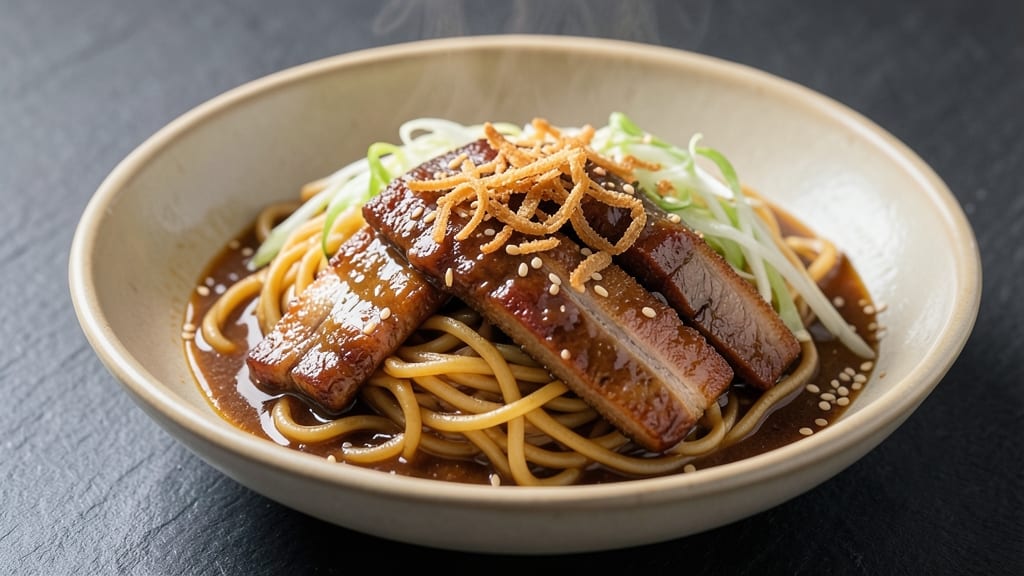
This vegan black bean paste noodles Korean recipe delivers the rich, umami depth of jjajangmyeon without meat—just silky wheat noodles, fermented soybean paste, and a perfectly balanced sauce.
The key lies in simmering the black bean paste with sugar and spices until the flavors meld into a velvety, slightly sweet-savory glaze. I developed this version after discovering how versatile fermented soybean paste can be when cooked low and slow, transforming simple ingredients into a restaurant-worthy dish.
The beauty of this recipe is its authentic Korean technique—no shortcuts, just layering flavors through careful simmering. You’ll start with pre-cooked noodles (or freshly boiled wheat noodles) and build the sauce from scratch, adjusting sweetness and salt to taste.
The result? A silky, umami-packed stir-fry that’s hearty enough for a main dish but quick enough for weeknights. The sauce clings to the noodles, creating each bite with a perfect harmony of earthy, savory, and slightly sweet notes.
What makes this dish special is its versatility—serve it with classic banchan like kimchi or quick-pickled vegetables, or keep it simple with sesame seeds and green onions. The fermented soybean paste (available in Asian markets or online) is the star, delivering deep umami flavor without overpowering.
Whether you're a vegan or simply love bold, comforting flavors, this recipe proves Korean comfort food can be both authentic and accessible—no special equipment required.
Ready in under 30 minutes, this dish is perfect for feeding a crowd or meal prepping for the week. The sauce thickens as it cools, making leftovers even more flavorful. Let’s get cooking—your taste buds will thank you for this umami-packed, silky noodle experience.
Ingredients for black bean paste noodles korean
Korean pantry staples meet umami magic—just 14 ingredients for restaurant-style noodles.
| Ingredient | Amount | Notes |
|---|---|---|
| Fermented Soybean Paste (Chunjang or Doenjang) 🥫 | ½ cup | Korean fermented soybean paste (available at Asian markets) |
| Wheat Noodles (Udon or Jajangmyeon) 🍜 | 12 oz | Pre-cooked or fresh, cut into 4-inch pieces |
| Granulated Sugar 🍚 | ¼ cup | White or brown sugar for balance |
| Vegetable Oil 🫒 | 2 tbsp | For stir-frying (neutral flavor preferred) |
| Garlic Cloves 🧄 | 4 cloves | Minced for aromatic depth |
| Fresh Ginger 🌿 | 1 tbsp | Finely grated (or 1 tsp ground ginger) |
| Green Onions 🧅 | 3 whole | Thinly sliced for garnish |
| Sesame Seeds 🌰 | 1 tbsp | Toasted for nutty crunch |
| Black Bean Paste (or Substitute) 🥫 | ¼ cup | Alternative: 2 tbsp black bean sauce + 1 tbsp soy sauce |
| Vegetable Broth 💧 | 1 cup | Low-sodium for balanced flavor |
| Rice Vinegar 🍶 | 1 tbsp | For subtle tanginess |
| Sesame Oil 🫒 | 1 tsp | For finishing aroma (toasted sesame oil) |
| Salt 🧂 | ½ tsp | Adjust to taste (kosher or sea salt) |
| Black Pepper 🌶️ | ¼ tsp | Freshly ground for warmth |
The fermented soybean paste is non-negotiable here—Korean markets or online stores carry the best (look for Chunjang or Doenjang). If you can't find it, substitute 2 tbsp black bean sauce + 1 tbsp soy sauce, but the flavor won't be identical. The paste should smell funky and earthy (that's good!). For the noodles, udon or jajangmyeon are ideal, but any wheat noodle works. If using fresh, boil for 3-4 minutes until al dente—overcooking makes them mushy. The sugar balances the saltiness, so don't skip it, even if you're not sweet-toothed.
No fermented soybean paste? Miso paste (white or red) at half the amount works in a pinch, but add 1 tsp soy sauce to mimic depth. Fresh ginger? Ground ginger at one-third the amount is fine, but toasting whole seeds first boosts flavor. For the black bean paste substitute, Trader Joe's black bean sauce is a decent shortcut. The sesame seeds should be toasted in a dry pan for 30 seconds—skip this step and they'll taste bland. And yes, you can use pre-cooked noodles to save time, but freshly boiled noodles soak up the sauce better.
This sauce thickens as it cools, so taste and adjust salt/sugar while warm. Store leftovers in an airtight container for 4-5 days—the flavors deepen overnight. Freeze portions for up to 3 months, but thaw gently to avoid breaking the noodles. I always double the sauce and freeze half—perfect for quick stir-fries later. Garnish with extra sesame seeds and green onions right before serving (they wilt fast).
Why You'll Love This Recipe
- Pantry Powerhouse: I swear by this recipe when my fridge is bare—just a jar of chunjang, some udon, and garlic from the back of the cabinet. The fermented soybean paste does all the heavy lifting, so you’re basically making magic with five ingredients.
- Umami Bomb: That first spoonful of doenjang in hot oil? It’s like a flavor explosion—deep, nutty, and just a little funky in the best way. The sugar balances it perfectly, and the garlic? It ties everything together with a warm, aromatic punch.
- Office Lunch Hero: Between us, this is my meal prep MVP. Cook a big batch of noodles, store the sauce separately, and reheat with a splash of water—no soggy noodles, no sad leftovers. It’s the kind of dish that tastes even better the next day.
- Budget-Friendly Feast: Honestly, I make this when I’m trying to save money but still want something restaurant-worthy. A single jar of chunjang stretches to feed four, and the noodles are cheap enough to not break the bank. Plus, it’s way cheaper than takeout.
Step-by-step instructions for black bean paste noodles Korean recipe
Here's how to make this rich, umami-packed Korean stir-fry with silky noodles and deep savory flavors.
Prepare the Fermented Soybean Paste Sauce
In a medium saucepan, combine the 0.5 cup fermented soybean paste (chunjang or doenjang), 0.25 cup granulated sugar, 1 cup vegetable broth, and 1 tbsp rice vinegar. Stir over medium heat until the mixture begins to bubble, then reduce heat to low and let it simmer for 8-10 minutes until slightly thickened and fragrant.
You'll notice the sauce darken and develop a rich aroma—this is where the deep umami flavors form. If it thickens too much, add 1-2 tablespoons of water to maintain a smooth, pourable consistency. Keep this sauce warm while you prepare the rest of the dish.
Stir-Fry the Aromatics and Black Bean Paste
Heat 2 tablespoons vegetable oil in a large wok or deep skillet over medium-high heat until shimmering. Add the 4 minced garlic cloves and 1 tablespoon finely grated fresh ginger, stirring for 30 seconds until fragrant but not browned.
Next, add the 0.25 cup black bean paste and stir constantly for 2-3 minutes until it darkens and releases its nutty aroma. This step builds the foundation of your sauce—don't rush it. If using the substitute (2 tablespoons black bean sauce + 1 tablespoon soy sauce), add it now and stir for 1 minute to combine.
Cook the Noodles and Combine
While the aromatics cook, prepare the 12 oz wheat noodles (udon or jajangmyeon) according to package instructions if fresh, or rinse under cold water if pre-cooked. Drain and set aside.
Pour the warm fermented soybean paste sauce into the skillet with the black bean paste mixture. Stir to combine, then add the cooked noodles. Toss everything together for 2-3 minutes until the noodles are evenly coated and heated through. The sauce should cling to the noodles, creating that signature glossy finish.
Finish and Garnish
Remove the skillet from heat and stir in 1 teaspoon sesame oil, 0.5 teaspoon salt, and 0.25 teaspoon black pepper. This adds a final layer of aroma and balances the rich flavors. Taste and adjust seasoning if needed—you might need a touch more salt to enhance the umami.
Divide the noodles among bowls and garnish with thinly sliced green onions and 1 tablespoon toasted sesame seeds. The contrast of fresh green onions and nutty sesame seeds elevates the dish, cutting through the richness while adding texture. Serve immediately while hot.
Pro Tips For Making Black Bean Paste Noodles Korean
- Bloom the Chunjang First: If you toss raw soybean paste into the pan, you’ll end up with a gloppy mess—trust me, I’ve done it. Instead, mix it with a splash of water (about 2 tablespoons) and let it sit for 5 minutes while you prep the garlic and oil. This turns the paste into a smooth, velvety base that doesn’t clump, even when you add sugar later.
- Toast the Garlic Low: Cranking the heat to brown garlic is a rookie move—it burns fast and turns bitter. Instead, cook the minced cloves in oil over medium-low for 3-4 minutes, stirring constantly, until they’re just golden and fragrant. Overcooking them ruins the whole dish, and no one wants that smoky aftertaste.
- Skip the Boil for Noodles: Boiling udon or jajangmyeon until they’re rock-hard is overkill. Cook them 1-2 minutes less than the package says, then finish them in the sauce. The residual starch from the noodles will thicken the black bean paste into a glossy, clingy sauce—exactly how it’s supposed to taste.
- Balance Sugar Last: Adding sugar too early turns the sauce into a sticky syrup before the flavors meld. Wait until the chunjang and garlic are fully cooked and simmered for 5 minutes, then stir in the sugar gradually. Taste as you go—you’re aiming for a sweet-savory harmony, not a candy-like sludge.
Health benefits of this dish
Protein Powerhouse
Fermented soybean paste delivers a complete protein profile with all nine essential amino acids, making this dish perfect for plant-based diets. A single serving provides about 12 grams of protein from the paste alone, while the wheat noodles add an additional 8-10 grams.
This combination creates a satisfying, muscle-supporting meal that rivals meat-based protein sources. 💪
Fiber-Rich Noodle Base
The wheat noodles used in this recipe offer 4-5 grams of fiber per serving, supporting digestive health and keeping you full longer. Unlike refined white noodles, these provide sustained energy without blood sugar spikes.
Pairing them with the fermented soybean paste creates a fiber-protein combo that stabilizes energy levels—ideal for busy weeknights or meal prep.
Umami Flavor Without Additives
The fermented soybean paste contains natural glutamates that create deep umami flavor without artificial additives. This natural umami boost enhances flavor perception, making the dish taste more satisfying with fewer calories. Studies show umami-rich foods can reduce cravings for salty or fatty snacks—perfect for those watching their intake. 🌱
Gut-Friendly Fermentation
Fermented soybean paste contains probiotic cultures that support gut health, similar to kimchi or sauerkraut. These beneficial bacteria aid digestion and may improve immune function. The fermentation process also increases nutrient bioavailability, helping your body absorb more vitamins and minerals from the dish.
For extra probiotics, serve with kimchi as a side.
Low-Calorie Comfort Food
This dish clocks in at just 350-400 calories per serving, making it a guilt-free comfort food option. The combination of fiber, protein, and fermented ingredients creates satiety without excessive calories.
The sauce's natural sweetness from sugar balances the saltiness, reducing the need for added fats. It's the perfect example of how traditional Korean flavors can align with modern health goals.
Rich in Antioxidants
Both the fermented soybean paste and sesame seeds used in this recipe contain antioxidant compounds like isoflavones and sesamin. These help combat oxidative stress and inflammation in the body.
The black bean paste adds additional antioxidants through its fermentation process. Together, they create a nutrient-dense dish that supports long-term health while delivering incredible flavor. ✨
Nutrition facts
Frequently asked questions
Can I substitute black bean paste with something else if I can't find it?
Yes! For a quick substitute, mix 2 tablespoons black bean sauce (like Trader Joe's) with 1 tablespoon soy sauce. This won't be identical, but it'll give you that nutty depth. For a closer match, try half the amount of miso paste (white or red) plus a pinch of sugar to balance the saltiness. The key is to mimic the fermented, umami-rich flavor profile.
How do I prevent the noodles from turning mushy when tossing with the sauce?
Always cook your noodles just until al dente—about 1 minute less than package instructions suggest. Then rinse them briefly under cold water to stop the cooking process. When tossing, work quickly over medium-high heat for only 2-3 minutes. The residual heat will finish cooking them perfectly while absorbing the sauce. Overcooking is the #1 cause of mushy noodles!
Can I make this recipe without wheat noodles for gluten-free?
Use rice noodles or gluten-free udon instead. The cooking time will differ—rice noodles soften in 3-5 minutes in boiling water, while gluten-free udon may need 4-5 minutes. For best texture, rinse the cooked noodles in cold water before tossing with the sauce. The fermented soybean paste sauce works beautifully with these alternatives.
What's the secret to getting that glossy, restaurant-style finish?
The gloss comes from two things: simmering the sauce long enough (let it reduce for 8-10 minutes) and finishing with 1 teaspoon sesame oil. The sesame oil adds shine and aroma, while the reduced sauce clings perfectly to the noodles. For extra sheen, toss the hot noodles with 1 teaspoon cornstarch mixed with 1 tablespoon water right before serving. Stir quickly—it thickens instantly!
How can I adjust the sweetness or saltiness to my preference?
Start by tasting the sauce after 5 minutes of simmering. For more sweetness, add 1-2 teaspoons sugar at a time. For saltiness, use kosher salt in small increments—remember the fermented soybean paste is already salty. The ideal balance is when the sweetness and salt work together, not competing. If it's too salty, a splash of rice vinegar can help balance it. Adjust gradually!