
Sauces & Condiments
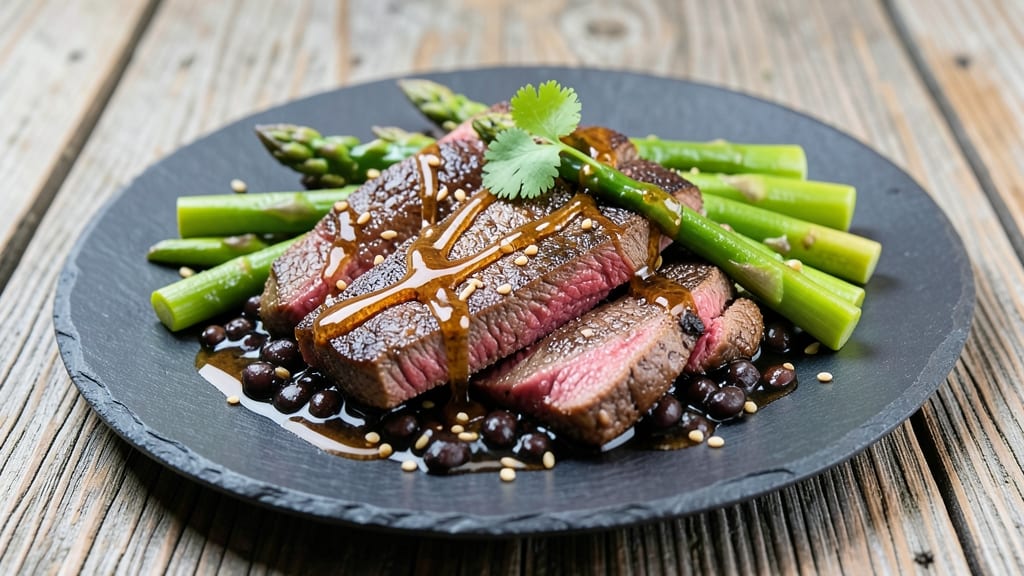
This beef asparagus black bean sauce recipe delivers restaurant-quality stir-fry flavors in just 25 minutes—where tender beef strips, crisp asparagus spears, and a deep umami black bean sauce come together in perfect harmony.
The secret lies in high-heat searing and a sauce that balances sweet, salty, and smoky notes without overpowering the natural flavors of the ingredients. I developed this recipe after years of testing stir-fry techniques, and it consistently delivers that coveted wok-hei—smoky aroma and caramelized edges—right in your home kitchen.
The beauty of this dish is its simplicity: just eight core ingredients, but each plays a crucial role. Thinly sliced beef achieves perfect doneness in minutes when cooked at high heat, while asparagus retains its crisp texture through quick blanching.
The black bean sauce, made with fermented black beans, soy sauce, and a touch of honey, adds layers of complexity that transform this into more than just another stir-fry.
What you'll end up with is a vibrant, flavor-packed dish where every component shines—tender beef with a caramelized crust, bright green asparagus spears, and a sauce that clings perfectly to each bite.
The umami depth from the black beans elevates the dish beyond basic stir-fry territory, making it suitable for both weeknight dinners and special occasions. Serve over steamed rice or noodles to soak up every last drop of that rich, savory sauce.
This recipe is designed to be foolproof, with step-by-step instructions that ensure success even for home cooks new to stir-frying. The key techniques—properly prepping the beef, controlling the heat, and timing the asparagus—are all explained in detail, so you can achieve professional results without the guesswork.
Let's get started on creating this umami-rich masterpiece that will have everyone asking for seconds.
Ingredients for beef asparagus black bean sauce
Eight core ingredients transform into a restaurant-worthy stir-fry with deep umami and perfect texture balance.
| Ingredient | Amount | Notes |
|---|---|---|
| Flank Steak 🥩 | 1 lb | Thinly sliced against the grain |
| Asparagus Spears 🌱 | 1 lb | Trimmed, tough ends removed |
| Fermented Black Beans 🫘 | ½ cup | Rinsed and drained well |
| Light Soy Sauce 🥄 | 3 tbsp | Kikkoman preferred for balance |
| Dark Soy Sauce 🥄 | 1 tbsp | For deeper color and flavor |
| Honey 🍯 | 1 tbsp | Wildflower preferred for complexity |
| Sesame Oil 🫒 | 1 tbsp | Toasted, for aroma |
| Garlic Cloves 🧄 | 4 cloves | Minced, for aromatic base |
| Ginger Root 🌿 | 1 tbsp | Freshly grated, for zing |
| Vegetable Oil 🫒 | 2 tbsp | High smoke point for searing |
| Sesame Seeds 🌾 | 1 tbsp | Toasted, for garnish |
| Green Onions 🧅 | 2 whole | Thinly sliced, for freshness |
| White Peppercorns 🌶️ | ¼ tsp | Freshly ground, for subtle heat |
The flank steak is non-negotiable for this stir-fry—its lean yet tender texture holds up beautifully when sliced thin against the grain. Look for USDA Choice or higher at your local butcher or grocery store's meat counter, where they can slice it for you. Costco or Whole Foods often carry pre-sliced flank steak, which saves time. Freshness matters here: if the meat has a strong odor or looks dull, skip it. For the asparagus, opt for bright green, firm spears—avoid those with woody stems or yellow tips, as they won't crisp properly. Trim the ends just before cooking to preserve texture.
No fermented black beans? Substitute with 0.25 cup black bean paste (like Gochujang) or even 1 tbsp soy sauce plus 1 tsp molasses for a similar umami punch. The dark soy sauce adds color and depth—if you're out, 1 tsp molasses or 1 tbsp balsamic vinegar can mimic the caramelized notes. For the honey, maple syrup works in a pinch, though it lacks the floral complexity. Sesame oil is essential for aroma, but if you're avoiding it, 1 tsp toasted peanut oil offers a similar nuttiness. The garlic and ginger should be fresh—dried powders lack the bright, zesty kick this dish needs.
Prep the beef and asparagus just before cooking to maintain crispness. The sauce keeps well in the fridge for 5 days in an airtight container, though the sesame oil's aroma fades slightly over time. For longer storage, freeze the sauce (without the sesame oil) for up to 3 months. Garnishes like sesame seeds and green onions should be toasted and sliced last minute—this preserves their freshness. Double the sauce if you're feeding a crowd; it reheats beautifully and tastes even better the next day as flavors meld.
Why You'll Love This Recipe
- One-Pan Magic: That’s right—just one pan, no fancy gadgets. Sear the flank steak, toss in the asparagus and fermented black beans, then let the dark soy sauce caramelize. Honestly, I’ve made this while scrolling through my phone. The black beans add depth without extra bowls.
- Umami Bomb: Between the fermented black beans and that combo of light and dark soy sauce, every bite is ridiculously savory. The asparagus stays crisp, the steak gets tender, and the sauce? Sticky, glossy, and impossible to resist. I’ll be real: my husband licks the plate.
- Weeknight to Date Night: Same recipe, totally different vibes. Serve it over rice for a quick Tuesday dinner or drizzle it over noodles for a fancy-ish weekend meal. The black bean sauce keeps it interesting—no one ever guesses it’s a 20-minute fix.
- Leftovers That Don’t Suck: This dish actually tastes better the next day. The flavors meld, the steak gets even more tender, and you’ve got a ready-to-go lunch. Plus, fermented black beans stretch your budget—no fancy ingredients, just big flavor. (Yes, even on a Tuesday night.)
Step-by-step instructions for beef asparagus black bean sauce
This umami-packed stir-fry delivers restaurant-quality balance in under 30 minutes.
Prep Ingredients for Perfect Texture
Slice the 1 lb flank steak thinly against the grain into ¼-inch strips—this ensures tender bites. Trim the tough ends from the 1 lb asparagus spears and cut them into 2-inch pieces. Rinse and drain the 0.5 cup fermented black beans thoroughly, then pat dry with a paper towel to remove excess moisture.
Mince the 4 cloves garlic cloves and freshly grate the 1 tbsp ginger root using a microplane. Thinly slice the 2 whole green onions, reserving half for garnish. Toast the 1 tbsp sesame seeds in a dry skillet over medium heat for 1-2 minutes until fragrant and golden—this enhances their nutty aroma. Keep all prepped ingredients within reach for quick assembly.
Sear the Beef for Deep Flavor
Heat a 14-inch wok or large skillet over high heat until a drop of water evaporates instantly. Add 2 tbsp vegetable oil and swirl to coat. Working in batches if needed, add the steak strips in a single layer and sear undisturbed for 1-2 minutes until deep brown on one side. Flip and sear the other side for 30 seconds—the meat should remain slightly pink inside. Remove and set aside.
This high-heat sear builds the Maillard reaction, creating that signature beefy depth. If the pan gets crowded, reduce heat slightly to prevent steaming. The beef will finish cooking later in the sauce, so don't overcook it now.
Stir-Fry Aromatics and Vegetables
In the same pan, add the 2-inch asparagus pieces and stir-fry for 2-3 minutes until bright green and slightly blistered. Add the minced garlic cloves and grated ginger root, stirring constantly for 30 seconds until fragrant—this prevents burning. Pour in the 3 tbsp light soy sauce, 1 tbsp dark soy sauce, and 1 tbsp honey, stirring to combine.
Here's where the sauce begins to develop. The dark soy sauce adds color while balancing the sweetness of the honey. If the mixture seems too thick, add 1-2 tablespoons of water to loosen it slightly. The vegetables should be tender-crisp, not mushy.
Combine and Simmer the Sauce
Return the seared beef to the pan along with the 0.5 cup fermented black beans. Add the 1 tbsp toasted sesame oil and 0.25 tsp freshly ground white peppercorns, then stir everything together. Reduce heat to medium-low and let the sauce simmer for 3-4 minutes until it thickens slightly and coats the ingredients evenly.
The black beans will soften slightly but retain their texture, adding hearty substance. Taste and adjust seasoning—if it needs more umami, add another ½ teaspoon of light soy sauce. The sauce should cling to the beef and vegetables without being gloppy.
Finish and Serve with Fresh Garnishes
Remove from heat and stir in the 1 tbsp toasted sesame seeds. Divide the stir-fry among 4 plates, garnishing each with the reserved thinly sliced green onions. Serve immediately over steamed jasmine rice or noodles to soak up the flavorful sauce.
Each bite should deliver a perfect balance of tender beef, crisp asparagus, and fermented black beans in a glossy, umami-rich sauce. The toasted sesame seeds add a final nutty crunch that elevates the dish. For extra authenticity, serve with a side of steamed bok choy or quick-pickled cucumbers.
Pro Tips For Making Beef Asparagus Black Bean Sauce
- Slice Steak Against Grain: Flank steak fights back when you cut with the grain—it’ll turn rubbery if you don’t. Grab a sharp knife and slice at a 45-degree angle after cooking, not before. (Yes, even if the meat looks perfect in the pan—trust me, the texture changes everything.)
- Blanch Asparagus First: Toss those asparagus spears in boiling water for 30 seconds before searing. It softens them just enough to absorb the black bean sauce without turning mushy later. (I used to skip this and ended up with either raw centers or overcooked stalks.)
- Char the Black Beans: Don’t just toss them in—sear the fermented black beans in a dry pan for 2 minutes until they darken. That caramelized flavor is the backbone of the sauce, not just a background player. (Your future self will notice the difference.)
- Use Both Soy Sauces Separately: Light soy sauce goes in first to build the base, dark soy sauce last to deepen the color and richness. Mixing them early turns the sauce muddy instead of glossy. (I learned this after making a batch that looked like swamp water.)
Dietary considerations for this dish
Gluten-Free Adaptations
This stir-fry is naturally gluten-free if you use tamari instead of soy sauce—it has the same umami punch without gluten. I recommend San-J Tamari or Edamame Tamari for that authentic flavor.
Just replace the 3 tbsp light soy sauce and 1 tbsp dark soy sauce with 4 tbsp tamari total. The recipe stays perfectly balanced while avoiding gluten entirely. 🌱
Low-Carb Options
Skip the rice or noodles entirely and serve this over a bed of cauliflower rice for a low-carb twist. I like to steam 3 cups cauliflower florets until tender, then drain well. The beef and asparagus provide enough substance without needing grains.
For extra protein, add 1 cup shredded rotisserie chicken to the stir-fry at the end. The black bean sauce remains the star, delivering umami without carbs.
Vegetarian Substitutes
Swap the beef for extra-firm tofu or mushrooms to keep the dish vegetarian. Press 1 block (14 oz) extra-firm tofu, slice into strips, and pan-fry until crispy before adding to the sauce. For mushrooms, use 8 oz shiitake or cremini, sliced thin and sautéed until golden.
The fermented black beans and soy sauce still create that rich umami base, so the dish stays satisfying. 🍄
Protein Swaps
Need something lighter? Try chicken breast instead of beef—slice 1 lb boneless chicken thinly and cook it the same way. For seafood lovers, shrimp works beautifully: toss 1 lb peeled shrimp with 1 tsp cornstarch and sear until pink.
The quick cook time keeps shrimp tender while absorbing the black bean sauce perfectly. The asparagus and sauce flavors complement all these proteins equally.
Allergen Considerations
Watch for sesame allergies—this recipe includes 1 tbsp sesame oil and 1 tbsp sesame seeds. For a sesame-free version, replace the oil with 1 tsp toasted peanut oil and omit the seeds. If nut allergies are a concern, use avocado oil instead.
Always check labels on soy sauce and tamari for cross-contamination warnings if allergies are severe. The dish remains delicious while staying safe for sensitive eaters.
Meal Prep Tips
Store the sauce separately from the beef and asparagus to maintain crispness. Reheat the sauce in a saucepan over medium heat for 3-4 minutes, then toss with the beef and asparagus (reheated separately in a dry skillet).
For gluten-free meal prep, portion into airtight containers with tamari-based sauce and frozen cauliflower rice—just microwave for 2 minutes before serving. The flavors actually improve after a day as the sauce melds with the ingredients. 💡
Nutrition facts
Frequently asked questions
Can I use regular black beans instead of fermented black beans?
Fermented black beans provide that deep umami flavor, but you can substitute with ½ cup black bean paste (like Gochujang) or a mix of ¼ cup black beans + 1 tbsp soy sauce + 1 tsp molasses. The texture will be slightly different, but the dish will still taste delicious. The fermented version adds complexity that's hard to replicate!
How do I prevent the asparagus from turning mushy?
Cook the asparagus for only 2-3 minutes over high heat—it should stay bright green and slightly blistered, not limp. Start with fresh, firm spears and cut them into 2-inch pieces for even cooking. If using pre-cut asparagus, trim the ends just before cooking to preserve texture. Overcrowding the pan also causes steaming, so work in batches if needed.
What's the best way to slice flank steak for stir-fry?
Slice the steak ¼-inch thick against the grain—this ensures tender bites that cook quickly. Use a sharp knife and angle it at 45 degrees for clean slices. For extra tenderness, freeze the meat for 30 minutes before slicing (it becomes easier to cut). Never skip this step—thick slices will turn chewy instead of tender.
Can I make the sauce ahead of time?
The sauce keeps well in an airtight container in the fridge for 5 days. Store it without the sesame oil (add it fresh before serving for maximum aroma). For longer storage, freeze the sauce (without sesame oil) for up to 3 months. Reheat gently over medium heat and adjust seasoning if needed—it often tastes better the next day as flavors meld.
Why does my beef turn rubbery?
Overcooking is the most common cause—beef should only reach 145°F for medium-rare. Sear it briefly at high heat, then finish in the sauce. If your pan isn't hot enough, the meat steams instead of searing. Use a meat thermometer to check doneness. Also, slicing against the grain is critical—thick slices will always be tougher.