
Salads
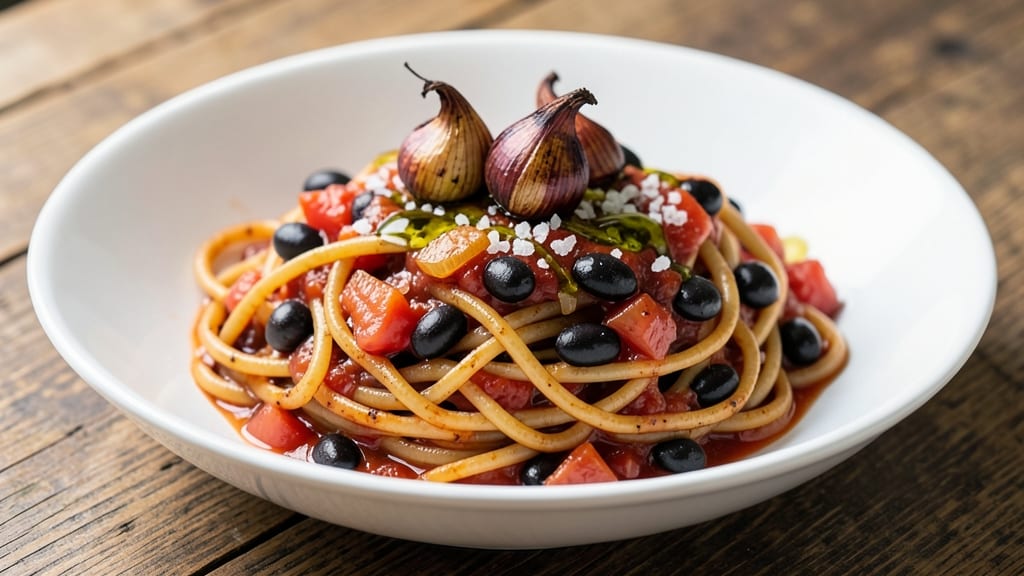
This black bean pasta noodles recipe transforms simple ingredients into a hearty, protein-packed meal in just 20 minutes. The secret lies in blending black beans with garlic, onions, and tomatoes to create a rich, velvety base that coats every strand of silky pasta.
Perfect for weeknight dinners or meal prep, this dish delivers restaurant-quality flavor without the fuss.
What sets this recipe apart is its versatility—vegan, gluten-free, or traditional, it adapts effortlessly to your preferences. The black bean base adds depth and texture, while sautéed garlic and onions build a fragrant foundation.
Fresh herbs and chili flakes elevate it to new heights, making every bite satisfying and full of flavor.
By the time you twirl that first forkful, you’ll taste tender pasta wrapped in a creamy, savory bean sauce that’s both comforting and exciting. The dish is packed with plant-based protein, fiber, and nutrients, yet it feels indulgent.
Whether served as a main course or a side, it’s sure to become a staple in your rotation.
Ready to cook? The ingredients are simple, the steps straightforward, and the results impossible to resist. Let’s get started on a dish that’s as nourishing as it is delicious.
Ingredients for black bean pasta noodles
Pantry staples plus a few fresh picks—this vegan pasta comes together faster than takeout.
| Ingredient | Amount | Notes |
|---|---|---|
| Black Beans 🫘 | 1 ½ cups | Cooked or canned, drained |
| Spaghetti Noodles 🍝 | 12 oz | Gluten-free if needed |
| Yellow Onion 🧅 | 1 whole | Diced, medium size |
| Garlic Cloves 🧄 | 4 cloves | Minced, fresh preferred |
| Canned Diced Tomatoes 🍅 | 1 cup | San Marzano if available |
| Extra-Virgin Olive Oil 🫒 | ½ cup | For richness |
| Vegetable Broth 💧 | 1 cup | Low-sodium preferred |
| Lemon Juice 🍋 | 1 tbsp | Freshly squeezed |
| Fresh Basil Leaves 🌿 | ¼ cup | Chopped, stems removed |
| Red Chili Flakes 🌶️ | ½ tsp | Adjust to taste |
| Salt 🧂 | 1 tsp | Kosher or sea salt |
| Black Pepper 🌶️ | ½ tsp | Freshly ground |
| Nutritional Yeast 🧀 | 2 tbsp | For cheesy flavor |
| Vegetable Oil 🫒 | 1 tbsp | For pasta cooking |
Black beans are the star here, so grab the canned kind—drained and rinsed if using. I always go for low-sodium to control the seasoning better. The San Marzano tomatoes make a difference in flavor, but any good-quality canned tomatoes work. Fresh basil is ideal, but dried oregano at one-third the amount will do in a pinch. For the onions, yellow or red both work—just dice them small so they melt into the sauce. Garlic? Fresh is best, but powdered works if you're in a hurry.
No black beans? Lentils or chickpeas will work, but the texture changes slightly. Swap the spaghetti for gluten-free noodles if needed—just make sure they're thick enough to hold the sauce. The vegetable broth can be subbed with water, but low-sodium bouillon cubes add depth. No fresh basil? Dried basil or parsley will still brighten things up. For extra richness, stir in a spoonful of cashew cream at the end. And if you're feeling fancy, toast the black beans first for a nutty flavor.
This sauce tastes even better the next day—honestly, it gets richer as it sits. Store leftovers in the fridge for up to 5 days, or freeze for 3 months. I like to portion it into containers so I can grab it straight from the fridge for quick lunches. The pasta reheats well, but add a splash of water or broth to keep it from drying out. Double the batch and freeze half—nothing beats coming home to a ready-made meal.
Why You'll Love This Recipe
- Five-Ingredient Magic: I swear by this recipe because it’s the kind of dish where you almost feel guilty for how little effort it takes. Sauté onions and garlic, toss in canned tomatoes and black beans, then just dump in the noodles—no fancy techniques, no last-minute grocery runs. The beans break down into that creamy, rich sauce while the noodles soak up every last bit, and honestly? It’s the closest I get to restaurant-quality without leaving my kitchen.
- Umami Bomb: Between us, the flavor here is ridiculously good for how simple it is. The black beans add this deep, earthy richness that pairs perfectly with the bright acidity of the tomatoes, while the garlic—don’t skip this—turns the whole thing into a savory hug. I’ll be real: my picky-eater husband actually finishes his plate, and that’s saying something.
- Lunchbox Hero: This recipe is my secret weapon for meal prep because it travels like a dream. The noodles hold up better than you’d think, and the sauce clings to them just enough to keep everything cohesive. Pack it cold or reheat it, and it’s still hearty enough to feel like a proper meal—no sad, mushy leftovers here. (Yes, even on a Tuesday night.)
- Pantry Staple Savior: I keep a can of black beans and diced tomatoes in my cabinet just for this. When I’m low on groceries or short on time, this dish comes together faster than takeout and costs a fraction of the price. Plus, the noodles stretch the beans so well that you won’t even miss the extra ingredients—just pure, satisfying comfort for next to nothing.
Step-by-step instructions for black bean pasta noodles
Here's how to make this hearty, protein-packed dish in under 20 minutes.
🍳 Step 1: Cook the Pasta Al Dente
Bring a large pot of water to a rolling boil and add the 12 oz spaghetti noodles. Stir immediately to prevent sticking. Cook for 8-9 minutes until the noodles are al dente—you want them slightly firm with a tiny white center when bitten. Reserve ½ cup of pasta water before draining, then set the noodles aside.
Don't drain the pasta completely—those starchy noodles will help create a silky sauce later. I always taste-test one noodle to check for doneness, adjusting cook time if needed. The pasta should have a slight bite to it, not be mushy.
👨🍳 Step 2: Sauté Onion and Garlic in Olive Oil
In a large skillet, heat the 1 tablespoon vegetable oil over medium heat. Add the diced yellow onion and cook for 5-6 minutes until softened and translucent. Push the onions to one side of the pan and add the 4 minced garlic cloves, cooking for 30 seconds until fragrant.
Here's the thing—don't let the garlic burn. Watch it closely and stir constantly. The onions should caramelize slightly but not brown. This aromatic base is what makes the whole dish sing, so take your time with this step.
🥘 Step 3: Build the Black Bean Sauce
Add the 1.5 cups black beans, 1 cup canned diced tomatoes, 1 cup vegetable broth, 0.5 cup extra-virgin olive oil, 0.5 tsp red chili flakes, 1 tsp salt, and 0.5 tsp black pepper to the skillet. Stir well to combine, then bring to a gentle simmer. Cook for 5-6 minutes until the flavors meld together.
While it simmers, mash about ¼ of the black beans with a fork to thicken the sauce slightly. This creates a perfect balance between chunky beans and smooth sauce. The mixture should be thick enough to coat the back of a spoon but still have a nice texture.
🍳 Step 4: Combine Everything and Finish
Add the cooked spaghetti noodles to the skillet and toss everything together. If the sauce is too thick, add 2-3 tablespoons of reserved pasta water to loosen it. Stir in the 2 tablespoons nutritional yeast and 1 tablespoon lemon juice. Cook for another 2-3 minutes until everything is well-coated and heated through.
Taste and adjust seasoning if needed. The nutritional yeast adds a cheesy flavor that pairs perfectly with the black beans. The lemon juice brightens everything up, cutting through the richness of the olive oil.
🌿 Step 5: Garnish and Serve
Remove the skillet from heat and stir in the 0.25 cup chopped fresh basil leaves. Divide the pasta among plates and garnish with additional basil if desired. Serve immediately while hot, with extra red chili flakes on the side if you like some heat.
This dish is perfect for a quick weeknight dinner. The combination of silky pasta and hearty black beans creates a satisfying meal that's packed with protein and flavor. The fresh basil at the end adds a bright, herbaceous finish that ties everything together.
Pro Tips For Making Black Bean Pasta Noodles
- Sauté Onions Low and Slow: I used to rush this step and end up with bitter, charred onions—killjoy. For black bean pasta, cook the yellow onion over medium-low heat until it’s soft and translucent, about 8-10 minutes. That’s when the sweetness comes out, not the burn.
- Drain and Rinse the Beans: Canned black beans are packed in saltwater, and if you skip rinsing, your dish will taste like a sad, briny soup. Give them a quick drain and cold water rinse—especially if you’re using low-sodium beans—to keep flavors balanced.
- Toast the Garlic Right: Raw garlic in this dish is just a bitter afterthought. Cook the minced cloves in the onion oil until they’re golden, not brown—about 2 minutes. If you walk away, they’ll turn to ash faster than you can say “burnt dinner.”
- Save the Tomato Juice: That liquid from the canned tomatoes? Don’t pour it down the drain. Simmer it with the beans and onions for 5-7 minutes—it thickens the sauce and adds depth without extra effort. (Yes, even if it looks weirdly murky at first.)
Storing and reheating your black bean pasta noodles
Fridge Storage Tips
Store your black bean pasta noodles in an airtight container with a tight-fitting lid to keep it fresh. The sauce actually improves overnight as flavors meld—just let it cool completely before refrigerating. I recommend portioning into 1-2 serving containers so you can grab exactly what you need for quick lunches.
Keep it at 40°F or below for up to 5 days, but taste before serving to adjust seasoning if needed. 🧊
Freezer Prep
For longer storage, freeze portions in quart-sized freezer bags or airtight containers. Leave ½-inch headspace to prevent expansion cracks. I like to freeze the sauce separately from the pasta—this way, you can reheat just the sauce and toss with fresh noodles later.
Label with the date and freeze for up to 3 months. Thaw overnight in the fridge before reheating. ❄️
Reheating Perfection
For stovetop reheating, transfer portions to a skillet with 2 tablespoons water or broth to prevent sticking. Heat over medium-low for 5-7 minutes, stirring occasionally. If using the microwave, cover with a damp paper towel and heat in 1-minute intervals at 70% power, stirring between each.
Always check internal temperature reaches 165°F for safety. 🔥
Reviving Texture
If your reheated pasta seems dry, add 1-2 tablespoons reserved pasta water or broth while warming. The starchy liquid helps restore that silky texture. For extra richness, stir in ½ tablespoon olive oil at the end.
I also like to finish with fresh basil and a squeeze of lemon juice—it feels like you're eating it fresh all over again. 🌿
Meal Prep Hack
Double the recipe and freeze half for future meals. When ready to eat, cook fresh pasta and toss with the thawed sauce. This saves time on busy nights while keeping the dish restaurant-quality. I keep a dedicated freezer bin for my pasta meals—it's a game-changer for weeknight dinners. 💡
Sauce Separation Fix
If the sauce separates after reheating, simply stir vigorously or use a fork to mash some beans while warming. The heat helps re-emulsify the sauce naturally.
For extra insurance, add 1 teaspoon cornstarch mixed with 1 tablespoon water while reheating—it thickens beautifully. This trick works wonders for maintaining that creamy texture. 💫
Nutrition facts
Frequently asked questions
Can I make this recipe without fresh basil?
If you don't have fresh basil, use 1 teaspoon dried basil or 1 teaspoon dried parsley instead. For extra flavor, add ½ teaspoon dried oregano or a pinch of red pepper flakes to keep the dish vibrant. The key is balancing the herbs with the earthy black beans and bright lemon juice.
How do I adjust the spice level for kids or sensitive palates?
Simply reduce or omit the red chili flakes—this dish is already flavorful without them. For kids, you can also serve the pasta plain with a side of the black bean sauce on top, letting them add their own seasoning. The nutritional yeast and lemon juice provide plenty of flavor without heat.
What if I don't have nutritional yeast?
No problem! Nutritional yeast adds a cheesy flavor, but you can substitute with 2 tablespoons grated Parmesan cheese (for non-vegan versions) or 1 tablespoon white miso paste for depth. If avoiding all umami boosters, just increase the garlic and onion slightly for extra savory notes.
Can I use whole wheat pasta instead of regular spaghetti?
Yes, but cook it for 1-2 minutes less than the package instructions—whole wheat pasta tends to get mushy faster. The black bean sauce will still cling beautifully, though you may need an extra 1-2 tablespoons of pasta water to help the sauce coat the noodles properly.
Why does my sauce look too thick after cooking?
This happens when the beans release too much starch. Fix it by adding 2-3 tablespoons of reserved pasta water while stirring. If it's still too thick, mash a few more beans with a fork to break them down further. The sauce should coat the back of a spoon but still have a pleasant texture—not gluey.