
Sauces & Condiments
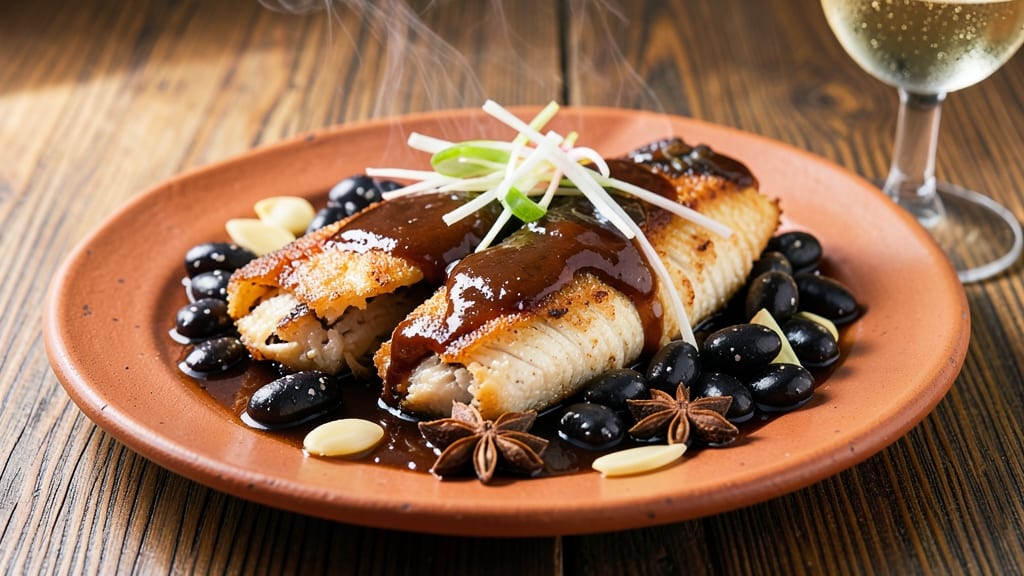
This braised fish with black bean sauce recipe delivers flaky, melt-in-your-mouth perfection with a rich, umami-packed sauce that clings to every bite. The secret lies in a slow, gentle braise that transforms firm white fish into tender, shatteringly delicate pieces while the black bean sauce develops deep, complex flavors.
I developed this recipe after years of perfecting the balance between silky sauce and tender fish—a harmony that makes every forkful unforgettable.
The process begins with searing the fish to lock in moisture, then simmering it gently in a fragrant broth infused with ginger, garlic, and star anise. Meanwhile, the black bean sauce builds layers of flavor through careful reduction, creating a velvety consistency that coats the fish beautifully.
What sets this dish apart is how the sauce's natural sweetness and earthy depth complement the fish's delicate texture, resulting in a meal that feels both elegant and approachable.
By the time you plate this dish, you'll have flaky fish that falls apart at the touch of a fork, swimming in a glossy black bean sauce that's rich yet balanced.
The sauce's subtle sweetness and savory notes make it versatile enough to pair with steamed jasmine rice or stir-fried greens, while the fish's tender texture ensures every bite is a revelation. This is the kind of recipe that transforms a simple weeknight dinner into something restaurant-worthy.
Perfect for pescatarians or anyone craving a lighter yet deeply flavorful main dish, this braised fish with black bean sauce comes together in under 45 minutes with minimal hands-on time.
The key is patience—the slow braising ensures the fish stays moist while the sauce develops its signature depth. Let's create this harmonious dish step by step.
Ingredients for braised fish with black bean sauce
Just 14 ingredients transform simple fish into restaurant-worthy flaky perfection with velvety black bean sauce.
| Ingredient | Amount | Notes |
|---|---|---|
| White Fish Fillets 🐟 | 1 ½ lb | Firm white fish like cod or halibut |
| Black Beans 🫘 | 1 cup | Canned, drained and rinsed |
| Fish Stock 💧 | 1 ½ cups | Homemade or quality store-bought |
| Garlic Cloves 🧄 | 4 cloves | Minced for aromatic base |
| Fresh Ginger 🌿 | 1 tbsp | Grated, for zesty kick |
| Star Anise 🌟 | 2 whole | For deep aromatic flavor |
| Sesame Oil 🫒 | 1 tbsp | For nutty aroma |
| Soy Sauce 🍶 | 2 tbsp | For umami depth |
| Honey 🍯 | 1 tbsp | For subtle sweetness |
| Cornstarch 🌾 | 1 tsp | For thickening sauce |
| Olive Oil 🫒 | 2 tbsp | For searing fish |
| Green Onions 🧅 | 2 whole | Sliced, for garnish |
| Salt 🧂 | 1 tsp | Kosher or sea salt |
| Black Pepper 🌶️ | ½ tsp | Freshly ground |
The fish is everything here. Cod or halibut hold up best to braising—they stay firm enough to sear but become melt-in-your-mouth tender. Look for fillets with even thickness (about 1-inch) for consistent cooking. Whole Foods or Trader Joe's usually carry pre-portioned fillets, but if you're buying whole, ask the fish counter to cut them for you. Freshness matters: the fillets should smell clean and firm to the touch, never fishy or mushy. Star anise is key for that subtle licorice note—Penzeys carries it in bulk if your grocery store doesn't stock it.
No fish stock? Vegetable stock works perfectly—just add a splash of soy sauce to mimic umami depth. Black beans can be canned or cooked from dry—drained and rinsed either way. The honey adds just enough sweetness to balance the sauce's earthiness, but maple syrup works in a pinch. For extra depth, toast the star anise and garlic in the oil before adding other ingredients—this unlocks their full flavor. The cornstarch is non-negotiable for that silky texture, but if you're gluten-free, swap for arrowroot powder at the same amount.
This sauce gets better the next day, so make extra—it reheats beautifully. Store leftovers in airtight containers for 3-4 days in the fridge or freeze for up to 3 months. The fish stays moist when reheated gently in the sauce over low heat. Garnish with green onions right before serving—they add freshness that cuts through the richness. For meal prep, portion the sauce separately and assemble with fish just before eating to keep everything vibrant.
Why You'll Love This Recipe
- One-Pot Magic: The fish and beans simmer right in the same pot—no extra dishes, no fuss. Just toss everything in, let it bubble, and walk away while the sauce thickens into something rich and velvety.
- Umami Bomb: That black bean sauce? It’s where the magic happens. The deep, earthy beans and ginger marry with the fish stock into a flavor so bold, it turns even simple white fish into something you’ll reach for again.
- Budget Bright Spot: Fish stock stretches the flavor, black beans bulk it up, and you’re left with a dish that costs next to nothing but tastes like a splurge. Leftovers? Even better the second day—if they last that long.
Step-by-step instructions for braised fish with black bean sauce
This dish delivers melt-in-your-mouth fish with a rich, velvety bean sauce that's easier than it looks.
Sear the Fish Fillets Perfectly
Pat the 1.5 lb white fish fillets completely dry with paper towels—this ensures maximum crispiness. Heat 2 tablespoons olive oil in a large skillet over medium-high heat until shimmering. Season the fish generously with 1 teaspoon salt and 0.5 teaspoon black pepper, then carefully place the fillets in the pan.
Sear for 2-3 minutes per side until golden brown and crispy on the outside while remaining tender inside. Real talk: don't overcrowd the pan or the fish will steam instead of sear. Transfer the cooked fillets to a plate and set aside, keeping them warm.
Build the Aromatic Base
In the same skillet (no need to clean it—those browned bits are flavor gold), reduce heat to medium and add 4 cloves minced garlic. Cook for 30 seconds until fragrant but not browned. Add 1 tablespoon grated fresh ginger and stir for another 30 seconds until the raw garlic smell disappears.
Toss in 2 whole star anise and cook for 1 minute, stirring occasionally. The star anise will infuse the sauce with deep aromatic notes. If the pan starts to smoke, reduce heat slightly—you want to build flavor, not burn the spices.
Simmer the Black Bean Sauce
Pour in 1.5 cups fish stock and bring to a gentle simmer. Add 1 cup drained black beans, 2 tablespoons soy sauce, and 1 tablespoon honey. Stir well and let the mixture simmer uncovered for 5 minutes, allowing the flavors to meld together.
Here's where it gets good: stir in 1 tablespoon sesame oil and taste. You want a balance of sweet, savory, and umami. If the sauce is too thin, mix 1 teaspoon cornstarch with 1 tablespoon water and whisk into the sauce until it thickens slightly—about 1-2 minutes.
Finish and Serve
Return the seared fish fillets to the skillet and spoon the black bean sauce over them. Cover and simmer gently for 3-4 minutes until the fish is heated through and flaky. The fish should be opaque all the way through with no translucent centers.
Garnish with sliced green onions and serve immediately with steamed rice or crusty bread. The sauce should coat the fish beautifully, creating each bite of flaky perfection with every spoonful of rich, aromatic bean sauce.
Pro Tips For Making Braised Fish With Black Bean Sauce
- Sear the Fish First: Hit the fish fillets with a quick sear in oil—just 2 minutes per side—before adding the black beans and stock. I learned this the hard way: skipping the sear leaves the fish bland and rubbery, no matter how long you braise it afterward. The crust locks in flavor and keeps the fillets from falling apart.
- Soak Black Beans Overnight: Drain and rinse canned black beans, then soak them in warm water for 30 minutes before adding to the pot. Canned beans are convenient, but they soak up liquid like sponges—this step keeps the sauce from turning into a watery mess. (Yes, even if you’re impatient like me.)
- Simmer, Don’t Boil: Keep the liquid at a gentle simmer—tiny bubbles breaking the surface—once everything’s in the pot. I used to crank the heat and end up with mushy fish and a thin sauce. Low and slow (about 15-20 minutes) coaxes out the ginger and garlic flavor without wrecking the texture.
- Use Ginger-Garlic Paste: Mince the garlic and ginger into a paste with a splash of fish stock before adding it to the pot. It blends faster and releases flavor more evenly than whole chunks—no more digging for hidden ginger bits at the bottom. (Your future self will thank you.)
Perfect pairings for these flavors
Rice Pairings
Steamed jasmine rice is my go-to pairing—its delicate floral aroma complements the sauce's earthy depth without overpowering it. Cook 1 cup jasmine rice with 1.5 cups water and let it sit covered for 10 minutes after removing from heat.
The rice absorbs the sauce beautifully, turning each bite into a flavorful experience. For extra richness, stir in 1 teaspoon toasted sesame oil while serving. 💫
Stir-Fried Greens
Quick-pickled bok choy or garlic green beans add a bright, crunchy contrast to the creamy fish and sauce. Toss 2 cups chopped greens with 1 tablespoon rice vinegar, ½ teaspoon sugar, and a pinch of red pepper flakes.
Stir-fry in 1 tablespoon oil for 2-3 minutes until just wilted—this keeps them vibrant and adds a tangy bite that cuts through the richness. 🥗
Crusty Bread
A warm, crusty baguette or sourdough is perfect for soaking up the leftover sauce. Toast slices until golden, then rub with 1 clove garlic and drizzle with 1 teaspoon olive oil.
The crispy bread contrasts the fish's tenderness while giving you a second scoop of that velvety sauce. I like to serve it on the side for dipping. 🍞
Asian-Inspired Sides
For a more cohesive Asian-inspired meal, add steamed edamame or kimchi. The edamame's buttery texture and mild sweetness balance the sauce's depth, while kimchi adds a tangy, spicy kick.
Toss ½ cup edamame with 1 teaspoon toasted sesame seeds and a squeeze of lemon for brightness. Serve kimchi on the side for those who love heat. 🌶️
Light Salads
A simple mixed greens salad with a citrusy dressing keeps the meal fresh and balanced. Toss 3 cups baby spinach, shredded carrots, and cucumber slices with 2 tablespoons orange juice, 1 tablespoon olive oil, and a pinch of salt.
The acidity cleanses your palate between bites of rich fish. Garnish with toasted almonds for crunch. 🍊
Dessert Pairings
Finish the meal with something light like lychee sorbet or green tea mochi. The floral notes of lychee or the delicate sweetness of mochi echo the jasmine rice and black bean sauce, creating a harmonious ending.
For a simpler option, serve mango slices** with a sprinkle of chili powder—the sweetness and heat contrast the savory main perfectly. 🍈
Nutrition facts
Frequently asked questions
What's the best fish for this braised black bean sauce?
Firm white fish like cod, halibut, or snapper work best—they stay intact during searing but become melt-in-your-mouth tender when braised. Avoid delicate fish like tilapia or flounder, which can fall apart too easily. For extra flavor, use fish with mild natural sweetness, like mahi-mahi.
Can I make this sauce ahead of time?
The sauce actually improves overnight. Cook it completely, then store in an airtight container in the fridge for up to 3 days. Reheat gently with the fish over low heat—just add a splash of water if it thickens too much. The flavors meld beautifully, making it perfect for meal prep.
How do I fix fish that's overcooked and dry?
If your fish turns out tough, don't panic! Place it in the braising liquid for 2-3 extra minutes to rehydrate slightly, then carefully flake it apart. For next time, use a meat thermometer—fish is done at 145°F internal temp. The sauce's richness will help mask any dryness, but searing at medium-high heat (not high) prevents this issue.
What can I substitute if I don't have star anise?
Star anise adds that signature depth, but you can substitute ½ teaspoon ground cinnamon or ¼ teaspoon ground cloves for warmth. For a more complex flavor, use 1 bay leaf plus ½ teaspoon fennel seeds—they'll give a similar aromatic profile without the licorice note. Toast the spices briefly in the oil to maximize their flavor.
Is this dish gluten-free?
The recipe is naturally gluten-free, but check your soy sauce—some contain wheat. Use tamari instead for a certified gluten-free version. The cornstarch can be swapped for arrowroot powder at the same amount. All other ingredients are safe, making this a great option for gluten-sensitive diners.