
Why this site exists
You’ve got a pantry full of beans—dried, canned, or frozen—and no idea how to turn them into something that doesn’t taste like a sad stew. Or maybe you’ve tried, and the texture is wrong, the seasoning flat, the whole thing a lesson in what not to do.
Recipes for beans often assume you already know the tricks: soaking times, pressure cooker settings, how to balance acid with fat without overpowering the dish. This site doesn’t.
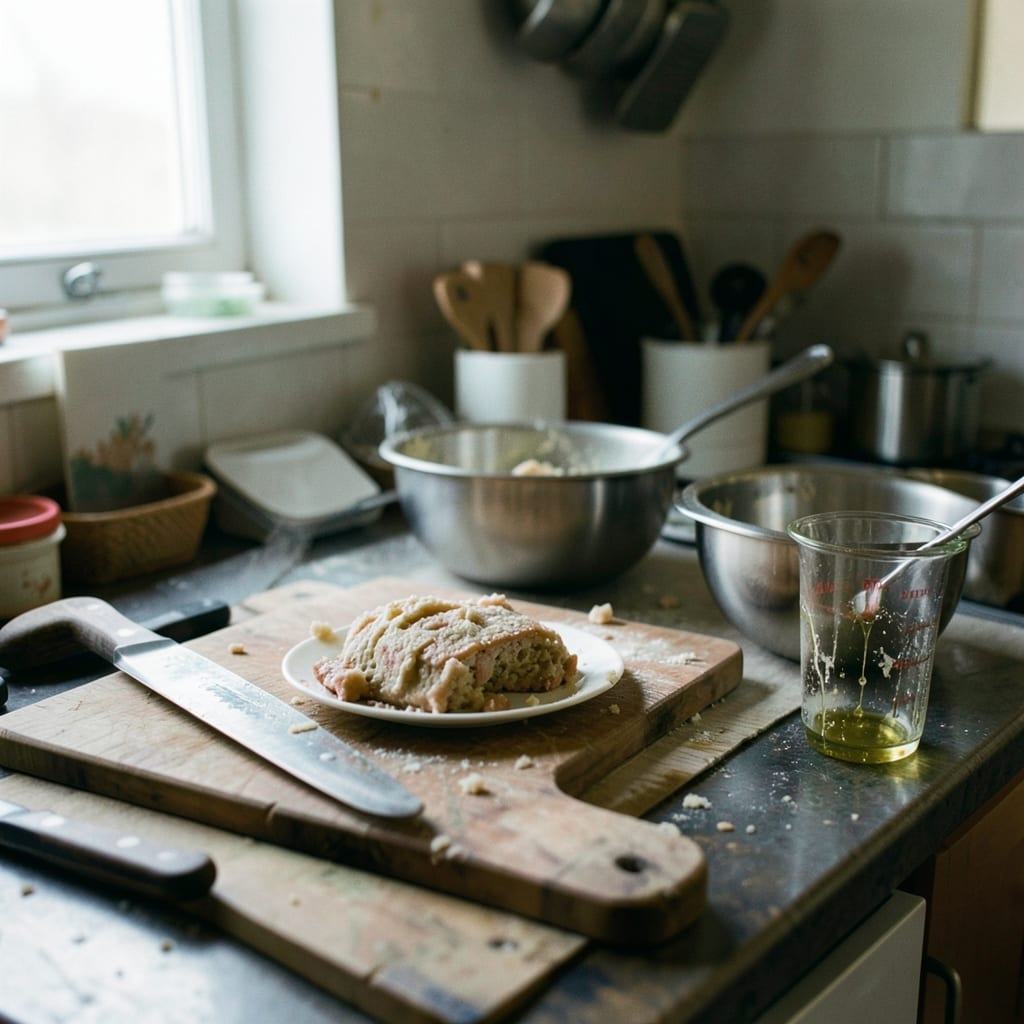
Here, every recipe starts with the question *what works in a real kitchen*, not a food-styling studio. The steps are tested until they’re foolproof, the notes explain the why, and the failures are included—because even the best cooks burn a pot now and then.
If you’re here, you’re not looking for a food blog. You’re looking for a kitchen companion.
Who writes this site

Angelo Trujillo writes this site.
Do you test recipes with real people?
Yes. Every recipe is cooked by someone who isn’t me—usually a friend who doesn’t care about food but will tell me if it’s edible. If they hesitate, I rewrite it.
What’s the worst thing you’ve gotten wrong?
A black bean burger that crumbled into dust. The binding was wrong, the seasoning was off, and I ate three bites before throwing it out. That’s why every recipe now includes a ‘don’t do this’ note.
Why aren’t there more recipes for something?
Because I haven’t found a way to make it work yet. If you have a suggestion—or a better method—I’ll try it. But I won’t publish something just because it’s popular.
The first time I made lentil soup, I burned the bottom of the pot. My grandmother laughed and said, ‘Now it tastes like home.’ I still burn things. But I don’t stop.
How a recipe is built
A recipe here starts with a question: *What’s the one thing that makes this dish fail?* For beans, it’s often soaking time, acid balance, or heat control.
The answer isn’t always in the instructions—sometimes it’s in the silence between steps, like letting a pot sit off the heat for five minutes. Every recipe is a conversation, not a rulebook.
The first draft
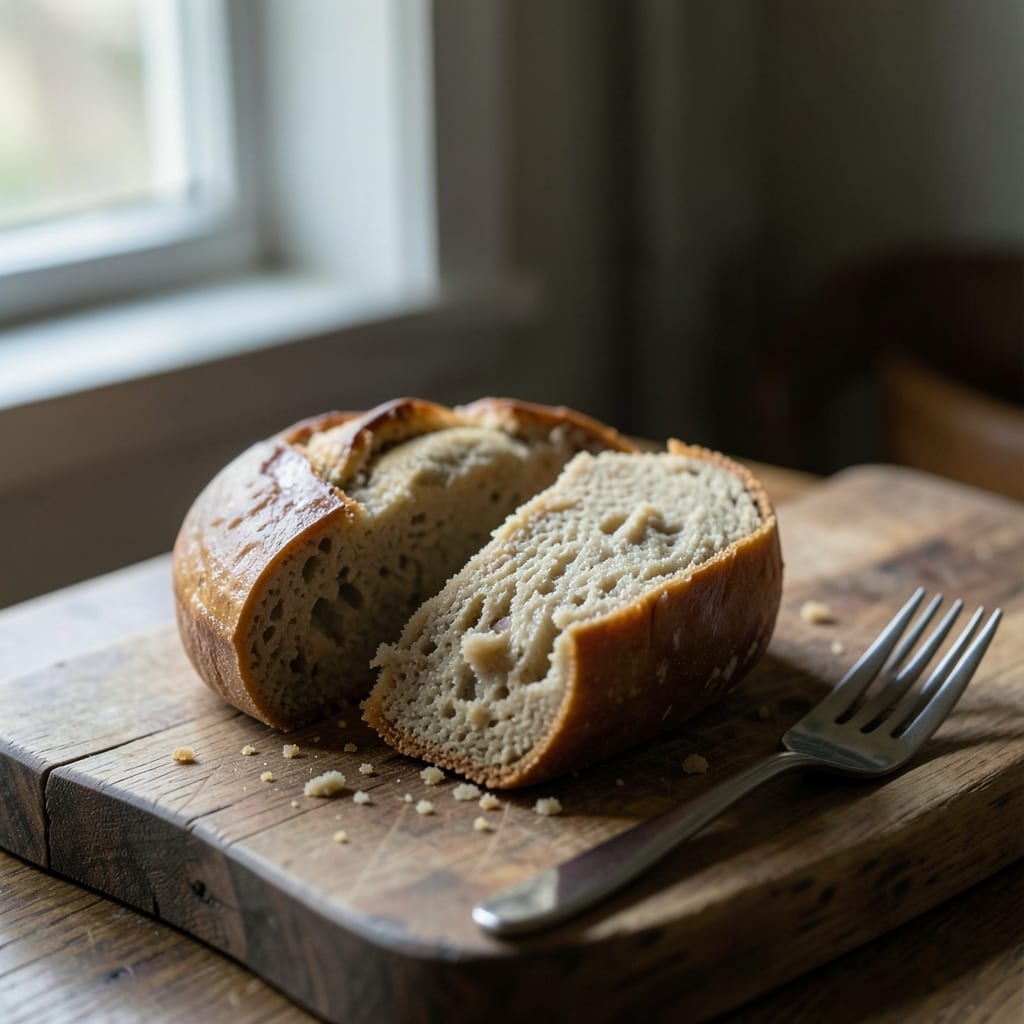
The first version is always messy. I cook it once, taste it, and write down what’s missing. If the texture is wrong, I adjust the liquid. If the flavor is flat, I add acid or salt.
No recipe is published until it’s eaten by someone who doesn’t know me—and they don’t lie.
The fixes
The second cook is where the real work happens. If the beans are mushy, I reduce the soak time. If the sauce is bland, I add a splash of vinegar. I don’t care about perfection—I care about *working*. If a step feels unnecessary, it’s cut.
If a trick feels like cheating, it’s explained.
What we will not do
This site won’t pretend every recipe is foolproof. It won’t hide the steps that matter most. And it won’t treat cooking like a performance.
Things you will never find here
- Recipes that assume you own a pressure cooker (unless it’s worth it).
- Photos of food that looks better than it tastes.
- Steps that skip the ‘why’—like ‘simmer until done’ without a timer.
- Dishes that require more than 10 ingredients (unless they’re worth it).
Where to start
If you’re new, start with the *Beginner’s Guide to Beans*—it’s the only section that explains the basics without assuming you know them. If you’re looking for something specific, search by ingredient or cooking method. If you can’t find what you need, the *Contact* page is where to ask.
Say hello
I like hearing about the dishes you’ve made—or the ones you’ve burned. If you’ve tried a recipe and want to share how it went, or if you’ve got a method that works better, the *Contact* page is where to tell me.
The recipes are grouped by category: Appetizers, Beverages, Breakfast & Brunch, Desserts, Main Courses and Salads.