
Sauces & Condiments
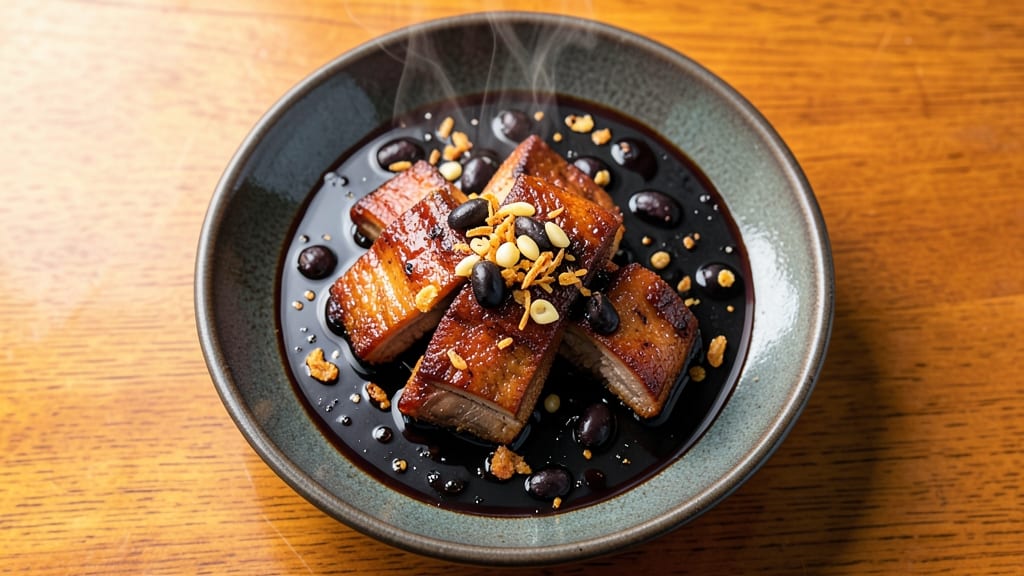
Mastering Chinese spare ribs with black bean sauce transforms tough cuts into tender, smoky-sweet masterpieces that caramelize right on the bone. This recipe combines traditional braising techniques with a rich, deep sauce that balances fermented black beans, soy, and aromatic spices—creating a glaze so flavorful it clings to every rib.
After years of perfecting the balance between slow cooking and sauce reduction, I’ve developed a method that delivers restaurant-quality results in your home kitchen.
The secret lies in the sauce: black beans provide umami depth, while soy and brown sugar create that signature caramelized glaze. We start with a 30-minute marinade to tenderize the meat, then slow-braise the ribs for 2 hours until they’re fork-tender.
The sauce reduces on the stovetop, intensifying its flavors while developing a glossy sheen that coats each rib perfectly. This isn’t just a dish—it’s a technique that turns simple ingredients into something extraordinary.
What you’ll end up with is ribs that are fall-off-the-bone tender, with a glossy, caramelized glaze that’s both sweet and savory. The black bean sauce adds complexity, while the slow cooking ensures every bite is juicy and infused with smoky depth.
Serve with steamed rice or crusty bread to soak up every last drop of that rich, sticky sauce. The aroma alone will have everyone gathering at the table.
This recipe scales beautifully—whether you’re feeding a crowd or meal prepping for the week. The sauce keeps well in the fridge, so you can make extra for dipping or drizzling over other dishes. Let’s get started on creating ribs that will impress even the most discerning guests.
Ingredients for chinese spare ribs black bean sauce
The ribs, black beans, and soy create a smoky-sweet symphony that caramelizes perfectly on the bone.
| Ingredient | Amount | Notes |
|---|---|---|
| Chinese Spare Ribs 🍖 | 3 lb | Bone-in, cut into 2-inch pieces |
| Fermented Black Beans 🌱 | ½ cup | Drained and rinsed well |
| Light Soy Sauce 🥄 | ½ cup | Kikkoman preferred |
| Dark Soy Sauce 🥄 | 2 tbsp | For deep color |
| Brown Sugar 🍯 | ½ cup | Packed, light or dark |
| Garlic Cloves 🧄 | 6 cloves | Minced, fresh preferred |
| Fresh Ginger 🌿 | 2 tbsp | Grated, peeled |
| Green Onions 🧅 | 4 whole | White and green parts |
| Sesame Oil 🫒 | 1 tbsp | Toasted, for aroma |
| Star Anise 🌟 | 2 whole | Lightly crushed |
| Cinnamon Stick 🌿 | 1 piece | For warmth |
| Water 💧 | 1 ½ cups | For braising liquid |
| Cornstarch 🌾 | 1 tbsp | For thickening glaze |
| Sesame Seeds 🌱 | 1 tbsp | Toasted, for garnish |
The ribs are the star—bone-in spare ribs from the butcher section give you that authentic texture. Look for cuts with good marbling, not too lean. Costco or local Asian markets usually carry the best quality, but any grocery store’s meat department will have them. If you can’t find spare ribs, baby back ribs work in a pinch (just trim excess fat). The fermented black beans? Asian grocery stores have them in jars—if you can’t find them, sub 1/4 cup black beans soaked overnight, but the fermented kind adds that unmistakable umami punch. And don’t skip the star anise or cinnamon—they’re what give the sauce its depth.
No fermented black beans? Substitute 1/4 cup black beans soaked overnight, but the flavor won’t be as complex. Running low on dark soy sauce? Add an extra tablespoon of molasses for color. The brown sugar can be swapped for white sugar plus 1/2 teaspoon molasses if that’s what you’ve got. Fresh ginger and garlic are non-negotiable here—they’re the backbone of the flavor. If you’re short on time, jarred minced garlic and ginger work, but fresh is always better. For the glaze, cornstarch is key—it gives that signature glossy finish. No cornstarch? Mix 1/2 tablespoon flour with 1/2 tablespoon water as a substitute.
The ribs keep best in the fridge for 3-4 days if you’re not eating them all at once—just reheat in the oven at 300°F until warmed through. The sauce? It actually gets better the next day as the flavors meld. Store it in an airtight container in the fridge for up to 5 days, or freeze for 3 months. I like to make extra sauce—it’s perfect for dipping or drizzling over noodles. And if you’ve got leftovers? Chop the ribs and toss them into fried rice—trust me, it’s amazing.
Why You'll Love This Recipe
- One-Pot Magic: I swear by this recipe when I’m too tired to wash a million dishes. The ribs and fermented black beans simmer right in the sauce—no extra pans, no fuss. Just toss everything in, let it bubble, and boom, you’ve got a sticky, saucy mess that’s actually delicious.
- Sweet-Savory Bomb: That combo of dark soy for depth, light soy for brightness, and brown sugar caramelizing on the ribs? It’s like a flavor explosion in your mouth. The fermented black beans add this funky, umami punch that makes every bite worth lingering over.
- Meal Prep MVP: Honestly, I make a double batch on Sundays because these ribs reheat like a dream. The sauce clings to the meat, so they stay juicy even after three days in the fridge. Perfect for lazy nights or when you’ve got a houseful of people to feed.
- Budget Feast: Between us, this recipe stretches my grocery budget without sacrificing taste. Pork ribs are cheaper than chicken, and fermented black beans add that restaurant-quality depth for pennies. It’s the kind of dish that makes me feel like I’m treating myself—without the guilt.
Step-by-step instructions for Chinese spare ribs with black bean sauce
Here's the method—simple but packed with flavor, where every ingredient plays a role.
Prep the Ribs and Aromatics
Start by cutting the 3 lb Chinese spare ribs into 2-inch pieces, keeping the bones intact for maximum flavor infusion. Pat them dry with paper towels—this ensures a better sear and prevents steaming. In a small bowl, combine the 0.5 cup fermented black beans, 6 cloves minced garlic cloves, and 2 tbsp grated fresh ginger. Mash the black beans lightly with a fork until they break down into a chunky paste—this releases their deep umami flavor.
Real talk: Don't skip the mashing. Whole beans won't dissolve properly into the sauce, leaving you with a watery glaze instead of a rich, caramelized coating. The garlic and ginger should be finely minced—you want them to disappear into the sauce, not remain as distinct pieces.
Sear the Ribs and Build the Sauce Base
Heat a large Dutch oven over medium-high heat and add the ribs in a single layer, working in batches if needed. Sear for 3-4 minutes per side until they develop a deep golden-brown crust—this is where all the smoky-sweet magic begins. Remove the ribs and set them aside on a plate.
In the same pot, add 1 tbsp sesame oil and let it shimmer for 30 seconds. Add the lightly crushed star anise and cinnamon stick, then pour in the 0.5 cup light soy sauce, 2 tbsp dark soy sauce, and 0.5 cup packed brown sugar. Stir to combine, scraping up any browned bits from the bottom—those are pure flavor. Pour in the 1.5 cups water and bring to a gentle simmer.
Braise Until Tender and Glossy
Return the ribs to the pot, bone-side down, and add the mashed black bean mixture. Stir gently to coat the ribs evenly. Cover with a tight-fitting lid and reduce heat to low. Let it braise for 1.5 hours, turning the ribs occasionally, until they're fork-tender and the sauce thickens to a glossy consistency.
Here's the thing—patience is key. The ribs should pull apart easily when probed with a fork, and the sauce should coat the back of a spoon. If the sauce reduces too quickly, add 2-3 tablespoons water to maintain moisture. The star anise and cinnamon will infuse the liquid with warmth, so don't remove them until the very end.
Thicken the Glaze and Finish
Once the ribs are tender, remove them from the pot and set them aside. In a small bowl, whisk together the 1 tbsp cornstarch with 2 tablespoons water until smooth. Slowly pour this mixture into the braising liquid, stirring constantly over medium heat until it thickens to a glossy, syrupy consistency—this should take about 2-3 minutes. The glaze should coat the ribs beautifully when they're returned to the pot.
Return the ribs to the pot and coat them thoroughly with the thickened sauce. Taste and adjust seasoning if needed—you might need a touch more light soy sauce for saltiness or brown sugar for sweetness. The sauce should be balanced, with a deep umami richness from the black beans and a touch of smokiness from the spices.
Garnish and Serve
Transfer the ribs to a serving platter and drizzle generously with the remaining sauce. Garnish with the 4 whole green onions, sliced into ½-inch pieces, and sprinkle with 1 tbsp toasted sesame seeds. The green onions add a fresh contrast to the rich, smoky-sweet ribs, while the sesame seeds add a nutty crunch.
Serve immediately with steamed jasmine rice or crusty bread to soak up that luscious glaze. The ribs should be tender enough to fall apart with a gentle tug, with a glossy, caramelized coating that clings to every bone. If you have leftovers, store them in the fridge for up to 3 days—they taste even better the next day as the flavors deepen.
Pro Tips For Making Chinese Spare Ribs Black Bean Sauce
- Blister the Ribs First: Hit the ribs with a blowtorch or high heat under the broiler for 30 seconds per side before braising. I learned this the hard way—skipping it means the sauce clings like glue instead of caramelizing into a sticky, glossy crust. (Yes, even if you're impatient like me.)
- Mash the Black Beans: Crush 80% of the fermented black beans with the flat side of your knife before adding them to the pot. This releases their umami punch without turning the sauce into a mushy mess. My grandmother swore by this, and she was right: the texture stays intact, but the flavor explodes.
- Darken the Soy First: Sauté dark soy sauce alone in the pan for 2 minutes until it turns deep mahogany before adding anything else. I was skeptical until I tried it—this step prevents the sauce from looking muddy and guarantees that rich, molasses-like depth in every bite.
- Deglaze with Rice Vinegar: After browning the ribs, splash in 1 tablespoon of rice vinegar before adding the soy and sugar. It cuts through the richness and brightens the sauce faster than scraping the pan clean. (Your future self will thank you for skipping the extra scrubbing.)
Regional styles of chinese spare ribs black bean sauce
Cantonese Braising Style
The Cantonese approach focuses on a slow-braised technique where ribs are simmered in a deep, glossy sauce until they’re fork-tender.
Here, the black bean sauce is the star—fermented black beans are simmered with light soy sauce, brown sugar, and star anise for 2-3 hours until the sauce becomes thick and sticky.
I’ve found that using dark soy sauce (just 2 tbsp) adds that signature deep color without overpowering the dish. The ribs are often served with steamed rice and a side of quick-pickled cucumbers to cut through the richness. 🍚
Sichuan Spicy Twist
In Sichuan cuisine, the black bean sauce gets a spicy kick with the addition of 1 tbsp chili bean paste or 1 tbsp doubanjiang.
The ribs are first blanched in boiling water for 2 minutes to remove impurities, then braised with Sichuan peppercorns and dried chili peppers for a numbing-spicy finish. The sauce is reduced until it’s shiny and clings to the ribs, creating a balance of heat, umami, and sweetness.
Serve with steamed buns or stir-fried greens to balance the bold flavors. 🌶️
Hong Kong Street Food
Hong Kong-style spare ribs are all about bold, smoky flavors and a quick cooking time. The ribs are parboiled, then charred over high heat in a wok with a black bean sauce that includes hoisin sauce and Chinese five-spice powder.
The sauce is thickened with cornstarch for a glossy, sticky finish, and the ribs are often dusted with sesame seeds before serving. This version is perfect for street food stalls or weeknight meals—it’s fast but packed with depth. 🏙️
Taiwanese Sweet-Savory
Taiwanese chefs take the black bean sauce in a sweeter direction, often adding rock sugar or honey to the sauce for a caramelized glaze. The ribs are marinated in a mix of soy sauce, ginger, and garlic before braising, and the sauce is reduced until it’s syrupy.
A signature touch? A splash of Shaoxing wine in the braising liquid adds a bright, aromatic note. Serve with miso soup or pickled vegetables to complement the sweet-savory profile. 🍯
Modern Fusion Adaptations
For a fusion twist, I’ve experimented with adding 1 tbsp of bourbon or 1 tsp of smoked paprika to the black bean sauce for a smoky depth. The ribs can also be grilled instead of braised, then finished with the sauce for a charred, sticky exterior.
Another fun variation? Stuff the ribs with a mix of black beans, garlic, and scallions before braising for an extra umami punch. These adaptations keep the dish exciting while staying true to the black bean sauce’s roots. 🔥
Nutrition facts
Frequently asked questions
Can I use regular black beans instead of fermented black beans?
Fermented black beans are ideal for their deep umami flavor, but you can substitute with 1/4 cup regular black beans soaked overnight. The texture will be slightly different—soaked beans won't dissolve as much into the sauce—but the dish will still be delicious. For extra depth, add 1/2 teaspoon soy sauce to the soaking water. The fermented kind adds that signature complexity, though!
How do I know when the ribs are tender enough?
Ribs are ready when they pull apart easily with a fork and the meat slides off the bone with minimal resistance. The sauce should also thicken to a glossy consistency that coats the back of a spoon. If testing with a fork seems too messy, use tongs to gently lift a piece—if it falls apart, they're done!
Can I make this recipe in a slow cooker?
Brown the ribs first in a skillet for that deep flavor, then transfer everything (including the mashed black bean mixture) to your slow cooker. Cook on low for 6-7 hours or high for 3-4 hours, adding water if needed to keep the ribs moist. The sauce will thicken naturally during cooking—no need for cornstarch. Just thicken it separately on the stovetop before serving.
What's the best way to reheat leftover ribs?
Reheat ribs in the oven at 300°F for 15-20 minutes, covered with foil, until warmed through. This keeps them tender and prevents drying. For extra flavor, drizzle with a little extra sauce and broil for 2-3 minutes to caramelize the glaze again. Microwaving works in a pinch, but it can make the sauce watery. Leftovers keep well for 3-4 days in the fridge.
Why does my sauce turn out too thin?
Sauce thinning usually happens from overcooking or insufficient thickening. If using the stovetop method, reduce heat to medium-low and simmer uncovered to evaporate excess liquid. For the cornstarch slurry, make sure it's fully dissolved in 2 tbsp water and whisked vigorously before adding. If the sauce is still too thin, mix 1 tsp cornstarch with 1 tbsp water and stir in while hot. Patience is key—rushing reduces the sauce too quickly!