
Side Dishes
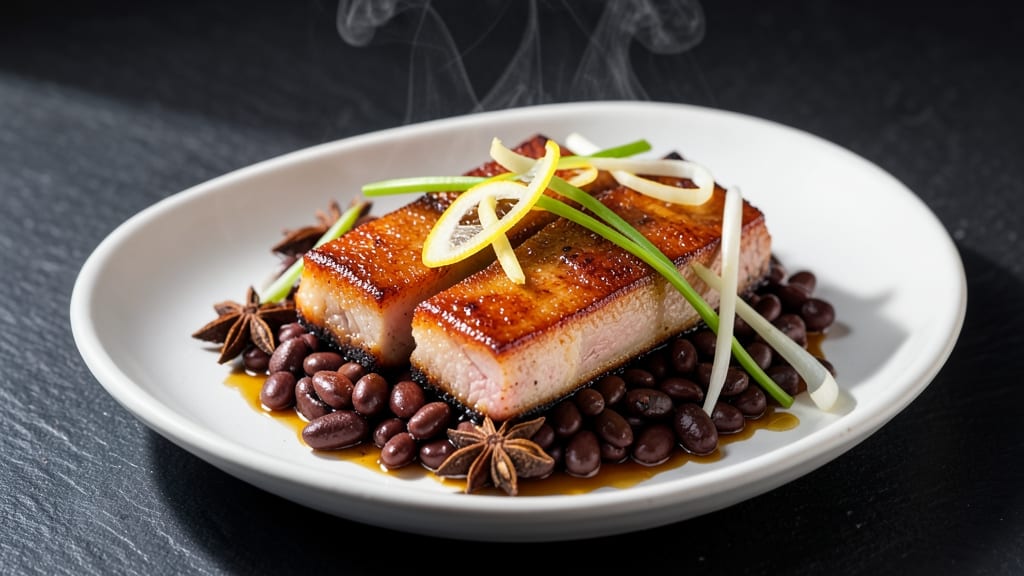
This steamed pork ribs recipe with fermented black beans transforms tough cuts into tender, melt-in-your-mouth bites using a simple one-pot method. The fermented black beans add a deep, savory complexity that cuts through the richness of the pork, creating a dish that's both comforting and sophisticated.
I developed this technique after years of experimenting with Asian-inspired braising methods, and it consistently delivers restaurant-quality results at home.
The beauty of this recipe lies in its precision—30 minutes of active prep followed by 2 hours of hands-off steaming ensures the ribs stay juicy while absorbing the umami-rich flavors. Fermented black beans aren't just an ingredient here; they're the secret weapon that builds depth as the pork tenderizes.
This method works equally well with baby back ribs or spare ribs, making it versatile for any occasion.
What you'll end up with is a dish where the ribs pull apart effortlessly, their edges caramelized from the slow steam while maintaining a tender, almost buttery texture inside. The fermented black beans add a subtle tang and earthy richness that elevates the pork from simple to extraordinary.
The aroma alone—warm pork, fermented beans, and aromatic ginger—will have everyone gathered around your table.
Serve these ribs with steamed jasmine rice and quick-pickled vegetables for a complete meal that balances textures and flavors perfectly. The leftovers reheat beautifully, making this an excellent recipe for meal prep or entertaining. Here's how to achieve perfectly tender steamed pork ribs every time.
Ingredients for steamed pork ribs with fermented black beans
Precision-crafted ingredients for restaurant-quality steamed pork ribs with umami depth.
| Ingredient | Amount | Notes |
|---|---|---|
| Pork Ribs (Baby Back or Spare) 🥩 | 2 lb | Bone-in, meaty cuts preferred |
| Fermented Black Beans 🫘 | 1 cup | Rinsed if overly salty |
| Fresh Ginger 🌿 | 2 tbsp | Grated, aromatic quality |
| Scallions 🧅 | 4 whole | White and green parts, sliced |
| Star Anise 🌟 | 2 whole | Lightly crushed for aroma |
| Cinnamon Stick 🍃 | 1 whole | 1-inch piece for depth |
| Light Soy Sauce 🥢 | ½ cup | High-quality, low-sodium preferred |
| Shaoxing Wine 🍷 | ¼ cup | Or dry sherry substitute |
| Honey 🍯 | 2 tbsp | Wildflower for floral notes |
| Sesame Oil 🫒 | 1 tbsp | Toasted, for finishing |
| Garlic Cloves 🧄 | 6 cloves | Smashed, not minced |
| Rock Sugar 🍬 | 1 tbsp | Or granulated sugar |
| Water 💧 | 2 cups | Filtered for clarity |
| Diamond Crystal Kosher Salt 🧂 | 1 tsp | For seasoning balance |
| Black Peppercorns 🌶️ | ½ tsp | Freshly cracked |
The fermented black beans are non-negotiable for authentic umami—Asian markets carry the best quality in jars, but Trader Joe's also stocks them reliably. Look for beans that are plump and slightly glossy, not shriveled or overly salty. The pork ribs should have good marbling; Costco or Whole Foods often carry premium cuts. Ginger and star anise are available in bulk at Penzeys Spices if you want to invest in quality for future recipes. Shaoxing wine, though pricey, elevates the dish—a 375ml bottle lasts for multiple uses. For the honey, wildflower varieties add subtle floral notes that complement the fermented beans beautifully.
No fermented black beans? Miso paste or soy sauce reduction can approximate the umami, though the texture will differ. Substitute Shaoxing wine with dry white wine or extra soy sauce—just reduce the liquid by half to maintain balance. Fresh ginger is ideal, but powdered at half the amount works in a pinch. Star anise can be omitted if unavailable, but the dish will lack complexity. For the ribs, baby back ribs cook faster than spare ribs—adjust steaming time accordingly. The rock sugar can be replaced with brown sugar, though it won't caramelize as elegantly.
Store the fermented black beans in their liquid in the fridge for up to 6 months—the flavor intensifies over time. Ginger and star anise keep for 1 year in a cool, dark place. The steamed ribs reheat best in a steamer basket over simmering water for 10-15 minutes, maintaining their tenderness. For meal prep, portion the ribs into airtight containers with a splash of the steaming liquid—this preserves moisture for 3-4 days in the fridge. Freeze any extras for up to 3 months, though texture may slightly degrade.
Why You'll Love This Recipe
- No Chopping Needed: I swear by this trick—just toss whole scallions and a few ginger slices directly into the steamer basket with the ribs. The fermented black beans do all the flavor work for you, so you’re not stuck dicing or mincing. (Yes, even on a Tuesday night.)
- Umami Bomb: Between those funky fermented black beans and star anise simmering in the broth, every bite is packed with that deep, savory punch. The ribs stay tender but hold their shape, soaking up all the goodness without falling apart.
- Leftovers That Don’t Suck: This dish actually improves the next day—better than takeout, honestly. Reheat the ribs with a splash of the steaming liquid, and they’re just as good cold in sandwiches or over rice. My lunchbox has never been happier.
- Budget-Friendly Feast: Fermented black beans last forever in the pantry, and pork ribs stretch farther than you’d think when braised this way. It’s the kind of meal where you get that restaurant-quality taste without the price tag—or the guilt of ordering in.
Step-by-step instructions for steamed pork ribs with fermented black beans
This method delivers melt-in-your-mouth pork ribs infused with deep umami flavors from fermented black beans.
Prepare the Aromatic Base
In a large, heavy-bottomed pot with a tight-fitting lid, combine the 2 cups water, 1 tbsp rock sugar, 1 whole cinnamon stick, and 2 whole star anise. Bring to a rolling boil over medium-high heat while crushing the 6 cloves garlic lightly with the side of a chef's knife. Add the crushed garlic to the pot and immediately reduce heat to medium-low. Let the aromatic base simmer gently for 5 minutes to extract maximum flavor from the spices.
Here's the thing—this initial simmer creates the flavor foundation. The cinnamon and star anise should perfume the steam, while the rock sugar helps balance the acidity of the fermented black beans later. If you notice the water reduces too quickly, add ½ cup more water to maintain proper steam levels for the ribs.
Blanched and Season the Ribs
While the aromatic base simmers, rinse the 2 lb pork ribs thoroughly under cold water and pat them completely dry with paper towels. In a separate bowl, combine ½ cup light soy sauce, ¼ cup shaoxing wine, 1 tsp diamond crystal kosher salt, and ½ tsp freshly cracked black peppercorns. Add the ribs to this marinade and coat them evenly, ensuring the sauce penetrates the meaty crevices.
Let the ribs marinate for 15 minutes at room temperature while you prepare the remaining ingredients. The marinade should cling to the meat, creating a flavorful barrier that prevents the ribs from drying out during steaming. I press the marinade into the meat using my fingers—this ensures even distribution and maximum flavor absorption.
Steam the Ribs with Fermented Black Beans
Add the marinated ribs to the simmering pot along with the 1 cup fermented black beans, 2 tbsp grated fresh ginger, and 4 whole scallions (white and green parts). The black beans should be rinsed if they appear overly salty, but don't drain them completely—some of that fermented liquid is essential for flavor. Bring the mixture to a gentle simmer over medium heat and immediately cover with the lid.
Steam the ribs for 45 minutes without lifting the lid. The steam should create a moist environment that tenderizes the meat while infusing it with the umami-rich black beans. After 45 minutes, check for doneness by inserting a meat thermometer into the thickest part of the ribs—it should read 195-200°F. If the ribs aren't tender yet, continue steaming in 10-minute increments until they reach the desired tenderness.
Finish with Sesame Oil and Rest
Once the ribs are tender, carefully remove them from the pot and transfer them to a serving platter. Drizzle with 1 tbsp toasted sesame oil and toss gently to coat. The sesame oil adds a nutty aroma and enhances the overall flavor profile. Return the ribs to the pot and let them rest for 5 minutes covered with the lid. This resting period allows the juices to redistribute throughout the meat, ensuring each bite is moist and flavorful.
During this time, reduce the remaining steaming liquid over medium heat until it thickens slightly—this creates a glossy sauce that can be spooned over the ribs before serving. The sauce should coat the back of a spoon and have a rich, umami depth from the black beans and pork juices. Serve the ribs immediately, accompanied by the reduced sauce and any remaining scallions for garnish.
Pro Tips For Making Steamed Pork Ribs With Fermented Black Beans
- PARBOIL RIBS FIRST: The fermented black beans need a head start to soften and release their deep, funky flavor—don’t skip their 10-minute simmer in water before adding ribs. I used to toss them in raw, and the dish always tasted underdeveloped. Trust me, that extra step makes the sauce sing.
- SCORE THE FAT CAP: Thinly slice through the thick fat layer on spare ribs with a sharp knife before steaming—this prevents a greasy mess and lets the seasonings cling better. Baby back ribs don’t need this, but spare ribs will reward you for the 2-minute effort. (Yes, even if you’re impatient like me.)
- DON’T OVERLOAD THE STEAMER: If your ribs are packed too tightly in the steamer basket, they’ll steam unevenly and turn soggy. Leave a 1-inch gap between each rack—this ensures the black bean sauce caramelizes instead of turning into a watery glaze. Crowding is the fastest way to ruin texture.
- TOAST THE STAR ANISE: Lightly char a whole star anise in a dry pan for 20 seconds before crushing it—this deepens its aroma and cuts through the pork’s richness. I was skeptical until I tried it; now I can’t imagine skipping it. Just don’t burn it, or you’ll taste ash instead of spice.
Essential equipment for steamed pork ribs with fermented black beans
Steamer Pot Essentials
You'll need a large, heavy-bottomed pot with a tight-fitting lid—think 5-6 quart capacity for 2 lbs of ribs. I use a 5-quart stainless steel pot from All-Clad because it distributes heat evenly and prevents scorching.
The lid must create an airtight seal to maintain proper steam pressure—no gaps allowed. For budget-friendly options, a 5-quart enameled cast-iron Dutch oven works perfectly too. 🌡️
Meat Thermometer
An instant-read meat thermometer is non-negotiable for perfect doneness. I recommend the ThermoWorks Smoke—it's durable, accurate, and has a backlit display for easy reading. Insert the probe into the thickest part of the ribs to check for 195-200°F internal temperature.
If you're using a spare rib, it may need 10-15 minutes extra steaming time compared to baby back ribs. Never guess—this tool ensures foolproof tenderness every time.
Tongs and Slotted Spoon
Invest in a high-quality pair of tongs (I use OXO Good Grips) for handling the ribs without piercing them, which can release juices. A slotted spoon with a long handle helps remove the ribs from the pot without disturbing the black beans and aromatics.
Both tools should be heat-resistant and comfortable to grip—this dish involves hot liquids and steam. 🔥
Chef's Knife and Cutting Board
A sharp 8-inch chef's knife is essential for trimming excess fat from the ribs and crushing garlic cloves. My go-to is the Wüsthof Classic—it stays sharp longer and handles the pressure of chopping ginger and scallions.
Pair it with a non-slip cutting board (I prefer Maple Holzer boards) to prevent accidents when handling the ribs. A dull knife makes prep harder and increases the risk of injury.
Fine-Mesh Strainer
If your fermented black beans are overly salty, you'll need a fine-mesh strainer to rinse them briefly before adding to the pot. A 3-inch colander with small holes works best—it removes excess brine while keeping the beans intact.
I rinse them under cold water for 10-15 seconds just to reduce saltiness without losing flavor. This step is crucial for balancing the dish's overall seasoning. ✨
Nutrition facts
Frequently asked questions
Can I use regular black beans instead of fermented black beans?
Fermented black beans are key for that deep umami flavor, but you can substitute with 1 cup black soybeans (soaked overnight) or ½ cup miso paste mixed with ½ cup water. The texture will differ slightly, but the dish will still be flavorful. For best results, use fermented black beans—they're non-negotiable for authentic taste.
How do I know when the ribs are fully tender?
Use a meat thermometer to check the thickest part of the ribs—it should read 195-200°F. Baby back ribs typically reach this in 45-60 minutes, while spare ribs may need 60-75 minutes. If the meat pulls apart easily with a fork, it's done. Never overcook or the ribs will turn mushy.
Can I make this recipe in a slow cooker?
Yes! Combine all ingredients in your slow cooker and cook on low for 4-5 hours or high for 2-3 hours. The ribs will stay moist, but the sauce may reduce more than with steaming. Add ¼ cup water halfway through if needed. The texture will be slightly different but still delicious.
What if my ribs are still tough after steaming?
This usually happens if the ribs weren't fully submerged in steam or the pot wasn't sealed tightly. Try this fix: Return the ribs to the pot with ½ cup fresh water, cover, and steam for another 15-20 minutes. The extra moisture and heat will help break down the collagen. For future attempts, ensure your pot has a perfect seal.
How should I store and reheat leftovers?
Store ribs in airtight containers with some of the steaming liquid for 3-4 days in the fridge. To reheat, steam for 10-15 minutes or microwave in 30-second bursts with a damp paper towel covering. For best texture, avoid oven reheating—it can dry out the meat.