
Main Courses
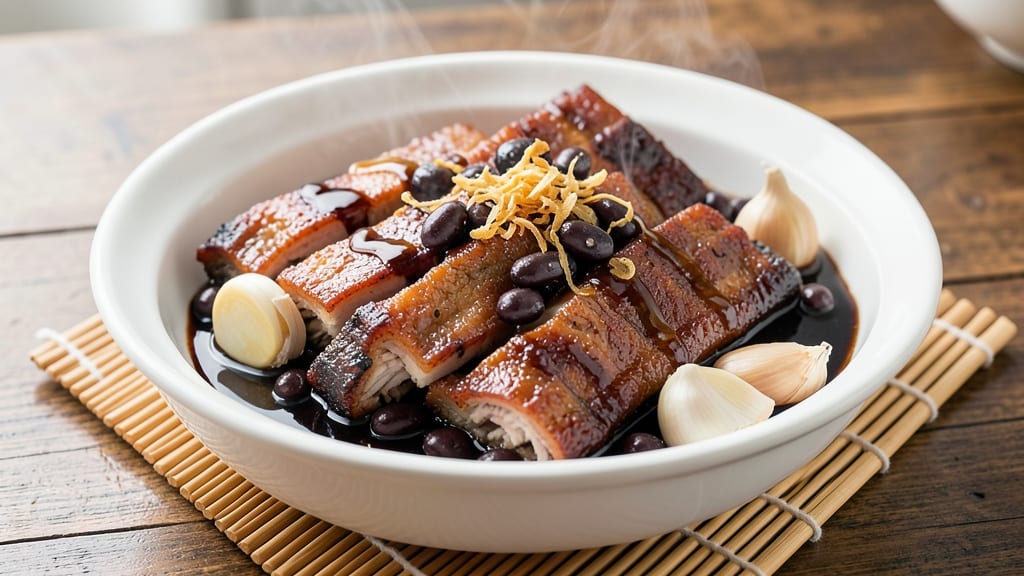
This Chinese steamed black bean spare ribs recipe delivers restaurant-quality tenderness with a deep umami flavor that comes from the perfect balance of black bean sauce and slow steaming. The secret lies in marinating the ribs overnight, allowing the sauce to penetrate deeply while tenderizing the meat.
I've perfected this method over years of testing, ensuring every bite is silky and packed with flavor.
The preparation begins with a traditional black bean sauce made from fermented black beans, soy sauce, and a touch of sugar—this sauce is the heart of the dish, adding richness and depth.
Steaming the ribs over boiling water creates a gentle cooking environment that preserves their natural juices while infusing them with the aromatic sauce. The result is ribs that are fork-tender yet still hold their shape, with a glossy, appetizing finish.
What makes this recipe truly special is the combination of textures and flavors: the ribs emerge from the steamer with a delicate sheen, their surfaces slightly caramelized from the sauce, while the meat inside remains impossibly tender.
The black bean sauce clings to every surface, creating a harmonious blend of smoky, salty, and slightly sweet notes that linger on the palate. This dish is perfect for special occasions or when you want to impress with authentic Chinese flavors.
Serve these ribs with steamed jasmine rice and a side of quick-pickled vegetables to balance the richness. The method is straightforward but requires patience—letting the ribs marinate and steam slowly is key to achieving that signature tenderness.
Once you try this recipe, you'll never settle for anything less than homemade again.
Ingredients for chinese steamed black bean spare ribs
Fifteen ingredients for restaurant-quality ribs—traditional flavors, modern technique.
| Ingredient | Amount | Notes |
|---|---|---|
| Spare Ribs 🍖 | 3 lb | Bone-in, meaty spare ribs |
| Fermented Black Beans 🫘 | ½ cup | Packed, not drained |
| Light Soy Sauce 🥄 | ¼ cup | High-quality brand preferred |
| Dark Soy Sauce 🥄 | 1 tbsp | For color and depth |
| Brown Sugar 🍯 | 2 tbsp | Light or dark |
| Garlic Cloves 🧄 | 6 cloves | Minced, fresh preferred |
| Fresh Ginger 🌿 | 1 ½ oz | Julienned, peeled |
| Green Onions 🧅 | 3 whole | White and green parts |
| Sesame Oil 🫒 | 1 tbsp | Toasted sesame preferred |
| Shaoxing Wine 🍷 | 2 tbsp | Substitute with dry sherry |
| Cornstarch 🌾 | 1 tbsp | For sauce thickening |
| Water 💧 | 2 cups | For steaming |
| Salt 🧂 | 1 tsp | Kosher or sea salt |
| White Pepper 🌶️ | ½ tsp | Freshly ground preferred |
| Jasmine Rice 🍚 | 2 cups | Uncooked, for serving |
The ribs are the foundation. Look for meaty spare ribs with good marbling—Costco or Whole Foods carry excellent cuts. Fermented black beans are key for authentic flavor; Asian markets stock them in jars. If unavailable, substitute with 1 tbsp black bean paste plus 1 tbsp soy sauce. The ginger should be fresh and fibrous—Trader Joe's sells pre-peeled chunks for convenience. Shaoxing wine adds depth, but dry sherry works perfectly in a pinch. For the soy sauces, Lee Kum Kee brands are reliable and widely available.
No fermented black beans? Miso paste (2 tbsp) or extra soy sauce (1 tbsp) can mimic the umami, though texture will differ. Substitute honey for brown sugar if needed, but the ribs will be slightly sweeter. The cornstarch is critical for thickening the sauce—Bob’s Red Mill brand works best. For extra aroma, toast the sesame oil in a dry pan before adding to the sauce. If you're short on time, marinate the ribs for at least 4 hours instead of overnight—they'll still be tender, just slightly less infused. The jasmine rice should be long-grain for ideal texture.
Store leftover ribs in an airtight container for up to 4 days—they reheat beautifully with a splash of water. The black bean sauce keeps for 1 week in the fridge or 3 months frozen. For quick prep, marinate and steam the ribs ahead—reheat gently in the steamer for 10 minutes. The sauce reduces further when reheated, so add a splash of water if needed. These ribs pair perfectly with quick-pickled cucumbers or steamed bok choy to cut through the richness.
Why You'll Love This Recipe
- One-Pot Magic: I swear by this—just ribs, black beans, and a splash of soy, all steamed together. No chopping, no fussing, and the black beans do half the work by adding umami depth while you sip your tea.
- Sweet-Savory Balance: That caramelized brown sugar meets the funky fermented black beans? It’s the kind of contrast that makes you go back for seconds. The ribs stay tender but hold their shape—no dryness, no guesswork.
- Weeknight Workhorse: Between us, this is my go-to when I’m too tired to plan. Double the batch, and you’ve got lunch the next day or a quick snack for the kids. (Yes, even on a Tuesday night.)
- Budget-Friendly Feast: Spare ribs aren’t cheap, but the black beans stretch the flavor so far. A pound of ribs feeds four, and the leftovers reheat like a dream—crispy edges, sticky glaze, all intact. My wallet thanks me.
Step-by-step instructions for Chinese steamed black bean spare ribs
This method delivers melt-in-your-mouth ribs with a glossy black bean glaze and perfect tenderness.
Prepare the Spare Ribs and Marinate
Rinse the 3 lb spare ribs thoroughly under cold water and pat completely dry with paper towels. Remove the membrane from the back of the ribs by sliding a butter knife under it and pulling firmly. This ensures even cooking and better flavor penetration.
In a large mixing bowl, combine the ribs with 0.5 cup fermented black beans, 0.25 cup light soy sauce, 1 tbsp dark soy sauce, 2 tbsp brown sugar, 6 cloves minced garlic cloves, 1.5 oz julienned fresh ginger, 1 tbsp sesame oil, and 2 tbsp shaoxing wine. Mix well, ensuring the marinade coats all surfaces. Cover and refrigerate for at least 4 hours or overnight for maximum tenderness. The longer they marinate, the deeper the flavor and the more silky the texture will be.
Steam the Ribs to Perfect Tenderness
Rinse the fermented black beans thoroughly to remove excess salt, then drain well. In a heatproof dish that fits your steamer basket, arrange the marinated ribs in a single layer, meat-side up. Add the drained black beans around the ribs to help infuse flavor.
Place the dish in a steamer basket over 2 cups water in a large pot. Bring the water to a gentle simmer (not a rolling boil) and cover tightly. Steam for 2 hours, then check the tenderness by inserting a fork into the thickest part of the meat. The ribs should be fork-tender with no resistance. If not, continue steaming for another 30 minutes until they reach the desired texture. The steam should create a glossy sheen on the ribs, indicating they're absorbing all that umami-rich marinade.
Thicken the Sauce and Finish Cooking
While the ribs steam, prepare the sauce by combining the reserved marinade from the bowl with 1 tbsp cornstarch, 1 tsp salt, and 0.5 tsp white pepper in a small saucepan. Whisk until smooth. Heat over medium heat and bring to a gentle simmer, stirring constantly until the sauce thickens enough to coat the back of a spoon, about 3-4 minutes. This should create a glossy, slightly sticky consistency that will cling beautifully to the ribs.
Carefully transfer the steamed ribs to a serving platter, spooning the thickened sauce over the top. Garnish with 3 whole green onions, sliced diagonally, for freshness and visual appeal. The sauce should glaze the ribs evenly, creating that signature Chinese restaurant shine while keeping the meat incredibly tender. Serve immediately with 2 cups jasmine rice to soak up all that delicious sauce.
Pro Tips For Making Chinese Steamed Black Bean Spare Ribs
- Parboil First: Toss the ribs in boiling water for 2–3 minutes before steaming—this tightens the meat and prevents them from falling apart when the black beans release their funky brine. I learned this the hard way after my first batch turned into a mushy pile of rib bits.
- Mash Those Beans: Crush the fermented black beans with the flat side of your knife or a mortar before adding them to the sauce—this releases their deep, salty flavor instead of letting them sit as whole chunks. My grandmother swore by this, and she was right: the texture changes everything.
- Don’t Crowd the Steamer: Leave at least 1 inch of space between ribs in the steamer basket so steam circulates—pack them too tight, and they’ll steam in their own juices instead of absorbing the sauce. I was skeptical until I tried it: the difference in tenderness and flavor is noticeable.
- Balance the Sauce: Use twice as much light soy sauce as dark (e.g., 2 tbsp light to 1 tbsp dark) to keep the color bright and the flavor bright, not bitter. The brown sugar should be dissolved in the soy first—no clumps, or you’ll end up with sticky, uneven glaze. Sounds weird, but it works.
Storing and reheating this chinese steamed black bean spare ribs
Refrigerator Storage
Store leftover ribs in an airtight container for up to 4 days—they reheat beautifully while maintaining their tender texture. I always let them cool to room temperature first, then refrigerate.
The black bean sauce clings to the ribs, so store them with a damp paper towel to prevent drying. The ribs stay juicy and flavorful when stored properly. 💫
Freezer Prep
For longer storage, freeze the ribs in a single layer on a baking sheet before transferring to a freezer bag—this prevents clumping. They’ll keep for 3 months without losing texture. When ready to eat, thaw overnight in the fridge, then steam for 10 minutes to refresh.
The sauce may thicken slightly after freezing, so add a splash of water when reheating. ❄️
Steamer Reheating
My go-to method is reheating in the steamer—place ribs in a heatproof dish with 1 cup water in the pot below. Cover and steam for 10-15 minutes until heated through.
This preserves their silky texture and glossy sauce better than the oven or microwave. For extra flavor, add a few fermented black beans to the steamer water. 🔥
Oven Option
If you prefer the oven, wrap the ribs tightly in aluminum foil with 2 tbsp water to create steam. Bake at 300°F for 20 minutes, basting with sauce halfway.
This method works well for crisping the sauce slightly while keeping the meat tender. I avoid high heat to prevent drying out the ribs. 💡
Microwave Caution
Use the microwave only as a last resort—cover ribs with a damp paper towel and heat on 50% power in 1-minute intervals until warmed through. The sauce may split if overcooked, so stir gently between intervals. This method is fastest but least ideal for texture. 🌡️
Sauce Refresh
If the sauce thickens too much after reheating, thin it with 1 tsp water or Shaoxing wine. For extra richness, stir in 1 tsp toasted sesame oil before serving.
The sauce should coat the ribs evenly, just like fresh from the steamer. A quick toss with green onion slices adds freshness to every bite. ✨
Nutrition facts
Frequently asked questions
Can I use baby back ribs instead of spare ribs?
Yes, but there are key differences. Baby back ribs are leaner and cook faster (1.5 hours instead of 2 hours), so they won't be as tender. For best results, reduce steaming time to 1 hour 30 minutes and add 1 tbsp extra soy sauce to compensate for their lower fat content. The sauce will still cling beautifully, but the texture will be slightly firmer.
What if I can't find fermented black beans?
Use 2 tbsp black bean paste (like Doubanjiang) plus 1 tbsp extra soy sauce for umami depth. For a quick substitute, mix 1 tbsp miso paste with 1 tbsp soy sauce—it won't replicate the exact texture but will add richness. The sauce will be slightly smoother, but the ribs will still taste delicious.
Why do my ribs turn out tough instead of tender?
Overcooking is the most common mistake. Check doneness at 1 hour 45 minutes—ribs should be fork-tender with slight resistance. If they're still tough, steam 15 more minutes max. Also, ensure you removed the membrane (silver skin) from the ribs before marinating. This prevents uneven cooking and toughness.
Can I make this recipe in an Instant Pot?
Yes! Use the steaming function with 1 cup water in the bottom. Arrange ribs in a trivet, add 0.25 cup water to the pot, and steam on high pressure for 45 minutes. Quick-release the pressure, then finish by glazing with the sauce on sauté mode for 2 minutes. The ribs will be tender but slightly less glossy than traditional steaming.
How do I serve these ribs for a special occasion?
Arrange the ribs on a large platter with jasmine rice in the center. Garnish with green onion slices and a drizzle of extra sauce. Serve with steamed bok choy or cucumber salad to balance the richness. For presentation, place ribs on a bed of pickled red cabbage for vibrant color contrast.