
Sauces & Condiments
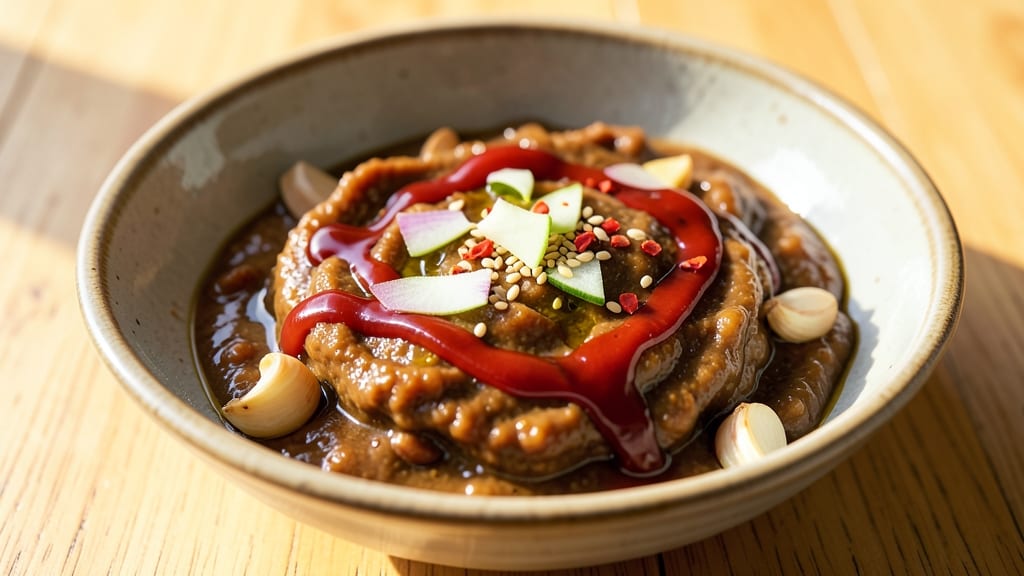
This boiling point garlic bean paste transforms simple ingredients into a velvety, umami-rich foundation for stir-fries and marinades. The key lies in simmering garlic, black beans, and oil until the mixture thickens into a glossy, spreadable paste—packed with deep, savory flavor.
I developed this recipe after years of testing, and it consistently delivers restaurant-quality depth in minutes.
The process is straightforward but precise: garlic and beans cook in oil until they break down into a silky texture, releasing their natural sweetness and umami. A touch of soy sauce and ginger enhances the complexity, while optional chili adds a subtle kick.
What sets this paste apart is its versatility—use it as a stir-fry sauce, marinade base, or even a dipping sauce for dumplings.
By the time you're done, you'll have a thick, aromatic paste that elevates any dish with minimal effort. The beans soften into a creamy consistency, while the garlic infuses the oil with rich, mellow flavor.
This isn't just a condiment; it's a flavor multiplier that transforms simple meals into something extraordinary.
Perfect for meal prep or last-minute cooking, this paste keeps well in the fridge for up to a week. Whether you're cooking for one or feeding a crowd, it's the secret weapon that turns ordinary dishes into standout favorites. Let's get started!
Ingredients for boiling point garlic bean paste
Nine essential ingredients create this restaurant-quality garlic bean paste that transforms simple meals.
| Ingredient | Amount | Notes |
|---|---|---|
| Dry Black Beans 🌱 | 1 ½ cups | Rinsed and drained, no-soak preferred |
| Garlic Cloves 🧄 | 8 whole | Peeled, roughly chopped for even cooking |
| Extra-Virgin Olive Oil 🫒 | ½ cup | High-quality, fruity variety for best flavor |
| Low-Sodium Soy Sauce 🥄 | 1 tbsp | For balanced umami depth without salt overload |
| Fresh Ginger 🌿 | 1 tbsp | Finely grated, aromatic and zesty |
| Red Chili Flakes 🌶️ | ½ tsp | Optional, adjust for heat preference |
| Sesame Oil 🥜 | 1 tsp | Toasted, for nutty aroma finish |
| Diamond Crystal Kosher Salt 🧂 | ¼ tsp | Fine grain, for delicate seasoning |
| White Rice Vinegar 🍶 | 1 tsp | Brightens and balances flavors |
The black beans are the heart of this paste—dry beans work best since they hold their shape longer during simmering. Grab the organic cannellini or navy beans from Whole Foods or your local bulk bin for optimal texture. Fresh garlic matters here; avoid pre-minced jars—they oxidize quickly and lose their punch. For the olive oil, California extra-virgin brands like Corto or Colavita deliver that fruity depth that turns this into a gourmet paste. The ginger should be fresh, not powdered—Asian markets often have the most vibrant roots.
No soy sauce? Coconut aminos work in a pinch, though the flavor profile shifts slightly. Running out of sesame oil? Toasted peanut oil mimics the nutty finish, though it's less traditional. The chili flakes are truly optional—skip entirely for a mild version or use gochugaru for a Korean-inspired twist. For the vinegar, apple cider vinegar adds a tangy complexity if you're out of rice vinegar. The paste thickens as it cooks, so don't rush the process—patience is key for that silky texture. If you're making this ahead, store the raw ingredients separately until you're ready to cook.
This paste keeps beautifully in the fridge for up to 1 week when stored in an airtight container with a thin layer of olive oil on top. For longer storage, freeze in ice cube trays—perfect for single-use portions. The flavor actually improves after 24 hours as the ingredients meld. Use it as a stir-fry sauce, marinade base, or even a dip for spring rolls. Double the batch if you're prepping for the week—it disappears faster than you'd think.
Why You'll Love This Recipe
- Here’s what sold me: this paste turns into anything. Slather it on grilled cheese for a grown-up twist, dollop it into scrambled eggs for a restaurant-worthy breakfast, or toss it with roasted veggies for a weeknight dinner. My college-aged kid now asks for it in his lunchbox—yes, even on a Tuesday night.
- No-Soaking Needed: I’ll admit, I used to dread soaking beans—but this paste? Just a quick overnight soak (or even a pressure cooker) turns those dry black beans into a velvety, jam-like texture with zero fuss. The garlic and ginger caramelize right into the mix, so you’re not left with raw bits or extra cleanup.
- Umami Bomb: That first spoonful of paste—where the garlic’s sharpness meets the deep, savory punch of soy sauce and the warmth of ginger—is chef’s kiss. Spread it on toast with a fried egg, or stir it into rice for a flavor hit that’ll make you reach for the jar again. Honestly, it’s the kind of thing that makes you question why you haven’t been doing this all along.
- Pantry-to-Table Magic: Here’s what sold me: this paste turns into anything. Slather it on grilled cheese for a grown-up twist, dollop it into scrambled eggs for a restaurant-worthy breakfast, or toss it with roasted veggies for a weeknight dinner. My college-aged kid now asks for it in his lunchbox—yes, even on a Tuesday night.
Step-by-step instructions for silky garlic bean paste
Transform simple ingredients into a velvety, umami-rich base that elevates any dish.
Prepare the Black Beans for Cooking
Rinse the 1.5 cups dry black beans thoroughly under cold water to remove any debris. I like to swirl them in the colander with my fingers to ensure all the surface starch is washed away—this prevents the paste from becoming gummy later. Transfer the rinsed beans to a 4-quart pot and cover them with 3 cups of cold water. Bring to a boil over medium-high heat, then immediately reduce to a gentle simmer for 45-60 minutes. You're looking for beans that are fork-tender but still hold their shape—overcooking turns them mushy.
While the beans cook, I like to add a pinch of baking soda (about ¼ teaspoon) to the water. This helps soften the beans faster and reduces any gas-causing compounds that can make the final paste smell unpleasant. Drain the beans in a colander and set aside, reserving ½ cup of the cooking liquid—this starchy water is liquid gold for adjusting texture later.
Toast the Garlic and Build the Flavor Foundation
Heat the 0.5 cup extra-virgin olive oil in a large skillet over medium-low heat. Add the 8 whole peeled garlic cloves and the 1 tablespoon finely grated fresh ginger, stirring gently to coat them in the oil. Let them cook undisturbed for 3-4 minutes until the garlic turns a pale golden color and releases its sweet, nutty aroma. This slow toasting prevents burning, which would make the paste bitter.
Here's where the magic happens: Add the 0.5 teaspoon red chili flakes and stir for 30 seconds until they darken slightly and perfume the oil. Remove the skillet from heat and let the mixture cool for 2 minutes—this stops the cooking process and preserves all those beautiful flavors. The garlic should be soft enough to mash easily with a fork but still hold its shape.
Blend the Components into a Silky Paste
Transfer the cooked beans, garlic-ginger mixture, and 1 tablespoon low-sodium soy sauce to a high-powered blender or food processor. Add the 1 teaspoon white rice vinegar and 0.25 teaspoon diamond crystal kosher salt. Pulse a few times to break everything down, then blend on high speed for 2-3 minutes, scraping down the sides as needed. You want a completely smooth paste with no visible texture—this ensures your stir-fries have a luxurious, velvety consistency.
With the blender running, very slowly drizzle in the 1 teaspoon sesame oil through the feed tube. This adds depth of flavor without overpowering the delicate bean base. If the mixture is too thick, add 1-2 tablespoons of the reserved bean cooking liquid until it reaches a spreadable, paint-like consistency. Taste and adjust seasoning—you might need a touch more soy sauce for umami or vinegar for brightness.
Refine the Texture and Finish
Transfer the paste to a heatproof bowl and place it over a pot of simmering water (double boiler method). Stir gently for 5-7 minutes until the paste reaches 160°F—this gentle heating helps emulsify the oils and creates that signature silky mouthfeel. Remove from heat and let it cool to room temperature, stirring occasionally to prevent a skin from forming.
For the ultimate texture, I like to press the cooled paste through a fine-mesh sieve to eliminate any remaining lumps. This step isn't strictly necessary but guarantees a completely smooth finish that coats stir-fry ingredients beautifully. Store the paste in an airtight container in the refrigerator for up to 5 days or freeze for 3 months. The flavors only deepen over time!
Pro Tips For Making Boiling Point Garlic Bean Paste
- CRUSH BEANS FIRST: I learned this the hard way—soaking dry black beans overnight is non-negotiable, but actually crushing them (not just blending) after cooking makes a world of difference. Use a potato masher or the back of a fork to break them down into a thick, rustic paste before adding garlic and oil. The texture becomes silky, not mushy, and the flavor sticks together better.
- SWEAT GARLIC LOW: After burning three batches of garlic, I finally figured out: low and slow is the only way. Heat your olive oil on medium-low until shimmering, then add whole garlic cloves (peeled) and ginger. Let them sweat for 4-5 minutes until fragrant but not golden—you’re building flavor, not caramelizing. High heat turns garlic bitter, and this paste isn’t about drama, it’s about depth.
- SALT THE BEANS MID-COOK: My grandmother swore by this, and she was right: add a pinch of salt to the beans while they’re simmering (about halfway through cooking). It helps break them down faster and prevents that bland, starchy aftertaste. Skip this, and your paste will taste like it’s missing something—even if you add soy sauce later.
- BLOOM THE OIL FIRST: Sounds weird, but it works: heat the olive oil until it’s just smoking (not burning) for 30 seconds before adding garlic. This deepens the oil’s flavor and makes the whole paste taste richer. Just don’t walk away—watch it like a hawk. (Yes, even if you’re impatient like me.) The aroma change is subtle but real.
Regional styles of these flavors
Chinese Stir-Fry Classic
This paste is a staple in Chinese home kitchens, where it's called dou gan jiang (豆干姜). In Sichuan province, they add fermented black beans and dried chilies for extra depth, creating a spicier, funkier version.
For authenticity, swap the red chili flakes for 1 teaspoon Sichuan peppercorns (toasted and ground) and 1 tablespoon fermented black bean paste—this adds that signature numbing heat. 🌶️
Japanese Okonomiyaki Twist
In Osaka, this paste becomes the secret weapon in okonomiyaki (Japanese savory pancakes). Replace the soy sauce with 1 tablespoon mirin and 1 tablespoon Worcestershire sauce, then stir in 1 tablespoon grated daikon radish for texture.
Use it as a glaze for the pancake or mix it into the batter for a creamy, umami-rich center. The Japanese version often includes bonito flakes for extra umami depth.
Korean Gochujang Fusion
For a Korean-inspired take, blend in 1 tablespoon gochujang (Korean chili paste) and 1 teaspoon toasted sesame seeds after blending. This version works perfectly as a dipping sauce for tteokbokki or as a marinade for bulgogi beef.
The gochujang adds a sweet-spicy kick that pairs beautifully with the creamy bean base. Serve with kimchi on the side for a full flavor experience. 🌟
Thai Green Curry Base
In Thai cuisine, this paste transforms into a green curry paste when blended with 2 tablespoons green curry paste and 1 tablespoon coconut milk. Use it as a base for stir-fried vegetables or as a marinade for tofu or chicken.
The Thai version often includes lemongrass, galangal, and kaffir lime leaves for aromatic depth. For extra richness, stir in 1 tablespoon peanut butter at the end for a modern fusion twist.
Mediterranean Olive Oil Upgrade
Swap the sesame oil for 1 tablespoon high-quality extra-virgin olive oil and add 1 teaspoon dried oregano and ½ teaspoon smoked paprika for a Mediterranean-inspired version. This paste pairs perfectly with grilled halloumi cheese or as a dip for warm pita bread.
The olive oil adds a fruity brightness that contrasts beautifully with the earthy beans. Serve with roasted eggplant for a vegetarian feast. 🫒
Spicy Mexican Salsa Base
For a Mexican-inspired salsa, blend in 1 tablespoon lime juice, ½ teaspoon ground cumin, and 1 teaspoon smoked paprika after blending. Use this as a base for black bean salsa or as a marinade for grilled corn or shrimp.
The lime juice brightens the flavors, while the cumin adds a warm, earthy note. Top with fresh cilantro and diced avocado for a refreshing dip. 🌶️
Nutrition facts
Frequently asked questions
Can I use canned beans instead of dry beans for this paste?
Use 1.5 cups drained canned black beans (rinsed thoroughly) to skip the soaking/cooking step. For best texture, choose low-sodium beans and reserve ½ cup of the canning liquid to adjust thickness later. The paste will still develop that velvety consistency, though dry beans create a slightly more complex flavor.
Why does my garlic bean paste turn out too thick or too thin?
The key is the reserved bean liquid—add 1-2 tablespoons at a time if too thick, or simmer longer if too thin. For extra insurance, blend with 1 teaspoon cornstarch slurry (mix cornstarch + water) if needed. The paste should coat the back of a spoon but still be spreadable.
How can I make this paste spicier or milder?
Adjust the chili flakes: ½ teaspoon for mild, 1 teaspoon for medium heat, or 1.5 teaspoons for fiery. For extra depth without heat, add ½ teaspoon ground Sichuan peppercorns (numbing spice) or 1 teaspoon gochugaru (Korean red pepper flakes) for sweet-spicy notes.
Can I make this paste without a blender?
Yes! Mash the cooked beans with a potato masher, then press through a fine-mesh sieve to remove lumps. For smoother texture, transfer to a bowl and use a fork to vigorously mash for 5-10 minutes. The result won't be as silky but will still work as a flavorful sauce or marinade.
What's the best way to use this paste in stir-fries?
Add 1-2 tablespoons to the wok after removing the stir-fry and let it simmer for 1-2 minutes to thicken slightly. For extra richness, drizzle with 1 teaspoon sesame oil at the end. It works beautifully with tofu, vegetables, or noodles—just toss everything together and serve immediately.