
Sauces & Condiments
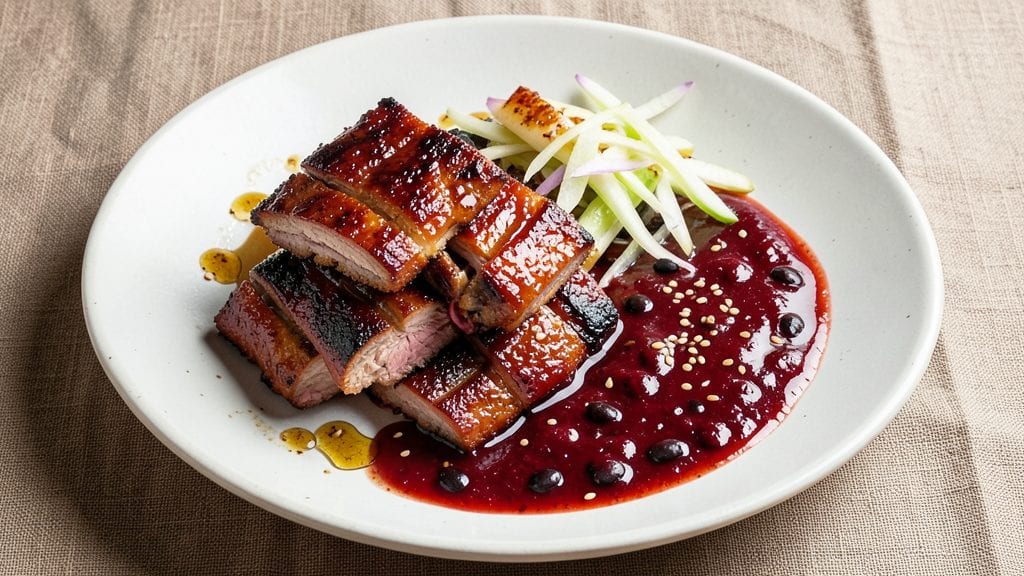
This steamed spareribs with black bean sauce recipe delivers tender, fall-off-the-bone ribs paired with a velvety sauce that balances sweet and savory heat—perfect for weeknight dinners or special occasions. The steaming method preserves moisture while infusing deep flavor, and the black bean sauce transforms simple ingredients into something restaurant-worthy.
I developed this after years of experimenting with spareribs, and it's now my go-to for both convenience and impressive results.
The beauty of this dish lies in its simplicity: just a handful of ingredients and 30 minutes of active time, with most of the work happening while you steam.
The black bean sauce, made with fermented black beans, soy sauce, and a touch of honey, creates a glossy, umami-rich coating that clings perfectly to the ribs. Unlike braising or grilling, steaming keeps the meat incredibly tender while allowing the sauce to penetrate deeply.
What you'll end up with is a plate of silky spareribs that are rich, flavorful, and effortlessly tender, topped with a glossy black bean sauce that adds layers of complexity. The sauce's sweet-savory balance makes every bite satisfying, while the ribs stay moist and flavorful—no dryness or toughness here.
This dish is hearty enough for a main course but versatile enough to pair with rice, noodles, or steamed greens.
Whether you're cooking for family or treating yourself, this recipe delivers restaurant-quality results without the fuss. The steaming technique ensures perfect tenderness, and the sauce can be adjusted to suit your heat preference. Let's get started—your taste buds will thank you.
Ingredients for steamed spareribs with black bean sauce
Silky ribs and umami-rich sauce start with just 14 thoughtful ingredients—no shortcuts needed.
| Ingredient | Amount | Notes |
|---|---|---|
| Baby Back Spareribs 🍖 | 2 ½ lb | Bone-in, trimmed of excess fat |
| Fermented Black Beans 🫘 | 1 cup | Drained, rinsed well |
| Light Soy Sauce 🍶 | ½ cup | Kikkoman preferred |
| Sesame Oil 🫒 | 1 tbsp | Toasted, not flavored |
| Honey 🍯 | 2 tbsp | Wildflower preferred |
| Fresh Ginger 🧄 | 2 tbsp | Finely grated, peel on |
| Garlic Cloves 🧄 | 6 cloves | Minced, fresh preferred |
| Green Onions 🧅 | 3 whole | White and green parts |
| Sesame Seeds 🌾 | 1 tbsp | Toasted lightly |
| Rice Vinegar 🍶 | 1 tbsp | White vinegar substitute |
| White Pepper 🌶️ | ½ tsp | Freshly ground |
| Diamond Crystal Kosher Salt 🧂 | 1 ½ tsp | For seasoning ribs |
| Cornstarch 🌾 | 1 tbsp | For sauce thickening |
| Steamed Jasmine Rice 🍚 | 2 cups | Cooked, for serving |
The spareribs are the foundation, so bone-in, baby back cuts work best—they stay tender and flavorful. Costco sells them pre-trimmed for convenience, but if buying from the butcher, ask for the meatier ends. Fermented black beans are key for that deep umami—Asian markets carry them in jars, or sub with black soybeans if needed. The ginger and garlic should be freshly grated/minced (the good stuff, not powdered)—this makes all the difference in flavor development during steaming. I always double-check the soy sauce label to ensure it's light, not dark, for that clean umami base.
No fermented black beans? Black soybeans or even mashed lentils work in a pinch, though the flavor won't be identical. Running short on sesame oil? Toasted peanut oil at half the amount mimics the nutty depth. The honey can be swapped for maple syrup or agave, but it won't caramelize the same way. For the rice vinegar, apple cider vinegar keeps the tang but loses some brightness. The cornstarch is non-negotiable for that glossy sauce—arrowroot powder works too, but cornstarch gives the perfect sheen. Pro tip: Toast your sesame seeds in a dry pan for 30 seconds—they'll add crunch and aroma.
Steamed ribs keep for 3 days in the fridge, but the sauce is best made fresh. Store sauce separately in an airtight jar with a thin layer of oil on top to preserve color. The ribs reheat beautifully—just steam for 5 minutes. For meal prep, portion sauce into ice cube trays and freeze; thaw as needed. Leftovers taste even better the next day as flavors meld. Garnish with fresh green onions right before serving—they add that final pop of color and freshness.
Why You'll Love This Recipe
- Steam Over Simplicity: I swear by this method—just ribs, beans, and a splash of soy in the steamer basket. No flipping, no basting, no stress. The black beans soften into a thick, glossy sauce right along with the meat, and honestly? The cleanup is just rinsing a basket.
- Umami Bomb: That fermented black bean paste? It’s where the magic happens. Sweet from the honey, funky from the beans, salty from the soy—every bite has this deep, savory punch that sticks with you. The sesame oil ties it all together like a little aromatic hug.
- Leftover Goldmine: These ribs stay tender for days, so I always make extra. Reheat them in the steamer again, or toss cold slices into rice bowls with pickled veggies. My kids even ask for them in lunchboxes—yes, even on a Tuesday.
- Budget-Friendly Feast: Baby back ribs aren’t cheap, but this recipe stretches them far. The black beans add bulk and flavor without breaking the bank, and the sauce makes everything feel special. I’ve fed six people for under $20 with this—no takeout needed.
Step-by-step instructions for steamed spareribs with fermented black bean sauce
Here's how to achieve melt-in-your-mouth ribs with a silky, balanced sauce that's rich yet light.
Prepare the Ribs for Perfect Steaming
Trim any remaining fat from the 2.5 lb baby back spareribs, leaving just a thin layer for flavor. Pat them completely dry with paper towels—this ensures maximum surface area for the sauce to cling to later. In a small bowl, combine the 1.5 tsp diamond crystal kosher salt and 0.5 tsp white pepper, then rub this mixture all over the ribs, pressing it into the meat. Let them sit at room temperature for 15 minutes while you prepare the steaming setup.
Here's the thing—don't skip the drying step. Even slight moisture on the ribs will steam them instead of letting the sauce penetrate deeply. I use a wire rack placed over a baking sheet for my steamer to ensure even heat circulation and prevent soggy bottoms. Fill a large pot with 2 inches of water and bring to a gentle simmer before adding the ribs.
Steam the Ribs Until Fork-Tender
Carefully place the prepared ribs on the wire rack in the steamer, bone-side down. Cover the pot with a tight-fitting lid and steam over medium-high heat for 45 minutes. The ribs are ready when they pull apart easily at the bone—this should take about 45-50 minutes total, depending on your stove's heat output. I check for doneness by gently tugging on the meat near the bones; it should separate cleanly with minimal resistance.
Resist the urge to peek during steaming—every time you lift the lid, you release steam and add unnecessary cooking time. If the water level drops below 1 inch, simply add more hot water without removing the ribs. Once tender, transfer the ribs to a plate and tent loosely with aluminum foil to keep them warm while you prepare the sauce.
Build the Fermented Black Bean Sauce
In a clean skillet, heat the 1 tbsp sesame oil over medium heat. Add the 6 minced garlic cloves and 2 tbsp finely grated fresh ginger, cooking for 1-2 minutes until fragrant but not browned. Here's where it gets good—add the 1 cup drained fermented black beans and cook for 3 minutes, stirring occasionally. The beans will release their natural juices, creating a thick, aromatic base.
Pour in the 0.5 cup light soy sauce and 2 tbsp honey, stirring constantly to combine. Let the mixture simmer for 5 minutes until slightly reduced and glossy. The sauce should coat the back of a spoon—this indicates it's ready to thicken further. Remove from heat and stir in the 1 tbsp rice vinegar and 1 tbsp cornstarch mixed with 2 tablespoons water. Simmer for another 30 seconds until the sauce reaches your desired consistency.
Finish and Serve
Return the steamed ribs to the skillet with the sauce, spooning it generously over the meat. Let them sit for 2-3 minutes to absorb the flavors completely. Garnish with the 3 chopped green onions and 1 tbsp toasted sesame seeds just before serving. The sauce should cling beautifully to the ribs, creating a perfect balance of sweet, savory, and umami notes.
Serve immediately over the 2 cups steamed jasmine rice. The contrast of the fluffy rice with the tender ribs and rich sauce makes this dish truly special. For extra presentation, drizzle any remaining sauce from the skillet over the top before serving. Each bite should deliver perfectly tender meat with a glossy, flavorful coating that's neither too sweet nor overly salty.
Pro Tips For Making Steamed Spareribs With Black Bean Sauce
- Parboil First: Drop the ribs in simmering water for 8–10 minutes before steaming—this collapses the bones and speeds up tenderness. I used to skip it, and the ribs always felt stubbornly chewy, no matter how long I steamed them.
- Rinse the Beans: Fermented black beans pack a salty punch—rinse them under cold water before adding to the sauce. My grandmother swore by this, and it keeps the flavor balanced instead of overwhelming the dish.
- Don’t Overcrowd the Steamer: Leave space between ribs when stacking them—if they’re packed too tight, they’ll steam unevenly and stay tough. I learned this the hard way after a batch turned out rubbery on one side.
- Finish with Sesame Oil Last: Stir in the sesame oil right before serving—its aroma burns off if added too early. Sounds weird, but it works: the nutty depth hits fresh, not stale. (Yes, even if you’re impatient like me.)
Perfect pairings for this recipe
Sauce Variations
For a spicier kick, add 1 tsp gochujang or ½ tsp chili crisp to the sauce while simmering. I love how this deepens the umami while adding subtle heat—just enough to wake up your taste buds without overpowering.
For a sweeter profile, increase the honey to 3 tbsp and add 1 tsp grated orange zest for a bright citrus note that cuts through the richness. 🌶️
Need a nutty depth? Swap the sesame oil for 1 tbsp toasted walnut oil—it adds earthiness that pairs beautifully with the fermented beans.
If you prefer a tangier sauce, boost the rice vinegar to 2 tbsp and add ½ tsp fish sauce for an authentic Southeast Asian touch. The key is balancing these adjustments so the sauce remains cohesive.
Side Dish Pairings
Steamed jasmine rice is the classic choice, but forbidden black rice adds a striking purple hue and nutty flavor that elevates the dish. I also love serving these ribs with stir-fried bok choy—its crisp texture and mild bitterness contrast perfectly with the tender meat.
For a heartier option, garlic mashed potatoes with a sprinkle of black pepper provide a creamy, comforting base. 🥗
If you're aiming for a lighter meal, cucumber salad with a sesame-ginger dressing (mix 2 tbsp rice vinegar, 1 tbsp sesame oil, 1 tsp honey, and 1 tsp grated ginger) adds freshness.
For a warming side, kimchi fried rice introduces fermented heat that complements the ribs beautifully. Each pairing enhances the dish’s balance of textures and flavors.
Beverage Pairings
A japanese sake like Dassai Junmai (15% ABV) is my go-to—its clean, crisp profile cuts through the richness of the sauce while enhancing the umami. For beer lovers, a light lager such as Asahi Super Dry keeps the palate fresh without overpowering the dish.
The subtle hop bitterness actually cleanses the palate between bites of ribs. 🍶
If you prefer wine, a dry Riesling with its bright acidity and hints of citrus mirrors the sauce’s tangy-sweet balance. For something stronger, a smooth amaretto (like Disaronno) in a 1-oz shot adds a nutty, almond-like warmth that pairs surprisingly well with the fermented beans.
Avoid heavy reds—they’ll clash with the delicate sauce.
Garnish Ideas
Fresh cilantro leaves add a bright, herbaceous note that contrasts the richness of the sauce. I also love sprinkling toasted peanuts (lightly crushed) for a crunchy texture that adds dimension.
For a smoky touch, finish with ½ tsp smoked paprika or a pinch of crumbled bacon—just enough to hint at depth without overwhelming. 🌿
If you’re feeling fancy, drizzle 1 tsp chili oil over the top right before serving—it adds a subtle heat and visual appeal. A lime wedge on the side lets diners squeeze fresh juice for a zesty kick.
The best garnishes enhance without distracting, so choose based on what complements the dish’s existing flavors.
Nutrition facts
Frequently asked questions
Why steam spareribs instead of braising or grilling?
Steaming preserves the ribs' natural moisture while infusing them with flavor from the sauce. Unlike braising (which can make them soggy) or grilling (which risks drying), steaming guarantees fall-off-the-bone tenderness with a perfect sauce-to-meat ratio. The gentle heat also prevents toughening that happens with high-heat methods.
Can I use regular black beans instead of fermented?
Yes, but the flavor will be milder. Soak 1 cup cooked black beans in ½ cup soy sauce for 30 minutes to mimic fermentation's umami depth. For authenticity, though, fermented black beans (found in Asian markets) provide that signature funky-sweet taste.
How do I fix overly sweet sauce?
Balance sweetness by adding 1 tsp rice vinegar or ½ tsp fish sauce to cut richness. For a quicker fix, stir in 1 tbsp minced ginger—its sharpness contrasts the honey. Always taste as you go! The sauce should end with a sweet-savory harmony, not cloying sweetness.
What's the best way to reheat leftovers?
Steam the ribs for 5-7 minutes with a splash of water, then warm the sauce separately in a skillet. Recombine just before serving to maintain texture. Never microwave—it turns the sauce grainy and the ribs rubbery. Pro tip: Store sauce separately in an airtight container with a thin oil layer to preserve color.