
Main Courses
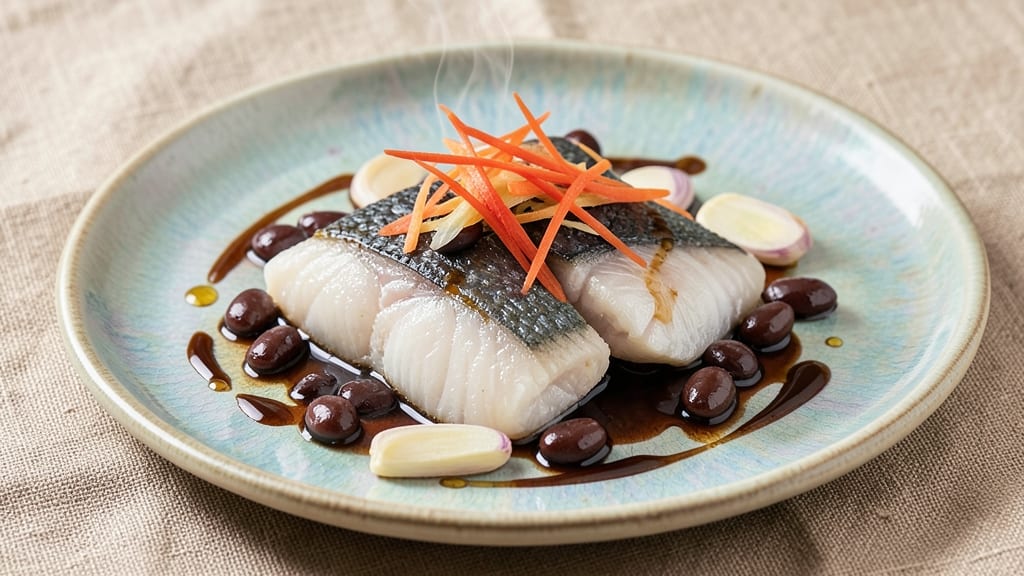
Mastering steamed fish fillet with black bean sauce transforms simple weeknight dinners into restaurant-worthy meals—where delicate fish meets bold umami in perfect harmony. The key lies in precise steaming techniques that preserve moisture while the black bean sauce delivers deep, savory richness without overpowering the delicate fish.
I developed this recipe after years of experimenting with Asian-inspired techniques, and it consistently delivers silky texture and balanced flavors.
The beauty of this dish is its simplicity: just five core ingredients for the sauce and minimal prep for the fish. Steaming ensures tender, flaky fillets while the black bean sauce—simmered with garlic, ginger, and a touch of soy—creates a velvety glaze that clings beautifully.
The sauce's umami depth comes from fermented black beans, which add complexity without needing expensive ingredients. This method works equally well with cod, halibut, or snapper, making it versatile for any seafood lover.
What you'll achieve is a dish that's elegant yet approachable—golden-brown steamed fish resting on a glossy black bean sauce that's neither too sweet nor salty. The sauce's natural stickiness means it coats every bite, while the fish remains moist and tender.
Serve over steamed jasmine rice or with quick-pickled vegetables for a complete meal that feels both comforting and sophisticated. The balance of textures and flavors makes this a standout for weeknight dinners or special occasions.
This recipe also excels as a make-ahead option: prepare the sauce in advance and steam the fish fresh. The sauce actually improves overnight, allowing flavors to meld perfectly.
For extra presentation, garnish with sliced green onions or sesame seeds—simple touches that elevate the dish without complicating the process. Let's create this harmonious combination of technique and flavor.
Ingredients for steamed fish fillet with black bean sauce
Five core ingredients transform delicate fish into restaurant-quality perfection with umami-rich black bean sauce.
| Ingredient | Amount | Notes |
|---|---|---|
| White Fish Fillets 🐟 | 1 ½ lb | Cod, halibut, or snapper preferred |
| Fermented Black Beans 🫘 | ½ cup | Rinsed, drained, Asian variety preferred |
| Garlic Cloves 🧄 | 4 cloves | Minced, fresh preferred |
| Fresh Ginger 🌿 | 1 tbsp | Grated, peeled, organic preferred |
| Light Soy Sauce 🥄 | ¼ cup | Low-sodium preferred |
| Sesame Oil 🫒 | 1 tbsp | Toasted, for aroma |
| Green Onions 🧅 | 2 whole | Sliced, for garnish |
| Jasmine Rice 🍚 | 1 cup | Uncooked, long-grain |
| Water 💧 | 2 cups | Filtered, for rice |
| Vegetable Oil 🫒 | 1 tbsp | Light, for fish prep |
| Diamond Crystal Kosher Salt 🧂 | ½ tsp | For seasoning |
| White Pepper 🌶️ | ¼ tsp | Freshly ground |
| Cornstarch 🌾 | 1 tbsp | For fish coating |
| Sesame Seeds 🌰 | 1 tsp | Toasted, for garnish |
The fermented black beans are the heart of this dish—Asian markets carry the best quality, often in jars or vacuum-sealed packages. Look for beans that are plump and slightly sticky, not dried out. If you can't find them, substitute 1/4 cup black soybeans (soaked overnight), though the umami depth won't be identical. The fish selection matters too: cod or halibut hold up best to steaming, but snapper or sea bass work beautifully. Buy fillets with even thickness—1/2 to 3/4 inch—for consistent cooking. For the rice, jasmine rice from Whole Foods or Trader Joe's delivers the fragrant aroma that complements the dish perfectly.
No fermented black beans? Black bean paste or miso paste can substitute at half the quantity, though the texture will differ. The garlic and ginger should be freshly grated or minced—pre-minced garlic lacks the aromatic punch. For the soy sauce, Kikkoman light soy sauce is a reliable choice, but any low-sodium variety works. The sesame oil adds depth, but if you're avoiding it, toasted peanut oil provides a similar nutty note. The cornstarch coating is crucial—it creates a delicate barrier that prevents the fish from sticking to the steamer while adding subtle texture. For extra presentation, toast the sesame seeds in a dry pan over medium heat until fragrant—just 30 seconds—before sprinkling over the finished dish.
The black bean sauce can be made up to 3 days ahead and tastes even better after flavors meld. Store it in an airtight container in the refrigerator, then reheat gently before serving. The fish should be steamed fresh to maintain its silky texture, but you can prep the cornstarch coating and seasoning in advance. For leftovers, the sauce keeps for 5 days in the fridge, while the fish reheats beautifully in a steamer basket for 1-2 minutes. Garnish with sliced green onions and sesame seeds just before serving to preserve freshness—these elements add vibrant color and a final aromatic touch that elevates the dish.
Why You'll Love This Recipe
- I’ll be real: most steamed fish leftovers are sad. Not this. The sauce clings to the fish like glue, so reheating it the next day still gives you that same bold, savory hit. Plus, the black beans stretch the meal—add rice or noodles, and suddenly you’ve got two dinners for the price of one.
- No-Fuss Steaming: I swear by this method—just toss the fish and sauce in a steamer basket, cover it, and walk away. No flipping, no frying, no babysitting. The fish stays tender while the black bean sauce thickens into a glossy, umami-rich blanket that clings perfectly.
- Umami Bomb: Here’s what sold me—the fermented black beans pack a punch without needing extra salt. That deep, funky-sweet flavor from the garlic, ginger, and soy sauce? It’s the kind of taste that makes you pause mid-bite, even if the dish looks simple.
- Weeknight to Dinner Party: Between us, this recipe works for everything. A lazy Tuesday night? Done. Fancy dinner guests? Same prep, just plate it nicely. The sauce’s richness balances the delicate fish, so it never feels like a compromise—even when I’m serving it to my picky mom.
Step-by-step instructions for steamed fish fillet with black bean sauce
A delicate balance of technique ensures tender fish and rich, aromatic sauce every time.
Prepare the Jasmine Rice Foundation
Rinse the 1 cup jasmine rice under cold water until the water runs clear, then drain thoroughly. In a small saucepan, combine the rinsed rice with the 2 cups water and bring to a boil over medium-high heat. Once boiling, reduce heat to low, cover tightly with a lid, and simmer for 15 minutes without lifting the lid. This steaming method creates perfectly fluffy grains that will complement the dish.
While the rice cooks, prepare the black bean sauce components. In a separate bowl, mash the 0.5 cup fermented black beans with a fork until smooth but still slightly textured. Set aside—their umami depth forms the sauce's backbone. The beans should release their natural oils, creating a velvety base that pairs beautifully with the fish's delicate flavor.
Create the Umami-Packed Sauce
In a small skillet, heat the 1 tablespoon vegetable oil over medium heat. Add the 4 cloves minced garlic and 1 tablespoon grated fresh ginger, cooking for 30 seconds until fragrant but not browned. Immediately add the mashed black beans and stir for 2 minutes, allowing their flavors to meld with the aromatics.
Pour in the 0.25 cup light soy sauce and reduce heat to low. Simmer for 5 minutes until the sauce thickens slightly and coats the back of a spoon. The sauce should smell rich and complex—like a cross between soy and fermented depth. Remove from heat and stir in the 1 tablespoon sesame oil, reserving a small amount for finishing later. This step develops the sauce's signature umami without overpowering the fish's natural sweetness.
Season and Coat the Fish Fillets
Pat the 1.5 lb white fish fillets dry with paper towels to remove any surface moisture. In a small bowl, combine the 1 tablespoon cornstarch with the 0.5 teaspoon diamond crystal kosher salt and 0.25 teaspoon white pepper. Lightly dredge each fillet in this mixture, pressing gently to adhere the coating evenly. The cornstarch creates a delicate barrier that prevents the fish from drying out during steaming while adding subtle texture.
Heat a steamer basket over a pot of boiling water until the water reaches a rolling boil. Place the coated fillets in the steamer basket, ensuring they don't overlap. Cover and steam for 8-10 minutes, depending on thickness, until the fish flakes easily with a fork and reaches an internal temperature of 145°F. Overcooking is the enemy here—you want the fish to remain moist and silky, not rubbery.
Assemble and Garnish
Once the fish is perfectly cooked, carefully transfer it to a serving platter. Drizzle the reserved sesame oil over the top and sprinkle evenly with the 1 teaspoon toasted sesame seeds. The seeds add a subtle crunch and visual contrast to the smooth fish and sauce. Slice the 2 whole green onions diagonally and arrange them artfully around the fish for both decoration and freshness.
Serve the fish immediately over the fluffy jasmine rice, spooning the black bean sauce generously around the fillets. The sauce should cling to the rice and fish, creating a harmonious blend of textures and flavors. Each bite should deliver the fish's delicate sweetness, the sauce's fermented depth, and the rice's gentle aroma—all balanced perfectly.
Pro Tips For Making Steamed Fish Fillet With Black Bean Sauce
- Prep Black Beans Right: Drain and rinse fermented black beans in cold water for 30 seconds—this cuts the saltiness and stops them from overpowering the fish. I learned this the hard way after making a batch where the sauce tasted like a pickle bomb.
- Steam Fish Until Flaky: Pull the fish out of the steamer when it reaches 100°C (212°F) internal temp—just as the flesh starts to separate easily with a fork. Oversteaming turns it rubbery, and understeaming leaves it chalky. Use a meat thermometer if you’re unsure.
- Sear Ginger-Garlic Base: Cook the minced ginger and garlic in oil until golden brown, not just fragrant—this deepens their flavor and prevents the sauce from tasting raw. Skip this, and you’ll wonder why the dish lacks depth.
- Salt Fish Before Steaming: Pat the fillets dry, then sprinkle lightly with salt 10 minutes before steaming—this seasons the surface and keeps them from curling. I used to salt after, and the flavor always felt like an afterthought.
Make-ahead tips for this steamed fish fillet with black bean sauce
Sauce Prep Ahead
The black bean sauce is your secret weapon for meal prep—make it up to 3 days ahead and let flavors deepen in an airtight container. I store mine in a glass jar in the fridge, and it actually tastes better after resting.
When reheating, warm gently on the stove over low heat for 3-4 minutes until just simmering. Stir in ½ teaspoon sesame oil fresh before serving to revive its aroma. This sauce also freezes beautifully for up to 3 months—thaw overnight in the fridge before reheating. 💫
Fish Prep Shortcuts
Save time by prepping the fish coating mix (cornstarch + salt + pepper) in advance and storing it in a small resealable bag in the fridge. Pat the fillets dry right before steaming—this critical step prevents sticking.
For extra efficiency, use pre-cut fish fillets from the seafood counter (ask for ½-inch thickness for even cooking). I like to portion the sauce into small ramekins so it's ready to reheat alongside the fish. 🔥
Steaming Setup
Assemble your steamer the night before if you're short on time. Fill a pot with 2 inches of water and place a steamer basket inside—cover with plastic wrap to keep it clean. Store the pot uncovered on the counter.
When ready, bring water to a rolling boil over medium-high heat (about 5 minutes). This pre-setup ensures you're ready to steam the fish immediately after prepping. For larger batches, use a two-tier steamer to cook multiple fillets simultaneously. ⚡
Reheating Leftovers
Steamed fish reheats best in a bamboo steamer basket over simmering water for just 1-2 minutes. Place the fish in the basket, cover, and steam until warmed through—this method preserves moisture better than microwaving.
For the sauce, warm in a small saucepan over low heat while stirring constantly to prevent scorching. If the sauce thickens too much, add 1 teaspoon water to restore its velvety consistency. 💡
Garnish Prep
Toast your sesame seeds in advance by spreading them on a dry skillet over medium heat for 30 seconds—they'll be ready to sprinkle at the last minute. Slice the green onions and store them in a small container with a damp paper towel to keep them crisp.
For extra flair, make quick-pickled cucumbers (½ cup rice vinegar + 1 tsp sugar + pinch of salt) up to 2 days ahead—they add bright acidity that cuts through the richness. 🌿
Complete Meal Prep
Cook the jasmine rice a day ahead and store it in an airtight container. Reheat portions in the microwave for 1 minute, covered, then fluff with a fork. Assemble the full meal by reheating the sauce and fish separately, then plating everything together.
This approach ensures each component stays at its peak texture and temperature. For a ready-to-serve meal, portion the rice, sauce, and fish into individual containers—just reheat and garnish when ready to eat. 🍚
Nutrition facts
Frequently asked questions
What's the best fish to use for this recipe?
Cod, halibut, or snapper work perfectly—they're firm enough to hold shape during steaming while staying tender. Avoid delicate fish like tilapia, which can break apart easily. For extra richness, try wild-caught salmon, though it may need 7-8 minutes of steaming instead.
Can I make the black bean sauce without fermented black beans?
Yes! Substitute with ½ cup black soybeans (soaked overnight) or 2 tablespoons black bean paste plus 1 teaspoon soy sauce. The texture will be slightly thicker, but the umami flavor remains. For deeper flavor, add ½ teaspoon fish sauce to the sauce base.
Why is my steamed fish dry or rubbery?
Overcooking is the #1 culprit—steam fish only until it reaches 145°F (8-10 minutes max). Pat fillets very dry before coating, and never skip the cornstarch barrier. For extra moisture, place a damp paper towel in the steamer basket alongside the fish.
How do I adjust the sauce for spicier heat?
Add ½ teaspoon chili crisp or ¼ teaspoon red pepper flakes to the sauce while simmering. For smoky depth, stir in ½ teaspoon smoked paprika with the sesame oil. Always taste as you go—start with ¼ teaspoon to avoid overpowering the delicate fish.
Can I use this sauce for other proteins?
The sauce pairs beautifully with tofu (steamed 12-15 minutes), shrimp (3-4 minutes), or even chicken thighs (20 minutes). For poultry, reduce steaming time by 50% to prevent dryness. The sauce's umami richness complements all these proteins while adding depth.