
Main Courses
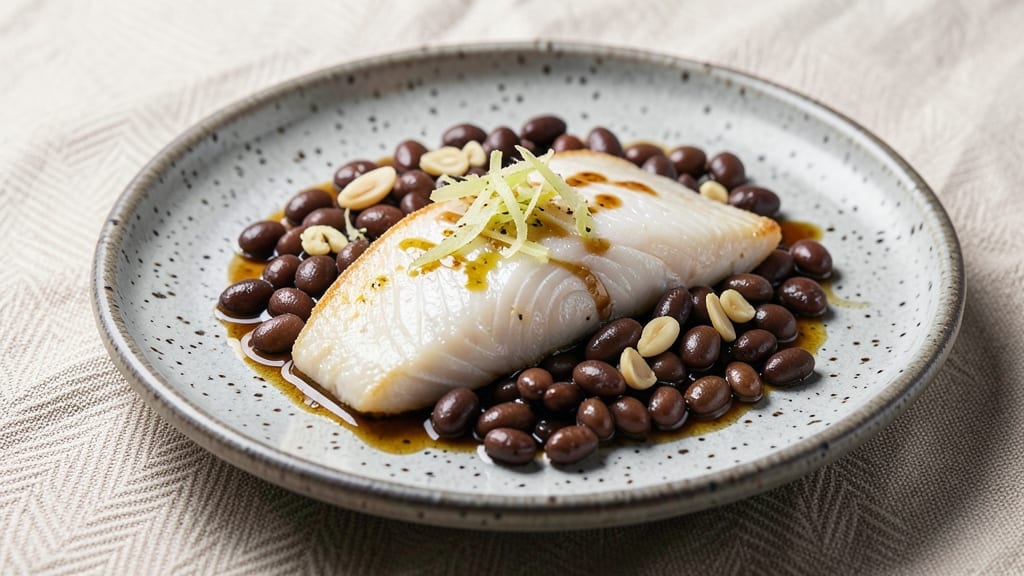
Steaming fish with black beans creates a light yet deeply satisfying dish that balances delicate flavors and textures in perfect harmony. The method preserves the fish's natural tenderness while allowing the black beans to absorb aromatic seasonings, resulting in a meal that's both elegant and effortless.
I developed this recipe after realizing how few dishes could achieve such a perfect balance between protein and plant-based richness without heavy sauces or complicated techniques.
What makes this dish truly special is its versatility—whether you're serving it for a weeknight dinner or a special occasion, the combination of steamed fish and black beans delivers restaurant-quality results with minimal effort.
The one-pan approach simplifies cleanup while maintaining optimal flavor development, and the dish adapts effortlessly to your preferred seasoning profile—garlic, ginger, chili, or a simple soy-based marinade all work beautifully here.
By the time you finish cooking, you'll have perfectly steamed fish with flaky, moist texture and black beans that are tender yet retain their shape, all infused with complementary flavors.
The dish's natural lightness makes it ideal for warm weather or when you want something refreshing yet substantial, while its elegant presentation elevates any table setting.
This recipe works beautifully with white wine or a light citrus dressing, and the leftovers reheat perfectly for lunch the next day. The balance of protein and fiber makes it a satisfying meal that feels both indulgent and wholesome—exactly the kind of dish that transforms simple ingredients into something extraordinary.
Ingredients for steam fish with black beans
Fresh fish meets tender black beans in this elegant one-pan harmony—simple yet sophisticated.
| Ingredient | Amount | Notes |
|---|---|---|
| White Fish Fillets 🐟 | 1 ½ lb | Cod, halibut, or sea bass preferred |
| Black Beans 🌱 | 1 ½ cups | Canned, drained and rinsed |
| Garlic Cloves 🧄 | 4 cloves | Minced for aromatic base |
| Fresh Ginger 🌿 | 1 tbsp | Finely grated, zesty kick |
| Low-Sodium Soy Sauce 🥢 | 2 tbsp | For umami depth |
| Extra-Virgin Olive Oil 🫒 | 2 tbsp | Light drizzle for moisture |
| Lemon Zest 🍋 | 1 tsp | Bright citrus finish |
| Lemon Juice 🍋 | 1 tbsp | Freshly squeezed |
| Fresh Cilantro 🌿 | ¼ cup | Chopped, for garnish |
| Red Chili Flakes 🌶️ | ½ tsp | Adjust for heat preference |
| Sea Salt 🧂 | 1 tsp | Diamond Crystal preferred |
| Black Pepper 🌶️ | ½ tsp | Freshly cracked |
| Green Onions 🧅 | 3 whole | Sliced, for garnish |
| Sesame Seeds 🌾 | 1 tsp | Toasted, for crunch |
The fish is the star, so look for fillets with even thickness—cod or halibut from the seafood counter stays moist during steaming. If buying frozen, thaw overnight in the fridge, not under running water. For black beans, Trader Joe's organic canned beans have the best texture, but any low-sodium variety works. The garlic and ginger should be freshly grated or minced—pre-minced jars lose their punch. I always double-check the fish for any tiny bones, especially with flounder or tilapia. The soy sauce? Kikkoman low-sodium is my go-to, but any light soy will do.
No fresh ginger? Ground ginger at half the amount works in a pinch, but you'll miss that bright zing. Short on cilantro? Fresh parsley or basil adds a different but lovely note. The red chili flakes can be swapped for a pinch of cayenne if you prefer smoky heat. For extra richness, add 1 tbsp of white wine to the steaming liquid—it evaporates during cooking but leaves subtle depth. If you're feeling fancy, a dash of fish sauce amplifies the umami, though it's optional. The sesame seeds? Toast them in a dry pan for 30 seconds until fragrant—worth the extra minute.
This dish reheats beautifully—just add a splash of water or broth to the pan and cover for 2 minutes. Keeps in the fridge for 3 days, though I rarely let it last that long. For meal prep, portion the beans and fish separately so the fish doesn't get soggy. The flavors actually improve overnight as everything melds. Store any leftover lemon juice in an ice cube tray—perfect for quick brightening in future dishes. Garnish just before serving, or the cilantro wilts and the sesame seeds lose their crunch.
Why You'll Love This Recipe
- No Chopping Needed: I swear by this—just slice the ginger thin, mince the garlic, and toss the fish and beans straight into the steamer. The black beans soften perfectly while the fish stays flaky, and honestly? That’s all the prep you’ll ever need.
- Umami Bomb: The combo of soy sauce, ginger, and garlic? It’s like a flavor party in your mouth. The fish absorbs just enough to stay tender, while the black beans soak up that savory punch—no heavy sauces, just pure, satisfying depth.
- Lunchbox Hero: Pack this for work or school—it reheats beautifully and keeps well for days. The fish stays moist, the beans hold their shape, and the ginger-garlic aroma makes even a sad office lunch feel special. (Yes, even on a Tuesday.)
- Budget Win: Fish fillets and canned black beans stretch this into two meals without breaking the bank. Use the leftovers for wraps, salads, or even a quick stir-fry—same flavors, zero waste, maximum value. My wallet thanks me every time.
Step-by-step instructions for steamed fish with black beans
This one-pan method delivers perfectly tender fish and hearty black beans in minutes.
Prepare the Aromatic Base
Heat 2 tablespoons extra-virgin olive oil in a large skillet over medium heat. Add the 4 minced garlic cloves and 1 tablespoon finely grated fresh ginger, cooking for 1-2 minutes until fragrant but not browned. This foundational step builds the flavor profile—don't rush it.
Add the 1.5 cups black beans and stir to coat in the oil. Cook for 3-4 minutes until the beans are heated through and slightly crispy around the edges. Here's the thing—this step ensures the beans absorb the garlic and ginger flavors before the fish joins the party.
Season the Fish and Layer Components
While the beans cook, place the 1.5 lb white fish fillets on a plate and season both sides generously with 1 teaspoon sea salt and 0.5 teaspoon black pepper. The salt should visibly cling to the surface—this guarantees maximum flavor penetration.
Arrange the seasoned fish fillets directly on top of the black beans in the skillet. Sprinkle evenly with 2 tablespoons low-sodium soy sauce, 1 teaspoon lemon zest, and 0.5 teaspoon red chili flakes. These ingredients work together to create a perfect balance of umami, brightness, and subtle heat.
Steam to Perfect Doneness
Cover the skillet tightly with a lid and reduce heat to low. Steam for 8-10 minutes until the fish flakes easily with a fork and reaches an internal temperature of 145°F. The key here is patience—steaming too quickly will dry out the fish.
During the last 2 minutes of steaming, drizzle 1 tablespoon lemon juice over the fish. This final touch adds a bright citrus finish that cuts through the richness of the soy sauce and black beans. You'll know it's ready when the fish is opaque throughout and the edges just begin to lift slightly.
Garnish and Serve Immediately
Remove the skillet from heat and let it sit uncovered for 1 minute to allow any residual steam to dissipate. This step prevents soggy garnishes. Sprinkle evenly with 0.25 cup chopped fresh cilantro and 1 teaspoon toasted sesame seeds. The sesame seeds should be toasted in a dry skillet for 30 seconds until golden—this adds a delightful crunch.
Slice the 3 whole green onions diagonally and arrange them artfully around the plate. Serve immediately while the fish is still warm and the beans are tender. The combination of steamed fish, flavorful black beans, and bright citrus creates a harmonious balance of textures and flavors that's both light and satisfying.
Pro Tips For Making Steam Fish With Black Beans
- Prep Beans First: Drain and rinse the black beans before adding them to the steamer basket—even canned ones hold excess liquid that turns your fish into a soggy mess. I learned this the hard way when my first batch looked more like a fish stew than a steam dish.
- Keep Ginger Thin: Slice the ginger into paper-thin shavings, not chunks—it infuses flavor without overpowering the delicate fish. My grandmother swore by this, and she was right: thick slices just sit there like chewy afterthoughts.
- Don’t Overcrowd the Steamer: Leave space between fish fillets so steam circulates—packing them tight traps moisture and cooks them unevenly. Yes, it looks weird, but trust the process: even cooking is worth the extra inch of gap.
- Finish with Soy Sauce: Drizzle the low-sodium soy sauce after steaming, not before—it burns easily and makes the fish taste bitter. A quick glaze at the end adds depth without risking a flavor disaster. (Your future self will thank you.)
Regional styles of this recipe
Asian-Inspired Steaming
In Chinese cuisine, this dish takes on a lighter, more aromatic profile with the addition of shaoxing wine and star anise. I like to add 1 tablespoon shaoxing wine to the steaming liquid and a single star anise pod to the bean mixture before cooking.
The wine adds depth while the star anise infuses a subtle licorice note that pairs beautifully with the fish. Serve with steamed jasmine rice and a side of quick-pickled cucumbers for a complete balance. 🌿
Caribbean Fusion Style
The Caribbean version transforms this dish into a vibrant, citrus-forward meal by incorporating lime juice, scotch bonnet peppers, and thyme. Replace the soy sauce with 2 tablespoons lime juice and add 1 scotch bonnet pepper, seeded and finely chopped, along with 1 teaspoon fresh thyme.
The heat from the scotch bonnet balances the richness of the fish, while the thyme adds an earthy depth. Garnish with cilantro and lime wedges for serving. 🌶️
Mediterranean Adaptation
For a Mediterranean twist, swap the soy sauce for 2 tablespoons white wine and add 1 teaspoon dried oregano and ½ teaspoon smoked paprika to the bean mixture.
Use halibut or sea bass for the fish, and finish with lemon zest, fresh dill, and a sprinkle of toasted pine nuts instead of sesame seeds. This version pairs wonderfully with crusty sourdough bread and a simple olive oil drizzle. 🍋
Thai-Inspired Version
Bring bold Thai flavors to this dish by adding 1 tablespoon fish sauce, 1 teaspoon palm sugar, and 1 stalk lemongrass, finely minced, to the bean mixture. Use cod or snapper for the fish, and garnish with Thai basil and crushed peanuts for texture.
The fish sauce and palm sugar create a perfect balance of salty-sweet, while the lemongrass adds a fragrant, citrusy depth. Serve with jasmine rice and a side of mango salad for a complete meal. 🌺
Latin American Twist
In Latin American cuisine, this dish often includes corn, avocado, and cilantro-lime crema.
Add ½ cup corn kernels (fresh or frozen) to the beans and top the fish with avocado slices and a drizzle of cilantro-lime crema (blend ½ cup sour cream, ¼ cup cilantro, 2 tablespoons lime juice, and ½ teaspoon salt).
The crema adds a creamy, tangy contrast that elevates the dish, while the avocado brings a rich, velvety texture. 🥑
Modern Fusion Approach
For a contemporary take, experiment with smoked paprika, goat cheese, and microgreens. Add ½ teaspoon smoked paprika to the bean mixture and top the fish with crumbled goat cheese and microgreens before serving.
The smoky paprika adds depth, while the goat cheese introduces a tangy creaminess that complements the fish. Finish with a drizzle of honey for a sweet-savory balance. This version is perfect for a brunch or light lunch setting. 💫
Nutrition facts
Frequently asked questions
Can I use frozen fish for this recipe?
Yes, but thaw it properly first. Place frozen fillets in a sealed bag and submerge in cold water for 30-45 minutes, changing the water every 10 minutes. Never thaw at room temperature—this can promote bacteria growth. The fish should reach 35°F for safe handling before cooking. Pro tip: Pat the fillets completely dry with paper towels before seasoning to ensure better flavor absorption.
What if I don't have black beans? Can I substitute?
Use kidney beans or pinto beans as direct substitutes—they work equally well. For a different texture, try edamame (steamed and shelled) or green lentils. If using canned beans, always drain and rinse thoroughly to remove excess sodium. The dish will still maintain its light, flavorful profile.
How do I prevent the fish from sticking to the pan?
Season the fish thoroughly with salt and pepper, then let it sit for 5 minutes before cooking—this helps draw out moisture. Use a nonstick skillet in good condition, and ensure it's properly heated before adding the fish. If needed, lightly oil the pan with a paper towel dipped in olive oil for extra protection. The key is patience: don't rush the steaming process.
Can I make this dish ahead of time?
Yes, but with a few adjustments. Prepare the beans and seasoned fish separately, then refrigerate for up to 24 hours. When ready to cook, steam the fish directly over the beans for 6-8 minutes (they'll cook faster when cold). Reheat gently in a covered pan with 1 tablespoon water to maintain moisture. The flavors actually deepen overnight!
What's the best way to serve this dish?
Pair it with steamed jasmine rice or quinoa to soak up the flavors. For a complete meal, add a simple side salad with mixed greens, cucumber, and lime vinaigrette. The dish also works beautifully as a light lunch with warm tortillas or crusty bread. Garnish with extra lemon wedges and fresh herbs to keep it vibrant.