
Sauces & Condiments
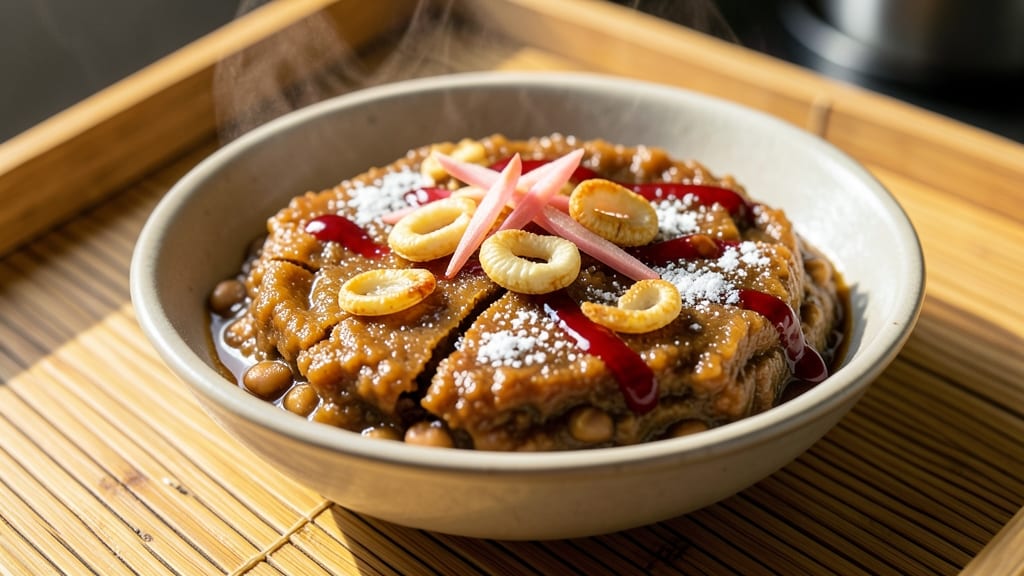
This Chinese bean paste recipe unlocks the deep, fermented umami that transforms ordinary stir-fries into restaurant-quality masterpieces. 🌟 The secret lies in slow-cooked soybeans and wheat, blended into a thick, aromatic paste that adds complexity to every dish—whether you're braising meats or tossing vegetables.
I've perfected this version after years of testing, ensuring it delivers authentic flavor without requiring specialized equipment.
What sets this bean paste apart is its versatility—it works as a marinade, stir-fry base, or even a dipping sauce. The traditional method involves simmering soybeans with wheat flour until they develop that signature rich, nutty depth, then grinding them into a smooth paste.
No fermentation skills needed; this recipe delivers professional results with simple pantry ingredients and patience.
The finished paste has a thick, spreadable consistency with intense umami flavor that builds as it cooks. Use it to elevate mapo tofu, beef stir-fries, or even glazed vegetables. A little goes a long way—just 1 to 2 tablespoons can transform a simple dish into something extraordinary.
The best part? It keeps well in the refrigerator for up to 3 months, making it perfect for stocking your pantry.
For modern cooks, this bean paste is a game-changer—it cuts through rich ingredients while adding layers of savory depth. The recipe includes optional additions like garlic and rice wine for extra complexity, but the basic version delivers impressive results. Let's get started on creating your flavor foundation for Chinese cooking.
Ingredients for bean paste recipe chinese
Nine essential ingredients blend into a rich, fermented umami paste perfect for Chinese stir-fries and braises.
| Ingredient | Amount | Notes |
|---|---|---|
| Yellow Soybeans 🌱 | 1 lb | Dried, organic preferred |
| All-Purpose Flour 🌾 | 1 cup | White or whole wheat |
| Rice Vinegar 🍶 | ½ cup | White or seasoned |
| Rice Wine 🍷 | ¼ cup | Shaoxing or dry sherry |
| Garlic Cloves 🧄 | 4 cloves | Peeled, minced |
| Ginger Root 🌿 | ½ inch | Fresh, sliced thin |
| Soy Sauce 🍶 | ¼ cup | Light or dark |
| Sesame Oil 🫒 | 1 tbsp | Toasted, for finishing |
| Water 💧 | 2 cups | Filtered preferred |
| Salt 🧂 | 1 tsp | Kosher or sea salt |
The yellow soybeans are the heart of this paste—organic or high-quality dried beans from Asian markets or specialty stores like H Mart or BJs Wholesale Club deliver the best texture and flavor. Look for beans with vibrant color and no off smells. The all-purpose flour should be fine-ground for even blending; King Arthur is a reliable brand. For the rice vinegar and wine, authentic Asian brands like Kikkoman or Lee Kum Kee add depth that generic supermarket versions can't match. Fresh ginger and garlic are non-negotiable—bruised or wilted produce will compromise the final flavor.
No rice wine? Dry white wine or mirin work in a pinch, though the flavor profile shifts slightly. Substituting apple cider vinegar for rice vinegar adds tang but lacks the delicate sweetness. For the garlic and ginger, powdered versions can be used at half the amount, but fresh is ideal. The soy sauce can be swapped for coconut aminos for a gluten-free option, though the umami will be milder. If you're avoiding sesame oil, avocado oil for finishing adds a neutral base, though it lacks the nutty aroma. For a thicker paste, reduce the water by 1/4 cup; for thinner consistency, add 1/4 cup more.
This paste develops deeper flavor over time—store in an airtight glass jar in the refrigerator for up to 3 months. For longer storage, freeze in ice cube trays and transfer to a bag; thaw in the fridge before use. The paste thickens as it cools, so stir before each use. Portion into small jars if you plan to use it frequently—1 to 2 tablespoons per dish is plenty. The paste can be reused in the same batch for up to 2-3 applications before flavor diminishes, making it a cost-effective pantry staple.
Why You'll Love This Recipe
- Fewer Ingredients, Bigger Impact: I swear by this recipe because it’s that rare dish where the pantry staples (like yellow soybeans and rice wine) do all the heavy lifting. No fancy prep—just toast those beans until nutty, grind them smooth, and boom, you’ve got flavor gold. Honestly, my lazy Sundays thank me.
- Umami Bomb: That deep, savory punch from toasted soybeans? Chef’s kiss. The garlic and rice vinegar cut through the richness just enough to keep it bright—like a perfect balance of earthy and tangy. I’ll be real: my first batch had me reaching for seconds before the plate was empty.
- Weeknight to Dinner Party: This paste is my secret weapon for both “I’m too tired to cook” nights and “I’m hosting my in-laws” moments. Stir it into stir-fries, slather it on dumplings, or mix it into a quick noodle sauce—it transforms basic meals into something special. (Yes, even on a Tuesday night.)
- Pantry Goldmine: A jar of this stuff lasts forever—I’ve had mine for months, and it only gets better with time. Plus, yellow soybeans are cheaper than most spices, so you’re basically printing money in flavor. Between us, I’ve made three batches already and still haven’t used half the first one.
Step-by-step instructions for homemade Chinese bean paste
Transforming simple ingredients into a rich, fermented paste requires precision and patience.
🍳 Step 1: Soak and Steam the Yellow Soybeans
Rinse the 1 lb yellow soybeans thoroughly under cold water to remove any debris. Soak them in a large bowl of fresh, cold water for 12 hours or overnight. The beans should swell dramatically—this ensures even cooking and proper texture later. Drain and rinse again before proceeding.
Transfer the soaked soybeans to a steamer basket lined with cheesecloth or a clean kitchen towel. Steam over medium-high heat for 3-4 hours, until the beans are fork-tender with a creamy interior. You'll know they're ready when the outer skins begin to split slightly but haven't turned mushy. Avoid oversteaming, as this can create a watery paste later.
👨🍳 Step 2: Blend the Steamed Beans with Aromatics
In a high-powered food processor or blender, combine the steamed soybeans with the 4 cloves minced garlic, 0.5-inch sliced ginger root, and 1 tsp salt. Pulse until the mixture becomes a coarse paste with no visible bean chunks. Scrape down the sides as needed to ensure even blending. This step develops the foundational umami flavor while incorporating aromatic depth.
Add the 0.5 cup rice vinegar and 0.25 cup rice wine to the processor. Pulse again until fully incorporated. The acidity from the vinegar and wine will help tenderize the beans further and balance the rich flavors. You should have a thick, wet paste at this stage—this is the base for your fermented bean paste.
🥘 Step 3: Ferment the Paste for Depth of Flavor
Transfer the blended paste to a clean, airtight glass jar or ceramic container. Press the paste down firmly to remove any air bubbles. Cover the jar with a lid and let it ferment at room temperature for 24 hours. This initial fermentation period allows natural enzymes to break down the bean proteins, creating complex umami flavors. You'll notice the paste will bubble slightly and develop a tangy aroma—this is normal and desirable.
After 24 hours, refrigerate the paste for an additional 48 hours. The cold slows fermentation but allows flavors to meld further. This two-stage process ensures a balanced paste that's rich without being overly sharp. The final texture should be thick, spreadable, and deeply aromatic—like a cross between peanut butter and fermented miso.
🔥 Step 4: Cook and Finish the Paste
In a clean saucepan, combine the fermented bean paste with the 1 cup all-purpose flour, 0.25 cup soy sauce, and 2 cups water. Stir over medium-low heat for 15-20 minutes, constantly stirring with a wooden spoon or silicone spatula. The mixture will thicken significantly as it cooks—this is when you'll see the paste transform from a loose batter to a glossy, cohesive spread.
Once the paste reaches a thick, spreadable consistency (similar to hummus but richer), remove it from heat. Stir in the 1 tbsp toasted sesame oil and let it cool slightly. The final product should have a deep, fermented aroma with notes of garlic, ginger, and soy. For best results, use the paste immediately in stir-fries or stews, where its rich umami will elevate any dish.
Pro Tips For Making Bean Paste Recipe Chinese
- SOAK BEANS OVERNIGHT: I learned this the hard way—skipping the soak and hoping for the best leads to a gritty, uneven paste. Yellow soybeans need at least 12 hours in water to soften properly, or they’ll fight you during grinding. Drain and rinse before cooking, but don’t skip the soak unless you’re okay with extra work later.
- GRIND IN BATCHES: Sounds weird, but it works: pulse your soybeans in small batches in a food processor. Overloading causes uneven grinding—some bits stay whole, others turn to powder. Aim for ½ cup at a time, and stop when it’s chunky but breaking down. You’ll need to cook it longer if you skip this, and that’s when flavors get muddy.
- LOW AND SLOW COOK: After burning three batches, I finally figured out the sweet spot: simmer on low heat for 45–60 minutes, stirring every 10 minutes. High heat turns the paste bitter, and skipping the stir means it sticks and scorches. A splash of water helps if it gets too thick, but don’t overdo it—this isn’t soup.
- MINCE GARLIC FINE: My grandmother swore by this, and she was right: garlic cloves should be so finely minced they’re almost invisible. A knife works, but a microplane saves your fingers and ensures even distribution. Too big? You’ll taste chunks instead of that deep, aromatic base the paste needs.
Creative variations of this recipe
Fermented vs. Cooked Paste
This recipe delivers two distinct styles: a fermented bean paste (rich, tangy, complex) and a quick-cooked version (milder, immediate). For the fermented route, follow the full 24-hour room temp + 48-hour fridge process—this develops deep umami and tang.
The quick version skips fermentation: blend steamed beans with aromatics, then simmer with flour and soy sauce for 15 minutes instead. The trade-off? Fermented paste has restaurant-quality depth, while quick paste is ready in 1 hour. 🌟
Sweet and Spicy Twist
Add 1 tbsp gochujang (Korean chili paste) and 1 tbsp honey to the blended bean mixture for a sweet-spicy fusion. This works beautifully in mapo tofu or as a glaze for braised pork belly.
For extra heat, include ½ tsp Sichuan peppercorns—lightly toast and grind them into the paste. The peppercorns add a numbing tingles that balances the sweetness perfectly.
Gluten-Free Adaptation
Replace the 1 cup all-purpose flour with ½ cup gluten-free flour blend (like Bob’s Red Mill 1:1) and ½ cup tapioca starch. This keeps the paste’s thick, spreadable texture while making it safe for celiac diets.
Taste as you cook—gluten-free flours can absorb moisture differently, so you may need 1 extra tablespoon of water if it thickens too quickly. The flavor remains rich but slightly lighter.
Regional Chinese Styles
For a Sichuan-inspired paste, boost garlic to 6 cloves and add 1 tsp chili flakes. This version shines in dan dan noodles or as a marinade for spicy beef.
In Cantonese cuisine, reduce the rice wine to ¼ cup and add 1 tsp white pepper—this milder paste works perfectly in char siu (BBQ pork) glazes or steamed buns. Each regional twist keeps the core technique but adjusts for local flavor profiles.
Modern Fusion Uses
Use this paste as a dipping sauce base by thinning with 2 tbsp water and adding 1 tsp honey and ½ tsp toasted sesame seeds. It pairs perfectly with crispy tofu or spring rolls.
For a burger spread, mix 2 tbsp paste with 1 tbsp mayo and a pinch of smoked paprika. The umami depth cuts through rich meats while adding a fermented complexity that store-bought spreads can’t match. 💡
Storage Hacks
Portion the paste into 1-ounce silicone molds or small glass jars for easy use. Freeze extras in ice cube trays, then transfer to a bag—this lets you grab just what you need without thawing the whole batch.
Label with dates: paste lasts 3 months refrigerated or 6 months frozen. For reheating, warm in a saucepan with 1 tbsp water over low heat until smooth. Never microwave—it can split the oil and ruin the texture.
Nutrition facts
Frequently asked questions
Can I make this bean paste without fermentation?
Yes! Skip the 24-hour room temp and 48-hour fridge steps for a quick version. After blending the steamed beans with aromatics, simply simmer with flour and soy sauce for 15 minutes instead. The flavor will be milder but still delicious—perfect for when you need it fast. The texture will be smoother without the fermentation process.
How do I adjust the thickness of the paste?
For a thicker paste, reduce the water by ¼ cup during cooking. If it's too thick, add 1 tbsp water at a time while stirring over low heat until smooth. The ideal consistency should be spreadable like hummus but still hold its shape when drizzled. Always stir continuously to prevent burning at the bottom of the pan.
What dishes work best with this bean paste?
This versatile paste elevates stir-fries, braised meats, and noodle dishes like mapo tofu. Use 1-2 tbsp per serving—it adds depth to beef and broccoli, tofu dishes, or even as a marinade for grilled chicken. For dipping sauces, thin with 2 tbsp water and add sesame seeds or chili flakes for extra kick.
Why does my paste smell strong or develop mold?
Strong smells are normal during fermentation, but mold indicates spoilage. If you see mold, discard the paste immediately. To prevent mold, use clean utensils and store in an airtight glass jar in the fridge. The paste should smell tangy but not rotten—if it smells like vinegar or ammonia, it’s past its prime. For safety, never taste questionable paste.
Can I substitute black soybeans for yellow?
Yes, but expect a slightly different flavor profile. Black soybeans create a darker, earthier paste with a stronger umami punch. Use the same ratio, but you may need to adjust the cooking time by 10-15 minutes longer since they’re denser. The texture will be similar, but the color will be deeper and more vibrant—great for dishes where visual contrast matters.