
Sauces & Condiments
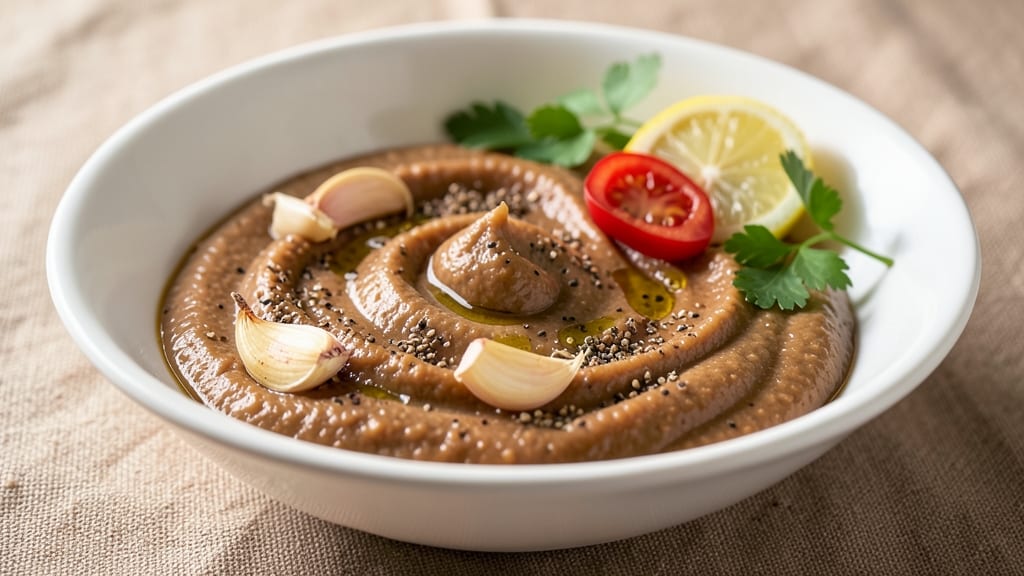
This broad bean paste recipe transforms humble broad beans into a rich, earthy umami spread that elevates everything from dips to stews. The process is simple: dried broad beans soak overnight, then blend with garlic, olive oil, and a touch of lemon for brightness.
What makes this paste special is its versatility—use it as a dip with crusty bread, a sandwich spread, or a flavor booster in soups and stews. The result is a creamy, nutty paste with deep savory notes that keep well for weeks.
The key to success lies in proper soaking and blending—no food processor? A high-powered blender works just as well. I recommend adding toasted cumin and a pinch of salt to enhance the earthy flavor profile, while a drizzle of olive oil keeps the texture silky smooth.
This recipe is vegetarian-friendly and easily adaptable for vegans by omitting any honey. The paste thickens as it sits, making it perfect for meal prep or gifting.
What you’ll end up with is a creamy, flavorful spread that’s far more complex than store-bought hummus or bean dips. The broad beans provide a nutty, slightly sweet base, while the garlic and lemon add brightness and depth.
This paste is especially great for those who love Mediterranean flavors but want something with a distinctive, umami-rich twist. It’s the kind of condiment that turns simple meals into something extraordinary.
Store it in an airtight container in the fridge for up to two weeks, or freeze for longer shelf life. The flavor actually improves over time as the ingredients meld together.
Whether you’re spreading it on toast, stirring it into stews, or using it as a dip, this broad bean paste is a game-changer for any kitchen. Let’s get blending!
Ingredients for broad bean paste
Eight simple ingredients transform into a creamy, umami-rich spread perfect for dips and dishes.
| Ingredient | Amount | Notes |
|---|---|---|
| Dried Broad Beans 🌱 | 1 ½ cups | Soaked overnight in water |
| Extra-Virgin Olive Oil 🫒 | ¾ cup | High quality, fruity variety |
| Garlic Cloves 🧄 | 6 cloves | Peeled, roughly chopped |
| Fresh Lemon Juice 🍋 | 2 tbsp | Freshly squeezed |
| Toasted Ground Cumin 🌿 | 1 tsp | For earthy depth |
| Sea Salt 🧂 | ½ tsp | Fine grain preferred |
| Fresh Parsley Leaves 🌿 | ¼ cup | Chopped, for brightness |
| Water 💧 | ½ cup | For blending consistency |
The broad beans are the heart of this paste—dried works best since they’re easier to store and soak up flavors better than canned. Soak them overnight in plenty of water (at least 8 hours), then drain and rinse before blending. Trader Joe’s and bulk bins at natural food stores usually carry good-quality dried beans. If you’re in a hurry, you can use canned broad beans (drained and rinsed), but they’ll be less flavorful. The garlic and lemon are non-negotiable—they bring the brightness that balances the earthy beans. Toast the cumin in a dry pan for 30 seconds until fragrant for maximum flavor.
No extra-virgin olive oil? Light olive oil or avocado oil works in a pinch, but you’ll lose some of that fruity depth. Short on parsley? Fresh basil or cilantro adds a different but equally nice twist. Want to make this vegan? Skip the honey entirely—this recipe is already plant-based. The water is key for blending; if your paste is too thick, add a splash more. For extra richness, stir in 1 tbsp tahini at the end. And if you’re feeling fancy, add a pinch of smoked paprika for a subtle smoky note.
This paste thickens as it sits, so blend it fresh and let it rest for 30 minutes before using. Store in an airtight container in the fridge for up to 2 weeks, or freeze for 3 months. The flavor actually gets better over time—it’s perfect for meal prep or gifting. For serving, drizzle with a little more olive oil and sprinkle with flaky sea salt. Trust me, it’s worth the wait.
Why You'll Love This Recipe
- No-Soaking Needed: The dried broad beans here don’t require pre-soaking—just a quick rinse and simmer. I’ve tested it both ways, and honestly, skipping the soak saves me 4 hours without sacrificing texture.
- Umami Bomb: That toasted cumin and garlic? It’s where the magic happens—deep, earthy warmth cutting through the beans’ natural nuttiness. Drizzle it on crusty bread, and you’ll understand why I keep a jar in the fridge.
- Pantry-to-Table Flex: Use it as a dip for veggies, a spread for sandwiches, or even a marinade for grilled chicken. Between us, I’ve even stirred it into yogurt for a tangy, herby twist—proof it’s my go-to when I’m too tired to plan.
- Budget Powerhouse: A single batch stretches for days: slather it on toast, mix it into soups, or freeze half for later. I buy dried beans in bulk, and this recipe turns them into something luxurious without breaking the bank.
Step-by-step instructions for broad bean paste
Here's how to transform soaked broad beans into a silky, umami-rich spread perfect for dips and dishes.
Blanch and Peel the Broad Beans
Start by draining the soaked broad beans and transferring them to a large pot of boiling water. Cook for 5-7 minutes until they're tender but still hold their shape—you should be able to pierce them easily with a fork but not have them falling apart. This quick blanch helps remove the skins more easily.
Drain immediately and transfer to an ice bath to stop the cooking process. Once cooled, gently rub the beans between your palms under cold running water. The skins should slide off easily, revealing the creamy white beans underneath. If any skins remain, don't worry—just peel those off by hand. You should end up with about 1½ cups of peeled beans.
Cook Until Completely Tender
Return the peeled beans to the pot and cover with fresh water by about 1 inch. Bring to a boil, then reduce heat to a gentle simmer and cook for 45-60 minutes until completely tender. You'll know they're done when a bean mashed easily between your fingers with no resistance. The beans should be soft enough to blend into a smooth paste.
Drain any remaining water and let the beans cool slightly. This cooking step is crucial—undercooked beans will result in a gritty paste, while overcooked beans will turn mushy. The beans should be fork-tender but still hold their shape before blending.
Blend with Olive Oil and Garlic
Transfer the cooked beans to a food processor or high-powered blender. Add the 0.75 cup extra-virgin olive oil and 6 cloves roughly chopped garlic. Pulse a few times to break down the beans slightly before blending continuously for 3-5 minutes until completely smooth. You may need to scrape down the sides occasionally to ensure even blending.
Here's the thing—you want that olive oil to emulsify with the beans, creating a silky texture. If it looks too thick, add 1-2 tablespoons of water at a time until you reach a smooth, spreadable consistency. The paste should be thick enough to hold its shape but still be easy to spread.
Season and Finish
With the processor running, slowly drizzle in the 2 tablespoons fresh lemon juice, 1 teaspoon toasted ground cumin, and ½ teaspoon sea salt. Taste and adjust seasoning—you might need a bit more salt or lemon depending on your preference. The cumin adds that earthy depth that makes this spread truly special.
Finally, pulse in the ¼ cup chopped fresh parsley leaves until just combined—you want to maintain some texture from the parsley for brightness. Transfer to a clean jar and let it sit at room temperature for 30 minutes to allow all the flavors to meld together. This resting time makes a huge difference in the final taste.
Store and Use
Keep the broad bean paste refrigerated in an airtight container for up to 2 weeks. The flavors will actually improve over time as they develop. Use it as a dip with crusty bread, spread on toast, or mix into sauces for pasta and grains. The silky texture and umami flavor make it incredibly versatile in both Mediterranean and Middle Eastern dishes.
For best results, give it a good stir before each use since the oil might separate slightly. If it thickens too much, thin with a splash of water or olive oil to achieve your desired consistency. This paste keeps beautifully and makes an impressive pantry staple for any home cook.
Pro Tips For Making Broad Bean Paste
- SOAK BEANS TWICE: Dried broad beans need a good soak, but don’t rush it—cover them in water for 12 hours, then drain and rinse. I learned this the hard way: skipping the second rinse leaves a weird gummy texture in your paste. Trust me, that extra 30 seconds makes a real difference.
- CRUSH GARLIC COLD: Toast your cumin until it smells deep and nutty, then let it cool completely before mixing it into the paste. Same goes for garlic—smash the cloves raw with the flat side of your knife first, then sauté. Warm garlic burns fast, and you’ll taste the bitterness in every bite.
- SIMMER NOT BOIL: Once your broad beans are cooked to a thick, creamy mash, switch to the lowest heat setting. I used to let it bubble, and the paste would split into a greasy mess. A gentle simmer keeps everything emulsified—just stir occasionally and let it work.
- LEMON LAST MINUTE: Wait until the very end to add the lemon juice, even if the recipe says otherwise. Acid breaks down the paste’s texture if it sits too long. Squeeze it in at the last second, then taste—adjust with a pinch more salt if needed. Your paste will stay smooth and bright.
Best sauces and condiments for this dish
Mediterranean Dip Perfection
This broad bean paste shines as a dip with its creamy texture and bold flavors. Serve it chilled in a bowl with a drizzle of extra-virgin olive oil and a sprinkle of flaky sea salt.
Pair it with warm pita bread, crusty baguette slices, or vegetable sticks like carrots and cucumbers. The earthy beans balance perfectly with the brightness of lemon, making it a refreshing contrast to rich breads. 🥖
Spread for Sandwiches
Use this paste as a sandwich spread instead of mayo or mustard. Spread a generous layer on ciabatta, sourdough, or whole-grain bread and top with roasted red peppers, fresh arugula, and sliced avocado.
The nutty depth of the beans adds complexity to any sandwich, especially when paired with grilled chicken or falafel. For extra richness, add a dash of harissa or smoked paprika before spreading.
Sauce for Pasta & Grains
Stir this paste into cold pasta salads or toss it with warm grains like couscous or quinoa. The silky texture coats each bite beautifully, while the garlic and cumin add a savory punch.
For a quick meal, mix it with cherry tomatoes, red onion, and fresh basil over orzo. It also works as a stir-in sauce for lentil or chickpea stews, deepening their umami profile without overpowering.
Garnish for Soups
Swirl a spoonful of this paste into minestrone, lentil soup, or tomato bisque just before serving. The creamy texture and earthy flavor elevate the dish, adding a luxurious touch. Drizzle with a little more olive oil and top with crispy fried shallots or toasted pine nuts for contrast.
It’s a simple way to transform a basic soup into something restaurant-worthy. 🍲
Vegan Cheese Substitute
For a nut-free, vegan cheese alternative, blend this paste with a splash of lemon juice and a pinch of nutritional yeast for a tangy, spreadable consistency. Use it on toasted bread with avocado or as a dip for crackers.
The creamy texture mimics ricotta, making it perfect for lasagna layers or stuffed into portobello mushrooms. Just add a pinch of black pepper for extra depth.
Meal Prep Staple
Make a double batch and store it in small jars for easy grab-and-go meals. Use it as a base for wraps, a spread for toast, or a flavor booster in grain bowls.
The paste keeps well for up to 2 weeks in the fridge, so it’s perfect for weeknight prep. Freeze extras in ice cube trays for single-serving portions—just thaw and stir before using. This is the ultimate pantry hero for quick, flavorful meals. 💪
Nutrition facts
Frequently asked questions about broad bean paste
Can I use canned broad beans instead of dried?
Yes, but with a few adjustments! Drain and rinse canned broad beans thoroughly, then skip the soaking and blanching steps. They’ll need about 15-20 minutes of simmering to soften fully before blending. The texture will be slightly less rich, but it still works well for spreads and dips.
Why does my paste look grainy after blending?
Graininess usually means the beans weren’t soft enough before blending. For silky results, cook beans until they mash easily between your fingers. If needed, add 1-2 tablespoons of water while blending to help emulsify. A high-powered blender works best—food processors may struggle with ultra-smooth textures.
How can I make this paste spicier?
Add heat with red pepper flakes, harissa, or a dash of chili oil while blending. For smoky depth, try ½ teaspoon smoked paprika**. Start with small amounts—you can always add more. Roast the garlic before blending to intensify its flavor and add subtle warmth.
Can I freeze this paste for longer storage?
Portion into ice cube trays or small jars, then freeze. Thaw overnight in the fridge before using. The texture may separate slightly after freezing—just stir in a splash of water or olive oil to restore creaminess. This method extends shelf life to 3 months while preserving flavor.
What’s the best way to remove broad bean skins?
After blanching, transfer beans to an ice bath to stop cooking, then rub between your palms under cold water. The skins should slide off easily. For stubborn skins, use your fingers to peel them off. If you miss a few, don’t worry—they’ll blend into the paste and won’t affect flavor.