
Sauces & Condiments
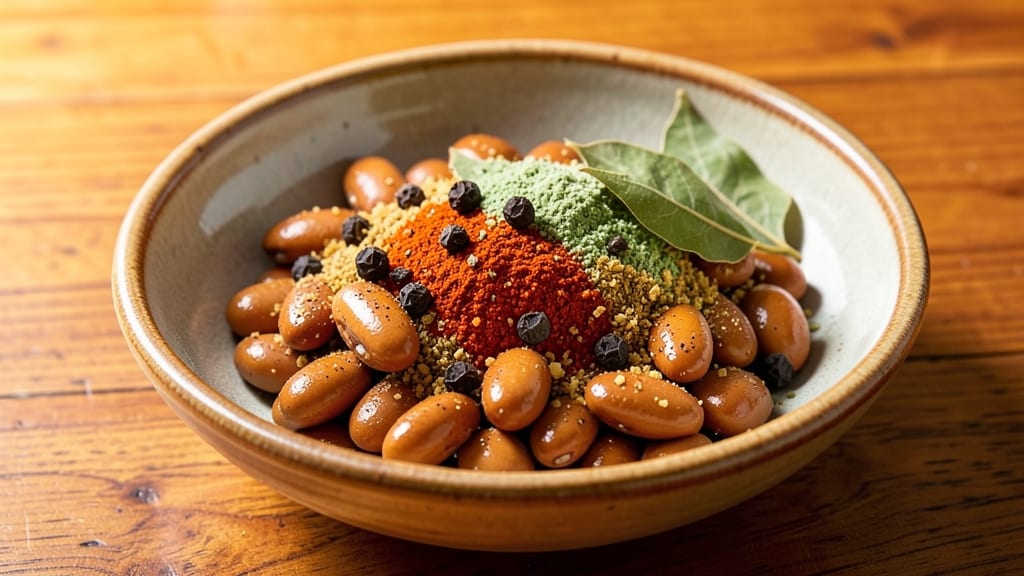
This Badia Pinto bean seasoning recipe transforms simple beans into restaurant-worthy dishes with just a sprinkle. The blend of smoky cumin, garlic powder, and earthy bay leaf creates a deep, aromatic profile that elevates every bite—no complicated techniques required.
I developed this mix after years of perfecting Portuguese-inspired flavors, and it’s now my go-to for hearty stews, soups, and even roasted beans.
The secret lies in the balance: smoked paprika adds warmth, while black pepper brings a subtle kick. Unlike store-bought blends, this version uses whole spices (like coriander seeds) for richer flavor, and the garlic powder ensures every dish has that signature savory depth.
It’s designed to be measured in tablespoons, making it easy to adjust to your taste or the size of your recipe.
What makes this seasoning truly special is its versatility—it works equally well on beans, meats, or even grilled vegetables. The spices are toasted lightly before blending to release their natural oils, ensuring maximum flavor in every sprinkle.
Store it in an airtight container for up to 6 months, and you’ll always have a pantry staple ready to transform ordinary meals into something extraordinary.
Whether you’re cooking a slow-simmered stew or a quick weeknight dish, this blend cuts prep time without sacrificing depth. The foolproof method ensures consistent results, and the no-fuss storage means you can keep it on hand for any occasion. Let’s get started!
Ingredients for badia pinto bean seasoning
Nine spices blend into a smoky, garlicky magic for Badia Pinto beans—simple yet restaurant-worthy.
| Ingredient | Amount | Notes |
|---|---|---|
| Ground Cumin 🌿 | 2 tbsp | Toasted for deeper flavor |
| Smoked Paprika 🌶️ | 1 ½ tbsp | High-quality smoked variety |
| Garlic Powder 🧄 | 2 tsp | Freshly ground preferred |
| Dried Bay Leaf 🍃 | 1 tsp | Crushed for better dispersion |
| Ground Coriander 🌿 | 1 ½ tbsp | From whole seeds if possible |
| Black Peppercorns 🌶️ | 1 tsp | Freshly cracked preferred |
| Onion Powder 🧅 | 1 tbsp | Freshly ground for best flavor |
| Sea Salt 🧂 | 1 tsp | Diamond Crystal preferred |
| Ground Fennel Seeds 🌿 | ½ tsp | Toasted for aromatic depth |
| Ground Cloves 🌶️ | ¼ tsp | Lightly toasted for warmth |
The cumin and coriander are non-negotiable—Penzeys Spices or bulk bins at Whole Foods deliver the best quality. Look for smoked paprika with visible flecks (none of that dusty stuff), and toast your whole spicesvibrant green, not brown or brittle. For the garlic powder, McCormick's is reliable, but if you've got whole cloves, grind them fresh for a brighter kick.
No smoked paprika? Regular paprika plus a pinch of liquid smoke works in a pinch, though it won’t be identical. Swap coriander for cilantro powder at half the amount if you’re out, but you’ll lose some citrusy brightness. The fennel seeds can be omitted if unavailable—just bump the cumin up by a quarter teaspoon. For heat-sensitive cooks, reduce the cloves to one-eighth teaspoon or skip entirely. Store-bought blends often skimp on spices, but this mix delivers bold, layered flavor with every sprinkle.
Lightly toast the spices in a dry skillet for 1-2 minutes to wake up their aromas before blending. Store in an airtight glass jar in a cool, dark place—keeps its punch for 6 months. Measure directly from the jar for accuracy, and trust me, you’ll want to make extra. This blend transforms stews, roasted beans, and even grilled vegetables into something special with just a tablespoon or two.
Why You'll Love This Recipe
- Pantry Staples Only: I keep this mix in my spice rack year-round—just toss in cumin, paprika, and coriander, and boom. No fresh herbs to wilt, no last-minute grocery runs. The bay leaf and garlic powder add depth without extra effort, so it’s always ready when I am.
- Smoky Depth Magic: That smoked paprika? It’s the secret weapon. One teaspoon transforms simple beans into something rich and complex, like a slow-cooked stew without the hours. Honestly, my picky-eating partner asks for seconds every time.
- Weeknight to Potluck: Slap this on black beans for tacos, stir it into rice for bowls, or even sprinkle it on roasted veggies. I’ve taken it to family gatherings, and no one ever guesses it’s just five spices—until I tell them. (Yes, even on a Tuesday night.)
- Budget-Friendly Bulk: A little goes a long way, and these spices cost pennies. I make a big batch, store it in jars, and use it for months. My wallet—and my taste buds—thank me every time I open the lid.
Step-by-step instructions for Badia Pinto bean seasoning
This aromatic blend transforms simple beans into restaurant-quality flavor—let's make it together.
Toast Whole Spices for Maximum Flavor
Start by lightly toasting the whole spices in a dry skillet over medium heat for 1-2 minutes. Add the black peppercorns and ground fennel seeds first—their delicate aromas develop quickly. You'll see them darken slightly and release their oils, filling your kitchen with warm, earthy scents.
Toast the ground cloves separately in the same pan for 30 seconds—they burn easily, so watch closely. The moment they turn a rich golden brown, remove them immediately. This quick toasting enhances their sweet, warm notes without bitterness. Let all spices cool completely before grinding.
Grind Spices to Uniform Consistency
Using a high-quality spice grinder or mortar and pestle, grind the toasted spices into a fine powder. Start with the ground cumin and ground coriander—their earthy bases anchor the blend. Then add the toasted spices in small batches, grinding until you achieve a smooth, even texture with no visible specks.
I like to sift the ground spices through a fine-mesh strainer to eliminate any lingering grit. This ensures your seasoning blends seamlessly into dishes without texture surprises. The final powder should resemble a rich, golden-brown sand—smooth to the touch and fragrant enough to make your mouth water.
Combine All Ingredients Thoroughly
In a medium bowl, whisk together the 2 tbsp ground cumin, 1.5 tbsp smoked paprika, and 1.5 tbsp ground coriander to distribute their earthy tones evenly. Add the 2 tsp garlic powder and 1 tbsp onion powder next—they'll form the aromatic backbone of your blend.
Gently fold in the 1 tsp crushed dried bay leaf, 1 tsp sea salt, and the freshly ground toasted spices. Use a small whisk or fork to break up any clumps and ensure even distribution. The bay leaf adds subtle herbal depth, while the salt balances the spices' intensity.
Store Properly for Long-Lasting Freshness
Transfer the seasoning to an airtight glass jar or container with a tight-sealing lid. I recommend using a dark glass jar to protect the spices from light, which can degrade their flavor over time. Label the jar with the date and contents—this blend keeps its peak flavor for up to 6 months when stored in a cool, dark place.
For best results, shake the jar gently before each use to redistribute any settled spices. This blend works wonders on Pinto beans, but don't limit yourself—it elevates soups, stews, and even grilled meats. The smoky cumin and garlic notes will become your go-to for hearty, comforting dishes.
Pro Tips For Making Badia Pinto Bean Seasoning
- Toast the spices first: I used to just toss everything in raw, and the smoked paprika and coriander always tasted flat. Now I dry-toast the ground cumin and coriander in a skillet over medium-low for 30 seconds—just until you smell that warm, nutty aroma. Smoked paprika burns fast, so keep an eye on it and remove it last.
- Crush the bay leaf: Whole bay leaves? Nope. Tear each one into 2-3 pieces before adding—this lets the flavor infuse evenly instead of sitting as a bitter, underused lump. I keep a small knife handy to chop them while the spices toast, so they’re ready when the heat’s on.
- Balance the heat: Smoked paprika dominates fast. Start with half the amount listed, taste as you go, then add more if needed. I’ve ruined batches by overdoing it—now I make a small test mix first, especially if using a strong brand.
- Store with beans: Keep your seasoning in a small jar right with your dried pintos. The beans absorb the spices over time, making them taste like they’ve been simmering in the mix for days. Just shake the jar before each use—no measuring, no guesswork.
Wine and beer pairings for this recipe
Portuguese Red Wine
For Badia Pinto beans, I reach for a Portuguese red wine like Vinho Tinto from the Douro region—think Touriga Nacional or Tinta Roriz. These wines have rich, fruity notes of blackberry and plum that complement the smoky cumin and garlic in your seasoning blend.
A 2018 Quinta do Crasto or 2019 Casal Garcia offers perfect balance with their soft tannins and earthy undertones. Serve slightly chilled (55-60°F) to let the wine’s acidity cut through the beans’ heartiness. 🍷
Spanish Rioja
If Portuguese wine isn’t available, Spanish Rioja—especially a Tempranillo-based blend—works beautifully. Look for a Reserva like Muga or CVNE, which has vanilla and leather notes that harmonize with the smoked paprika in your seasoning.
The wine’s medium body and bright acidity cleanse your palate between bites of seasoned beans. Pair with a charcuterie board featuring manchego cheese and serrano ham for a full Iberian experience. 🧀
Craft Beer Pairings
For beer lovers, a Portuguese-style lager like Sagres or Super Bock provides a crisp, refreshing contrast. The hint of citrus in these lagers brightens the earthy spices in your blend.
If you prefer American craft, try a wheat beer (like Allagash White)—its banana and clove notes mirror the fennel and cloves in your seasoning.
For a bolder option, a Belgian Dubbel (such as Westmalle Dubbel) adds caramel and dark fruit that stand up to the smoky depth. 🍺
Non-Alcoholic Options
Skip the alcohol? A sparkling pomegranate juice (like Pom Wonderful) or hibiscus iced tea enhances the seasoning’s complexity. The tartness of pomegranate juice balances the smoky cumin, while the earthy notes in hibiscus tea echo the coriander and bay leaf.
For a savory touch, serve with a chilled gazpacho—its tomato and cucumber base provides a refreshing counterpoint to the seasoning’s warmth. 🍹
Wine Storage Tips
Store your wine horizontally in a cool (55°F), dark place to preserve its freshness. Once opened, re-cork and refrigerate red wine for up to 3 days—the seasoning’s spices won’t overpower it if stored properly.
For beer, transfer to a sealed bottle and refrigerate for 2-3 days to maintain carbonation. Pro tip: Use a wine vacuum pump to remove excess air and extend shelf life. ✨
Nutrition facts
Frequently asked questions
Can I use this seasoning on other types of beans?
This blend works beautifully on black beans, kidney beans, or even chickpeas. The smoky cumin and garlic notes complement the earthy flavors of any bean variety. For best results, use 1-2 teaspoons per pound of dry beans—adjust to taste. It’s also fantastic on roasted vegetables or grilled meats!
How much seasoning should I use for Pinto beans?
For 1 pound of dry Pinto beans, start with 1-2 tablespoons of the seasoning blend. Taste as you cook and add more if needed—the spices mellow as they simmer. For canned beans, reduce to ½-1 teaspoon per cup since they’re already cooked. Remember, you can always add more, but you can’t take it out!
What if I don’t have smoked paprika?
No problem! Mix 1.5 tablespoons regular paprika with ¼ teaspoon liquid smoke for a similar smoky flavor. For a milder version, just use extra cumin (2.5 tablespoons total) and a pinch of cayenne. The blend will still be delicious—just slightly less complex. The key is balancing the earthy and smoky notes!
How do I store leftover seasoning?
Keep your seasoning fresh by storing it in an airtight glass jar in a cool, dark place (like your pantry). It’ll stay flavorful for up to 6 months. For long-term storage, freeze small portions in ice cube trays—perfect for when you need just a pinch! Always shake the jar before using to distribute the spices evenly.
Can I make this seasoning without a spice grinder?
Yes! Use a mortar and pestle or even a rolling pin and clean cutting board. Crush the whole spices (like peppercorns and cloves) first, then mix them with the ground spices by hand. For a smoother texture, pulse the spices in a food processor for a few seconds. The key is achieving a consistent blend—just don’t over-process or it’ll turn into a paste!