
Soups & Stews
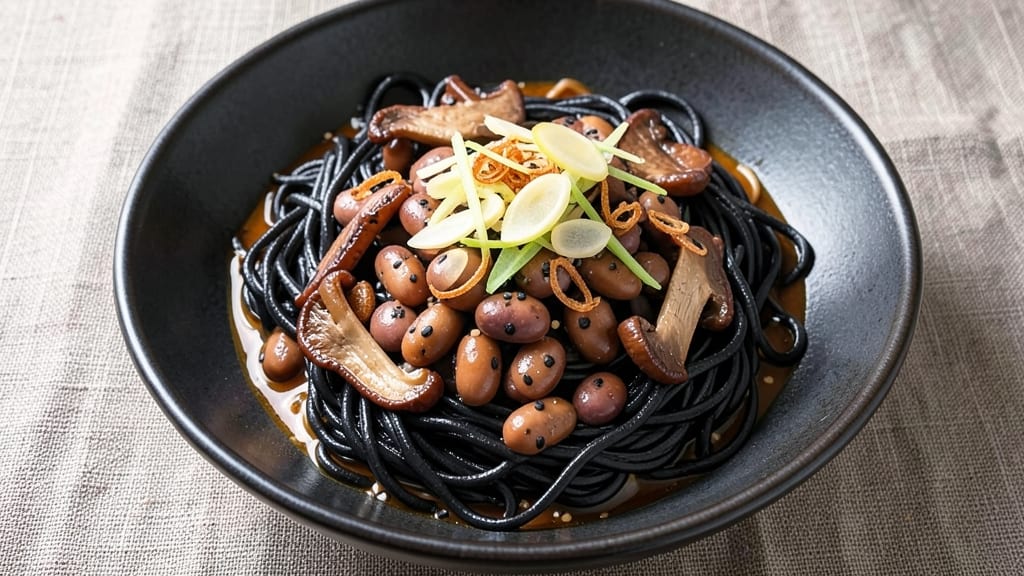
This vegan black bean ramen noodles recipe delivers restaurant-quality depth with a rich, umami-packed broth and satisfying crunchy toppings—all without a single animal product. The secret lies in a slow-simmered broth infused with mushrooms, garlic, and black beans, creating a velvety texture that coats every strand of noodle.
Unlike traditional ramen, this version transforms simple ingredients into a hearty, protein-rich bowl that's equally perfect for weeknight dinners or meal prep.
The beauty of this recipe is its flexibility—you can customize it with your favorite vegan toppings like crispy tofu, marinated mushrooms, or fresh scallions while keeping the core technique simple.
The black beans not only add protein but also thicken the broth naturally, eliminating the need for heavy cream or dairy substitutes. With just 30 minutes of active prep and 45 minutes of simmering, you'll have a bowl that's rich, flavorful, and packed with texture.
What makes this ramen truly special is how each component works together: tender, chewy noodles soak up the savory broth, while the black bean filling adds a hearty, meaty texture. The garnishes—crispy shallots, sesame seeds, and a drizzle of chili oil—elevate every bite with contrasting textures and bold flavors.
It's the kind of dish that feels indulgent yet remains balanced and nutritious, proving plant-based meals can be deeply satisfying.
Whether you're serving a crowd or prepping for the week, this recipe scales effortlessly while maintaining its depth of flavor. The broth freezes beautifully, so you can make a big batch and enjoy it for days.
Let's dive into the steps that transform simple ingredients into a bowl of umami perfection.
Ingredients for black bean ramen noodles
Simple pantry staples transform into restaurant-worthy vegan ramen with umami depth.
| Ingredient | Amount | Notes |
|---|---|---|
| Dried Ramen Noodles 🍜 | 8 oz | Discard seasoning packet |
| Black Beans 🫘 | 1 ½ cups | Cooked or canned, drained |
| Shiitake Mushrooms 🍄 | 8 oz | Fresh or rehydrated dried |
| Garlic Cloves 🧄 | 6 cloves | Minced for depth of flavor |
| Fresh Ginger 🌿 | ½ inch | Peeled and sliced thin |
| Fresh Ginger 🌿 | 2 tbsp | Grated for aromatic base |
| Vegetable Broth 💧 | 4 cups | Low-sodium preferred |
| Soy Sauce 🍶 | 3 tbsp | Tamari for gluten-free |
| Sesame Oil 🫒 | 1 tbsp | Toasted for nutty aroma |
| Miso Paste 🍶 | 2 tbsp | White or red miso |
| Lime Juice 🍋 | 1 tbsp | Freshly squeezed |
| Green Onions 🧅 | 3 whole | Sliced for garnish |
| Sesame Seeds 🌾 | 1 tbsp | Toasted for crunch |
| Red Chili Flakes 🌶️ | 1 tsp | Adjust to taste |
| Extra-Firm Tofu 🍳 | 8 oz | Press and cube for crispy topping |
The black beans are the unsung hero here—canned or cooked from dry, they thicken the broth naturally without dairy. Trader Joe's has the best canned black beans for this (no funny additives), but any organic brand works. Shiitake mushrooms add that meaty texture—dried mushrooms are a budget-friendly secret, just soak them in hot water for 20 minutes first. Fresh ginger? Buy a small knob at the grocery store's produce section—it keeps for weeks in the freezer once peeled. For the broth, low-sodium vegetable broth is key; you'll be adding plenty of salt through soy sauce and miso anyway. The miso paste? White miso gives a cleaner flavor, but red adds depth if you're feeling adventurous.
No fresh ginger? Powdered works at half the amount—though fresh has that zing you can't replicate. Out of shiitake mushrooms? Cremini or oyster mushrooms are solid swaps. The tofu topping can be any firm variety—extra-firm holds shape best when pan-fried. For extra crunch, toss the cubed tofu in cornstarch before frying. The ramen noodles? Discard that seasoning packet—it's packed with salt and msg. If you're making this for a crowd, double the black beans and mushrooms; the broth will only get richer. And if you're prepping ahead, cook the noodles last so they stay chewy.
Broth freezes beautifully—portion into ice cube trays for easy reheating. The tofu topping? Best fresh, but you can reheat it gently in a dry pan. Store the broth components (beans, mushrooms, aromatics) separately in the fridge for 5 days, or freeze for 3 months. The miso paste keeps indefinitely in the pantry, and sesame oil lasts 6 months once opened. Pro tip: Toast your sesame seeds in a dry pan for 2 minutes before using—they'll sing with aroma. Make a big batch; leftovers taste even better the next day as flavors meld.
Why You'll Love This Recipe
- I’ll be real: this recipe costs me less than takeout but feels way more satisfying. A few dried mushrooms, a can of beans, and ramen? That’s a full meal for under five bucks. Plus, the leftovers taste just as good reheated as they do fresh.
- Pantry Magic: I swear, this dish is my go-to when I’ve got nothing but beans, mushrooms, and a bag of ramen. No fancy prep—just toss everything in one pot, let it simmer, and boom. The black beans add richness while the shiitakes soak up the garlic-ginger punch like a sponge.
- Umami Bomb: That crispy edge on the ramen noodles? The deep, earthy shiitakes? The way the black beans melt into the broth? Honestly, it’s the kind of flavor that makes you forget you’re eating something this simple. The ginger lingers just enough to keep it interesting.
- Lunchbox Hero: Between us, this is my secret weapon for meal prep. Cook a big batch, portion it into containers, and you’ve got a protein-packed lunch for days. My kids even ask for it—yes, even on a Tuesday night—because it’s filling, warm, and doesn’t taste like "leftovers."
Step-by-step instructions for black bean ramen noodles
Here's how to craft a rich, umami-packed ramen with bold flavors and satisfying textures.
Prepare the Crispy Tofu Topping
Press the 8 oz extra-firm tofu between paper towels for 15 minutes to remove excess moisture. Cut it into ½-inch cubes—this size gives you maximum surface area for crispiness. Heat 1 tablespoon sesame oil in a nonstick skillet over medium-high heat until shimmering.
Add the tofu cubes in a single layer, being careful not to overcrowd the pan. Cook undisturbed for 4-5 minutes until the bottoms develop a deep golden-brown crust. Flip carefully and cook another 3-4 minutes until evenly crispy. Transfer to a paper towel-lined plate to drain excess oil. Keep warm while you prepare the rest of the dish—this topping should stay crunchy until serving.
Build the Umami-Packed Broth
In a large pot, combine 4 cups vegetable broth, 3 tablespoons soy sauce, 2 tablespoons miso paste, 6 cloves minced garlic, 2 tablespoons grated fresh ginger, and ½-inch sliced fresh ginger. Bring to a gentle simmer over medium heat, then reduce to a low boil. Let it cook uncovered for 10 minutes—this allows the flavors to meld and develop depth.
While the broth simmers, slice the 8 oz shiitake mushrooms into ¼-inch strips. Add them to the pot along with 1.5 cups cooked black beans (drained if canned). Simmer for another 5 minutes until the mushrooms soften slightly and the beans warm through. Taste and adjust seasoning—add more soy sauce if needed for saltiness or a pinch of red chili flakes for heat.
Cook the Noodles and Assemble
Discard the seasoning packet from the 8 oz dried ramen noodles. Cook them in a separate pot of boiling salted water for 2 minutes less than package instructions—ramen cooks faster in broth. Drain and set aside. The noodles should be al dente when they hit the broth.
Divide the cooked noodles among 4 bowls. Ladle the hot broth over the noodles, ensuring each serving gets an even distribution of mushrooms and beans. Drizzle with 1 tablespoon sesame oil and 1 tablespoon lime juice—this brightens the rich flavors. Top each bowl with crispy tofu cubes, 1 tablespoon toasted sesame seeds, and 1 sliced green onion. Finish with an extra sprinkle of red chili flakes for heat.
Garnish and Serve Immediately
Let the ramen sit for 1 minute before serving—this allows the noodles to absorb the last bit of broth and soften slightly. Garnish each bowl with the remaining 2 sliced green onions and a final drizzle of lime juice for acidity. The contrast of crispy tofu, silky noodles, and tender mushrooms makes every bite exciting.
Serve with chopsticks and a small bowl of extra broth on the side for dipping. The miso and black beans create a deep umami base, while the lime and chili add brightness and heat. This isn't just ramen—it's a bold, textured meal that delivers restaurant-quality flavor at home.
Pro Tips For Making Black Bean Ramen Noodles
- SOAK BEANS 8 HOURS: I learned this the hard way—rinsing canned beans and tossing them in feels lazy, but they never soften properly. For actual texture, swap canned for dried black beans soaked overnight (or at least 8 hours). They’ll break down into a creamy, rich base that clings to noodles instead of sitting like watery mush.
- SAUTE MUSHROOMS DRY: Wet shiitake mushrooms release too much liquid, turning your broth into soup. Pat them thoroughly with a paper towel before slicing, then sear them in a dry pan for 3-4 minutes until they release their own oils. That caramelized flavor sticks to noodles way better than steamed mushrooms ever will.
- DON’T BOIL NOODLES RAW: I used to drop ramen noodles straight into simmering broth, and they’d turn to glue. Instead, par-cook them for 90 seconds in salted boiling water, then drain and shock in ice water. When you add them to the broth, they’ll finish cooking perfectly without falling apart.
- GINGER-GARLIC PASTE FIRST: Sounds weird, but it works—grate ginger and garlic into a paste with a splash of water before cooking. This prevents burning and lets the flavors meld into the broth instead of sticking to the pan. Just 1 teaspoon of paste (about 2 cloves garlic + 1-inch ginger) makes a real difference.
Troubleshooting this dish
Broth Too Thin?
If your broth isn't thick enough, simmer the black beans uncovered for an extra 10-15 minutes—this allows excess moisture to evaporate while concentrating flavors. For a quicker fix, mash ½ cup of the cooked beans with a fork and stir back into the broth.
The natural starch from the beans will thicken it beautifully without altering the flavor. 💫
Mushrooms Staying Hard?
Shiitake mushrooms need patience! If yours aren't softening, slice them thinner (⅛-inch thick) and simmer for an additional 5 minutes. For extra tenderness, add 1 cup hot water to the pot to create steam.
Dried mushrooms? Soak them in hot water for 20 minutes before using—this jumpstarts their cooking process.
Noodles Turning Mushy?
Overcooked noodles are a classic ramen fail. Cook them 2 minutes less than package instructions, then immediately shock them in ice water for 30 seconds to halt cooking. For extra chewiness, use fresh egg-free ramen noodles like Myojo or Nongshim—they hold up better in broth.
Always cook noodles in the broth they'll be served with for perfect texture.
Tofu Not Crispy?
For maximum crispiness, press the tofu for 30 minutes (not 15) and pat it completely dry with paper towels. Use a nonstick skillet with high heat—medium heat creates steam instead of a crust.
For extra crunch, toss the cubed tofu in 1 tbsp cornstarch before frying. Keep the pan uncovered to prevent moisture buildup.
Flavor Too Mild?
Boost umami by adding 1 tbsp fish-free Worcestershire sauce (like Annie's) or 1 tsp nutritional yeast to the broth. For depth, stir in 1 tsp miso paste at the end of simmering.
A splash of rice vinegar (1 tsp) enhances brightness, while ½ tsp smoked paprika adds complexity. Taste as you go—this broth is forgiving but rewards attention.
Broth Too Salty?
If the broth tastes overly salty, dilute it with ½ cup hot water and simmer for 5 minutes to let flavors rebalance. For a fresher taste, add 1 tbsp lime juice or ½ cup fresh cilantro—both cut through saltiness beautifully.
Avoid adding more broth, as it'll dilute the umami you've worked so hard to build. 💡
Nutrition facts
Frequently asked questions
Can I make this recipe without black beans?
The black beans are key for protein and natural broth thickening, but you can substitute with 1 cup cooked lentils or ½ cup mashed chickpeas for a similar texture. For umami depth, add 1 tbsp soy sauce or 1 tsp miso paste extra to compensate for the missing bean flavor. The broth will be thinner but still delicious!
How do I make this gluten-free?
Use tamari (gluten-free soy sauce) instead of regular soy sauce and certified gluten-free ramen noodles. Check that your miso paste is also gluten-free (white miso is typically safe). All other ingredients are naturally gluten-free, so no other swaps are needed. The flavor will still be rich and satisfying!
Can I prepare this ahead of time?
Make the broth and store it in the fridge for 5 days or freeze it in portions. Cook the noodles fresh when serving to maintain their chewiness. The crispy tofu topping is best made day-of, but you can reheat pre-made tofu gently in a dry pan. Garnishes like sesame seeds and green onions can be added fresh after reheating.
What's the best way to store leftovers?
Store leftovers in an airtight container in the fridge for 3-4 days. Reheat the broth and noodles separately—bring the broth to a boil, then add the noodles and heat through for 1-2 minutes. Add fresh toppings like crispy tofu and green onions after reheating to keep them crisp. The flavor actually improves overnight as components meld!
How can I make this spicier?
Add 1 extra tablespoon of red chili flakes to the broth or stir in 1-2 teaspoons of sriracha at the end. For heat with depth, include ½ teaspoon of gochujang (Korean chili paste) when building the broth. Garnish with extra chili oil or sliced jalapeños for a fiery kick. Start with small amounts—you can always add more!