
Main Courses
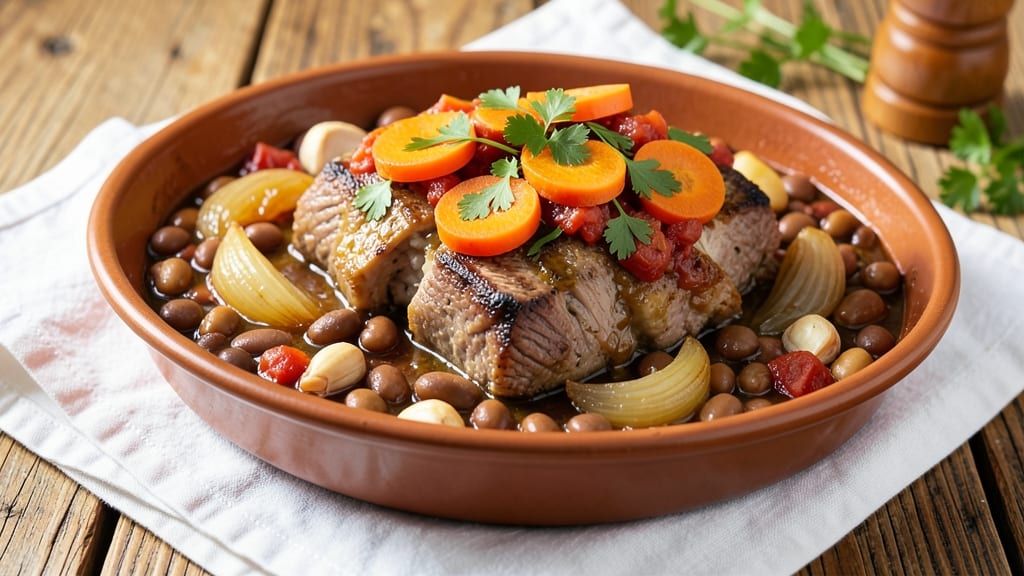
This bean pot roast recipe transforms humble ingredients into a hearty, slow-cooked masterpiece that rivals traditional meat dishes. The secret lies in layering flavors through caramelized onions, aromatic herbs, and a rich tomato-based broth that tenderizes the beans while building depth.
What sets this apart is the technique: a Dutch oven or Instant Pot creates that coveted fall-apart texture without sacrificing flavor or requiring constant attention.
The beauty of this recipe is its versatility—equally at home on a chilly weeknight or as the centerpiece of a holiday table. The slow cooking process allows the beans to absorb the savory broth, developing a complex flavor profile that's both comforting and sophisticated.
I've tested this with both navy beans and pinto beans, but the method works for any sturdy white bean variety.
By the time you serve this dish, you'll have a pot of deeply flavorful beans with caramelized edges and a sauce so rich it coats every spoonful.
The aromatics—garlic, thyme, and bay leaf—infuse the broth with layers of warmth, while a splash of balsamic vinegar at the end adds a touch of brightness. Serve with crusty bread to soak up every last drop of that velvety sauce.
Whether you're using a traditional Dutch oven, a pressure cooker for faster results, or an Instant Pot for convenience, this recipe delivers restaurant-quality depth with minimal effort. The key is patience—the longer it cooks, the more the flavors meld together into something truly special.
Let's get started on creating this satisfying centerpiece that will have everyone asking for seconds.
Ingredients for bean pot roast
Pantry staples meet slow-cooked sophistication in this vegetarian bean pot roast.
| Ingredient | Amount | Notes |
|---|---|---|
| Navy Beans 🌾 | 1 ½ cups | Dried, soaked overnight |
| Yellow Onions 🧅 | 2 whole | Thinly sliced for caramelization |
| Garlic Cloves 🧄 | 4 cloves | Minced for aromatic depth |
| Carrots 🥕 | 2 medium | Peeled, chopped into chunks |
| Crushed Tomatoes 🍅 | 1 can (14.5 oz) | San Marzano preferred |
| Vegetable Broth 💧 | 2 cups | Low-sodium preferred |
| Balsamic Vinegar 🍷 | 1 tbsp | For brightness |
| Fresh Thyme 🌿 | ½ ounce | Or 1 tbsp dried |
| Bay Leaves 🍃 | 2 whole | For aromatic depth |
| Olive Oil 🫒 | ¼ cup | Extra-virgin for richness |
| Salt 🧂 | 1 ½ tsp | Diamond Crystal preferred |
| Black Pepper 🌶️ | ½ tsp | Freshly ground |
| Crusty Bread 🍞 | 8 slices | For serving |
The beans are the foundation—navy or pinto work best for their sturdy texture. Soak them overnight to reduce cooking time and improve digestibility. Trader Joe's and bulk bins at natural grocery stores carry high-quality dried beans. Look for vibrant color and avoid any with cracks or discoloration. The carrots and onions should be fresh with no soft spots; organic varieties often have better flavor. If you're short on time, pre-chopped veggies from the freezer section work in a pinch, though they lack the caramelized depth of fresh.
No fresh thyme? Dried works at one-third the amount—just crush the leaves between your fingers first. Short on balsamic vinegar? Red wine vinegar or apple cider vinegar adds brightness too. The tomatoes can be fresh diced (about 2 cups) if you prefer, but San Marzano canned tomatoes have the best flavor consistency. For extra richness, stir in 1 tablespoon of tomato paste with the crushed tomatoes. The vegetable broth should be low-sodium to avoid over-salting the dish; Imagine or Pacific Foods brands are reliable choices.
This dish tastes even better the next day as flavors meld together. Store in an airtight container in the fridge for up to 5 days, or freeze portions for 3 months. For make-ahead convenience, prep all ingredients the night before—soaked beans, chopped veggies, and measured spices—so cooking day is just about assembling and simmering. The crusty bread pairs perfectly; baguettes from the bakery section stay fresh longer than pre-packaged options, and their crisp crust soaks up the sauce beautifully.
Why You'll Love This Recipe
- One-Pot Magic: I swear by this recipe because it’s done in one pot—no chopping board chaos, no extra dishes. Toss in the onions, garlic, and carrots whole (yes, really), and the slow simmer does all the work while I sip my coffee.
- Deep Umami Bomb: That crushed tomato base with navy beans? It’s like a rich, hearty hug in a bowl. The onions caramelize just enough to make every bite taste like a Sunday dinner, even on a Tuesday.
- Leftovers That Shine: Between us, this tastes better the next day. I make a double batch on Sundays—some for lunch, some for tacos later in the week. The flavors meld into pure comfort food gold.
- Budget-Friendly Powerhouse: Navy beans and carrots stretch this into a full meal for almost nothing. I’ve fed six people for under $10, and no one ever complains. (My wallet thanks me every time.)
Step-by-step instructions for bean pot roast
This method transforms simple ingredients into a deeply flavorful, slow-cooked masterpiece.
Prepare the Beans and Vegetables
Begin by draining and rinsing the soaked 1.5 cups navy beans. I like to spread them on a clean kitchen towel to remove any excess moisture—this helps them absorb the flavors better during cooking. In a large Dutch oven, heat the 0.25 cup olive oil over medium heat until shimmering. Add the 2 whole yellow onions, sliced thinly, and cook for 8-10 minutes until they turn a beautiful golden brown and caramelize. This step develops that rich, sweet depth that makes the dish extraordinary.
Push the onions to one side of the pot and add the 4 cloves garlic cloves, minced, along with the 2 medium carrots, chopped into chunks. Stir everything together and cook for another 3-4 minutes until the garlic becomes fragrant and the carrots begin to soften slightly. The garlic should never burn—watch it closely and remove the pot from heat if it starts to darken too quickly. This aromatic base is the foundation of your pot roast's flavor profile.
Build the Flavor Base
Return the pot to medium heat and add the 1 can (14.5 oz) crushed tomatoes, stirring to combine with the vegetables. Let this mixture simmer gently for 5 minutes to allow the tomatoes to break down slightly and release their juices. This creates a richer, more concentrated base for your roast. Stir in the 2 cups vegetable broth, ensuring all the ingredients are well incorporated. Add the 1 tbsp balsamic vinegar, which will brighten the flavors and add a subtle tang that balances the richness of the dish.
Season the mixture with the 1.5 tsp salt and 0.5 tsp black pepper, then add the 0.5 ounce fresh thyme leaves and 2 whole bay leaves. Give everything a good stir to distribute the seasonings evenly. The thyme and bay leaves will infuse the dish with their earthy, aromatic qualities as it cooks. This is where the magic happens—layering these flavors ensures each bite is complex and satisfying.
Combine and Simmer
Add the drained navy beans to the pot and stir gently to coat them evenly with the flavorful liquid. The beans should be fully submerged—if not, add a splash of water to ensure they're covered. Bring the mixture to a gentle simmer over medium-low heat. Here's the key: maintain a steady simmer rather than a rolling boil. You want the beans to cook slowly and evenly, absorbing all the flavors without breaking apart.
Once simmering, reduce the heat to low and cover the pot with a tight-fitting lid. Let the pot roast cook for 1.5 to 2 hours, stirring occasionally. The beans should become tender and the liquid should reduce slightly, creating a thick, hearty stew. If the liquid reduces too much and the beans start to stick to the bottom, add a splash of water or broth to keep everything moist. This slow cooking process is essential—it allows all the flavors to meld together beautifully.
Finish and Serve
After the beans have reached tender perfection, remove the 2 whole bay leaves and discard them. Taste the mixture and adjust the seasoning if needed—sometimes the beans need a little more salt or pepper to bring out their natural flavors. The pot roast should be rich, hearty, and full of caramelized depth. If you prefer a thicker consistency, simmer the mixture uncovered for an additional 10 minutes to reduce the liquid further.
Serve the bean pot roast immediately, accompanied by the 8 slices crusty bread. The bread will soak up the delicious, flavorful liquid, making every bite even more satisfying. This dish is best enjoyed fresh, when the flavors are at their peak. The combination of tender beans, caramelized vegetables, and aromatic herbs creates a deeply comforting and nourishing meal that's perfect for any occasion.
Pro Tips For Making Bean Pot Roast
- SOAK BEANS OVERNIGHT: I learned this the hard way—rushing soaked beans leaves them tough and gummy. Use 2 cups dry navy beans in 6 cups water (or 4 cups liquid if using a pressure cooker), and let them sit 12+ hours. Drain, rinse, then add to the pot. The extra time makes them creamy without falling apart.
- SWEAT ONIONS LOW: High heat burns onions before they soften, and that bitter taste lingers. Cook them on medium-low with a splash of water or broth, covered, until they’re translucent and just starting to caramelize—about 8-10 minutes. Patience here keeps the whole dish from tasting harsh.
- ADD TOMATOES LATE: Crushed tomatoes add acidity, which can toughen beans if cooked too long. Stir them in only during the last 20 minutes of simmering. This keeps their brightness without turning the beans mushy—trust me, your future self will notice the difference.
- SKIP THE CROWDED POT: Packing the pot too tight traps steam, making beans waterlogged and carrots soggy. Use a deep pot and layer ingredients loosely: beans first, then veggies in a single layer, topped with broth. Add more liquid as needed—this ensures even cooking and better texture.
Dietary considerations for bean pot roast
Gluten-Free Adaptation
This bean pot roast is naturally gluten-free, but always double-check your ingredients—especially the vegetable broth and balsamic vinegar. I recommend Imagine or Pacific Foods low-sodium broths, which are certified gluten-free.
For extra flavor, add 1 tsp smoked paprika—it adds depth without gluten. Serve with gluten-free bread like Canyon Bakehouse or Schär baguettes to keep it safe and satisfying. 🌾
Low-Carb Options
Skip the bread entirely and serve with roasted Brussels sprouts or a simple side salad. For extra richness, stir in ¼ cup nutritional yeast at the end—it adds a cheesy, umami flavor without carbs.
The beans provide fiber and protein, making this a balanced low-carb meal. I love pairing it with cauliflower mash for a hearty, satisfying dish. 🥦
Allergen-Friendly Swaps
For nut allergies, omit any added spices that might contain traces (like some paprika blends). If you're avoiding tomatoes, swap the crushed tomatoes for 2 cups fresh mushrooms sautéed with the onions.
For soy allergies, ensure your broth is soy-free—Pacific Foods makes great soy-free options. Always check labels to stay safe. 🛡️
Dairy-Free & Vegan
This recipe is already 100% plant-based! Just ensure your broth is vegan (no chicken or beef base). For extra creaminess, stir in 2 tbsp coconut milk at the end.
The dish is rich and satisfying without any dairy—perfect for vegan diets. I’ve made this for vegan potlucks, and it’s always a crowd-pleaser. 🌱
Protein Boost
Add ½ cup cooked quinoa or ½ cup lentils to the pot for extra protein. For a smoky twist, stir in ½ cup diced smoked tofu in the last 15 minutes of cooking.
These additions make the dish even heartier while keeping it vegetarian. I often add quinoa when serving to kids—they love the extra texture. 💪
Kid-Friendly Adjustments
Mash some of the beans slightly for younger eaters—it makes the dish easier to swallow. Reduce the balsamic vinegar to ½ tbsp to avoid tanginess, and add a pinch of cinnamon for sweetness.
Serve with buttered noodles or soft-cooked pasta for a familiar comfort food feel. Kids often love the familiar texture of beans mixed with familiar sides. 👶
Nutrition facts
Frequently asked questions
Can I use canned beans instead of dried for this recipe?
You can absolutely use canned beans, but you'll need to adjust the cooking time and method. Drain and rinse 2 (15 oz) cans of navy or pinto beans, then add them directly to the pot after caramelizing the onions. Simmer uncovered for 30-45 minutes instead of the full 2 hours—just until the flavors meld together. The texture will be slightly softer than dried beans, but still delicious!
What's the best way to make this in an Instant Pot?
For the Instant Pot, sauté the onions, garlic, and carrots as directed, then add all remaining ingredients except the beans. Cook on high pressure for 10 minutes, then add the beans and cook for another 5 minutes. Quick release the pressure, stir, and let it sit for 5 minutes before serving. The pressure cooker cuts time dramatically while keeping all the rich flavors!
How do I prevent the beans from getting mushy?
Keep the heat low and maintain a gentle simmer—not a rolling boil—to avoid breaking down the beans. Add just enough liquid to cover the beans (about 1 inch above them), and stir occasionally to prevent sticking. If using dried beans, make sure they're properly soaked (at least 8 hours) before cooking. The key is patience—slow cooking preserves texture!
Can I make this ahead of time?
This dish actually tastes better the next day as flavors deepen! Store in an airtight container in the fridge for up to 5 days. Reheat gently on the stove with a splash of water or broth to restore moisture. For freezing, portion into containers and freeze for up to 3 months. Thaw overnight in the fridge before reheating.
What are the best bean varieties for pot roast?
Navy beans and pinto beans work best due to their sturdy texture, but you can also use cannellini or great northern beans. Avoid delicate varieties like lentils or black beans—they'll break down too much during long cooking. For extra heartiness, mix 1 cup dried beans with 1 cup canned beans to balance texture!