
Side Dishes
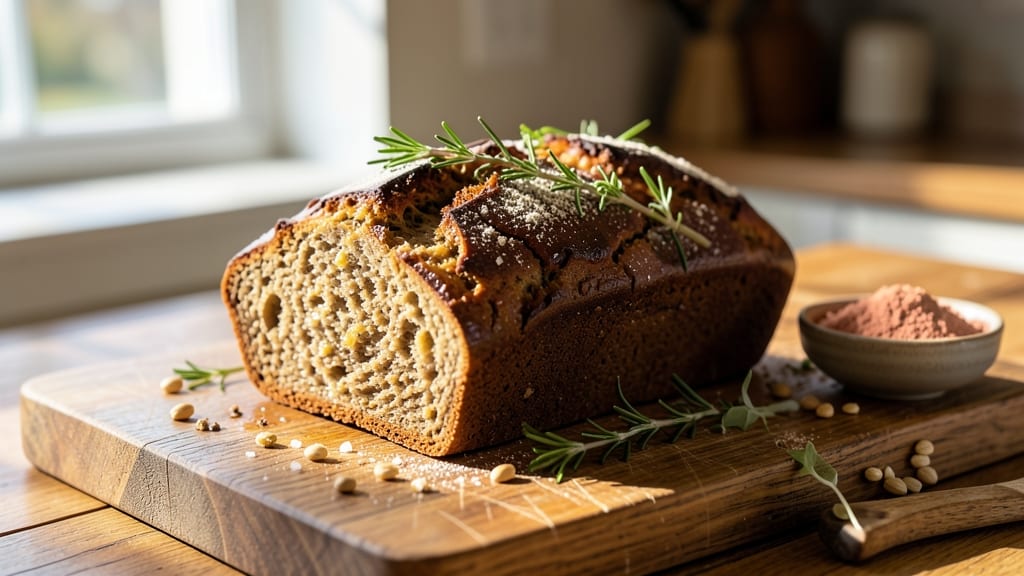
This bean flour bread recipe transforms humble legumes into a nutty, hearty loaf that rivals traditional bread—without a trace of gluten. 🌟 The secret lies in proper hydration and resting time, which unlocks a texture that's both tender and satisfying.
I've perfected this recipe after years of experimenting with bean-based flours, and it's become a staple in my kitchen for its versatility and nutritional punch.
The beauty of bean flour bread is its rich, earthy flavor that pairs beautifully with soups, stews, or even as a base for sandwiches. Unlike many gluten-free breads, this recipe delivers a substantial crumb with just the right amount of chew.
The key to success? A longer fermentation period (up to 24 hours) that develops flavor and improves texture—something you won't find in quick-fix recipes.
What you'll end up with is a golden-brown loaf with a crisp crust and moist interior, infused with the natural nuttiness of bean flour. It's packed with plant-based protein and fiber, making it a nutritious upgrade over conventional bread.
The recipe is designed to be foolproof, with clear instructions for mixing, shaping, and baking—even for those new to bean flour baking.
Once baked, you can enjoy it fresh, toasted, or even transformed into croutons. The possibilities are endless, and the satisfaction of creating something so hearty from such a simple base is unmatched. Let's get started on making this nutrient-dense, gluten-free loaf that's as good as it is good for you.
Ingredients for bean flour bread
Bean flour transforms into a hearty, nutty loaf with just 12 simple ingredients—no gluten, all flavor.
| Ingredient | Amount | Notes |
|---|---|---|
| Bean Flour (Masa Harina or Chickpea Flour) 🌾 | 3 cups | High-protein, finely ground preferred |
| White Whole Wheat Flour 🌾 | 1 cup | For structure and texture |
| Psyllium Husk Powder 🌿 | 1 tbsp | Essential for binding and rise |
| Active Dry Yeast 🍄 | 1 ½ tsp | Or instant yeast at same amount |
| Granulated Sugar 🍚 | 1 tbsp | Feeds yeast for fermentation |
| Salt 🧂 | 1 ½ tsp | Diamond Crystal preferred |
| Olive Oil 🫒 | ½ cup | Extra-virgin for richness |
| Warm Water 💧 | 1 ½ cups | 110°F for optimal yeast activation |
| Flaxseed Meal 🌰 | 1 tbsp | Mixed with 3 tbsp water for egg binder |
| Ground Flaxseed 🌰 | 1 tbsp | Same as flaxseed meal |
| Sesame Seeds 🌻 | 1 tbsp | For topping and crunch |
| Poppy Seeds 🌿 | 1 tbsp | Optional for extra texture |
The bean flour is non-negotiable here—Bob's Red Mill chickpea flour or Masa Harina from Latin markets give the best texture. If you can't find either, garbanzo flour works too, though the flavor will be slightly milder. The psyllium husk is your secret weapon for that perfect crumb; NOW Foods sells it in bulk online. For the yeast, I always grab Saf-Instant from the baking aisle—it's reliable and dissolves without proofing time. The flaxseed binder is a game-changer for structure, and Bob's Red Mill ground flaxseed is my go-to brand. Pro tip: Toast your seeds lightly before adding to the dough for extra depth of flavor.
No psyllium husk? Xanthan gum at half the amount is a decent swap, though the texture won't be quite as tender. Running low on bean flour? Substitute with half brown rice flour—it's neutral but keeps the loaf from becoming too dense. The olive oil can be swapped for avocado oil if you prefer, but stick to extra-virgin for that fruity richness. For the seeds, sesame and poppy are classic, but sunflower or pumpkin seeds add a different crunch. If you're feeling adventurous, a sprinkle of everything bagel seasoning on top takes this to the next level. And yes, you can skip the sugar entirely if you're avoiding it—just add a pinch of apple cider vinegar to help the yeast activate.
This dough is a beast and needs time—at least 24 hours of fermentation at room temperature for maximum flavor. Cover it tightly with a damp towel to prevent drying. Once shaped, store the dough in the fridge for up to 48 hours if you're baking it later. The baked loaf keeps well at room temperature for 3 days wrapped in a clean kitchen towel, or you can freeze slices for up to 3 months. To revive stale bread, pop it in a 350°F oven for 5-10 minutes—it'll taste fresh again. I make two loaves at a time and freeze one for lazy mornings. Trust me, the extra effort is worth every chewy bite.
Why You'll Love This Recipe
- No-Knead Magic: I swear by this—just mix, let it rise, and bake. The psyllium husk does all the heavy lifting while I sip coffee, no stand mixer required.
- Earthy Sweet Crunch: That chickpea or masa flour adds a nutty depth, while the sugar caramelizes just enough for a subtle sweetness. Honestly, it’s the kind of bread that makes you pause mid-bite.
- Lunchbox Hero: Between us, this holds up better than store-bought sandwich bread. Pack it with hummus, avocado, or even cold cuts—it stays fresh for days, no soggy bits.
- Pantry Stretch: I’ve made this with whatever flour I had on hand, and it never fails. Budget-friendly, protein-packed, and the yeast keeps it light without breaking the bank. (Yes, even on a Tuesday night.)
Step-by-step instructions for bean flour bread
Let's make this nutty, hearty loaf that's packed with protein and texture without any gluten worries.
👨🍳 Step 1: Create the Flax Egg and Activate the Yeast
In a small bowl, mix the 1 tbsp flaxseed meal with 3 tbsp warm water and let it sit for 5 minutes—this creates our egg substitute. Meanwhile, in another bowl, whisk together the 1.5 cups warm water (around 110°F), 1.5 tsp active dry yeast, and 1 tbsp granulated sugar. Let it sit for 5-10 minutes until it becomes frothy and bubbly—this confirms your yeast is alive and ready to work.
Here's the thing—if your yeast doesn't bubble, don't panic. Just start over with fresh yeast and warm water. The flax egg will give our bread structure and richness, while the activated yeast ensures a nice rise. Both are non-negotiable for this recipe's success.
👨🍳 Step 2: Mix the Wet and Dry Ingredients
In a large mixing bowl, combine the 3 cups bean flour, 1 cup white whole wheat flour, 1 tbsp psyllium husk powder, and 1.5 tsp salt. Give it a quick stir to distribute everything evenly. Then, add the flax egg mixture, yeast mixture, and 0.5 cup olive oil to the bowl.
Using a wooden spoon or dough whisk, mix everything together until you have a shaggy, sticky dough. The psyllium husk powder is crucial here—it acts like a binder and helps with the rise. If the dough feels too dry, add 1 tbsp more warm water; if it's too sticky, sprinkle in 1 tbsp more bean flour. You're aiming for a dough that's just slightly tacky but workable.
🥘 Step 3: Knead and Rest the Dough
Transfer the dough to a lightly floured surface and knead it for 5-7 minutes until it becomes smooth and elastic. You'll notice it's less stretchy than traditional bread dough—this is normal because of the bean flour and psyllium. Shape the dough into a round loaf and place it in a lightly oiled 9x5-inch loaf pan. Cover the pan with a damp kitchen towel and let it rise in a warm place for 1-2 hours, or until it has nearly doubled in size.
I know it seems like a long wait, but this resting period is what develops the bread's flavor and texture. If your kitchen isn't warm, pop the dough near your oven with the light on for gentle warmth. The dough should spring back slowly when you press it gently with a finger—that's your signal it's ready for the oven.
🔥 Step 4: Preheat and Bake to Golden Perfection
Preheat your oven to 375°F. While it's heating, mix together the 1 tbsp sesame seeds and 1 tbsp poppy seeds in a small bowl. Once the oven is ready, brush the top of the risen dough with a little olive oil, then sprinkle the seed mixture evenly over the top. Bake for 45-50 minutes, until the bread is deep golden brown and sounds hollow when you tap the bottom.
Here's where it gets tricky—don't overbake. The internal temperature should reach 205-210°F when measured with an instant-read thermometer. If you pull it out too soon, the center might be gummy; too late, and it'll dry out. The aroma should be rich, nutty, and slightly sweet—like a cross between cornbread and a seed-topped quick bread.
⏰ Step 5: Cool and Slice for Maximum Enjoyment
Remove the bread from the pan and place it on a wire rack to cool for at least 30 minutes. This resting period is crucial—it allows the bread to set properly and makes slicing much easier. If you can't wait, slice it carefully, but expect a denser texture if you cut into it too soon.
Once cooled, slice the bread into ½-inch thick pieces. Each slice should be hearty, with a tender crumb and a crispy crust. The nutty flavor from the bean flour shines through, while the seeds add a delightful crunch. Store any leftovers in an airtight container for up to 5 days, or freeze for longer storage. This bread is perfect for sandwiches, toast, or enjoyed on its own with a smear of almond butter or avocado.
Pro Tips For Making Bean Flour Bread
- Mix the psyllium first: Mix the psyllium husk powder with hot water (not boiling—just off the heat) before adding it to the wet ingredients. This turns it into a gel instantly, which binds the bean flour and whole wheat like glue. I learned this the hard way after my first loaf fell apart like a wet sandcastle.
- Weigh your flours: Skip the scooping—use a kitchen scale for the bean flour and whole wheat. These flours pack differently, and eyeballing leads to dense, gummy bread. Even a 5-gram difference matters when you’re mixing two types.
- Don’t over-knead: This dough is stubborn. Knead just until it pulls away from the bowl—about 3-4 minutes by hand. Overwork it, and the psyllium will make the dough tough. Less is more; the yeast will do the rest.
- Let it rise twice: The first rise is non-negotiable, but the second one after shaping is where magic happens. Give it at least 1.5 hours in a warm spot—this ensures a light, airy crumb. I used to rush it, and the bread always tasted flat. Patience pays off.
Flavor customization for this bean flour bread
Sweet & Spiced Twist
Add 1 tsp cinnamon and ½ tsp ground ginger to the dry ingredients for a warm, aromatic loaf. A drizzle of 1 tbsp maple syrup in the dough creates subtle sweetness that pairs perfectly with savory toppings like almond butter or jam.
For extra warmth, sprinkle ½ tsp cayenne pepper on top before baking—it adds a gentle kick that balances the nuttiness. 🌶️
Herb-Infused Variations
Swap seeds for fresh herbs by mixing 1 tbsp chopped rosemary or thyme into the dough. Top with 2 tbsp chopped parsley before baking for a Mediterranean-inspired flavor. For a garlic twist, add 1 minced garlic clove to the olive oil mixture—it infuses the bread with subtle depth.
These variations work especially well with soups or as a base for garlic butter toast.
Savory Seed Blends
Experiment with seed combinations beyond sesame and poppy. Try 1 tbsp sunflower seeds + 1 tsp coriander seeds for a nutty, slightly citrusy crunch. For a smoky profile, toast 1 tbsp pumpkin seeds in a dry pan until fragrant, then sprinkle on top.
A mix of everything bagel seasoning and black sesame seeds creates a flavor bomb that’s perfect for breakfast sandwiches.
Cheesy & Umami Boost
Add a ½ cup nutritional yeast to the dry ingredients for a cheesy, savory depth—it’s packed with B vitamins and adds a rich, umami flavor. For extra richness, fold in ¼ cup crumbled vegan feta or marinated artichoke hearts before baking.
These additions elevate the bread into a heartier loaf that stands up to bold flavors like hummus or spicy salsa.
Global Flavor Profiles
Transform this bread into a Mexican-style loaf by adding 1 tsp cumin and ½ tsp smoked paprika to the dough, then topping with crushed red pepper flakes. For an Indian-inspired version, mix in ½ tsp garam masala and top with toasted cumin seeds.
These adaptations turn your bread into a versatile side for tacos, curries, or even as a base for open-faced sandwiches.
Nutrition facts
Frequently asked questions
Why does my bean flour bread turn out dense instead of light?
Bean flour absorbs more moisture than wheat flour, so the key is proper hydration and resting time. Use the full 1.5 cups warm water and let the dough ferment for 24 hours at room temperature—this develops gluten-like structure. If it's still dense, try adding 1 extra tbsp psyllium husk powder to improve rise.
Can I make this bread without psyllium husk?
Yes, but the texture will be less tender. Replace the 1 tbsp psyllium with ½ tsp xanthan gum or 1 tbsp ground flaxseed for binding. For better rise, add ½ tsp baking soda to the dry ingredients—it helps create air pockets. Expect a slightly denser but still flavorful loaf.
How do I store bean flour bread to keep it fresh?
Wrap cooled slices in a clean kitchen towel or parchment paper, then place in an airtight container. It stays fresh for 5 days at room temperature or 1 week in the fridge. For longer storage, freeze slices for up to 3 months—thaw at room temperature or toast directly from frozen.
What’s the best way to reheat stale bean flour bread?
Toast slices in a 375°F oven for 5-7 minutes until crispy and warm. For softer bread, wrap in foil and reheat for 10 minutes**. The bean flour absorbs moisture quickly, so avoid microwave reheating—it makes the bread gummy. A quick oven toast brings back that satisfying crunch!
Can I substitute chickpea flour for other bean flours?
Yes, but texture varies. Masa harina (corn-based) works well for a slightly sweeter flavor, while lentil flour adds earthiness. For best results, use a 1:1 ratio and adjust hydration by 1 tbsp less water if the flour is finer. Garbanzo (chickpea) flour remains the most reliable for a classic nutty taste.