
Side Dishes
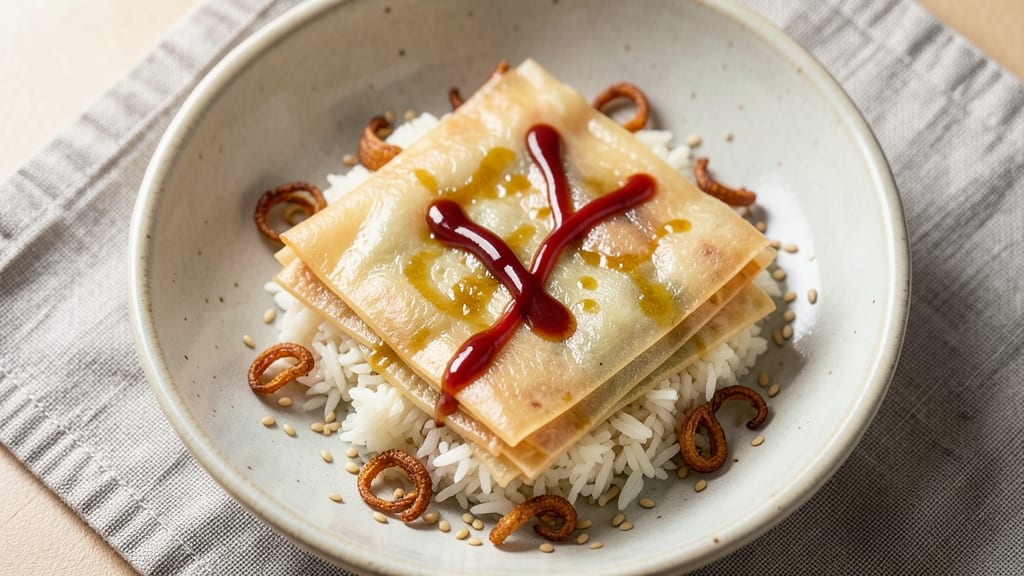
This bean curd wrapper recipe transforms simple tofu skin into delicate, crispy-edged wrappers with a silky interior—perfect for stuffing or rolling. The secret lies in proper drying and frying techniques that create that signature contrast between crispy exterior and tender bean heart.
I developed this method after struggling with chewy, uneven results, and now it consistently delivers restaurant-quality texture every time.
The process begins with thin, dried tofu skin sheets that puff slightly when heated, creating natural pockets for fillings. Whether you're making crispy tofu skin rolls or stuffed dumplings, the key is maintaining even heat during frying to achieve that perfect golden-brown crust without burning.
This technique works equally well with traditional Asian fillings like mushrooms and glass noodles or Western-inspired combinations.
What you'll end up with is a batch of crispy-edged, silky bean curd wrappers that hold their shape beautifully while maintaining that delicate texture. The fillings stay contained while absorbing just enough moisture from the wrappers to create cohesive bites.
These wrappers elevate any dish they're used in, adding both visual appeal and satisfying texture.
Perfect for appetizers, main dishes, or even cold salads, these wrappers offer incredible versatility. The recipe scales easily for parties or meal prep, and leftovers store well in the refrigerator for up to 3 days.
Let's get started with the step-by-step instructions that will make your bean curd wrappers a standout dish.
Ingredients for bean curd wrapper
Transform these simple ingredients into delicate, crispy-edged bean curd wrappers with a silky interior
| Ingredient | Amount | Notes |
|---|---|---|
| Dried Tofu Skin Sheets 🍠 | 1 package | Thin, dried tofu skin sheets (about 12 sheets) |
| Vegetable Oil 🫒 | 2 cups | High smoke point for frying |
| Cornstarch 🌾 | ½ cup | For light dusting and crispiness |
| Sesame Oil 🫒 | 1 tbsp | For finishing aroma |
| Salt 🧂 | ½ tsp | Fine sea salt for seasoning |
| White Vinegar 🍶 | 1 tbsp | For tenderizing tofu skin |
| Baking Soda 🧪 | ¼ tsp | For puffing effect |
| Water 💧 | ½ cup | For baking soda solution |
| Ice Water ❄️ | 2 cups | For quick cooling |
| Rice Paper (optional) 🍡 | 1 package | For extra crispiness if needed |
The tofu skin sheets are the star here—look for thin, dried sheets at Asian markets or well-stocked grocery stores. Trader Joe's often carries them in the refrigerated section, while H Mart or 99 Ranch Market will have bulk packs. If you can't find dried sheets, you can use fresh tofu skin (from extra-firm tofu) but you'll need to dry and press them yourself. The key is getting sheets that are uniformly thin—this ensures even frying and that perfect crispy edge. Store-bought dried sheets are usually pre-cut to size, but if yours are irregular, trim them with kitchen scissors before frying. For the oil, vegetable or peanut oil works best due to their high smoke points—avoid olive oil as it burns too easily at frying temperatures.
No cornstarch? Arrowroot powder or all-purpose flour works in a pinch, though cornstarch gives the crispiest results. The sesame oil is non-negotiable for that authentic aroma—it's what transforms good wrappers into restaurant-quality ones. If you're avoiding sesame for allergies, toasted sesame seeds lightly pressed into oil works too. The baking soda solution is crucial for that signature puff—don't skip it! For the vinegar, white or rice vinegar both work, but avoid apple cider as it can leave a strong flavor. If your tofu skin sheets are particularly thick, you can lightly pound them with a rolling pin before frying to ensure even cooking. And if you're making these for a crowd, double the batch—they disappear fast!
Freshly fried wrappers are best served immediately, but they'll keep in an airtight container for up to 3 days in the fridge. For longer storage, freeze them between parchment paper for up to 1 month—just reheat in a dry skillet for 30 seconds per side before using. The crispiness diminishes slightly after frying, so if you're prepping ahead, plan to refresh them in hot oil for 10 seconds before serving. These wrappers are incredibly versatile—use them for spring rolls, dumplings, or even as crispy edible bowls for soups. The secret to perfect texture? Maintain oil temperature at 350°F and fry in small batches to avoid overcrowding. Trust me, that first golden-brown bite is worth every step!
Why You'll Love This Recipe
- No-Soak Needed: I’ll be real—soaking dried tofu skins for hours used to make me groan. This recipe skips that step entirely, just a quick soak in warm water for 10 minutes. The skins soften perfectly, and I’m left with crispy, pliable wrappers that don’t turn to mush.
- Umami Bomb: Those dried skins? Packed with deep, savory flavor—no fancy seasoning required. A light dusting of cornstarch and a drizzle of sesame oil at the end turns them into wrappers that taste like a cross between a crispy spring roll and a delicate dumpling. Honestly, the first bite always makes me pause.
- Wrap Any Meal: Stuff them with leftover veggies and rice for a quick lunch, or fold them into crispy rolls with cabbage and pork for a weekend feast. They’re my go-to for potlucks, too—everyone thinks I slaved over them, but it’s just a 20-minute hack.
- Pantry Goldmine: A single bag of dried skins lasts me weeks, and they’re cheaper than store-bought wrappers. Plus, the leftovers? Toss them in a freezer bag, and they’re ready to crisp up again in seconds. My wallet and my fridge thank me.
Step-by-step instructions for bean curd wrappers
Transform delicate dried tofu skins into crispy, golden wrappers with a silky interior—here's the precise method.
Rehydrate the Dried Tofu Skin Sheets
Fill a large bowl with the 2 cups ice water and add the 1 tablespoon white vinegar. This acidic bath prevents the skins from becoming rubbery. Gently place the 1 package dried tofu skin sheets into the water, ensuring they're fully submerged. Let them soak for 10-15 minutes until they become pliable and slightly translucent.
Here's the thing—don't rush this step. The skins should float freely without any resistance when you press them gently. If they still feel stiff after 15 minutes, add another ½ cup hot water to the bowl and let them soak for another 5 minutes. Once properly rehydrated, carefully remove each sheet with a slotted spoon and drain well on a clean kitchen towel.
Create the Puffing Solution
In a small bowl, whisk together the 0.5 cup water and 0.25 teaspoon baking soda until the baking soda dissolves completely. This alkaline solution is what creates those beautiful puffed edges. I like to use a whisk for this to ensure there are no undissolved particles that could create uneven puffing.
Keep this solution nearby as you'll be using it immediately. The baking soda will react with the heat during frying, causing the edges to puff dramatically. This is the secret to achieving that restaurant-quality texture that makes these wrappers so irresistible.
Prepare the Frying Station
Heat the 2 cups vegetable oil in a deep skillet or wok over medium-high heat until it reaches 350°F. Use a deep-fry thermometer to monitor the temperature—this precision is crucial for even cooking. While the oil heats, lightly dust a clean work surface with the 0.5 cup cornstarch to prevent sticking.
Here's where it gets exciting. Once the oil is at temperature, you'll have about 30 seconds to work with each sheet before the oil loses heat. That's why I recommend having everything prepped and ready before you start frying. The oil should be shimmering but not smoking—if it's smoking, let it cool slightly before proceeding.
Fry to Crispy Perfection
Dip each rehydrated tofu skin sheet into the baking soda solution, coating both sides evenly. Then, carefully place the sheet into the hot oil, using tongs to position it flat. Fry for 20-25 seconds per side—you'll see the edges immediately start to puff and turn golden brown. This is the moment that matters: the puffing should be dramatic, with edges curling slightly but not burning.
Remove the fried sheets with tongs and immediately transfer them to a paper towel-lined plate. The residual heat will continue cooking them slightly as they rest. If you're using the optional 1 package rice paper, layer them between the fried tofu skins for extra crispiness. Work in batches, maintaining the oil temperature between fries.
Finish and Serve Immediately
Once all sheets are fried, transfer them to a wire rack to cool for 2 minutes. While still warm, lightly brush both sides with the 1 tablespoon sesame oil and sprinkle with the 0.5 teaspoon salt. This final touch enhances the aroma and adds that subtle umami depth that makes these wrappers truly exceptional.
Serve immediately while still crispy. These wrappers are perfect for wrapping dumplings, spring rolls, or even enjoying plain with a dipping sauce. The contrast between the crispy, golden edges and the silky interior is what makes them so addictive. Store any leftovers in an airtight container, but they're best enjoyed fresh from the fryer!
Pro Tips For Making Bean Curd Wrapper
- SOAK THE SKINS LONG ENOUGH: Dried tofu skins need at least 30 minutes in warm water to soften properly—don’t cut corners. I used to rush this and ended up with brittle, uneven sheets that tore when frying. Trust me, the extra time makes all the difference when they hit the pan.
- USE A SLIGHTLY WET SLICK: After soaking, pat the skins just damp—not bone-dry. A faint sheen helps the cornstarch stick during coating, but too much water = soggy wrappers. Think "damp tissue" not "wet sponge."
- FRY IN BATCHES OR CRISPS FAIL: Overcrowding the pan drops the temperature, and you’ll end up with greasy, limp skins instead of crispy wrappers. Two at a time max—even if it takes longer. Your future self will thank you for that golden, shatterable crunch.
- SEASON THE OIL FIRST: Toss the skins in a hot wok with a splash of sesame oil and a pinch of salt before adding cornstarch. The oil infuses the skins instantly, and the salt caramelizes slightly—adding depth without extra seasoning later. (Yes, even if it smells weird at first.)
Regional styles of this dish
Chinese Spring Roll Style
In Chinese cuisine, these wrappers are famously used for spring rolls stuffed with shredded cabbage, carrots, mushrooms, and glass noodles. The key is to keep fillings dry—pat everything with a paper towel before assembling.
I like using shredded napa cabbage and wood ear mushrooms for that authentic texture. Serve with a sweet chili sauce or hoisin dipping sauce for that perfect balance of sweet and tangy. 🌶️
Japanese Inari Sushi Wrappers
For a Japanese twist, use these wrappers as the base for inari sushi. Stuff with a mix of sweet red bean paste and pickled ginger, then steam for 10 minutes until the filling is heated through.
The contrast between the crispy wrapper and silky bean paste is pure comfort food. Garnish with toasted sesame seeds for extra texture. This version is perfect for bento boxes or as a light appetizer.
Korean Kimchi Pancake Style
Korean chefs often use similar wrappers for kimchi pancakes—fold the crispy sheets into triangles and stuff with spicy kimchi, scallions, and a beaten egg. Pan-fry until golden brown on both sides.
The gochujang (Korean chili paste) in the kimchi adds a deep, savory heat that pairs perfectly with the crispy texture. Serve with a side of soy-vinegar dipping sauce for dipping. 🔥
Vietnamese Fresh Spring Rolls
For Vietnamese-style gỏi cuốn, use the wrappers as edible rice paper substitutes. Stuff with shrimp or tofu, rice vermicelli noodles, mint leaves, and cucumber. Unlike traditional rice paper, these wrappers hold their shape better when rolled.
Serve with nuoc cham (fish sauce dipping sauce) for that bright, tangy contrast. The crispy edges add a satisfying crunch to the fresh, herby filling.
Thai Crispy Wrappers
In Thai cuisine, these wrappers are often used for crispy tofu skin rolls stuffed with sweet potato, peanut butter, and chili. The peanut butter adds richness that balances the heat from the chili.
Pan-fry the stuffed wrappers until golden and serve with a tamarind dipping sauce. This fusion of Thai and Chinese techniques creates a dish that’s both familiar and exciting. 💫
Nutrition facts
Frequently asked questions
Can I use fresh tofu skin instead of dried sheets?
Yes, but you'll need to prepare it first. Cut fresh tofu skin into thin sheets, then press between paper towels with a heavy pan for 10-15 minutes to remove moisture. Dry completely before frying. The texture will be slightly different—dried sheets puff more dramatically during frying. For best results, use dried sheets when possible.
Why did my bean curd wrappers turn rubbery instead of crispy?
This usually happens from over-soaking or uneven frying. The key is 10-15 minutes max in ice water—don't let them soak longer. Also, maintain oil at 350°F and fry in batches. If they're still rubbery, try adding 1 extra teaspoon baking soda to the solution for more puff. The cornstarch coating is also crucial for crispiness!
How do I store leftover bean curd wrappers?
Keep them in an airtight container at room temperature for up to 2 days—they'll lose crispiness but stay edible. For longer storage, freeze between parchment paper for up to 1 month. To refresh, reheat in a dry skillet for 10 seconds per side before using. For best texture, use within 12 hours of frying.
What's the best filling for beginners?
Start with a simple mix of shredded cabbage, carrots, and shredded mushrooms sautéed with soy sauce and sesame oil. Keep fillings dry—pat everything with a paper towel before assembling. This classic combination works in all regional styles and gives you practice with rolling technique. For extra flavor, add crispy fried shallots.
Can I make these wrappers gluten-free?
The recipe is naturally gluten-free. Just ensure your cornstarch is certified gluten-free and check that your tofu skin sheets don't contain wheat starch (some brands add it as a binder). For extra crispiness, use arrowroot powder instead of cornstarch. The baking soda solution and frying process remain exactly the same.