
Main Courses
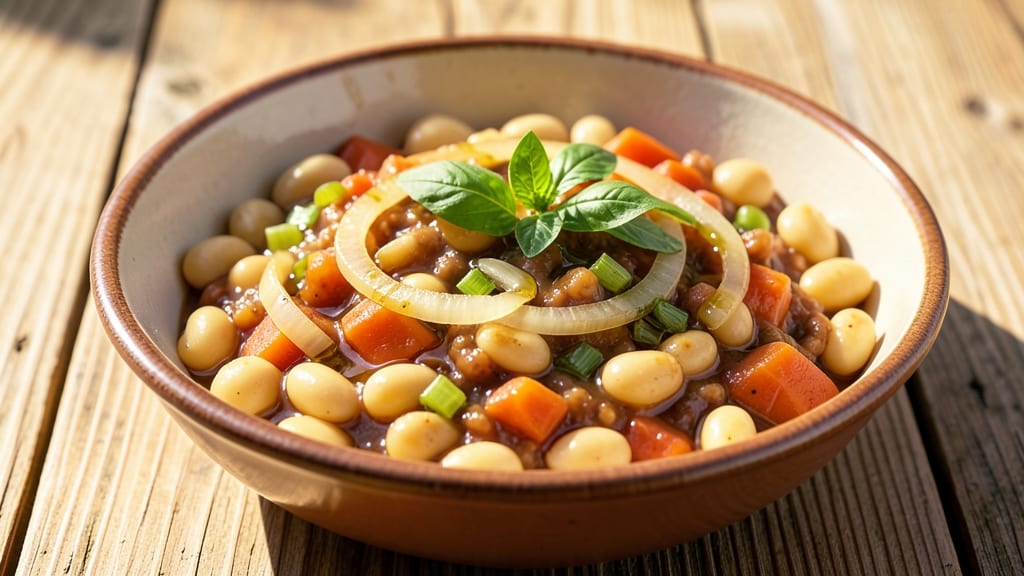
This bean bolognese recipe transforms humble ingredients into a rich, slow-cooked sauce that captures the soul of Italian comfort food. The secret lies in simmering cannellini beans with aromatic vegetables, tomatoes, and herbs until they break down into a velvety, umami-packed ragù that clings to pasta like a dream.
I developed this vegetarian version after years of perfecting the technique—it’s the kind of dish that tastes even better the next day, when flavors meld into perfect harmony.
The beauty of this recipe is its flexibility—it works equally well with traditional pasta like pappardelle or tagliatelle, hearty polenta, or even as a filling for stuffed shells.
What sets it apart is the depth of flavor achieved through slow cooking, where onions, carrots, and celery (the holy trinity of Italian cooking) form a flavorful base that builds into something extraordinary. The beans hold their shape while absorbing the rich sauce, creating a satisfying bite in every spoonful.
By the time you twirl that first forkful, you’ll taste layers of caramelized vegetables, earthy tomatoes, and aromatic herbs—all balanced by the subtle sweetness of the beans. This isn’t just a meatless substitute; it’s a complete dish that delivers restaurant-quality satisfaction at home.
The sauce is rich enough to stand alone but perfect for pairing with your favorite Italian staples, making it a versatile centerpiece for any meal.
Ready in just 45 minutes of active prep followed by 2 hours of slow simmering, this bean bolognese proves that plant-based cooking can be just as indulgent as the original.
Whether you’re feeding a family or treating yourself to a cozy weeknight dinner, this recipe delivers on flavor without compromise. Let’s get cooking—your taste buds will thank you.
Ingredients for bean bolognese
Sixteen ingredients transform into a rich, slow-simmered sauce that rivals meat-based bolognese.
| Ingredient | Amount | Notes |
|---|---|---|
| Cannellini Beans 🌱 | 2 cups | Dried, soaked overnight (or 2 cans, drained) |
| Yellow Onion 🧅 | 1 ½ whole | Diced, medium size preferred |
| Carrots 🥕 | 2 whole | Diced, medium size preferred |
| Celery Stalks 🌿 | 3 whole | Diced, fresh for best flavor |
| Garlic Cloves 🧄 | 6 cloves | Minced, fresh preferred |
| Canned San Marzano Tomatoes 🍅 | 28 oz | Crushed, high-quality preferred |
| Vegetable Broth 💧 | 2 cups | Low-sodium preferred |
| Extra-Virgin Olive Oil 🫒 | ½ cup | For richness and depth |
| Dried Oregano 🍃 | 1 tsp | Italian preferred |
| Dried Rosemary 🌿 | ½ tsp | Crushed between fingers |
| Sea Salt 🧂 | 1 ½ tsp | Diamond Crystal preferred |
| Freshly Ground Black Pepper 🌶️ | 1 tsp | Freshly cracked preferred |
| Whole-Grain Pasta 🍝 | 12 oz | Pappardelle or tagliatelle |
| Fresh Basil Leaves 🌿 | ¼ cup | Chopped, for garnish |
The cannellini beans are the heart of this dish—dried beans develop deeper flavor than canned, but if you're short on time, 2 cans (15 oz each) work perfectly. For the holy trinity of onions, carrots, and celery, buy fresh from a farmers market—the flavor difference is noticeable. San Marzano tomatoes are worth the splurge here; their sweetness balances the earthy vegetables. If you can't find them, any high-quality crushed tomatoes will do. The garlic? Freshly minced makes all the difference—pre-minced loses potency fast.
No dried oregano? Fresh oregano at half the amount works beautifully. Running low on rosemary? Thyme or marjoram can substitute, though the flavor will shift slightly. The vegetable broth can be swapped for white wine (½ cup) plus extra broth for more depth. For a richer sauce, add 2 tbsp tomato paste—it intensifies the umami. The pasta should be whole-grain or bronze-cut for better texture when paired with the sauce. And if you're worried about the beans breaking down too much, soaking them overnight ensures they hold their shape while still absorbing all that delicious flavor.
This sauce tastes even better the next day—plan ahead. Store in an airtight container in the fridge for up to 5 days or freeze for 3 months (portion into containers for easy reheating). The basil should be added fresh at the end—don’t cook it or it’ll turn bitter. For leftovers, reheat gently on low with a splash of broth to restore moisture. If the sauce thickens too much after refrigerating, stir in 1-2 tbsp water or broth before reheating.
Why You'll Love This Recipe
- I swear by this trick: just toss canned cannellini beans straight into the pot. No pre-soaking, no waiting—just drain, rinse, and go. The beans blend seamlessly into the sauce, thick and creamy without any extra fuss.
- No-Soft-Soaking Needed: I swear by this trick: just toss canned cannellini beans straight into the pot. No pre-soaking, no waiting—just drain, rinse, and go. The beans blend seamlessly into the sauce, thick and creamy without any extra fuss.
- Garlic-Carrot Crunch Surprise: Here’s what sold me—the slow-cooked carrots and celery turn sweet and tender, while the garlic? Oh, it browns just enough to add this deep, nutty punch. It’s like a hug in a bowl, but make it Italian.
- Lunchbox Hero: Between us, this is my secret weapon for packed lunches. Toss it over pasta for dinner, then reheat the leftovers cold the next day with crusty bread—no one even notices it’s not meat. (Yes, even on a Tuesday night.)
Step-by-step instructions for bean bolognese
This rich, slow-simmered bean bolognese builds depth through patience and proper technique.
Sauté the Vegetable Base
Heat the 0.5 cup extra-virgin olive oil in a large Dutch oven over medium heat. Add the 1.5 whole diced yellow onion, 2 whole diced carrots, and 3 whole diced celery stalks. Cook for 8-10 minutes until the vegetables soften and the onion becomes translucent. I like to stir occasionally to prevent browning at this stage.
Here's the thing—don't rush this step. The vegetables need to break down completely so they melt into the sauce later. You'll know they're ready when they lose their raw texture and the mixture takes on a slightly jammy consistency. Add the 6 cloves minced garlic and cook for another 30 seconds until fragrant but not browned—garlic burns quickly, so watch it closely.
Build the Flavor Foundation
Stir in the 1 tsp dried oregano, 0.5 tsp crushed dried rosemary, 1.5 tsp sea salt, and 1 tsp freshly ground black pepper. Cook for 1 minute to toast the spices slightly, which deepens their flavor. This is where the magic starts—those crushed rosemary needles will release their piney aroma.
Add the 2 cups drained cannellini beans and stir to coat them with the spiced oil. The beans will absorb some of that rich flavor, so don't skip this step. Then pour in the 28 oz crushed San Marzano tomatoes and 2 cups vegetable broth. Stir everything together until well combined—you want the tomatoes and broth to evenly distribute throughout the mixture.
Simmer for Deep Umami Development
Bring the mixture to a gentle boil, then reduce heat to low and cover partially. Let it simmer uncovered for 45-60 minutes, stirring occasionally. The sauce will thicken as it reduces, and you'll notice that rich, concentrated flavor developing. I check the sauce every 15 minutes—if it looks too thick, add 2-3 tablespoons water to maintain the right consistency.
This slow cooking is crucial. It allows the beans to break down slightly, releasing their starches and creating that velvety texture. The tomatoes will mellow out, losing their acidity and developing a deep, sweet complexity. Real talk: if you rush this step, you'll end up with a thin, watery sauce instead of the rich, hearty bolognese you're after.
Cook the Pasta Al Dente
While the sauce simmers, bring a large pot of salted water to a rolling boil. Add the 12 oz whole-grain pasta and cook until 1 minute before al dente (check the package directions for exact timing). Reserve 1 cup pasta water before draining—this starchy water is liquid gold for adjusting sauce consistency.
The reason we cook the pasta slightly underdone is that it'll finish cooking in the sauce. When you combine them, the pasta will absorb some of the sauce's heat and reach perfect doneness. Drain the pasta and set it aside, keeping it warm until ready to serve.
Combine and Finish
Add the drained pasta to the bean bolognese sauce and toss gently to coat. If the sauce seems too thick, add 2-3 tablespoons reserved pasta water at a time until it reaches your desired consistency. The sauce should cling to the pasta strands without being soupy.
Taste and adjust seasoning if needed—sometimes the beans need a touch more salt, or the tomatoes might need a splash of lemon juice to balance their acidity. Stir in the 0.25 cup chopped fresh basil leaves just before serving to brighten the dish with fresh herb notes. Serve immediately with crusty bread or a sprinkle of grated Parmesan if you like.
Pro Tips For Making Bean Bolognese
- Sweat, Don’t Burn: The onion, celery, and carrots (your "soffritto") need to cook until soft but not brown—aim for a translucent, jammy texture. I learned this the hard way after charring three batches; keep the heat at a steady medium and stir every 30 seconds. If it smells like a campfire, you’ve gone too far.
- Crush Those Beans: Drain and rinse cannellini beans, then give them a rough mash with a fork or potato masher before adding them to the sauce. This breaks down some of their skin, blending them more smoothly into the bolognese without turning it mushy. (Yes, even if you’re impatient like me.)
- Salt the Beans First: Toss the beans in a pinch of salt before mashing them—this softens their edges and draws out excess starch, so they absorb the sauce better. I skip this and end up with a gluey, thick mess. Don’t be that cook.
- Deglaze with a Splash: After browning your garlic (if using), hit the pot with ¼ cup of broth or white wine to lift the fond off the bottom. This adds depth without overpowering the beans’ mild flavor. (Sounds weird, but it works—trust the process.)
Regional styles of this recipe
Italian Rustic Style
In Italy, this dish transforms into a rustic ragù di fagioli—a hearty bean stew that's traditionally served with polenta or crusty bread. The key difference? Italians often use borlotti beans (cranberry beans) instead of cannellini, which hold their shape better during long simmering.
For authenticity, add 1 tbsp tomato paste at the start to deepen the sauce's richness. Serve with grated Pecorino Romano instead of Parmesan for a true Tuscan touch. 🌿
Southern Italian Twist
Down in Sicily, this becomes a pasta alla Norma fusion—swap the cannellini for white beans and add 1 diced eggplant (sautéed separately) to the sauce. The eggplant soaks up the flavors beautifully while adding a silky texture.
Finish with crispy fried breadcrumbs on top for texture contrast. This version pairs perfectly with rigatoni pasta for those wide noodles to catch every bite of sauce. 🍆
Northern Italian Adaptation
In Lombardy, they'd make this a risotto alla Milanese companion—use barley risotto instead of pasta, and stir in ½ cup dry white wine when adding the beans. The wine helps create the classic risotto creaminess while balancing the bean's earthiness.
Top with saffron-infused butter for that signature golden hue. This version works beautifully with mushrooms added to the vegetable base for extra umami depth. 🍷
Modern Fusion Approach
For a contemporary twist, try a Mexican-inspired version by adding 1 tsp ground cumin and ½ tsp smoked paprika with the spices. Swap the tomatoes for fire-roasted diced tomatoes and finish with cilantro instead of basil.
Serve over corn tortillas or with avocado slices for a fresh contrast. This fusion keeps the Italian technique while adding bold, spicy flavors. 🌶️
Roman Simplicity
In Rome, they'd keep it straightforward but flavorful—use cannellini beans as is, but add 1 sprig fresh rosemary (removed before serving) and ½ cup red wine when deglazing the pan.
Romans often serve this with tonnarelli pasta (square-cut spaghetti) and finish with extra virgin olive oil drizzled on top. This version celebrates simplicity while delivering maximum flavor impact. 🍝
Vegetarian-Friendly Upgrade
For an extra protein boost, stir in ½ cup cooked lentils with the beans. The lentils add a meaty texture while keeping the dish completely plant-based. Another trick? Add 1 tbsp nutritional yeast at the end for a cheesy, umami depth without dairy.
This version works perfectly for vegan diets while maintaining all the traditional Italian flavors. 💛
Nutrition facts
Frequently asked questions
Can I use canned beans instead of dried for this bean bolognese?
For convenience, use 2 cans (15 oz each) of drained cannellini beans instead of dried. Just be sure to rinse them well to remove excess sodium. The texture will be slightly softer, but the flavor will still develop beautifully during the long simmer. This cuts prep time by hours—perfect for weeknights!
Why does my bean bolognese sauce turn out too thin?
This usually happens when the sauce doesn't reduce enough during simmering. To fix it, cook the sauce uncovered on low heat for an extra 15-20 minutes, stirring occasionally. If it's still too thin, stir in 1 tbsp tomato paste or 1 tsp cornstarch mixed with water to thicken it naturally. The key is patience—don't rush the simmering process!
What's the best pasta to pair with bean bolognese?
Wide, flat noodles work best to catch all that rich sauce. Try pappardelle, tagliatelle, or fettuccine for maximum surface area. For extra heartiness, bronze-cut rigatoni or tonnarelli adds great texture. If you want to go beyond pasta, serve with creamy polenta or crusty sourdough bread for dipping.
Can I make this bean bolognese ahead of time?
This sauce tastes even better the next day! Store it in an airtight container in the fridge for up to 5 days or freeze for 3 months. When reheating, warm it gently on low heat with a splash of broth or water to restore moisture. The flavors meld beautifully overnight, making it perfect for meal prep.
How can I add more protein to this vegetarian dish?
For extra protein, stir in ½ cup cooked lentils with the beans or add ½ cup crumbled tofu (pan-fried first for texture). Another great option is ½ cup walnuts or pecans for a nutty crunch. These additions keep the dish completely plant-based while boosting nutrition without overpowering the flavors.