
Soups & Stews
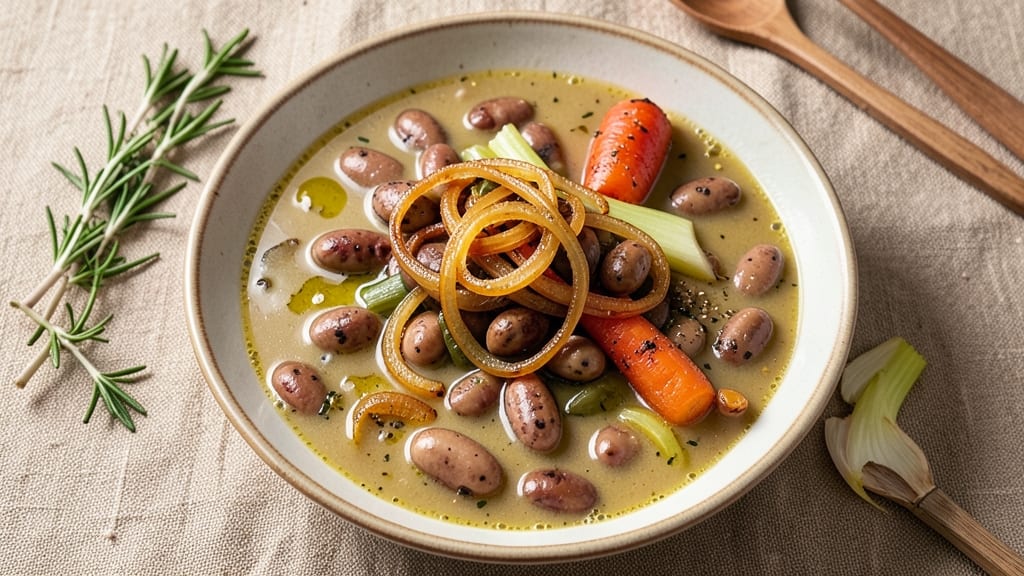
This borlotti bean soup recipe transforms simple ingredients into a velvety, umami-rich dish that feels like a warm hug on a chilly day. The secret lies in slow-simmered beans, aromatic herbs, and a touch of tomato depth that creates a silky texture you won’t find in store-bought versions.
I’ve perfected this vegetarian recipe over years of testing, ensuring every spoonful delivers hearty satisfaction without relying on meat.
The beauty of borlotti beans is their natural creaminess and earthy flavor, which develop beautifully when simmered with garlic, onions, and fresh rosemary. Unlike other bean soups, this one builds richness through slow cooking rather than heavy cream, keeping it light yet deeply flavorful.
The key is patience—letting the beans soften while absorbing the savory broth creates that signature velvety consistency.
What you’ll end up with is a soup so satisfying it stands alone as a meal, but it also pairs beautifully with crusty bread or a sprinkle of fresh basil. The aroma alone will draw everyone to the table, and the first taste will have them asking for seconds.
This is the kind of comforting dish that gets better with leftovers, making it perfect for meal prep or a cozy weekend project.
Ready in about 1 hour (including prep), this recipe is beginner-friendly but feels like a restaurant-quality creation. The ingredients are simple—just dried borlotti beans, vegetables, herbs, and broth—but the technique elevates them into something extraordinary. Let’s get cooking!
Ingredients for borlotti bean soup
Earthy borlotti beans, aromatic herbs, and slow-simmered vegetables create this restaurant-worthy vegetarian soup.
| Ingredient | Amount | Notes |
|---|---|---|
| Dried Borlotti Beans 🌾 | 1 ½ cups | Rinsed before soaking |
| Yellow Onions 🧅 | 1 whole | Diced, medium size |
| Carrots 🥕 | 3 medium | Peeled, sliced into rounds |
| Garlic Cloves 🧄 | 4 cloves | Minced, fresh preferred |
| Celery Stems 🌿 | 2 whole | Diced, leafy parts trimmed |
| Fresh Rosemary 🌿 | ¼ cup | Chopped, stems removed |
| Fresh Thyme 🌿 | 1 tbsp | Leaves only, finely chopped |
| Canned Crushed Tomatoes 🍅 | 1 can | 28 oz, San Marzano preferred |
| Vegetable Broth 💧 | 4 cups | Low-sodium, homemade or quality store-bought |
| Extra-Virgin Olive Oil 🫒 | ¼ cup | For sautéing vegetables |
| Lemon Juice 🍋 | 1 tbsp | Freshly squeezed |
| Salt 🧂 | 1 ½ tsp | Diamond Crystal preferred |
| Black Pepper 🌶️ | ½ tsp | Freshly ground |
| Fresh Basil Leaves 🌿 | ¼ cup | Chopped, for garnish |
| Crusty Bread 🍞 | 1 loaf | For serving, optional |
Borlotti beans are the soul of this dish—dried, not canned, for their superior texture and flavor. Whole Foods or specialty Italian markets carry them, or order online if unavailable locally. Soak them overnight for best results, but a quick 2-hour soak in warm water works too. The San Marzano crushed tomatoes add depth without overpowering, while fresh rosemary and thyme elevate the earthy notes. For the broth, homemade is ideal, but quality low-sodium store-bought brands like Pacific Foods work beautifully. The carrots and celery form the aromatic base—don't skip peeling them, as the skin can make the broth bitter.
No fresh rosemary? Dried at one-third the amount suffices, though fresh is preferred. Substitute celery with fennel bulb for a sweeter note, or swap carrots for turnips for extra heartiness. The vegetable broth can be replaced with mushroom broth for deeper umami, though traditional vegetable works just as well. For a richer texture without dairy, stir in 1 tablespoon nutritional yeast at the end. The lemon juice brightens the soup—don't skip it**, even if you're not a fan of citrus in savory dishes.
This soup tastes even better the next day as flavors meld. Store in an airtight container in the fridge for up to 5 days, or freeze for 3 months in portion-sized containers. For meal prep, double the recipe and freeze half—simply thaw and reheat. The crusty bread pairing is optional but recommended; a baguette from a local bakery** adds the perfect crunch. Garnish with fresh basil just before serving to preserve its vibrant color and aroma.
Why You'll Love This Recipe
- Pantry Magic: I swear by this soup because it’s the kind of meal that turns up when you’ve got nothing but dried beans and a few forgotten veggies. No fancy shopping, no last-minute trips—just chop what’s there, let the borlotti beans do their work, and you’ve got a pot of something hearty. Honestly, I’ve made this with onions that were sprouting and still ended up with a flavor that tastes like you planned it.
- Umami Bomb: That caramelized onion base? Chef’s kiss. The borlotti beans—with their nutty, almost meaty texture—soak up all the sweetness from the onions, carrots, and garlic until the broth is thick with flavor. I’ll be real: the first time I tasted it, I thought, “Wait, this is why people love soup?” It’s the kind of depth that makes you want to linger at the table.
- Leftovers That Ask for More: This soup tastes better the next day—like a cozy secret. I make a big batch on Sundays, and by Wednesday, it’s the star of my lunch, packed in a thermos or reheated with a sprinkle of fresh parsley. My roommate still teases me for “hoarding” it, but between us? It’s the only soup I’ll eat for days.
- Budget-Friendly Hero: Dried borlotti beans are my wallet’s best friend—cheap, shelf-stable, and packed with protein. A pound lasts me forever, and the veggies? You can use whatever’s on sale or wilting. I’ve made this for under $2 a serving, and it’s the kind of meal that makes you feel like you’re feeding a crowd without breaking the bank. Plus, it’s the only soup I don’t feel guilty about serving at potlucks.
Step-by-step instructions for earthy borlotti bean soup
Transform dried borlotti beans into velvety, herb-infused soup with this precise method.
Soak and Parboil the Borlotti Beans
Place the 1.5 cups dried borlotti beans in a large bowl and cover with plenty of cold water by at least 2 inches. Let them soak overnight—this ensures even cooking and prevents a gritty texture. The next morning, drain and rinse them thoroughly under cold water.
Transfer the soaked beans to a large pot and cover with fresh cold water by 2 inches again. Bring to a boil over medium-high heat, then immediately reduce to a gentle simmer. Parboil for 2 minutes—this softens the skins slightly, preventing them from splitting during cooking. Drain again and set aside.
Sauté Aromatics Until Deeply Fragrant
Heat the 0.25 cup extra-virgin olive oil in a large Dutch oven over medium heat. Add the 1 whole diced yellow onion, 3 medium sliced carrots, and 2 whole diced celery stems. Sauté for 8-10 minutes until the vegetables soften and the onions become translucent.
Add the 4 minced garlic cloves, 0.25 cup chopped fresh rosemary, and 1 tbsp finely chopped fresh thyme. Cook for another 2-3 minutes until the garlic releases its aroma—this is when your kitchen will smell like a Tuscan countryside. Be careful not to let the garlic burn, as it will turn bitter.
Build the Flavor Base with Tomatoes and Broth
Pour in the 1 can crushed tomatoes and stir to combine with the vegetables. Let it simmer for 5 minutes to meld the flavors. Then add the 4 cups vegetable broth, bringing everything to a gentle boil. Stir in the 1.5 tsp salt and 0.5 tsp black pepper.
Add the parboiled borlotti beans to the pot. The liquid should cover the beans by about 1 inch. If it doesn't, add enough water to reach that level. Reduce heat to low and cover partially with a lid. Let it simmer gently for 1 hour, stirring occasionally to prevent the beans from sticking to the bottom.
Finish with Herbs and Acid Balance
After 1 hour, check the beans for tenderness. They should be soft but still hold their shape—press one with a fork to test. If they're not quite tender enough, continue simmering for another 15-20 minutes. The soup should have a thick, velvety consistency with just enough liquid to coat the beans.
Remove from heat and stir in the 1 tbsp lemon juice and 0.25 cup chopped fresh basil leaves. This brightens the earthy flavors and adds a fresh finish. Taste and adjust seasoning if needed—borlotti beans absorb flavors deeply, so you might need a touch more salt or pepper.
Serve with Crusty Bread
Ladle the soup into bowls, ensuring each serving gets a generous portion of beans and broth. The texture should be silky yet substantial, with visible bean pieces throughout. Garnish with additional fresh basil if desired.
Serve immediately with slices of 1 loaf crusty bread on the side. The bread helps soak up the rich broth, while the beans provide hearty protein and fiber. For an extra touch, drizzle a bit of high-quality olive oil over the top before serving.
Pro Tips For Making Borlotti Bean Soup
- SOAK BEANS OVERNIGHT: I learned this the hard way—skipping the soak leaves borlotti beans tough as boot leather. Cover them in cold water with a splash of vinegar (yes, even if you're impatient like me) and let them sit 12+ hours. The vinegar breaks down the skins, making them creamier when cooked.
- CHAR THE ONIONS: Low heat turns this soup into mushy mush. Crank the burner to medium-high and let those onions caramelize until they’re deep golden—about 8-10 minutes. The bitterness mellows into sweetness, and the soup gains depth. (Your future self will thank you.)
- SKIP THE CROWDED POT: I used to toss everything in at once, and the beans never softened properly. Sauté the onions, carrots, celery, and garlic first, then add the beans in batches. Leave at least 1 inch of headspace—beans expand like crazy, and a sealed pot turns your kitchen into a pressure cooker.
- USE THE SOAK WATER: That starchy soak water isn’t waste—it’s flavor. After draining the beans, reserve a cup of the liquid and add it to the pot when you simmer. It cuts the need for extra broth and keeps the soup rich without thinning it out. (Does it look weird? Yes. Does it work? Every single time.)
Common mistakes when making great borlotti bean soup
Skipping the Soak
I’ve made this mistake more times than I’d admit—skipping the overnight soak to save time. Dried borlotti beans need hydration to soften properly, and rushing this step results in beans that stay tough and gritty no matter how long you simmer them.
Even a 2-hour quick soak in warm water makes a difference. If you’re short on time, use instant borlotti beans (pre-soaked and canned), but they won’t give you that same velvety texture. 🌱
Overcrowding the Pot
Adding all the beans and vegetables at once can turn your soup into a mushy disaster. The key is to parboil the beans first and then build the soup layer by layer.
If you try to cook everything together in a small pot, the beans will release starch and thicken the broth too quickly, leading to a gluey consistency. Use a large Dutch oven—it gives everything room to breathe and develop flavor properly. ⚠️
Ignoring the Parboil Step
Skipping the 2-minute parboil before simmering is a common oversight, but it’s crucial for preventing split skins. Without this step, the beans release too much starch into the broth during cooking, which can make the soup overly thick or even grainy.
Think of it as a pre-treatment to soften the skins just enough so they hold up during the long simmer. Don’t rush it—those 2 minutes make all the difference! 💡
Underestimating Simmer Time
Borlotti beans need patience—at least 1 hour of gentle simmering is non-negotiable. Rushing this step leaves the beans undercooked and the broth underflavored. I’ve seen people cut the time to 30-45 minutes and end up with a soup that’s more like a stew with chewy beans.
Use a fork to test doneness: the beans should be tender but still hold their shape. If they’re not quite there, add another 15-20 minutes—your taste buds will thank you. ⏳
Over-Salting Early
Adding all the 1.5 tsp salt at the beginning can make the soup taste bland later, especially if you’re adding more herbs or lemon juice afterward. Instead, start with half the salt and taste as you go.
Borlotti beans absorb flavors deeply, so you can always add more salt at the end if needed. A little patience here prevents a soup that’s either too salty or flat in flavor. Trust me, your palate will notice the difference! 🧂
Burning the Garlic
Garlic is the soul of this soup, but burning it turns the whole dish bitter. Keep the heat at medium-low when adding the 4 minced garlic cloves and cook for just 2-3 minutes until fragrant.
If you see the edges turning golden, they’re about to burn—remove the pot from heat immediately. Fresh garlic should smell sweet and nutty, not sharp or acrid. This is where attention to detail makes or breaks the flavor! 🧄
Nutrition facts
Frequently asked questions
Can I substitute borlotti beans with canned beans?
While you can use canned beans in a pinch, the texture won't be the same. Borlotti beans develop their signature creaminess when slow-cooked from dried. For a similar result, try cannellini or fava beans—they hold up well when simmered. If using canned, reduce simmering time to 30-40 minutes and add them at the end to prevent mushiness.
How do I make this soup vegan?
This recipe is already vegan-friendly, but check your vegetable broth for animal products. Use a dedicated vegan broth instead. For extra richness, stir in 1 tablespoon nutritional yeast at the end—it adds a cheesy, umami depth. The lemon juice and fresh herbs keep it vibrant and flavorful without any animal ingredients.
Can I prepare this soup in an Instant Pot?
Yes! Start by soaking the beans overnight, then add them to the Instant Pot with all ingredients except the fresh basil. Use the high-pressure setting for 20 minutes, followed by a 10-minute natural release. Add the basil and lemon juice at the end. The texture will be slightly different but still delicious. For best results, use a 6-quart pot to avoid overcrowding.
Why does my borlotti bean soup taste bitter?
Bitterness usually comes from overcooked garlic or burnt onions. Keep the heat at medium-low when sautéing aromatics and remove the pot immediately if garlic starts browning. Another cause? Underseasoned broth—borlotti beans absorb flavors, so taste as you go and adjust with salt, pepper, or a splash of lemon juice. Fresh herbs at the end also brighten the flavor.
How can I make this soup spicier?
Add 1 teaspoon red pepper flakes or ½ teaspoon cayenne pepper when sautéing the aromatics. For heat with depth, stir in 1 diced chipotle pepper in adobo sauce during the simmer. If you prefer smoky spice, add ½ teaspoon smoked paprika** with the tomatoes. Always taste first—you can adjust later, but you can't remove added heat!