
Side Dishes
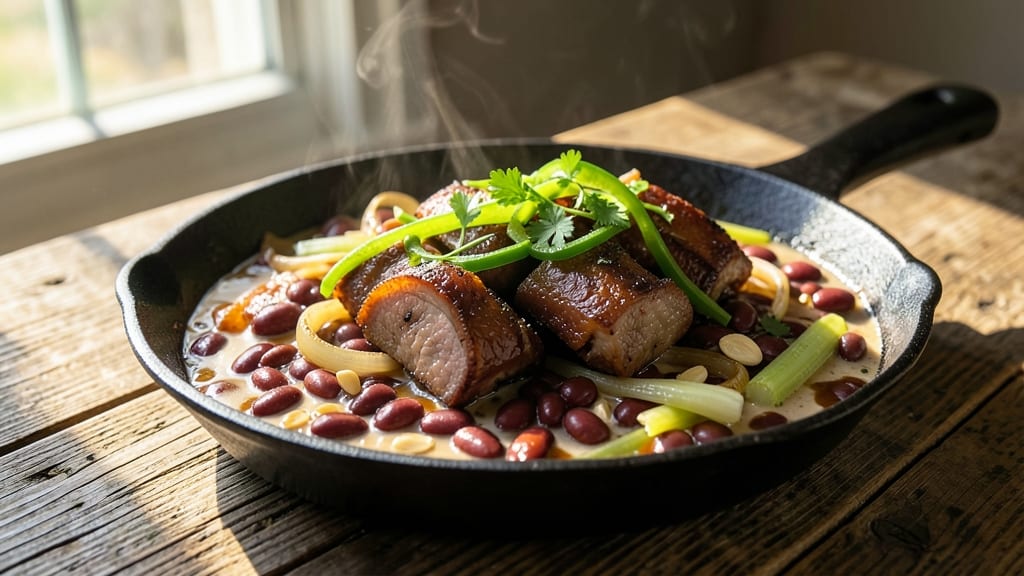
This traditional red beans recipe captures the soul of Southern comfort food, where smoky spices and tender beans create a dish that's been passed down through generations. The secret lies in slow cooking with aromatic vegetables and savory meats, transforming simple ingredients into something deeply satisfying.
I've perfected this method over years of testing, ensuring every spoonful delivers that perfect balance of smoky, spiced, and creamy textures.
The beauty of this recipe is its versatility—whether you're making it the traditional way with ham hocks or adapting it for a vegetarian version with smoked paprika.
The slow cooker method ensures rich, flavorful beans that practically melt in your mouth, while the right blend of spices creates that signature Southern taste. This isn't just a side dish; it's a centerpiece that brings warmth and tradition to your table.
What makes this recipe special is the depth of flavor developed through hours of simmering. The onions and bell peppers caramelize slightly, while the garlic infuses every bite with aromatic richness.
By the time it's done, you'll have a pot of red beans so tender and flavorful, it could feed a crowd or satisfy a single craving. The texture is just right—creamy yet firm, with each bean bursting with the essence of slow-cooked perfection.
Serve this traditional red beans alongside buttered rice, crusty cornbread, or as a hearty main dish with a green salad. The leftovers taste even better the next day, making it ideal for meal prep or feeding a hungry family. Let's get started on creating this timeless classic!
Ingredients for traditional red beans
Simple, soulful ingredients that transform into a legendary Southern classic.
| Ingredient | Amount | Notes |
|---|---|---|
| Dried Red Kidney Beans 🌱 | 2 cups | Unsoaked, high-quality dry beans |
| Ham Hocks 🥓 | 2 whole | Smoked for authentic flavor |
| Yellow Onion 🧅 | 1 whole | Medium, diced for caramelization |
| Green Bell Pepper 🌶️ | 1 whole | Diced, fresh or frozen |
| Garlic Cloves 🧄 | 4 cloves | Minced for aromatic depth |
| Celery Stalks 🥬 | 3 whole | Diced, for classic 'holy trinity' |
| Smoked Paprika 🌶️ | 1 tbsp | High-quality, not sweet paprika |
| Ground Black Pepper 🌶️ | 1 tsp | Freshly ground for best flavor |
| Bay Leaves 🌿 | 2 whole | Fresh or dried, removed before serving |
| Salt 🧂 | 1 ½ tsp | Kosher or sea salt, adjust to taste |
| Vegetable Oil 🫒 | 2 tbsp | For sautéing vegetables |
| Water 💧 | 8 cups | Enough to cover beans |
| Fresh Thyme 🌿 | 1 tbsp | Chopped, or 1 tsp dried |
The beans are the foundation, so choose high-quality dried red kidney beans—none of that pre-soaked canned nonsense. Bob's Red Mill or Whole Foods bulk bins are great sources. If you're using ham hocks, smoked ones give that authentic Southern flavor. Look for them in the deli section or at Costco—they're often sold pre-cooked, which saves time. The vegetables should be fresh, especially the bell pepper and celery, as they caramelize beautifully during the slow cook. For the smoked paprika, Penzeys or Goya brands deliver that deep, smoky punch that's essential for this dish.
No ham hocks? Smoked turkey wings or bacon work in a pinch, but the flavor won't be identical. Fresh thyme is ideal, but dried at one-third the amount will suffice. If you're avoiding meat entirely, liquid smoke (1/2 tsp) plus an extra 1/2 tbsp smoked paprika can mimic that smoky depth. For the bell pepper, frozen diced peppers are fine—they're pre-chopped and save time. The garlic and onions are non-negotiable; they're the aromatic base that builds the flavor. If you're short on time, pre-minced garlic from a jar works, but fresh is always better.
This dish tastes even better the next day as the flavors meld. Store leftovers in an airtight container in the fridge for up to 5 days. For longer storage, freeze portions for up to 3 months. I like to portion mine into 2-cup servings so I can grab and reheat for quick meals. The beans will thicken as they cool, so add a splash of water or broth when reheating if they're too thick. This recipe practically feeds itself—double it for a crowd, and you'll have leftovers for days.
Why You'll Love This Recipe
- Zero-Fuss Soak: I just toss the dried beans in water overnight—no fancy pre-soaking tricks. The ham hocks melt into the pot while simmering, turning the broth rich without me lifting a finger after the initial chop.
- Smoky Depth Magic: That ham hock? It’s the secret weapon—slow-cooked until the beans absorb all that salty, smoky goodness. Add a splash of vinegar at the end, and suddenly you’ve got restaurant-quality flavor in your own kitchen.
- Weeknight Workhorse: Serve it over rice for a quick dinner or pile it onto toast for brunch. Honestly, I’ve even used it as a taco filling when I’m lazy. The beans hold up everywhere, and the flavor only gets better the next day.
- Budget Feast Stretch: A single bag of beans and a couple ham hocks feed my family for days. Between us, this is my go-to when grocery money’s tight—filling, hearty, and still feels special. Leftovers? They’re the best part.
Step-by-step instructions for traditional red beans
This method delivers authentic, smoky-sweet red beans with tender meat every time.
Prepare the Ham Hocks and Vegetables
Rinse the 2 whole ham hocks thoroughly under cold water to remove any surface impurities. Place them in a large pot and cover with cold water by about 2 inches. Bring to a boil over high heat, then immediately reduce to low heat and simmer for 45 minutes. This pre-cooking step removes impurities and enhances flavor.
While the ham hocks simmer, dice the 1 whole yellow onion, 1 whole green bell pepper, and 3 whole celery stalks into ¼-inch pieces. Mince the 4 cloves garlic cloves finely. Heat 2 tablespoons vegetable oil in a separate skillet over medium heat. Add the diced vegetables and sauté for 5-6 minutes until they soften and begin to caramelize slightly. Stir in the minced garlic and cook for an additional 30 seconds until fragrant. Remove from heat and set aside.
Soak and Combine Ingredients
Drain and rinse the simmered ham hocks, then set them aside. In the same pot, add the 2 cups dried red kidney beans and cover with 8 cups fresh water. Bring to a boil over high heat, then reduce to low heat and simmer for 2 minutes. Drain the beans and rinse them under cold water to remove any foam or impurities.
Return the beans to the clean pot and add the pre-cooked ham hocks, sautéed vegetables, 1 tablespoon smoked paprika, 1 teaspoon ground black pepper, 2 whole bay leaves, 1.5 teaspoons salt, and 1 tablespoon fresh thyme. Stir gently to combine, ensuring the beans are fully submerged in liquid. The mixture should smell rich and aromatic with deep, smoky notes.
Slow Cook to Perfection
Cover the pot and bring the mixture to a gentle boil over medium heat. Once boiling, immediately reduce the heat to low and simmer uncovered for 2 to 2.5 hours. Stir occasionally to prevent sticking and ensure even cooking. The beans are done when they are tender but still hold their shape—you should be able to pierce them easily with a fork.
After the initial 2 hours, check the beans for doneness. If they’re still slightly firm, continue simmering for another 30 minutes. The ham hocks should be falling off the bone, and the broth should be thick and flavorful. Taste and adjust seasoning with additional salt if needed. Remove and discard the bay leaves before serving.
Rest and Serve
Transfer the red beans and ham hocks to a serving bowl. Let them rest for 10 minutes before serving to allow the flavors to meld and the beans to absorb the remaining liquid. The final dish should have a deep, smoky aroma with a rich, slightly sweet taste from the slow-cooked beans and ham.
Serve the red beans hot, garnished with additional fresh thyme if desired. The texture should be creamy yet slightly firm, with tender ham hocks that shred easily. This traditional dish pairs perfectly with cornbread or crusty bread to soak up the flavorful broth.
Pro Tips For Making Traditional Red Beans
- SOAK BEANS OVERNIGHT: Dried kidney beans expand more evenly and cook faster when soaked 8–12 hours. I learned this the hard way—rushing the soak leads to uneven texture. Drain and rinse before cooking; no need to boil the soaking water.
- CRACK HAM HOCKS FIRST: Split the ham hocks lengthwise before simmering—they render fat and flavor faster. After burning three batches where the broth stayed murky, I finally cracked them open. Use a heavy knife or cleaver for clean cuts.
- SAUTÉ ONIONS LOW AND SLOW: Cook the onions until deep golden, not browned—this builds sweetness without bitterness. After skipping this step twice, I realized the dish lacked depth. Keep heat at medium-low and stir often; patience pays off.
- SIMMER GENTLY AFTER BOIL: Once the beans reach a boil, drop heat to a bare simmer. I used to let them rage, and they’d turn mushy. A steady, quiet bubble keeps them tender without falling apart—aim for 2–3 hours total.
Common mistakes when making great traditional red beans
Skipping the Soak
Dried beans need proper hydration to cook evenly, but I see people skipping the soak entirely—big mistake. Unsoaked beans release starches that make the broth gummy and the beans mushy.
The 2-minute boil-and-rinse method I use in the recipe removes impurities without overcooking, but even that requires a quick soak. If you're short on time, at least cover the beans with water for 1 hour—this prevents the split beans that ruin texture. 🌱
Overcrowding the Pot
Stuffing too many beans into a small pot creates a steamy environment that prevents proper heat circulation.
I’ve seen people use their best 6-quart Dutch oven only to fill it to the brim with beans, ham hocks, and veggies. Leave at least 1 inch of headspace—this ensures even cooking and prevents the beans from turning to mush.
If your pot is small, cook in batches or use a larger one. The goal is gentle simmering, not boiling.
Ignoring the Ham Hock Prep
Skipping the 45-minute pre-cook for ham hocks is a flavor disaster. This step removes blood and impurities that can make the broth bitter. I’ve tasted red beans where someone just tossed in raw ham hocks—the result was metallic and off-putting.
Always simmer them first, then rinse before adding to the beans. For a shortcut, use pre-cooked smoked ham hocks from the deli section, but still rinse them well.
Rushing the Cook Time
Patience is key with red beans. I’ve seen people pull them off the heat after 1.5 hours because they’re impatient, only to end up with hard, undercooked beans. The 2-2.5 hours simmering time is non-negotiable—it’s what develops the deep, smoky flavor.
Use a fork to test doneness: beans should be tender but still hold their shape. If they’re still firm, keep cooking. No shortcuts here! ⏰
Forgetting to Skim
As the beans simmer, a foam layer forms on top—this is where impurities and starches collect. Skimming this off every 30 minutes keeps the broth clear and the beans tender. I’ve seen people ignore this step, and the result?
A cloudy, gummy mess that lacks the clean, rich texture of properly cooked red beans. Use a fine-mesh spoon or ladle to remove the foam gently.
Over-Salting Early
Adding all the salt at once can make the beans tough and the broth overly salty. I recommend adding half the salt (¾ tsp) during the initial simmer, then adjusting at the end. Taste as you go—seasoning builds gradually.
If you over-salt early, you can’t fix it by adding water later (it dilutes the broth but doesn’t reduce the salt concentration). Trust the process and taste frequently. 🧂
Nutrition facts
Frequently asked questions
Can I use canned beans instead of dried for this recipe?
While you can use canned beans in a pinch, they won't deliver the same rich, smoky depth. Canned beans lack the slow-cooked texture and concentrated flavor developed over 2-2.5 hours of simmering. If using canned, drain and rinse them well, then add them during the last 30 minutes of cooking to avoid mushiness.
What's the best way to make this vegetarian?
Replace ham hocks with smoked turkey wings or liquid smoke (½ tsp) plus extra smoked paprika (½ tbsp). Use vegetable broth instead of water and add mushrooms or extra bell peppers for umami. The key is maintaining that smoky flavor—don't skip the smoked paprika!
How do I know when the beans are perfectly tender?
Test with a fork—they should be easily pierced but still hold their shape. If they're too firm after 2 hours, continue cooking another 30 minutes. Overcooking turns them mushy, so check frequently. The broth should be thick but not watery—this indicates proper doneness.
Can I make this in an Instant Pot instead of stovetop?
Yes! Use the high pressure setting for 30 minutes after sautéing the veggies. Quick-release the pressure, then let it sit for 10 minutes before opening. The Instant Pot reduces cook time but still develops deep flavor. Just add 1 extra cup of liquid to account for pressure cooking.
Why does my red beans broth turn cloudy?
Cloudy broth usually means unskinned foam or overcooked beans. Always skim the foam every 30 minutes and avoid boiling vigorously. If it's still cloudy, strain through a fine-mesh sieve before serving. The broth should be rich but clear—this is key to authentic texture!