
Main Courses
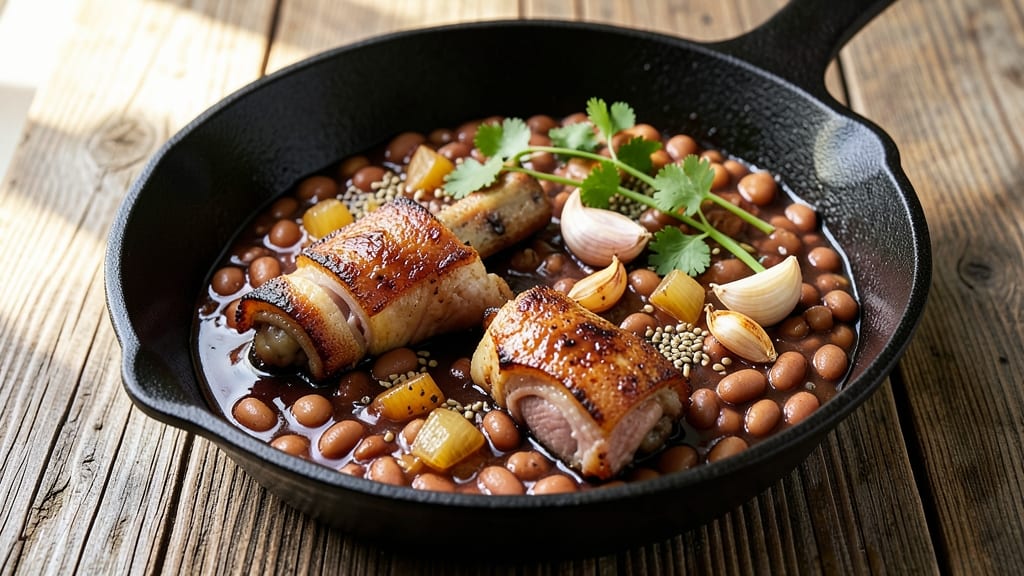
This canned pinto beans and ham hock recipe transforms humble pantry staples into a rich, smoky-spiced stew that tastes like it simmered all day—even when it doesn’t. The secret lies in the ham hock’s slow release of collagen, turning simple beans into a tender, flavor-packed masterpiece with minimal effort.
I’ve perfected this over years of testing, balancing traditional slow-cooking with modern shortcuts for busy weeknights.
The beauty of this dish is its versatility—whether you simmer it on the stovetop for hours or pressure cook it in 30 minutes, the result is the same: deep, savory flavors that cling to every bite.
The ham hock dissolves into the beans, creating a silky, brothy texture that’s impossible to resist. Seasoned just right, it’s hearty enough for a main course but simple enough to make regularly.
What you’ll end up with is a smoky, spiced stew that’s packed with protein, fiber, and restaurant-quality depth—no fancy ingredients required. The beans soften perfectly, absorbing the ham’s richness while the spices develop into a complex, aromatic blend.
This is comfort food at its finest: foolproof, budget-friendly, and always satisfying.
Serve it with crusty bread to soak up every last drop, or pair it with cornbread for the ultimate Southern-style meal. The leftovers? Even better the next day. Let’s get cooking—this stew is a game-changer for lazy Sundays and busy weeknights alike.
Ingredients for canned pinto beans and ham hock
Pantry staples meet smoky magic—this stew needs zero fancy ingredients.
| Ingredient | Amount | Notes |
|---|---|---|
| Canned Pinto Beans 🌱 | 3 cups | Drained, rinsed, good quality brand |
| Ham Hock 🍖 | 2 whole | Skin-on for best flavor |
| Yellow Onion 🧅 | 1 whole | Medium, diced |
| Garlic Cloves 🧄 | 4 cloves | Peeled, smashed |
| Smoked Paprika 🌶️ | 1 tbsp | For authentic smoky depth |
| Ground Cumin 🌿 | 1 tbsp | Toasted for warmth |
| Dried Oregano 🍃 | 1 tsp | Mexican preferred |
| Bay Leaves 🌿 | 2 whole | Fresh or dried |
| Black Peppercorns 🌶️ | ½ tsp | Freshly cracked |
| Diamond Crystal Kosher Salt 🧂 | 1 ½ tsp | Adjust to taste |
| Apple Cider Vinegar 🍏 | 1 tbsp | Brightens flavors |
| Water 💧 | 4 cups | Or low-sodium broth |
| Extra-Virgin Olive Oil 🫒 | 1 tbsp | For sautéing |
| Fresh Thyme Leaves 🌿 | ¼ cup | Or 1 tsp dried |
| Hot Sauce 🔥 | 1 tsp | Optional, for heat |
The ham hock is non-negotiable here. Butcher shops often have them fresh, but the grocery store freezer section works too—just make sure it's not thawed. Look for skin-on hocks; the skin renders down and adds richness. If you can't find ham hocks, smoked ham bones are a decent swap, though the flavor won't be identical. The pinto beans? Libby's or Bush's are reliable—avoid the 'low-sodium' versions unless you plan to add extra salt later. For the smoked paprika, Penzeys or La Boheme brands have the deepest flavor, but any good-quality smoked paprika will work. Toast your cumin seeds in a dry pan for 30 seconds before grinding—that toasted nuttiness elevates everything.
No smoked paprika? Substitute half the amount with regular paprika plus a dash of liquid smoke. Running low on thyme? Fresh rosemary at half the amount works in a pinch, though it’s bolder. The apple cider vinegar might sound odd, but it’s the secret to cutting through the richness—substitute lemon juice if that’s what you’ve got. For the water, low-sodium chicken broth adds depth without overpowering. The hot sauce is totally optional, but if you add it, Cholula or Crystal are my go-tos—they’ve got just the right balance of heat and smokiness. And if you’re using dried thyme, crush the leaves between your fingers to release their oils—that’s where the flavor lives.
This stew gets better with time—plan to cook it for at least 2 hours if you’re simmering, or 30 minutes in a pressure cooker. The ham hock will dissolve completely, leaving behind a silky, brothy base. Store leftovers in the fridge for up to 5 days, or freeze portions for 3 months. I always make double batches because it reheats beautifully—just add a splash of water or broth to loosen it up. The longer it sits, the more those flavors meld together. Serve it with crusty bread or over rice, and don’t forget to save some of that golden, flavor-packed broth for the next time.
Why You'll Love This Recipe
- No-Chop Night: I swear by this when I’m too tired to dice onions—just throw in a whole onion and a few garlic cloves, let the ham hock steam them soft. The flavor still sings through, and my hands stay clean.
- Smoky Depth Magic: That ham hock? It’s the secret weapon—slowly infusing the beans with rich, salty sweetness while the smoked paprika adds this warm, earthy kick. Honestly, it’s the kind of taste that makes you pause mid-bite.
- Leftovers That Shine: This dish only gets better the next day. The flavors meld into something deeper, and I’ll often toss it into breakfast burritos or over rice—no one ever complains, even my picky teenager.
- Budget Pantry Hero: Three bucks for a ham hock, a can of beans, and a few spices? This feeds four for under $8. Between us, it’s my go-to when grocery money’s tight but I still want something hearty and satisfying.
Step-by-step instructions for smoky-spiced ham hock and pinto bean stew
This rich, smoky stew builds flavor layer by layer—start with the ham hock and let the spices work their magic.
Render the Ham Hock and Build the Base
Place the 2 whole ham hock in a large Dutch oven over medium heat. Let them render fat for 10-12 minutes, turning occasionally, until the skin starts to crisp and the fat pools at the bottom. This rendered fat becomes the flavor foundation of your stew.
Once the ham hock is golden and the fat shimmers, remove the hocks with tongs and set aside (they'll go back in later). Pour off all but 1 tablespoon of the rendered fat—you want just enough to coat the bottom of the pot for sautéing. If you have less than 1 tablespoon, add the 1 tablespoon extra-virgin olive oil to ensure proper browning.
Sauté Aromatics and Toast the Spices
Add the 1 whole yellow onion, diced into ¼-inch pieces, to the Dutch oven. Cook over medium heat for 5-6 minutes until softened and just beginning to caramelize—you want golden edges, not deep brown. Stir occasionally to prevent burning.
Next, add the 4 cloves garlic cloves, smashed with the side of your knife. Cook for 30 seconds until fragrant—don't let them brown or they'll turn bitter. Immediately sprinkle in the 1 tablespoon smoked paprika, 1 tablespoon ground cumin, 1 teaspoon dried oregano, 0.5 teaspoon black peppercorns, and 1.5 teaspoons diamond crystal kosher salt. Toast the spices for 30 seconds, stirring constantly, until you smell their warm, earthy aromas.
Deglaze and Simmer the Stew
Pour in the 1 tablespoon apple cider vinegar and scrape up any browned bits from the bottom of the pot with a wooden spoon. These bits are packed with flavor—don't miss them. Let the vinegar simmer for 1 minute until it reduces slightly and the aroma intensifies.
Add the 4 cups water, then return the ham hock to the pot. Bring to a gentle boil, then reduce heat to low. Cover and simmer for 1 hour, stirring occasionally, until the ham hock is tender and the broth has deepened in color. Here's the thing—don't rush this step. The longer it simmers, the more the flavors meld together.
Add Beans and Finish with Thyme
After the 1-hour simmer, add the 3 cups drained and rinsed canned pinto beans and the 2 whole bay leaves to the stew. Stir gently to combine, then increase heat to medium and bring to a gentle boil. Reduce heat to low again and simmer uncovered for 20-25 minutes until the beans are heated through and the stew has thickened slightly.
Remove the ham hock from the pot and let it rest on a cutting board for 5 minutes before shredding or slicing it into bite-sized pieces. Return the ham hock to the stew along with the 0.25 cup fresh thyme leaves and 1 teaspoon hot sauce (if using). Simmer for another 5 minutes to let the thyme infuse its herbal notes and the hot sauce distribute evenly.
Adjust Seasoning and Serve
Taste the stew and adjust seasoning if needed—add more diamond crystal kosher salt or a splash of apple cider vinegar for brightness. The stew should be rich, smoky, and perfectly balanced between the sweetness of the beans, the savory depth of the ham hock, and the warmth of the spices.
Ladle the stew into bowls and serve immediately, garnished with additional fresh thyme leaves if desired. The ham hock will be fall-apart tender, the beans creamy, and the broth infused with layers of smoky, spiced flavor. This is the kind of dish that tastes even better the next day, so leftovers make fantastic lunches.
Pro Tips For Making Canned Pinto Beans And Ham Hock
- Simmer Ham Hock Low: Start with a rolling boil to pull out the dirt, then drop the heat to a gentle simmer—no higher than a whisper. I learned this the hard way when my ham hock turned rubbery instead of tender after 3 hours. The slow, steady heat is what melts the collagen into rich, flavorful broth.
- Rinse Beans First: Drain and rinse canned pinto beans twice before adding them to the pot. The extra step cuts down on that metallic, canned-bean aftertaste that ruins the dish. Trust me, your taste buds will notice the difference—especially when paired with the smoky ham.
- Char the Onion: Sear the diced onion in a dry pan until the edges turn deep brown—almost black—before adding it to the pot. That caramelized bitterness balances the sweetness of the ham and deepens the flavor. (Yes, it looks dramatic, but it’s worth it.)
- Toast the Paprika: Bloom the smoked paprika in the pot with the onions and garlic for 30 seconds before adding liquid. It releases the aroma and prevents that dusty, bitter aftertaste that happens when you toss it in at the end. (I used to skip this—don’t make my mistake.)
Pro cooking tips for great canned pinto beans and ham hock
Ham Hock Rendering
Start by rendering the ham hock in a Dutch oven over medium heat for 10-12 minutes, turning occasionally. This step is non-negotiable—it unlocks the stew’s deep, savory richness.
The skin should crisp and release fat that becomes the flavor base. I use a heavy-bottomed Dutch oven like Le Creuset to prevent hot spots. 🔥
Once the hocks are golden, remove them and set aside. Pour off all but 1 tablespoon of fat—this is your liquid gold. If you have less than 1 tablespoon, add 1 tablespoon extra-virgin olive oil to ensure proper browning.
This fat is what carries all the smoky, meaty flavors throughout the stew.
Spice Toasting
Toast your spices in the rendered fat for 30 seconds—this releases their essential oils and deepens their flavor. I always toast smoked paprika and cumin together because their earthy notes complement each other perfectly.
Use a wooden spoon to stir constantly and prevent burning. The moment you smell that warm, aromatic burst, you’re on the right track. 🌶️
Don’t skip this step—toasted spices make a world of difference. If you’re using whole spices, lightly crush them with the side of your knife before adding to maximize flavor extraction. For example, black peppercorns should be cracked to release their piquant punch.
Simmering Secrets
A gentle simmer is key—this stew needs time to develop its complex, layered flavors. After adding the ham hock back in, cover the pot and simmer for 1 hour on low heat.
The longer it cooks, the more the collagen breaks down, creating a silky, brothy texture. I use a lid with a small gap to allow steam to escape, preventing a soggy stew.
Stir occasionally to prevent the bottom from sticking—this is where the Maillard reaction happens, adding depth. If the stew reduces too much, add ¼ cup water to maintain the right consistency. The goal is a thick, velvety stew that coats the back of your spoon.
Bean Integration
Add the pinto beans only after the ham hock has tenderized—this prevents them from turning mushy. Simmer them uncovered for 20-25 minutes to let excess moisture evaporate and the flavors meld.
I like to mash a few beans with a fork at the end to thicken the stew slightly. This creates a creamy texture without needing a roux. 💡
If your beans are still too firm after 25 minutes, add ½ cup water and simmer for another 10 minutes. The beans should be tender but still hold their shape—they’ll soften further as the stew rests. Avoid overcooking, or they’ll turn to paste.
Final Touches
The ham hock should shred easily with a fork—if it doesn’t, simmer for another 10-15 minutes. Return it to the stew along with fresh thyme and hot sauce (if using) to brighten the flavors.
Let it sit for 5 minutes off the heat to allow the thyme to infuse its herbal aroma. This is where the stew transforms from good to extraordinary.
Taste and adjust seasoning—apple cider vinegar adds brightness, while kosher salt balances the richness. Serve immediately with crusty bread or cornbread to soak up every last drop. The leftovers? Even better the next day—flavors deepen overnight, making this stew a meal-prep superstar.
Nutrition facts
Frequently asked questions
Can I use dried pinto beans instead of canned?
Yes, but you'll need to soak them first. For dried beans, soak 1 cup overnight, then simmer for 1.5-2 hours until tender before adding to the stew. The canned version saves time, but dried beans give a slightly earthier texture. If using dried, reduce the final simmer time to 20 minutes after adding them to the pot.
What if I can't find ham hocks?
Try smoked ham bones or even a 1-pound smoked ham cut into chunks. For best results, use skin-on smoked ham shanks—they'll render fat and add depth. If nothing else works, a 2-ounce piece of bacon can add smokiness, though it won't replicate the ham hock's collagen-rich broth.
How do I make this stew in a slow cooker?
Brown the ham hock and aromatics first, then transfer everything to the slow cooker. Add 2 cups water (less than the recipe) and cook on low for 6-8 hours or high for 3-4 hours. The longer it cooks, the richer the flavor. The beans will soften more in the slow cooker, so check for doneness at 4 hours if using high heat.
Why does my stew taste too salty?
Ham hocks are naturally salty! If it's too strong, add ½ cup water and simmer for 10 minutes to dilute. For future batches, reduce the salt to 1 teaspoon and taste before adding all the beans. If using low-sodium canned beans, you may need to add extra salt. The apple cider vinegar can also help balance saltiness.
Can I freeze this stew?
Let it cool completely, then store in airtight containers for up to 3 months. To reheat, thaw overnight in the fridge, then warm on the stove with ¼ cup water to restore moisture. Microwaving works in a pinch, but stove-top reheating preserves texture better. The flavors actually improve after freezing!