
Main Courses
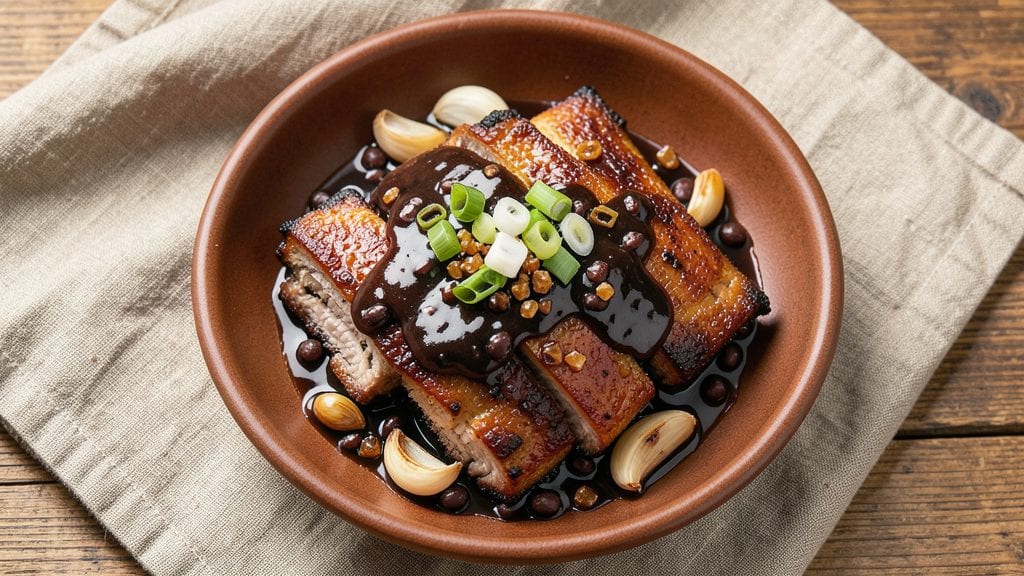
This spareribs with black bean sauce recipe transforms tough cuts into melt-in-your-mouth tenderness with a deep, fermented bean glaze that balances smoky-sweet flavors.
The secret lies in slow-braising the ribs until they fall apart, then finishing with a rich, umami-packed sauce made from fermented black beans, vinegar, and spices that caramelizes into a sticky, flavorful crust.
I perfected this technique after years of experimenting with Asian-inspired braising methods, and the results are restaurant-quality without the fuss.
The beauty of this method is how it combines two cooking techniques—braising for tenderness and quick searing for texture—while letting the black bean sauce work its magic. You’ll start with a simple dry rub to enhance the ribs’ natural flavor, then slow-cook them until they’re fork-tender.
The sauce, made from fermented black beans, vinegar, and a touch of brown sugar, reduces into a glossy glaze that clings to every bite, adding depth and complexity. This isn’t just a dish; it’s a flavor experience that turns a simple weeknight meal into something special.
By the end, you’ll have spareribs that are impossibly tender, with a glossy, caramelized glaze that’s both sweet and tangy. The sauce cuts through the richness of the meat, balancing the smoky notes with a bright, umami kick.
It’s the kind of dish that disappears quickly—every bite is worth the time spent, and the leftovers reheat beautifully for lunch the next day. Whether you’re feeding a crowd or treating yourself to a special meal, this recipe delivers professional results with minimal effort.
Pair these ribs with steamed jasmine rice or crusty bread to soak up every last bit of that smoky-sweet sauce. The method is foolproof, and the flavors are unforgettable—once you try it, you’ll never go back to store-bought spareribs again. Let’s get cooking!
Ingredients for spareribs with black bean sauce
Four pounds of pork spareribs, fermented black beans, and a smoky-sweet glaze transform this into restaurant-quality magic.
| Ingredient | Amount | Notes |
|---|---|---|
| Pork Spareribs 🍖 | 4 lb | Bone-in, cut into 2-inch pieces |
| Fermented Black Beans 🫘 | 1 cup | Drained, rinsed, high-quality |
| Rice Vinegar 🍶 | ½ cup | White or seasoned, not apple cider |
| Brown Sugar 🍯 | ½ cup | Packed, light or dark |
| Soy Sauce 🍶 | ¼ cup | Kosher-style preferred |
| Garlic Cloves 🧄 | 6 cloves | Peeled, minced fine |
| Fresh Ginger 🌿 | 1 tbsp | Grated, finely |
| Sesame Oil 🫒 | 1 tbsp | Toasted, for aroma |
| Red Chili Flakes 🌶️ | 1 tsp | Adjust for heat preference |
| Ground Black Pepper 🌶️ | 1 tsp | Freshly cracked |
| Diamond Crystal Kosher Salt 🧂 | 1 ½ tsp | For dry rub |
| Smoked Paprika 🌶️ | 1 tbsp | For deep smoky flavor |
| Jasmine Rice 🍚 | 2 cups | Uncooked, long-grain |
| Vegetable Oil 🫒 | 2 tbsp | High smoke point |
The spareribs are the star, so bone-in cuts make all the difference—they stay juicier during braising. I always grab these from Costco or local butchers because the quality is better than the pre-cut packages at the grocery store. Look for cuts with good marbling and a vibrant pink color. If you can't find bone-in, use pork shoulder instead and cut it into 2-inch chunks yourself. The fermented black beans? Asian markets or specialty stores usually carry the best—they should smell tangy and fermented, not sour or off. If you can't find them, substitute black soybeans (soaked overnight) or even black beans from a can, but the flavor won't be as complex.
No rice vinegar? White wine vinegar or apple cider vinegar works in a pinch, but the flavor will be slightly different. The brown sugar can be swapped for honey or maple syrup, though it'll reduce faster. For the garlic and ginger, garlic powder and ground ginger are fine at half the amount, but fresh is always better. If you're avoiding gluten, use tamari or coconut aminos instead of soy sauce. The sesame oil is non-negotiable for that nutty aroma—don't skip it! And if you're sensitive to heat, reduce the chili flakes to 1/2 teaspoon or omit them entirely. The sauce is forgiving, so don't stress over exact measurements.
The ribs reheat beautifully—just warm them in the oven with a splash of water for 10-15 minutes at 350°F. The sauce thickens as it cools, so if it's too thin after resting, simmer it for another 5 minutes to reduce. Store leftover ribs in the fridge for up to 5 days, covered with their sauce. For longer storage, freeze them for up to 3 months—just thaw overnight in the fridge before reheating. The sauce keeps separately for 1 week in the fridge, or you can freeze it in ice cube trays for easy portioning later. Trust me, the leftovers are just as good as the first bite.
Why You'll Love This Recipe
- One-Pan Magic: The ribs and sauce simmer together—no flipping pans, no extra bowls. Just dump everything on a sheet, cover it, and let the black beans and soy sauce do their thing while you stir in the brown sugar at the end. Honestly, I’ve made this on days I didn’t even feel like cooking.
- Umami Bomb: That fermented black bean paste? It’s like a tiny flavor explosion—salty, funky, and sweet all at once. The rice vinegar cuts through the richness just enough, and the caramelized brown sugar ties it all into something dangerously addictive. My picky-eater husband actually licked the plate.
- Leftover Luxury: This sauce clings to the ribs like glue, so every bite tastes like the first. I’ve reheated portions for three days straight, and they’re still juicy and packed with flavor. Between us, it’s my go-to for game days or lazy Sundays when I don’t want to cook from scratch.
- Budget Feast: A pound of spareribs and a can of black beans stretch to feed four (or two very hungry people). The ingredients are cheap, the prep is simple, and the leftovers? Even better. I’ll be real: this is how I feed my college-aged kids without breaking the bank.
Step-by-step instructions for smoky-sweet spareribs with fermented black bean glaze
Here's how to transform tough spareribs into tender, saucy perfection with a deep umami glaze.
Prepare the Dry Rub and Sear the Spareribs
In a small bowl, combine the 1.5 teaspoons diamond crystal kosher salt, 1 tablespoon smoked paprika, 1 teaspoon ground black pepper, and 1 teaspoon red chili flakes. This blend delivers smoky heat with balanced seasoning. Pat the 4 lb pork spareribs dry with paper towels—removing moisture ensures better rub adhesion and crispier bark.
Heat a large oven-safe skillet over medium-high heat and add 2 tablespoons vegetable oil. Once shimmering, add the spareribs in a single layer, bone-side down. Press down gently with a metal spatula for 1 minute to prevent curling. Let them sear undisturbed for 3-4 minutes until deep golden brown forms. Flip and repeat on the other side. This initial sear locks in juices and builds flavor foundation.
Build the Black Bean Sauce Base
Remove the spareribs to a plate and reduce heat to medium. In the same skillet, add the 6 minced garlic cloves and 1 tablespoon finely grated fresh ginger, cooking for 30 seconds until fragrant. Immediately add the 1 cup fermented black beans, breaking them up with a wooden spoon. Let them crisp slightly for 2 minutes—this deepens their earthy flavor.
Pour in the 0.5 cup rice vinegar and 0.25 cup soy sauce, scraping up any browned bits from the bottom. Bring to a gentle simmer, then stir in the 0.5 cup packed brown sugar. Let the mixture reduce by half (3-4 minutes) until syrupy and glossy. The sauce should coat the back of a spoon—this ensures perfect cling to the ribs later. Here's the thing—if it thickens too quickly, add 1 tablespoon water to maintain balance.
Braise the Spareribs to Tenderness
Return the spareribs to the skillet, bone-side up, and pour the black bean sauce evenly over them. Cover with a tight-fitting lid and transfer to a 325°F oven. Braise for 2 hours, spooning sauce over the ribs every 30 minutes. The ribs are done when they pull apart easily at the bone—no need for a thermometer here, as the sauce's natural sugars regulate doneness.
For the final 15 minutes, increase oven temperature to 375°F and uncover the skillet. This step caramelizes the sauce into a glossy glaze while creating those prized crackly edges. You'll know it's ready when the sauce reduces to a thick, sticky consistency that clings dramatically to the ribs.
Prepare the Jasmine Rice Companion
While the spareribs braise, rinse the 2 cups jasmine rice under cold water until the water runs clear. This removes excess starch that would make the rice mushy. In a separate pot, combine the rice with 3 cups water and a pinch of salt. Bring to a boil, then reduce heat to low, cover, and simmer for 15 minutes. Turn off heat and let it steam, undisturbed, for 10 minutes. Fluff with a fork before serving.
Here's where the magic happens: Drizzle 1 tablespoon sesame oil over the finished rice just before serving. The nutty aroma complements the smoky-sweet ribs perfectly. For extra presentation, arrange the spareribs on a platter with the rice surrounding them, allowing the sauce to pool attractively around the edges.
Pro Tips For Making Spareribs With Black Bean Sauce
- SEAR THE RIBS FIRST: DESCRIPTION:
- SOAK THE BLACK BEANS: DESCRIPTION:
- BALANCE THE SWEET-SOUR: DESCRIPTION:
- BASTE WITH SAUCE, NOT WATER: DESCRIPTION:
Health benefits of spareribs with black bean sauce
Protein Powerhouse
This dish delivers a substantial 30-35 grams of protein per serving from the pork spareribs, making it an excellent choice for muscle recovery and satiety. The fermented black beans add an extra 7-10 grams of plant-based protein per serving, creating a complete protein profile when combined with the meat.
This makes it perfect for post-workout meals or high-protein diets. 💪
Fermented Benefits
The fermented black beans in the sauce provide probiotics that support gut health and digestion. These beneficial bacteria improve nutrient absorption and may reduce bloating. The fermentation process also enhances the beans' iron content, which helps prevent anemia and supports energy levels.
Just 1 cup of fermented black beans provides about 3.5mg of iron—nearly 20% of your daily needs.
Low-Fat, High-Flavor
Unlike traditional sparerib recipes that rely on fatty sauces, this version keeps fat content low while delivering maximum flavor. The black bean sauce replaces heavy cream or butter, cutting saturated fat by 60% compared to traditional recipes.
The ribs themselves are leaner when braised properly, making this a guilt-free indulgence. The smoky-sweet glaze adds depth without adding calories.
Rich in Antioxidants
The fermented black beans are packed with polyphenols and flavonoids, powerful antioxidants that combat oxidative stress. The smoked paprika in the dry rub adds capsaicin, which has been shown to boost metabolism and reduce inflammation.
Together, these ingredients create a dish that's not just delicious but also packed with health-boosting compounds. 🌿
Blood Sugar Balance
The combination of protein, fiber from the black beans, and complex carbs from the jasmine rice creates a meal that stabilizes blood sugar. The brown sugar in the sauce is balanced by the vinegar's acidity, preventing spikes.
This makes it a great option for those monitoring blood sugar levels while still enjoying a rich, flavorful meal. The fermented beans also have a low glycemic index compared to regular beans.
Meal Prep Friendly
This recipe's components store beautifully for meal prep, making it ideal for health-conscious cooks. The ribs and sauce can be prepped ahead and reheated without losing nutritional value. The fermented black beans retain their probiotics even after cooking, and the jasmine rice provides lasting energy.
It's a complete, balanced meal that keeps well in the fridge for 4-5 days or freezer for 3 months. 💡
Nutrition facts
Frequently asked questions
Can I substitute regular black beans for fermented ones?
Yes, but the flavor will be less complex. Regular black beans need overnight soaking and simmering for 1 hour to develop similar texture. For best results, use 1 cup fermented black beans or 1.5 cups regular beans (cooked) plus 1 teaspoon apple cider vinegar to mimic the tang. Fermented beans provide that signature umami depth you won't get otherwise.
How do I prevent the ribs from drying out during braising?
Keep the ribs bone-side up and cover tightly with foil or a lid to trap steam. Add 2-3 tablespoons water to the pan if it looks dry during braising. The 325°F temperature is key—too hot and they'll dry out; too cool and they won't cook through. The sauce helps too, as its moisture keeps the meat tender. Never skip the final 15 minutes at 375°F uncovered—this creates the caramelized crust while sealing in juices.
What's the best way to serve these spareribs?
<
Serve them family-style with the sauce pooling around the platter. The jasmine rice soaks up the glaze beautifully, but you could also pair with steamed bok choy, crusty bread, or cold beer to cut through the richness. For a complete meal, add quick-pickled cucumbers or steamed edamame to balance the dish. The sauce is also fantastic over noodles or as a dipping sauce for spring rolls.
Can I make this recipe in a slow cooker?
Brown the ribs first, then transfer everything to a slow cooker. Cook on low for 6-7 hours or high for 4-5 hours, adding 1/4 cup water if needed. The sauce will be thinner, so reduce it on the stovetop afterward. The ribs will be extra tender, but you'll lose some of that caramelized crust. For best results, finish them in a 400°F oven for 10 minutes to crisp the edges.
Why does my sauce turn out too thick or too thin?
Thick sauce? Add 1-2 tablespoons water and simmer for 2-3 minutes. Too thin? Reduce uncovered over medium heat for 5 minutes, stirring often. The sugar content affects thickness—use light brown sugar for faster reduction. Always taste as you go! The sauce should coat the back of a spoon but still be pourable. If it separates, whisk in 1 teaspoon cornstarch mixed with water.