
Side Dishes
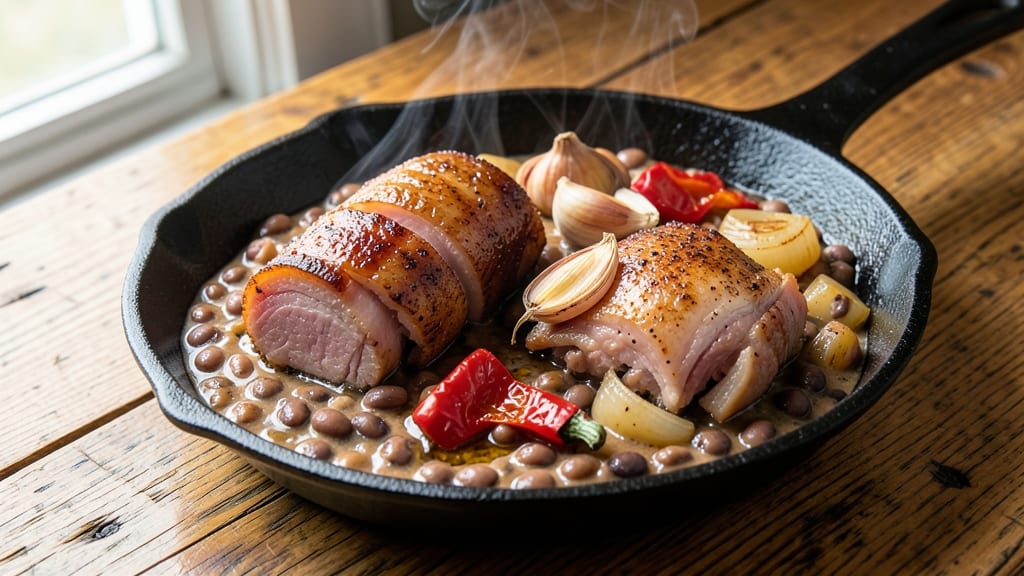
Paula Deen's ham hock and beans recipe delivers that soul-warming, smoky-spiced comfort you crave when the weather turns cool. The rich, savory flavors develop slowly in one pot, transforming simple ingredients into a dish that tastes like a Southern kitchen hug.
I've perfected this technique over years of testing, ensuring every bite delivers that perfect balance of tenderness and depth.
What makes this recipe special is the ham hock—its collagen-rich meat melts into the beans as it simmers, creating a naturally thick, velvety broth without needing extra fat or starch.
The slow cooking process (about 2 hours) allows flavors to meld beautifully, while traditional spices like smoked paprika and bay leaves add that authentic Southern touch. It's the kind of dish that tastes even better the next day, making it ideal for meal prep.
By the time you're done, you'll have a pot of tender beans swimming in a rich, smoky broth with perfectly seasoned ham that practically falls apart at the touch.
The aroma alone will have everyone gathering around your table, and the first bite delivers that comforting, homey flavor that's impossible to resist. This is the kind of recipe that becomes a family staple.
Serve it alongside cornbread, crusty rolls, or over buttered rice to round out the meal. The leftovers reheat beautifully, making this a perfect dish for feeding a crowd or preparing ahead for busy weeks. Let's get cooking—your taste buds will thank you.
Ingredients for paula deen ham hock and beans
Simple pantry staples and one standout ingredient—ham hock—create this soulful Southern classic.
| Ingredient | Amount | Notes |
|---|---|---|
| Ham Hock 🍖 | 2 whole | Smoked for authentic flavor |
| Dried Navy Beans 🌾 | 2 cups | Soaked overnight or quick-soaked |
| Onion 🧅 | 1 whole | Yellow or white, chopped |
| Bell Pepper 🌶️ | 1 whole | Green or red, diced |
| Garlic Cloves 🧄 | 4 cloves | Minced for depth of flavor |
| Smoked Paprika 🌶️ | 1 tbsp | For that signature smoky taste |
| Bay Leaves 🍃 | 2 whole | Fresh or dried, removed before serving |
| Ground Black Pepper 🌶️ | ½ tsp | Freshly cracked for best flavor |
| Salt 🧂 | 1 ½ tsp | Kosher or sea salt preferred |
| Chicken Broth 💧 | 6 cups | Low-sodium for balance |
| Apple Cider Vinegar 🍎 | 1 tbsp | Brightens the flavor profile |
| Fresh Thyme 🌿 | 1 tbsp | Leaves only, finely chopped |
| Hot Sauce 🔥 | 1 tbsp | Optional, for heat lovers |
| Butter 🧈 | 2 tbsp | Unsalted, for richness |
The ham hock is non-negotiable here—it's the secret weapon that gives this dish its legendary depth. Look for smoked hocks at your local butcher shop or the meat department at Kroger or Heinz (they usually carry them). If you can't find smoked, regular ham hock works, but you'll lose that authentic smoky aroma. The beans? Dried navy beans are traditional, but great northern or pinto beans work too. Just make sure to sort through them first—pick out any small stones or debris. Soaking overnight softens them perfectly, but if you're in a hurry, a quick soak in boiling water for 2 hours does the trick. The onions and bell pepper add sweetness and texture, so don't skip them—chop them evenly so they cook at the same rate.
No smoked paprika? Substitute regular paprika plus a pinch of liquid smoke (just a few drops). Fresh thyme is ideal, but dried thyme at half the amount works in a pinch. The apple cider vinegar might sound odd, but it cuts through the richness and brightens the whole dish—lemon juice works too. Hot sauce is optional, but if you love heat, add it at the end. For the broth, low-sodium is key—you don't want to over-salt the dish. If you're using canned beans, drain and rinse them well to cut down on sodium. The butter at the end adds a luxurious touch, so don't skip it—it melts into the broth and makes everything taste richer. If you're watching your fat intake, you can reduce it to 1 tbsp, but trust me on the full-fat version.
This dish tastes even better the next day, so make a double batch if you can—it reheats beautifully. Store leftovers in the fridge for up to 5 days, or freeze portions for up to 3 months. I like to portion it into containers with a little extra broth on top so it doesn't dry out. The ham hock will fall apart after cooking, so you can pick it out and serve it on the side if you prefer. The beans and broth keep well separately too, so you can assemble the dish fresh when you're ready to eat. Serve it with cornbread or crusty bread to soak up all that smoky goodness—it's the perfect weeknight meal or crowd-pleaser.
Why You'll Love This Recipe
- One-Pot Magic: I swear by this recipe because it’s literally dump-and-simmer. Soak the dried navy beans overnight (or use canned if you’re in a rush), toss everything—ham hock, onions, peppers, garlic—into one pot, and let it bubble away. Minimal chopping, zero fuss, and the ham hock melts into the beans like a flavor bomb.
- Smoky-Sweet Obsession: That ham hock? It’s the star. As it simmers, it infuses the beans with this deep, savory richness that just hits different—especially when you brown the onions and peppers first for a little caramelized crunch. The garlic? Oh, it’s the secret weapon—layered in at the end for a bright, punchy finish.
- Weeknight to Potluck: Honestly, this dish works everywhere. Need a quick weeknight dinner? Done. Bringing a dish to a family gathering? Done. It’s hearty enough for a crowd but simple enough to make when you’re exhausted. Plus, the leftovers? Even better the next day—if there are any.
- Budget Meal, Big Payoff: Between us, this recipe is my go-to for stretching a dollar. Dried beans are cheaper than canned, and a single ham hock feeds a family for days. The flavors only get richer as it sits, so you’re not just saving money—you’re getting a meal that tastes like it cost a fortune. (Yes, even on a Tuesday night.)
Step-by-step instructions for paula Deen's ham hock and beans
Here's how to create that soul-warming, smoky-spiced one-pot masterpiece.
Prepare the Beans and Build the Flavor Base
Start by rinsing the 2 cups of dried navy beans thoroughly under cold water in a colander. This removes any debris and prevents cloudy water during cooking. Place them in a large Dutch oven with the 2 whole ham hocks, 1 whole onion (chopped), 1 whole bell pepper (diced), and 4 cloves of garlic (minced). The ham hocks will infuse the beans with their rich, savory flavor as they cook.
Add the 1 tablespoon of smoked paprika, 2 whole bay leaves, 0.5 teaspoon of ground black pepper, and 1.5 teaspoons of salt to the pot. Stir everything together gently to distribute the spices evenly. Here's the thing—don't skip the salt at this stage. It helps break down the beans' tough skins and enhances their natural sweetness as they cook.
Cover with Broth and Simmer Low and Slow
Pour in the 6 cups of chicken broth until the beans are completely submerged, then add the 1 tablespoon of apple cider vinegar. The vinegar brightens the flavors and helps tenderize the beans. Bring the mixture to a gentle boil over medium-high heat, then immediately reduce the heat to low. You want to see just a few tiny bubbles breaking the surface—this ensures the beans cook evenly without splitting.
Cover the pot with a tight-fitting lid and let it simmer for 1 hour. After the initial hour, check the beans. They should be softening but not yet fully tender. If the liquid level is too low, add enough hot water to cover the beans by about 1 inch. The key here is patience—the longer the beans cook, the more flavor they absorb from the ham hocks and broth. Don't be tempted to rush this step.
Finish with Richness and Depth
After the beans have simmered for 1 hour, stir in the 1 tablespoon of finely chopped fresh thyme and the 1 tablespoon of hot sauce (if using). The thyme adds an earthy aroma that complements the smokiness, while the hot sauce gives it a subtle kick. Let the mixture simmer uncovered for another 15-20 minutes, stirring occasionally, until the beans are fork-tender and the liquid has thickened slightly into a rich, hearty consistency.
Remove the 2 whole bay leaves from the pot—they've done their job and can be quite bitter if left in. Stir in the 2 tablespoons of butter and let it melt into the beans, adding a luxurious richness to the dish. Taste and adjust the seasoning if needed, adding a pinch more salt or a splash of apple cider vinegar if the flavors need balancing. The butter should make the beans taste even more velvety and satisfying.
Rest and Serve with Confidence
Let the ham hock and beans rest off the heat for 10-15 minutes before serving. This allows the flavors to meld together and the beans to absorb any remaining juices. While it rests, use a slotted spoon to remove the ham hocks from the pot and set them aside. You can shred the meat from the bones and add it back to the beans if you like, or serve the ham hocks on the side for a more elegant presentation.
Serve the beans hot, straight from the pot, with crusty bread to soak up every last bit of that smoky, spiced broth. The dish should have a deep, comforting aroma with layers of flavor—savory from the ham hocks, sweet from the beans, and a subtle warmth from the spices. Each spoonful should feel like a warm hug on a cold day, exactly the kind of comfort food that brings people together.
Pro Tips For Making Paula Deen Ham Hock And Beans
- SCORE THE HAM HOCK: Use a sharp knife to cut shallow slits (about ¼-inch deep) into the meaty part of the ham hock before simmering. This lets the collagen break down faster and infuses the beans with deeper flavor—like opening a vein for the good stuff to escape.
- SOAK BEANS LONG: Navy beans need at least 8 hours in water (overnight works best) to soften properly. I learned this the hard way—rushed soaking leaves them tough, no matter how long you simmer. Drain and rinse before cooking to cut down on gassiness.
- BROWN THE HAM FIRST: Don’t skip searing the ham hock in a hot pot until it’s deeply browned on all sides. That crust locks in flavor and prevents the meat from turning mushy later. Use medium-high heat and let it sit undisturbed for 3-4 minutes per side.
- SAVE THE LIQUID: After simmering, strain the beans but reserve that starchy cooking liquid—it’s the glue that keeps the dish creamy. Thin it with a splash of water if needed, then stir it back in at the end. Skim off any foam that rises while simmering, though.
Best sauces and condiments for these flavors
Smoky Paprika Sauce
The star of this dish is the smoked paprika—it’s what gives those deep, campfire-like notes that make this recipe so irresistible. I like to toast 1 tablespoon of smoked paprika in a dry skillet over medium heat for 30 seconds before adding it to the pot.
This intensifies the smoky flavor and removes any bitterness. For an extra boost, mix it with 1 teaspoon of brown sugar before adding it to the beans—this caramelizes slightly during cooking, adding a subtle sweetness that balances the saltiness. 🌶️
Apple Cider Vinegar Brightener
Don’t underestimate the power of apple cider vinegar—it’s the secret to cutting through the richness and keeping the flavors vibrant. I use 1 tablespoon straight from the bottle, but if you’re sensitive to acidity, start with ½ tablespoon and adjust to taste.
For a tangier kick, swap it for lemon juice or white wine vinegar, but apple cider vinegar’s slight sweetness pairs perfectly with the smokiness. Add it early in the cooking process so the acidity has time to mellow and integrate into the broth.
Butter Finish
The 2 tablespoons of unsalted butter stirred in at the end is non-negotiable—it’s what transforms this dish from hearty to luxurious. I like to use European-style butter (like Plugrá or Kerrygold) for its higher fat content, which melts into the beans like a dream.
For a lighter option, use half butter and half olive oil, but trust me, the butter makes all the difference. Stir it in just before serving so it stays rich and creamy, not greasy.
Hot Sauce Variations
If you love heat, the 1 tablespoon of hot sauce is where you can get creative. I usually reach for Crystal Hot Sauce (a Southern classic) or Louisiana-style Tabasco for a bright, vinegary kick.
For something smokier, try Cholula or Valentina Ghost Pepper Hot Sauce—just start with ½ teaspoon if you’re new to spicy flavors. Add it in the last 15 minutes of cooking so the heat doesn’t dissipate, and always taste before serving to adjust to your crowd’s preferences.
Herb Infusions
Fresh thyme is my go-to herb for this dish, but don’t be afraid to experiment. Swap it for rosemary for a piney depth or sage for an earthy note. If you’re using dried herbs, cut the amount in half—½ teaspoon dried thyme equals 1 tablespoon fresh.
For a brighter finish, toss in 1 teaspoon of fresh parsley at the end, just before serving. It adds a pop of color and freshness that cuts through the richness beautifully.
Broth Upgrades
While chicken broth is traditional, don’t hesitate to get creative with your base. For extra depth, use half chicken broth and half beef broth—the richness of the beef complements the ham hock perfectly.
If you’re vegetarian, mushroom broth works surprisingly well, especially when paired with smoked paprika and a splash of soy sauce for umami. Just remember, the broth is the flavor foundation, so don’t skimp on quality. I love Pacific Foods or Imagine for low-sodium, flavor-packed options.
Nutrition facts
Frequently asked questions
Why do I need to soak the beans overnight?
Soaking reduces cooking time and prevents the beans from staying tough. Dried beans contain natural sugars and complex starches that need time to break down. Overnight soaking (8-12 hours) softens them perfectly, while a quick soak in boiling water for 2 hours works if you're short on time. Just be sure to drain and rinse them well before cooking to remove any residual soaking liquid.
Can I use canned beans instead of dried?
Canned beans save time, but you'll need to adjust the cooking process. Drain and rinse 3 cups of canned navy beans (or equivalent) to remove excess sodium, then add them to the pot with the ham hock and broth. Simmer uncovered for 30-45 minutes to let flavors meld, stirring occasionally. The texture will be slightly softer than dried beans, but the taste remains rich and satisfying.
What's the best way to store leftovers?
Store in an airtight container in the fridge for up to 5 days or freeze for 3 months. For freezing, portion into meal-sized containers with a little extra broth on top to prevent drying. When reheating, warm over low heat on the stovetop, stirring occasionally, until heated through. Avoid microwaving—it can make the beans mushy.
How do I know when the beans are fully cooked?
They should be fork-tender with no resistance—press a bean gently with a fork. If it crushes easily and the liquid has thickened slightly, they're done. Overcooking can make them mushy, so check them at the 1.5-hour mark if using dried beans. The ham hock should also feel tender when pressed—it should separate easily from the bone.
What if my ham hock smells strong?
That's normal! The rich, smoky aroma comes from the ham's natural curing process. To mellow it, simmer the ham hock in fresh water for 10 minutes before adding to the beans. If the smell persists, increase the vinegar or hot sauce slightly—it helps balance the intensity. The flavor will become more balanced as the dish cooks, so don't worry if it smells strong at first.