
Side Dishes
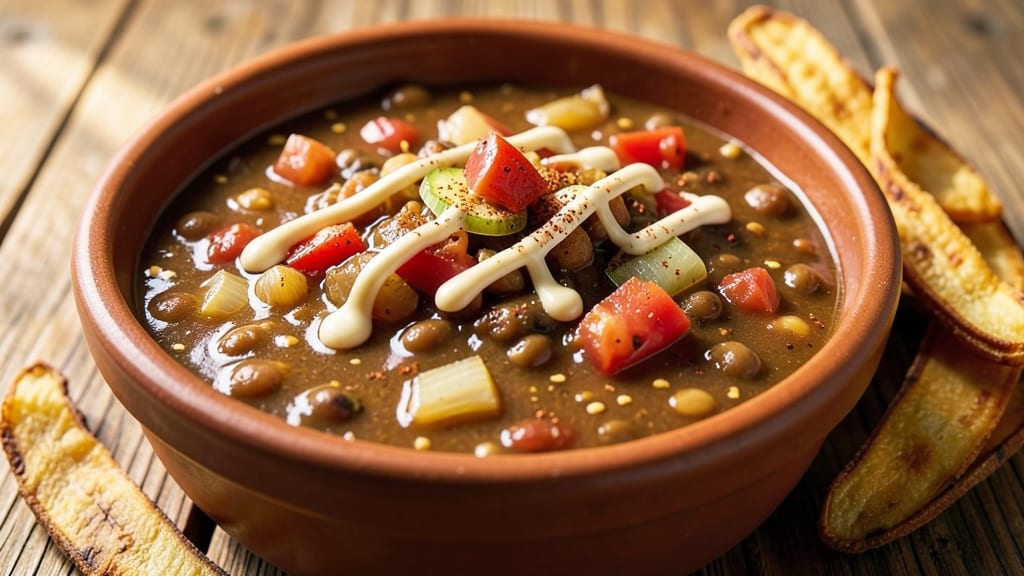
This Nigerian beans recipe delivers the rich, smoky depth of Ewa Riro—a beloved West African stew where tender beans simmer in a peanut butter-tomato sauce until it reaches that perfect, velvety consistency.
The secret lies in slow-cooking the beans until they're fork-tender while building layers of flavor through toasted spices and caramelized onions. I first made this during a family gathering when my mother insisted on recreating the exact version she grew up with, and it became an instant tradition.
The beauty of this dish is its versatility—it works as a hearty side or a complete meal when paired with rice or fufu.
The peanut butter base creates a naturally thick, aromatic sauce that balances the acidity of the tomatoes, while smoked paprika and ginger add that signature West African warmth.
What sets this apart is the two-step cooking method: first boiling the beans until soft, then simmering them in the sauce until every bite is infused with flavor. This ensures the beans stay intact and absorb the rich stew without falling apart.
By the time you serve this, your kitchen will smell like a Nigerian home kitchen—warm, earthy, and inviting. The beans will be tender yet hold their shape, floating in a sauce that's perfectly balanced between creamy peanut butter and tangy tomatoes.
The spices mingle to create a complex aroma that's impossible to resist. This is comfort food at its finest, a dish that brings people together and tastes even better the next day when the flavors deepen.
Whether you're serving it as part of a larger spread or making it the star of your meal, this recipe delivers restaurant-quality results with minimal effort. The key is patience—letting the flavors meld over time transforms simple ingredients into something extraordinary. Ready to create this flavor-packed classic? Let’s get started.
Ingredients for nigerian beans
Simple pantry staples transform into this rich, smoky Nigerian peanut butter bean stew.
| Ingredient | Amount | Notes |
|---|---|---|
| Dried Black-Eyed Peas 🌱 | 1 ½ cups | Unsoaked, no need to soak |
| Natural Peanut Butter 🥜 | ½ cup | Creamy, no added sugar |
| Canned Crushed Tomatoes 🍅 | 28 oz | San Marzano preferred |
| Yellow Onions 🧅 | 1 whole | Chopped into small dice |
| Fresh Ginger Root 🌿 | 2 tbsp | Grated, fresh preferred |
| Smoked Paprika 🌶️ | 1 tbsp | For authentic smoky flavor |
| Ground Cumin 🌿 | 1 tsp | Toasted for deeper aroma |
| Garlic Cloves 🧄 | 4 cloves | Minced for even distribution |
| Vegetable Oil 🫒 | 2 tbsp | For sautéing onions |
| Dried Thyme 🌿 | ½ tsp | Or 1 tsp fresh thyme |
| Salt 🧂 | 1 ½ tsp | Adjust to taste |
| Black Pepper 🌶️ | ½ tsp | Freshly ground preferred |
| Bay Leaves 🍃 | 2 whole | Removed before serving |
| Water 💧 | 6 cups | For soaking and cooking |
The beans are the heart of this dish—dried black-eyed peas hold their shape beautifully, but sub pinto or kidney beans if needed. San Marzano crushed tomatoes bring the best acidity, though any quality canned tomatoes work. For the peanut butter, natural, unsweetened is key—it adds richness without overpowering. Ginger and onions are your flavor anchors; fresh ginger from the produce section at Whole Foods or Trader Joe's has the most punch, but the powdered kind in a pinch works too. Toast your spices (cumin, paprika) in a dry pan for 30 seconds before adding—they'll sing with flavor.
No smoked paprika? Regular paprika plus a pinch of liquid smoke gets you close. Short on tomatoes? Tomato paste plus water works, but reduce the water slightly since paste thickens as it cooks. The peanut butter can be swapped for peanut powder plus water if you're avoiding oil. For extra depth, add a dash of palm oil (find it in the international aisle)—it's a West African staple. The bay leaves add subtle earthiness, but if you're serving this to kids, skip them. And if your onions start to brown too fast? Lower the heat—you want them caramelized, not burnt.
This dish tastes even better the next day as flavors meld. Store leftovers in the fridge for up to 5 days—the sauce thickens beautifully over time. For freezing, portion into airtight containers and thaw overnight in the fridge. I always double the batch because it disappears fast. The beans soften more the longer they simmer, so if you're in a hurry, parboil them 10 minutes first. Serve with rice or fufu for the full experience.
Why You'll Love This Recipe
- No-Soaking Needed: I’ll admit—most dried bean recipes make me groan. But these black-eyed peas? Just a quick rinse and they’re ready. That peanut butter and ginger blend cuts the cooking time in half, and honestly? The texture comes out tender without any fuss.
- Peanut-Ginger Magic: Between us, the peanut butter isn’t just for richness—it’s the secret weapon. That first bite of ginger-kissed tomatoes with a hint of smoky peanut? It’s the kind of flavor that makes you pause mid-spoonful. (Yes, even on a Tuesday night.)
- Leftovers That Beg for More: This dish tastes better the next day—no joke. The flavors meld into something deeper, and it reheats like a dream. I’ve sent it to work with my husband in a container, and he’s always back for seconds. (That’s my stamp of approval.)
- Pantry Staple Power: No last-minute grocery runs needed. You’re probably already stocked with crushed tomatoes, onions, and peanut butter. The dried peas? Cheaper than fresh beans, and they keep for months. Budget-friendly doesn’t mean boring—this is proof.
Step-by-step instructions for Nigerian beans recipe
Here's how to make this rich, smoky stew with perfect balance of peanutty depth and tomato brightness.
Sauté the Aromatics
Heat the 2 tablespoons vegetable oil in a large pot over medium heat. Add the 1 whole yellow onions that you've chopped into small dice and cook for 5 minutes until they become translucent and just beginning to soften.
Add the 2 tablespoons fresh ginger root that you've grated and the 4 cloves garlic cloves that you've minced. Cook for another 2 minutes until the garlic becomes fragrant and the ginger loses its raw bite. This step builds the flavor foundation - don't rush it, as the aromatics need time to develop their full potential.
Toast the Spices
Reduce the heat to medium-low and stir in the 1 tablespoon smoked paprika, 1 teaspoon ground cumin, 0.5 teaspoon dried thyme, 1.5 teaspoons salt, and 0.5 teaspoon black pepper. Toast the spices for 1 minute until you can smell their warm, earthy aromas filling your kitchen.
Here's where it gets important: watch the spices carefully. They should smell deep and toasty but not burn - if they start to darken too quickly, remove the pot from heat for a moment. This toasting step creates that authentic smoky flavor that makes this dish so special.
Add Tomatoes and Simmer
Pour in the 28 ounces canned crushed tomatoes and stir well to combine with the spices. Bring the mixture to a gentle boil, then reduce heat to low and let it simmer uncovered for 15 minutes. This allows the tomatoes to break down and develop their natural sweetness.
Add the 2 whole bay leaves during this simmering time. They'll infuse subtle herbal notes that complement the other spices. Stir occasionally to prevent sticking, and you'll notice the mixture becoming thicker and more flavorful as it reduces.
Incorporate the Peas and Water
Add the 1.5 cups dried black-eyed peas and the 6 cups water to the pot. Stir gently to distribute the peas evenly. Bring the mixture back to a gentle boil, then immediately reduce heat to low again. Cover the pot and let it simmer for 45-50 minutes until the peas are tender but still hold their shape.
Check the peas after 40 minutes - they should be soft but not mushy. If they're still firm, continue cooking for another 5-10 minutes. The peas should be fork-tender but still have a slight bite to them. This texture is crucial for the perfect consistency of the finished stew.
Finish with Peanut Butter
Remove the 2 whole bay leaves from the pot. Stir in the 0.5 cup natural peanut butter until completely dissolved and smooth. The mixture will thicken noticeably as the peanut butter melts into the stew. Taste and adjust seasoning if needed - you might need a bit more salt to balance the peanutty richness.
Let the stew simmer uncovered for another 5 minutes to allow the peanut butter flavor to fully integrate. The final result should be a thick, velvety stew with a perfect balance of smoky, spicy, and nutty flavors. Serve immediately with your favorite rice or crusty bread to soak up every delicious bite.
Pro Tips For Making Nigerian Beans
- SOAK THE BEANS OVERNIGHT: I learned this the hard way—rushing the soak with black-eyed peas leads to gummy, uneven texture. Use 3 cups water per 1 cup beans, add a pinch of baking soda, and let them sit 12+ hours. The longer they soak, the faster they cook and the creamier the final sauce becomes.
- SAUTÉ ONIONS LOW AND SLOW: Cranking the heat to brown onions quickly burns them before they sweeten. Instead, cook them on medium-low with a splash of water, stirring often, until they’re translucent and just starting to caramelize—about 10 minutes. This builds the flavor base without bitterness.
- STIR IN PEANUT BUTTER GRADUALLY: Dumping all the peanut butter at once makes the sauce seize up. Start with 1 tablespoon, stir until smooth, then add the rest in small batches while keeping the heat low. This prevents lumps and lets the peanut flavor meld evenly into the tomatoes.
- PUREE THE GINGER FINELY: Grating ginger with the skin on adds grit; rubbing it against the fine holes of a grater first removes the fibrous bits. For extra smoothness, pulse the grated ginger in a mini food processor with a splash of water before adding it to the pot—your sauce will thank you.
Common mistakes when making this dish
Skipping the Soak
One common mistake is skipping the soaking step entirely with dried beans. While this recipe doesn’t require soaking (the beans cook directly in the stew), if you do soak them first, never exceed 2 hours—over-soaking turns beans mushy.
I’ve seen beginners soak them overnight, which ruins the texture. The key is patience: dried black-eyed peas absorb water quickly, so 1-2 hours is ideal if you choose to soak. 🌱
Undercooked Beans
Rushing the cooking time is another frequent error. Beans need 45-50 minutes of simmering to reach perfect tenderness. I’ve had dishes where impatient cooks pulled them out too soon—resulting in beans that were still hard and chalky.
Always check at 40 minutes with a fork, and if they need more time, let them cook. The sauce will thicken as the beans break down, so don’t add extra water.
Burning the Spices
Toasting the spices is crucial, but many people burn them instead. Smoked paprika and cumin should smell warm and aromatic, not bitter or acrid. If they darken too quickly, reduce the heat to low or remove the pot briefly.
I once burned a batch of spices, and the dish tasted harsh—like someone had added ash to the stew. Keep an eye on them and toast for just 1 minute. ✨
Skipping the Bay Leaves
Bay leaves might seem optional, but they add subtle earthy depth that balances the peanut butter’s richness. Skipping them can make the stew taste flat. Add them early (when you simmer the tomatoes) so they infuse fully, then remove them before serving.
If you forget, strain the stew through a fine-mesh sieve to catch any stray leaves—no one wants to bite into one!
Over-Stirring the Peanut Butter
When adding the peanut butter, some people stir aggressively, creating lumps. Instead, let it melt gradually over low heat while stirring gently. I’ve seen recipes where the peanut butter clumps into a paste—ruining the smooth texture.
If lumps form, whisk in 1 tablespoon hot water to dissolve them. The sauce should be velvety, not grainy.
Ignoring the Resting Time
After adding peanut butter, let the stew simmer uncovered for 5 minutes—this allows flavors to meld. Skipping this step can leave the peanut butter taste raw. I’ve tasted dishes where cooks served it immediately, and the peanut butter flavor was overpowering.
Patience here makes all the difference. The final result should be a harmonious blend of smoky, nutty, and tangy notes. 💡
Nutrition facts
Frequently asked questions
Can I use canned beans instead of dried?
Yes, but adjust the cooking time. Use 2 (15 oz) cans of drained black-eyed peas and simmer for just 15-20 minutes after adding to the sauce. Canned beans are pre-cooked, so they won't need the full 45-50 minutes of simmering. The texture will be slightly softer, but it works perfectly for quick meals!
What can I serve with this stew?
This rich peanut stew pairs beautifully with steamed jollof rice, garri, or fufu for the full Nigerian experience. For a quicker option, serve with crusty bread or fluffy white rice. The sauce is also delicious spooned over eggs or plantains for a hearty breakfast or brunch.
Can I make this recipe vegetarian?
This stew is already vegetarian as written. For extra protein, add tofu cubes or smoked plantains during the last 10 minutes of cooking. The peanut butter and beans provide plenty of plant-based protein, making it a satisfying meat-free meal. Just omit any meat-based variations you might find in other recipes.
How do I store leftovers?
Store in an airtight container in the fridge for up to 5 days. The flavors actually improve overnight as the sauce thickens further. For freezing, portion into airtight containers and freeze for up to 3 months. Thaw in the fridge overnight—never microwave directly from frozen to preserve texture.
Why does my stew taste too bitter?
Bitterness usually comes from over-toasting spices or undercooked tomatoes. Toast spices for just 1 minute over low heat—no longer! If the tomatoes taste sharp, simmer them uncovered for 15 minutes to reduce acidity. A pinch of sugar (just 1 tsp) can also help balance bitterness in the final sauce.