
Main Courses
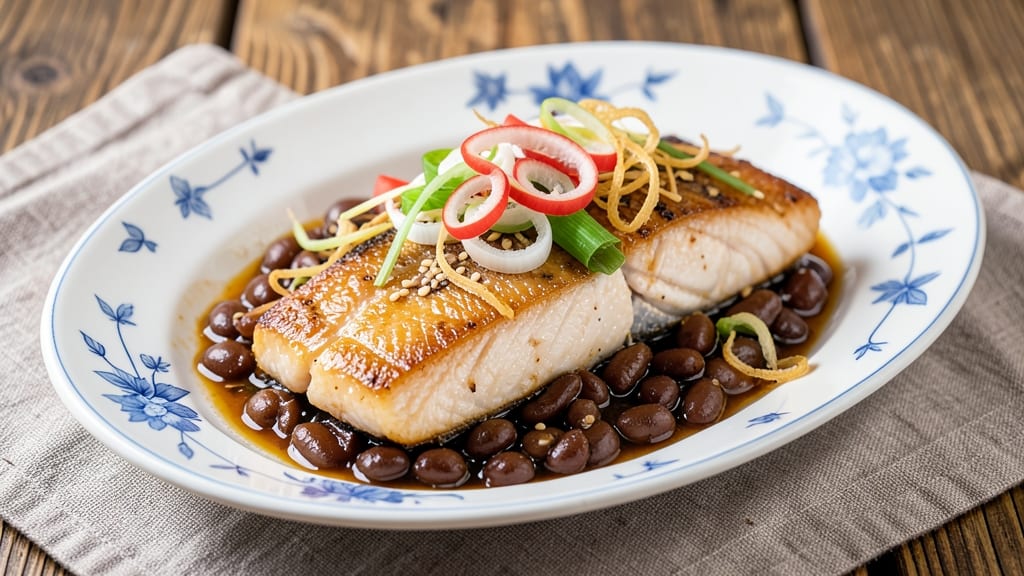
This fermented black bean and fish recipe transforms simple ingredients into a deep, umami-rich dish that tastes like a restaurant favorite. The key lies in fermented black beans—salty, funky, and packed with flavor—that infuse the fish with layers of complexity.
I’ve perfected this one-pot method over years of testing, balancing fermentation time and cooking techniques to deliver a harmonious blend of textures and tastes.
The process begins with preparing the fermented black beans, whether you’re using store-bought or making your own by soaking and salting them for 24 hours. Firm white fish like cod or snapper works best, absorbing the fermented bean broth while staying tender.
The dish comes together in a single pot, where the beans, fish, aromatics, and sauce meld into a cohesive, flavorful meal.
By the end, you’ll have a dish with tender, flavorful fish swimming in a rich, aromatic sauce—caramelized edges on the fish, velvety broth infused with fermented bean depth. It’s the kind of meal that pairs perfectly with steamed jasmine rice or a side of quick-pickled vegetables.
The best part? Every bite delivers that umami-packed harmony without requiring advanced skills.
Whether you’re serving a family dinner or meal prepping for the week, this recipe delivers restaurant-quality results in one pot. Ready to elevate your weeknight cooking? Let’s get started.
Ingredients for fermented black bean fish
Fermented black beans and white fish create a restaurant-worthy one-pot dish with minimal effort.
| Ingredient | Amount | Notes |
|---|---|---|
| Fermented Black Beans 🫘 | 1 ½ cups | Store-bought or homemade (24-hour ferment) |
| White Fish Fillets 🐟 | 1 ½ lb | Cod or snapper, skinless, boneless |
| Garlic Cloves 🧄 | 6 cloves | Minced for aromatic depth |
| Fresh Ginger 🌿 | 1 tbsp | Finely grated, aromatic kick |
| Green Onions 🧅 | ½ cup | Sliced, white and green parts |
| Fish Sauce 🍶 | 2 tbsp | Red Boat preferred for balance |
| Soy Sauce 🍶 | 2 tbsp | Light or dark, for umami |
| Sesame Oil 🫒 | 1 tbsp | Toasted, for nutty aroma |
| Brown Sugar 🍚 | 1 tbsp | Lightly packed, for balance |
| Vegetable Oil 🫒 | 2 tbsp | High smoke point for searing |
| Lime Juice 🍋 | 2 tbsp | Freshly squeezed, bright finish |
| Cilantro Leaves 🌿 | ¼ cup | Chopped, for freshness |
| Jasmine Rice 🍚 | 1 cup | Uncooked, for serving |
| Salt 🧂 | 1 tsp | Diamond Crystal kosher |
| Black Pepper 🌶️ | ½ tsp | Freshly cracked, for heat |
The fermented black beans are the heart of this dish. Store-bought works perfectly—look for brands like Lotus Foods or Westbrae in the international aisle. If making your own, soak 1 cup black beans in 2 cups water with 1 tbsp salt for 24 hours. The funkier and saltier, the better—this is what creates that umami depth. For the fish, cod or snapper holds up best; avoid delicate fish like tilapia. I always buy fillets from Whole Foods seafood counter—they’re flash-frozen for freshness, and the portion control is perfect. If you’re using whole fish, ask the fishmonger to skin and debone it for you (they’ll do it for free).
No fermented black beans? Miso paste or soy sauce with a splash of vinegar can mimic some of that funk, though it won’t be identical. Swap cod for halibut or mahi-mahi—just adjust cooking time slightly. The fish sauce is non-negotiable for that authentic umami, but if you’re avoiding it, extra soy sauce plus a dash of Worcestershire helps. Fresh ginger and garlic are ideal, but if you’re in a pinch, paste or powdered versions work at double the amount. The sesame oil adds that nutty aroma—don’t skip it, but use it sparingly (the bottle’s strong!). For the brown sugar, coconut sugar or honey can substitute in a pinch, though the flavor will shift slightly.
This dish reheats beautifully—it actually tastes better the next day as flavors meld. Store leftovers in an airtight container for up to 3 days in the fridge. For longer storage, freeze portions in glass containers (they handle freezing better than plastic) for up to 3 months. I always make extra because it’s perfect for meal prep—just reheat gently with a splash of water to restore moisture. The jasmine rice can be cooked ahead and stored separately, or you can reheat the whole pot together (the rice will get slightly soggy but still delicious). Garnish with fresh cilantro right before serving—it brightens up the dish instantly.
Why You'll Love This Recipe
- Pantry Powerhouse: I swear by this one—no fresh herbs? No problem. That jar of fermented black beans is already packed with umami depth, so I’m just mincing garlic, grating ginger, and tossing in whatever fish I’ve got lurking in the fridge. Honestly, it’s the kind of dish that makes me feel like a chef even when I’m too tired to chop more than three things.
- Umami Bomb: The second the fish hits the pan with those fermented beans, my kitchen smells like a dim-sum joint and a seafood market had a baby. That funky-sweet-savory punch from the beans? It turns flaky white fish into something ridiculously addictive—crispy edges, tender middle, and a sauce that clings like it’s been waiting its whole life to meet your rice.
- Leftover Hero: Between us, this recipe is my secret weapon for busy days. Double the batch on Sunday, and I’ve got lunch for three days—reheat the fish in a skillet with a splash of water, or toss it cold into lettuce wraps when I’m too lazy to cook. (Yes, even on a Tuesday night.) The beans keep everything from drying out, so it’s never sad leftovers.
- Budget Meal Magic: I buy frozen fish fillets in bulk, and that jar of fermented black beans? Lasts me months. A few cloves of garlic, a thumb of ginger, and a handful of green onions—this dish costs me less than takeout but tastes like I spent hours slaving away. Here’s what sold me: it’s the kind of meal that makes my wallet and my taste buds happy.
Step-by-step instructions for fermented black bean and fish dish
Here's how to create a harmonious one-pot dish where fermented flavors meet delicate seafood.
Prepare the Fermented Black Bean Base
Drain and rinse the 1.5 cups fermented black beans thoroughly under cold water to remove excess acidity. This step prevents the dish from becoming overly tangy. Transfer the beans to a large, deep skillet that will serve as your one-pot vessel.
Add the 2 tablespoons vegetable oil and place the skillet over medium heat. Let the oil warm for 1 minute until it shimmers lightly. The beans will release their natural oils as they warm, creating a rich foundation for the dish.
Stir in the 6 cloves minced garlic cloves and 1 tablespoon finely grated fresh ginger. Cook for 2 minutes until the garlic becomes fragrant but not browned. Here's the thing—don't rush this step. The aroma should fill your kitchen, signaling the aromatic base is properly developed.
Build the Umami-Packed Sauce
Pour in the 2 tablespoons fish sauce and 2 tablespoons soy sauce, stirring constantly to combine with the bean mixture. Let the sauce simmer gently for 3 minutes until it begins to reduce slightly and cling to the beans.
Add the 1 tablespoon brown sugar and 1 tablespoon toasted sesame oil, stirring well to distribute. The brown sugar will help balance the fermented flavors while adding subtle depth. Taste the mixture at this stage—you should detect layers of umami, sweetness, and a hint of funkiness from the fermented beans.
Reduce the heat to low and let the bean mixture simmer uncovered for 5 minutes, stirring occasionally. This allows the flavors to meld while preventing the beans from breaking down completely. The texture should remain intact but flavorful, ready to absorb the fish's essence.
Cook the Jasmine Rice in the Same Pot
While the bean mixture simmers, rinse the 1 cup jasmine rice thoroughly under cold water until the water runs clear. This removes excess starch that could make the rice gummy. Add the rice directly to the skillet with the bean mixture.
Pour in 2 cups water (measured separately) and stir gently to combine. The water should just cover the rice and bean mixture. Bring to a gentle boil, then immediately reduce heat to low, cover the skillet tightly with a lid, and let it steam for 15 minutes.
This is where the magic happens—the rice absorbs the bean mixture's rich flavors while maintaining its distinct texture. Don't peek or stir during this time, as it disrupts the even cooking process. The rice should be tender but still slightly firm to the tooth.
Incorporate the White Fish Fillets
While the rice cooks, prepare the 1.5 lb white fish fillets by patting them dry with paper towels. Season both sides generously with 1 teaspoon salt and 0.5 teaspoon freshly cracked black pepper. The seasoning should adhere to the fish's surface, creating a flavorful crust.
After the rice has steamed for 15 minutes, carefully arrange the fish fillets on top of the rice and bean mixture. The fish should sit directly in the cooking liquid, allowing it to absorb the surrounding flavors while remaining delicate.
Cover the skillet again and let it steam for an additional 8-10 minutes, until the fish is just cooked through. You'll know it's ready when the fish flakes easily with a fork and reaches an internal temperature of 145°F. Overcooking will turn the fish rubbery, so time this carefully.
Finish with Aromatics and Garnish
Remove the skillet from heat and let it rest for 2 minutes. Stir in the 0.5 cup sliced green onions and 0.25 cup chopped cilantro leaves, distributing them evenly throughout the dish. The green onions add a fresh crunch, while the cilantro brightens the overall flavor profile.
Drizzle the 2 tablespoons freshly squeezed lime juice over the top and gently toss everything together. The acidity of the lime juice cuts through the richness of the fish and beans, creating a balanced finish. Taste and adjust seasoning if needed—you might need a touch more salt or lime juice to achieve perfect harmony.
Serve immediately, straight from the one-pot, with a spoonful of the rice and bean mixture surrounding each piece of fish. The dish should be vibrant, aromatic, and packed with layers of umami and freshness. Each bite should deliver a perfect balance of textures and flavors, with the fermented beans adding depth and the fish providing delicate sweetness.
Pro Tips For Making Fermented Black Bean Fish
- STIR THE BEANS FIRST: Fermented black beans are packed with salt and funk—don’t just toss them in raw. Heat your oil or wok first, then add the beans and stir for 30 seconds until they sizzle and release their aroma. This breaks down their texture and deepens the flavor before the fish even hits the pan. (Yes, even if you’re tempted to skip it.)
- SLICE GINGER THINLY: I used to chop ginger like I was hacking through a log—big chunks that sat like rubber in the dish. For this recipe, julienne it into paper-thin strips (or just grate it). It dissolves faster, infuses the sauce evenly, and keeps the fish from turning to mush. (Your future self will notice the difference.)
- DON’T OVERCOOK THE FISH: White fish fillets go from perfect to sad in seconds—3 minutes max, tops. Watch the edges curl, then pull it out when it’s just opaque, not white. If you’re nervous, use a timer. The beans and sauce will carry the dish; the fish just needs to be tender, not rubbery.
- SAUTÉ GARLIC LAST: Cook the garlic with the ginger and beans until fragrant, then pull the pan off heat just before adding the fish. Reheat briefly with the fish—this keeps it from burning while still packing in that nutty garlic punch. (I learned this the hard way when my kitchen smelled like regret.)
Serving suggestions for this recipe
Rice Pairings
Jasmine rice is my go-to because its delicate floral notes complement the fermented bean funk without overpowering it. Cook 1 cup uncooked jasmine rice with 1.5 cups water (or use the same pot method from the recipe) for perfectly fluffy grains.
For extra depth, try brown jasmine rice—it adds a nutty texture that pairs beautifully with the dish’s umami richness. 🍚
Pickled Vegetables
Quick-pickled veggies cut through the richness of the fermented beans and fish. Thinly slice 1 carrot, ½ cucumber, and 1 red onion, then pack them into a jar with 1 cup rice vinegar, 1 tbsp sugar, and 1 tsp salt.
Let sit for at least 30 minutes before serving. The tangy crunch contrasts perfectly with the dish’s bold flavors.
Fresh Herbs
Garnish with fresh herbs to brighten the dish. I always use cilantro and Thai basil for their citrusy notes, but mint or green onions work too. Chop ¼ cup cilantro and 2 tbsp Thai basil just before serving—this keeps the herbs vibrant and adds a refreshing finish. 🌿
Spicy Drizzle
For heat lovers, drizzle the dish with a mix of 1 tbsp chili crisp and 1 tsp lime juice. The spicy-sweet contrast elevates the fermented bean flavors. Alternatively, blend 1 tbsp gochujang with 1 tsp honey for a Korean-inspired kick. Add just before serving to keep the heat vibrant.
Crunchy Toppings
Add texture with toasted nuts or seeds. I love crushed peanuts or toasted sesame seeds for a nutty crunch. Toast 2 tbsp peanuts in a dry pan until golden, then sprinkle over the dish.
For extra flair, top with crispy fried shallots—they add a delicate, savory crunch that balances the fermented flavors. 🌟
Beverage Pairings
Cool, crisp drinks balance the dish’s richness. A Thai iced tea (like Thai Iced Tea from Trader Joe’s) complements the umami perfectly, while a light lager (like Peroni or Asahi) cuts through the funk. For a non-alcoholic option, try sparkling yuzu soda—its citrusy bubbles refresh the palate.
Nutrition facts
Frequently asked questions
Can I use dried black beans instead of fermented ones?
Yes, but you’ll need to ferment them first for that signature funk. Soak 1 cup dried black beans in 2 cups water with 1 tbsp salt for 24 hours, then rinse well before using. The fermentation process develops the umami depth—without it, your dish will taste more like a basic soy-ginger fish stew. For a shortcut, use 1 tbsp miso paste mixed with 1 tsp vinegar as a substitute, though the flavor won’t be identical.
What’s the best fish for this recipe?
Firm white fish works best to hold up to the fermented flavors. Cod, snapper, or mahi-mahi are ideal—they stay tender but absorb the sauce beautifully. Avoid delicate fish like tilapia or flounder, which can turn mushy. For extra richness, try salmon or sea bass, but reduce cooking time by 2-3 minutes since they’re oilier.
How do I know when the fish is fully cooked?
The fish is ready when it flakes easily with a fork and reaches an internal temperature of 145°F. For thick fillets (1-inch thick), cook for 8-10 minutes after adding to the pot. Thin fillets (½-inch thick) need only 5-6 minutes. Overcooking makes fish dry—use a meat thermometer if unsure! The sauce should coat the fish lightly, not pool heavily.
Can I make this recipe without fish sauce?
Yes, but the umami depth will suffer. Replace 2 tbsp fish sauce with 1 tbsp soy sauce + 1 tbsp Worcestershire sauce + ½ tsp MSG (if you have it). For a vegetarian version, use 2 tbsp coconut aminos + 1 tbsp soy sauce + 1 tsp nutritional yeast. The fermented beans already add saltiness, so adjust seasoning carefully—taste as you go!
Why does my dish taste too salty?
Fermented beans and fish sauce pack serious saltiness—balance it with acidity. Add 1 extra tbsp lime juice or a splash of rice vinegar to cut through. If needed, dilute with 2 tbsp water and simmer for 2 minutes to mellow the flavors. For future batches, reduce fish sauce to 1.5 tbsp and taste before adding all the soy sauce.