
Main Courses
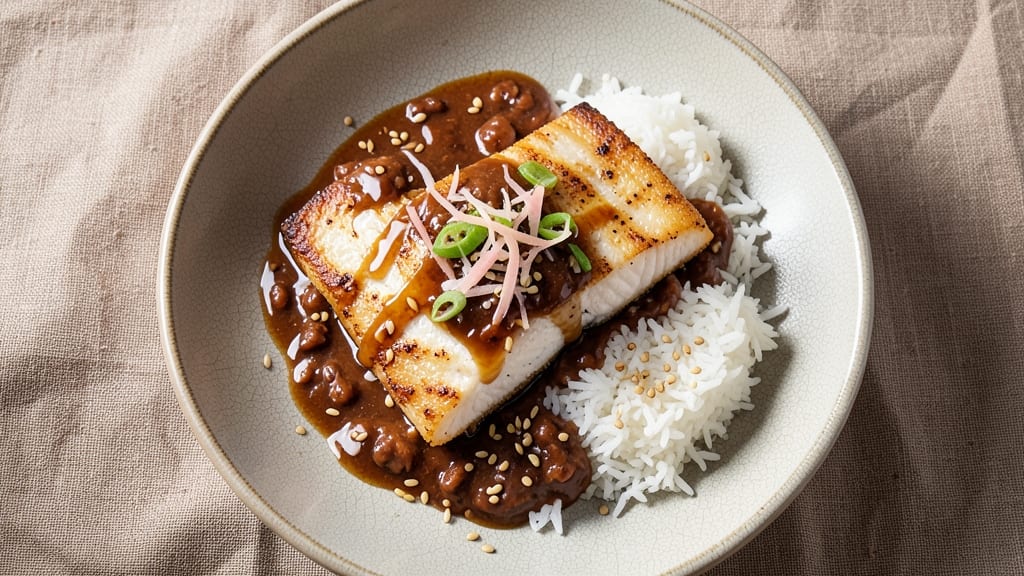
Bean paste fish recipe transforms simple white fish into a restaurant-worthy dish with just one bold ingredient. The secret lies in that rich, umami-packed bean paste—where deep, caramelized flavors meet crispy, golden skin. I developed this technique after years of experimenting with Thai-inspired glazes, and it never fails to impress. The key is balancing the sweet-savory glaze with a light, airy texture that keeps the fish tender yet crispy.
The process starts with a quick marinade that infuses the fish with aromatic spices, then builds to a crispy crust through careful pan-searing. The bean paste glaze caramelizes beautifully, creating silky strands that cling to every bite.
What makes this recipe special is how it elevates humble ingredients—just a few simple components come together to create a dish that feels both elegant and approachable.
By the time you plate it, you’ll have perfectly seared fish with a glossy, sticky glaze that’s sweet, tangy, and deeply savory. The contrast of crispy skin and tender flesh makes each bite irresistible.
Serve it over jasmine rice or with a side of quick-pickled vegetables to cut through the richness. This is the kind of dish that turns a simple weeknight into something memorable.
Ready to master this technique? The instructions are straightforward, and the results are worth every minute. Let’s get cooking—your taste buds will thank you.
Ingredients for bean paste fish
Rich umami bean paste meets delicate fish for a restaurant-worthy dish with just twelve ingredients.
| Ingredient | Amount | Notes |
|---|---|---|
| White Fish Fillets 🐟 | 1 ½ lb | Mild white fish like cod or halibut |
| Red Bean Paste 🌶️ | ½ cup | Thai-style, unsweetened preferred |
| Honey 🍯 | 2 tbsp | Wildflower for floral depth |
| Rice Vinegar 🍶 | 1 tbsp | Seasoned variety for balance |
| Garlic Cloves 🧄 | 4 cloves | Minced for aromatic infusion |
| Fresh Ginger 🧅 | 1 tbsp | Finely grated, aromatic |
| Sesame Oil 🫒 | 1 tbsp | Toasted for nutty aroma |
| Neutral Oil 🫒 | ½ cup | Avocado or vegetable oil |
| Diamond Crystal Kosher Salt 🧂 | 1 tsp | Fine grain for seasoning |
| Black Peppercorns 🌶️ | ½ tsp | Freshly cracked for heat |
| Jasmine Rice 🌾 | 1 cup | Uncooked, long-grain preferred |
| Lime Wedges 🍋 | 2 whole | For serving, fresh squeezed |
The red bean paste is the heart of this recipe—look for Thai-style pastes at Asian markets or well-stocked grocery stores like Whole Foods or H Mart. Brands like Maesri or Thai Kitchen deliver consistent quality. Avoid sweetened varieties; you want pure umami depth. For the fish, freshness is non-negotiable—ask your fishmonger for wild-caught cod or halibut with vibrant color. If using frozen, thaw overnight in the fridge. The sesame oil should be toasted, not the flavored kind from the bottle. For that, grab a small pan and toast the oil over low heat until fragrant, then strain.
No red bean paste? Miso paste or hoisin sauce can substitute in a pinch, though the texture will differ slightly. Swap honey for maple syrup if avoiding refined sugar, but reduce by 10% to account for moisture. Fresh ginger and garlic can be swapped for 1 tsp each of powdered versions, though fresh delivers superior flavor. For the rice, jasmine or basmati both work—just ensure they're long-grain to prevent mushiness. The lime wedges should be bright green and firm; yellowing means they've lost acidity. If you can't find fresh, bottled lime juice works but lacks the same brightness.
Store the bean paste in an airtight container in the pantry for up to 6 months. Fresh fish should be cooked immediately or stored in the coldest part of your fridge for no more than 2 days. Cooked fish with glaze reheats beautifully—warm in a skillet over medium heat for 2-3 minutes to restore crispiness. The glaze itself keeps for 5 days refrigerated or 3 months frozen. For meal prep, portion the glaze into ice cube trays, freeze, then transfer to a bag. Thaw overnight in the fridge before using to preserve texture.
Why You'll Love This Recipe
- Five-Ingredient Magic: I swear, this recipe is one of those rare dishes where the ingredient list reads like a grocery store scavenger hunt—no fancy pantry staples, just fish, a jar of red bean paste, honey, vinegar, and garlic. That’s it. Honestly, if you’ve ever burned dinner trying to impress someone, this is your redemption.
- Sweet-Savory Crunch: The red bean paste adds this unexpected depth—like a cross between a sweet glaze and umami richness, while the honey keeps it from tasting heavy. And that crispy garlic edge? It’s the kind of flavor that makes you pause mid-bite, like, "Wait, is this actually that good?" (Yes. It is.)
- Weeknight to Date Night: Between us, this is my go-to when I need something that feels special but doesn’t require a 3-course plan. Double the batch for meal prep—it reheats beautifully—and suddenly you’ve got a dish that works for lazy Mondays or impressing a guest who thinks you cook.
- Budget-Friendly Luxury: Fish fillets can feel pricey, but here’s the trick: a single fillet stretches further than you’d think when paired with the bean paste’s bold flavor. Leftovers? Even better. The sauce clings to the fish, so every reheat tastes like the first—no sad, dry fish here. (Yes, even on a Tuesday night.)
Step-by-step instructions for bean paste fish with jasmine rice
Transform delicate white fish into a restaurant-worthy dish with a velvety bean paste glaze and fragrant jasmine rice.
Prepare the Glaze Base and Season the Fish
In a small bowl, combine the 0.5 cup red bean paste, 2 tbsp honey, 1 tbsp rice vinegar, 1 tbsp sesame oil, 1 tbsp finely grated fresh ginger, and 4 cloves minced garlic cloves. Whisk vigorously until smooth and fully integrated—this creates the silky glaze foundation. The mixture should be thick but pourable, with no visible lumps. Set aside while you prepare the fish.
Pat the 1.5 lb white fish fillets completely dry with paper towels, then season both sides generously with 1 tsp diamond crystal kosher salt and 0.5 tsp freshly cracked black peppercorns. Let them sit at room temperature for 10 minutes—this ensures even cooking and maximum crispiness when seared. I press down gently on the fillets during this time to prevent curling during cooking.
Cook the Jasmine Rice to Perfection
Rinse the 1 cup jasmine rice under cold water until the water runs clear, then drain thoroughly. In a medium saucepan, combine the rice with 2 cups water and bring to a boil over high heat. Once boiling, reduce heat to low, cover tightly with a lid, and simmer for 15 minutes without disturbing. This steaming method creates fluffy, separate grains with minimal effort.
After 15 minutes, turn off the heat and let the rice sit covered for another 10 minutes. The residual steam finishes cooking the grains perfectly. Fluff with a fork before serving—this prevents a gummy texture. The rice should be tender yet slightly firm to the tooth, with a delicate floral aroma.
Sear the Fish for Crispy Texture
Heat 0.5 cup neutral oil in a large skillet over medium-high heat until shimmering but not smoking. Add the fish fillets and cook undisturbed for 3-4 minutes per side until the edges turn golden brown and crispy. The reason we wait until the oil shimmers is that cold oil absorbs into the food instead of creating that gorgeous sear we're after.
When the fish releases easily from the pan (it should spring back when pressed gently), remove it to a warm plate. The internal temperature should reach 145°F at the thickest point. Don't overcook—the fish will continue cooking slightly from residual heat. Tent loosely with foil to keep warm while you prepare the glaze.
Create the Silky Bean Paste Glaze
Return the skillet to medium heat and add the reserved bean paste mixture. Stir constantly for 2-3 minutes until the glaze thickens slightly and coats the back of a spoon. The sauce should be glossy with a smooth, velvety consistency—if it's too thick, add 1-2 tablespoons water to loosen it.
Carefully spoon the glaze over the fish fillets, ensuring even coverage. Let it sit for 1 minute to meld with the crispy exterior. The combination of sweet honey, tangy rice vinegar, and umami bean paste creates a complex flavor profile that complements the delicate fish perfectly.
Serve with Lime and Jasmine Rice
Transfer the glazed fish to serving plates alongside the fluffy jasmine rice. Squeeze 2 whole lime wedges over each portion just before serving—this brightens the dish with citrusy acidity that cuts through the richness of the glaze. Garnish with additional cracked black pepper if desired.
Each bite should deliver a perfect balance: crispy fish exterior, silky bean paste glaze, and fragrant rice. The lime adds a refreshing finish that elevates the entire dish. Serve immediately while the fish is still warm and the glaze remains glossy.
Pro Tips For Making Bean Paste Fish
- CRACK THE BEAN PASTE FIRST: I learned this the hard way—store-bought red bean paste is often rock-hard. Microwave it in 10-second bursts with a splash of water until it’s spreadable, not melted. Too much liquid makes the sauce runny; just enough to loosen it up.
- SALT THE FISH BEFORE SEARING: Fish fillets release water when cooked, and that’s the last thing you want in your glaze. Pat them dry, then sprinkle both sides with salt and let them sit for 10 minutes. This guarantees a crisp sear and prevents the honey from turning into a sad, watery glaze.
- DON’T BOIL THE GARLIC: Sautéing minced garlic in oil until it’s just golden (about 30 seconds) adds depth, but if you let it brown, it’ll burn before the fish is done. Keep the heat medium-low and pull it out when it smells like heaven, not like a campfire.
- BALANCE THE SWEET-SOUR LAST: Taste the sauce before adding the fish. The bean paste is rich, honey is cloying, and rice vinegar cuts through—so adjust as you go. If it’s too sweet, add a splash of vinegar; if it’s too sharp, drizzle in more honey. Trust your tongue, not the recipe.
Dietary considerations for this dish
Gluten-Free Adaptations
This recipe is naturally gluten-free, but always double-check your red bean paste and rice vinegar labels—some brands contain hidden gluten. I use Thai Kitchen red bean paste and Annie Chun’s seasoned rice vinegar, both certified gluten-free.
For extra caution, choose certified gluten-free soy sauce if substituting for the rice vinegar in the glaze. 🌱
Allergen-Friendly Swaps
For sesame-free versions, replace the 1 tbsp toasted sesame oil with 1 tbsp neutral oil and add ½ tsp toasted sesame seeds as a garnish instead. If someone has a fish allergy, this recipe isn’t for them—but if you’re avoiding shellfish, stick with cod or halibut (both are low-mercury).
Always check your honey for potential cross-contamination if allergies are a concern.
Low-Sugar Options
Reduce the 2 tbsp honey to 1 tbsp and increase the 1 tbsp rice vinegar to 1.5 tbsp for a tangier, less sweet glaze. Alternatively, swap honey for 1 tbsp maple syrup—it’s still natural but has a different flavor profile.
The bean paste already provides enough umami, so the glaze remains rich even with less sweetness. 🍯
Dairy-Free & Vegan
This dish is already dairy-free, but for a vegan version, replace the fish with extra-firm tofu or king oyster mushrooms. Press tofu for 30 minutes to remove moisture, then slice into fillets.
Cook at medium-high heat for 4-5 minutes per side until golden. The bean paste glaze works beautifully on both—just adjust cooking times for the alternative protein. 🌱
Nut-Free Adjustments
If avoiding sesame, omit the 1 tbsp toasted sesame oil entirely—it’s not critical for flavor but adds depth. For nut-free garnishes, try toasted pumpkin seeds or crispy fried shallots instead.
The glaze remains the star, so the dish stays rich and satisfying without nuts. Always check your bean paste for nut cross-contamination warnings.
Nutrition facts
Frequently asked questions
What type of fish works best for this bean paste recipe?
Mild white fish like cod or halibut are ideal—they stay tender while developing crispy edges. Avoid fatty fish (like salmon) as they can overpower the delicate bean paste glaze. If using frozen fish, thaw it overnight in the fridge for best results.
Can I use sweetened bean paste in this recipe?
Unsweetened Thai-style red bean paste works best—it delivers pure umami without extra sugar. If you must use sweetened, reduce the honey to 1 tbsp to balance flavors. The glaze should remain savory-sweet, not cloying.
How do I fix fish that sticks to the pan?
Pat the fish fillets completely dry before seasoning—moisture prevents crispiness. Use a nonstick skillet and heat the oil until shimmering (not smoking). If it still sticks, gently slide a thin metal spatula underneath while cooking.
What sides pair well with this dish?
Jasmine rice is perfect, but you could also try steamed bok choy or quick-pickled cucumbers. For extra flavor, serve with a side of sticky rice noodles or a simple mango salad to balance the richness.
Can I make the glaze ahead of time?
Yes! Prepare the bean paste mixture up to 2 days ahead and store it in an airtight container in the fridge. Reheat gently before using—add 1 tsp water if it thickens too much. The glaze reheats beautifully and maintains its silky texture.