
Sauces & Condiments
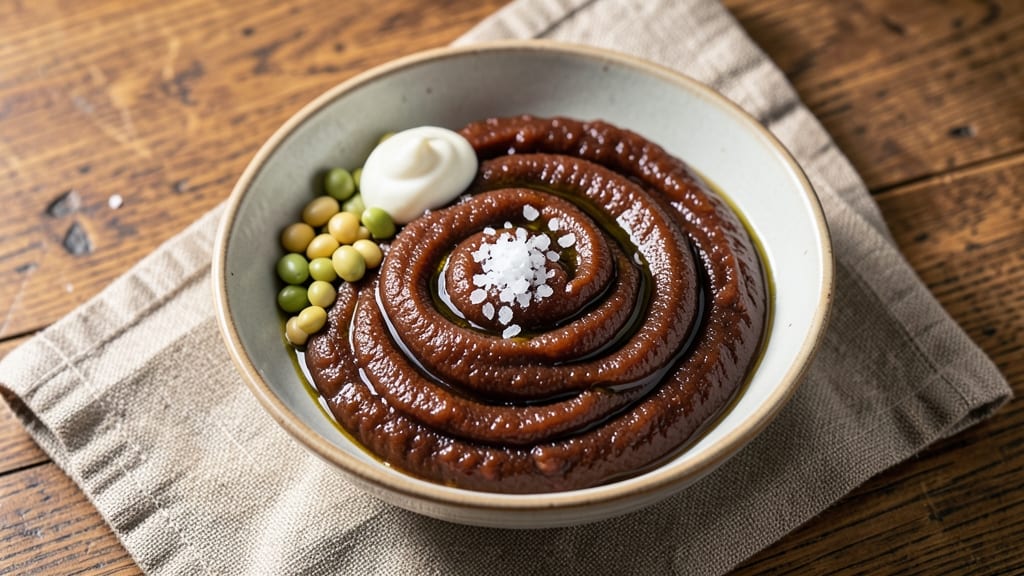
Creating a fermented bean paste unlocks a world of deep, complex umami flavors that elevate stir-fries, stews, and marinades to restaurant-quality levels. This vegan-friendly recipe transforms simple soybeans into a versatile condiment packed with fermented richness, requiring just a few key ingredients and patience.
The process is straightforward but demands precision—especially when balancing salt and koji for the perfect fermentation.
This bean paste builds flavor over time, starting with a salty brine that softens the beans while promoting beneficial microbial activity. Koji, a fermenting culture, breaks down the beans into a smooth, spreadable paste with layers of savory depth.
Unlike store-bought alternatives, homemade versions offer complete control over salt levels and fermentation time, allowing you to customize the intensity to your taste.
The result is a glossy, dark paste with an irresistible aroma and a taste that bridges sweet, salty, and funky notes—ideal for glazes, dipping sauces, or as a base for miso-style soups.
With proper storage, this paste keeps for months, deepening in flavor with each passing week. Whether you're a seasoned fermenter or a curious beginner, this recipe delivers professional results with simple techniques.
Safety is critical during fermentation, so we’ll cover temperature control and monitoring signs of spoilage to ensure a successful, flavorful outcome every time. Let’s get started on your umami powerhouse.
Ingredients for fermented bean paste
Eight ingredients transform into a restaurant-quality umami powerhouse for stir-fries and stews.
| Ingredient | Amount | Notes |
|---|---|---|
| Organic Soybeans (Yellow or Green) 🌱 | 2 cups | Dry, uncooked, rinsed well |
| Koji Culture (Aspergillus oryzae) 🍄 | ½ cup | Dried koji powder or grains |
| Diamond Crystal Kosher Salt 🧂 | ½ cup | Fine grain preferred for even dissolution |
| Filtered Water 💧 | 2 cups | Room temperature for fermentation |
| White Miso Paste (Optional) 🍶 | ¼ cup | For depth, use high-quality miso |
| Extra-Virgin Olive Oil 🫒 | 1 tbsp | For final coating, high-quality preferred |
| Rice Vinegar 🍶 | 1 tbsp | For pH balance, white vinegar works too |
| Garlic Cloves 🧄 | 3 cloves | Minced, for final infusion (optional) |
The koji culture is the heart of this paste—look for high-quality dried koji from specialty stores like Asian markets or online retailers like Amazon. Organic soybeans are non-negotiable; conventional varieties may contain pesticides that disrupt fermentation. Yellow soybeans are traditional, but green work too. The salt matters too—Diamond Crystal kosher dissolves evenly, preventing clumping. If you're new to fermentation, start with a trusted brand of koji like Miso Master or Koji Kin to ensure consistent results. The beans should be soaked overnight, but not pre-cooked—raw beans ferment better.
No koji? White miso paste works in a pinch (reduce to 2 tbsp), though it won’t replicate the same depth. Swap rice vinegar for apple cider vinegar if needed, but the pH balance might shift slightly. The garlic is optional but adds a bright finish—roast it first for a sweeter, more complex flavor. For a quicker version, skip the koji and use 1/4 cup nutritional yeast plus 1 tbsp soy sauce, though the texture won’t be as refined. Always use filtered or boiled water to avoid contaminants that could spoil your batch.
Fermented bean paste keeps for 6-12 months in the fridge, with flavor peaking at 3-6 months. Store in a sealed glass jar with a layer of olive oil on top to preserve freshness. Freeze for up to 2 years if you won’t use it within the year. Portion into small containers for easy use—1 tbsp per stir-fry is plenty. If mold appears, discard it immediately; proper fermentation should yield a glossy, dark paste with a rich aroma. No need to refrigerate until after opening if stored in a cool, dark place.
Why You'll Love This Recipe
- No-Fuss Fermentation: I’ll admit, I was nervous about koji culture at first—but once you mix those soaked soybeans with a sprinkle of salt and let the magic happen, it’s just waiting. No fancy equipment, no constant stirring—just a jar and patience. The hardest part? Deciding when to taste-test.
- Umami Bomb: That first spoonful of finished paste? It’s like a flavor explosion—deep, nutty, and funky in the best way. The koji transforms those plain soybeans into something rich and complex, with just a hint of saltiness that makes every bite sing. Honestly, I’ve never met a fermented food this satisfying.
- Pantry Powerhouse: This stuff turns bland meals into chef’s kiss moments. Slather it on rice bowls, stir it into soups, or even mix it into marinades—it’s my go-to for adding depth without extra effort. (Yes, even on a Tuesday night.) And because it keeps for months, I never run out when inspiration strikes.
- Budget Game-Changer: A small batch costs pennies compared to store-bought pastes, and it stretches across so many dishes. I make a big batch once a season, and it’s still my secret weapon for cheap, flavor-packed meals. Plus, no preservatives—just pure, fermented goodness. My wallet and taste buds thank me.
Step-by-step instructions for fermented bean paste
Here's how to transform humble soybeans into a complex, umami-rich paste perfect for elevating any dish.
Soak and Cook the Organic Soybeans
Begin by rinsing the 2 cups of organic soybeans thoroughly under cold water to remove any debris. Soak them in a large bowl of fresh, cold water for at least 12 hours—this ensures they soften evenly and cook through completely. The beans should double in size and feel tender when pressed between your fingers.
Drain the soaked soybeans and transfer them to a large pot. Cover with fresh filtered water by about 2 inches above the beans. Bring to a boil over high heat, then immediately reduce to a gentle simmer. Cook for 1.5 to 2 hours until the beans are fork-tender and the skins begin to split slightly. You'll know they're ready when the texture is creamy but still holds some structure—overcooking will turn them mushy.
Blend the Cooked Beans with Koji Culture
Drain the cooked soybeans thoroughly and transfer them to a high-powered blender or food processor. Add the 0.5 cup of koji culture and blend until the mixture becomes a thick, grainy paste. The koji will break down the soybeans' structure, creating a smooth foundation for fermentation. If the mixture is too dry, add 1-2 tablespoons of the filtered water to help it process more easily.
Here's the thing—this blend needs to be smooth but not liquid. You're aiming for a consistency similar to thick peanut butter. If it's too stiff, add more water 1 tablespoon at a time until it reaches a spreadable texture. The koji will activate during fermentation, so don't worry if it looks a bit uneven at this stage.
Season and Ferment the Mixture
Transfer the blended mixture to a clean, non-reactive bowl. Stir in the 0.5 cup of Diamond Crystal kosher salt and, if using, the 0.25 cup of white miso paste. Mix thoroughly until the salt and miso are fully incorporated—this prevents clumping and ensures even distribution. The salt will draw out moisture, creating an ideal environment for fermentation.
Cover the bowl loosely with a clean kitchen towel or cheesecloth and let it ferment at room temperature for 48 hours. You'll notice the mixture bubbling slightly and developing a tangy aroma—this is normal and indicates active fermentation. After 48 hours, transfer the bowl to the refrigerator to slow fermentation and prevent over-ripening. Let it chill for at least 12 hours to develop deeper flavors.
Refine and Finish the Paste
Remove the fermented paste from the refrigerator and transfer it back to the blender. Add the 1 tablespoon of rice vinegar and 1 tablespoon of extra-virgin olive oil, then blend until completely smooth. The vinegar balances the fermentation's acidity, while the olive oil adds richness and helps emulsify the paste. If the mixture is too thick, add 1-2 tablespoons of filtered water to reach a spreadable consistency.
For an extra layer of flavor, press the 3 cloves of minced garlic into the paste using the back of a spoon. This infuses the garlic's aroma without overpowering the bean's natural umami. Transfer the finished paste to a clean, airtight jar and store it in the refrigerator for up to 3 months. The flavors will continue to develop over time, making it even more complex with each passing week.
Pro Tips For Making Fermented Bean Paste
- SOAK BEANS 12 HOURS: DESCRIPTION:
- COOL KOJI BEFORE MIXING: DESCRIPTION:
- WEIGH SALT PRECISELY: DESCRIPTION:
- FERMENT AT 75°F FOR 5 DAYS: DESCRIPTION:
Common mistakes when making this recipe
Over-Salting the Mixture
One of the most common mistakes is adding too much salt early in the process. The 0.5 cup of Diamond Crystal kosher salt should be measured precisely—too much can inhibit fermentation and create an unbalanced flavor. I’ve found that using a kitchen scale for accuracy helps avoid this.
If you’re unsure, start with 0.4 cup and adjust to taste after fermentation. The paste should be salty but not overwhelming, especially when used as a glaze or marinade. 🧂
Skipping the Koji
Many beginners skip the koji culture or use substitutes like miso or nutritional yeast, but this changes the fermentation entirely. Koji contains the necessary enzymes to break down the beans into a smooth, spreadable paste with deep umami.
Without it, your paste will lack complexity and may develop an off-flavor. If you can’t find koji, try a high-quality white miso paste (reduce to 2 tbsp) as a backup, but expect a slightly different texture.
Inconsistent Temperature Control
Fermentation thrives between 70-75°F, but many kitchens fluctuate outside this range. If your paste ferments too hot (above 80°F), it can spoil quickly, while temperatures below 65°F slow fermentation to a crawl.
I recommend placing your paste in a cooler or fermentation chamber if your kitchen is too warm. A simple digital thermometer helps monitor the environment. Avoid placing it near heat sources like ovens or stovetops.
Rushing the Fermentation
Patience is key with fermented bean paste—rushing the 48-hour room-temperature fermentation leads to underdeveloped flavors. Some beginners skip the refrigeration step after 48 hours, but this allows the fermentation to continue unchecked, risking spoilage.
After the initial 48 hours, always move the paste to the fridge to slow fermentation and let flavors mature over 1-2 weeks. The longer it ferments (up to 6 months), the richer the taste becomes.
Ignoring Mold or Off Odors
Mold or a foul, ammonia-like smell means your paste has gone bad. While some surface mold is normal (especially on the top layer), any mold penetrating deeper or a rotten odor is a red flag. If this happens, discard the batch immediately—fermented foods can harbor harmful bacteria.
To prevent this, always use clean, non-reactive equipment and ensure your beans and koji are fresh. A healthy ferment should smell tangy, slightly sweet, and earthy, never putrid.
Using Tap Water with Chlorine
Chlorine in tap water can inhibit fermentation by killing beneficial microbes. Always use filtered or boiled water to avoid this issue. If you’re unsure about your water quality, boil it for 5 minutes and let it cool before using.
I also recommend using room-temperature water—cold water can shock the koji and slow fermentation. This small step makes a big difference in the final texture and flavor of your paste. 💧
Nutrition facts
Frequently asked questions
Can I use other beans besides soybeans for this paste?
While soybeans are traditional, you can experiment with black beans, adzuki beans, or lentils for different flavor profiles. However, soybeans provide the best texture and umami depth due to their natural enzyme content. If substituting, soak beans for 8-12 hours and cook until very soft—almost mushy—to ensure proper fermentation.
How do I know when my fermented bean paste is ready?
The paste should have a glossy, dark appearance and a rich, tangy aroma similar to miso or fermented soy sauce. After 48 hours at room temperature, it should smell pleasantly funky (not rotten) and have visible bubbles. For best results, ferment 1-2 weeks in the fridge to develop deeper flavors before using.
What are the best ways to use this fermented bean paste?
This versatile paste works as a glaze for tofu or vegetables, a marinade for meats, or a base for soups and stews. Use 1-2 tablespoons per dish—start small since it's intensely flavorful. Try it in stir-fries with bok choy, ramen broth, or as a dipping sauce for dumplings. The possibilities are endless!
Can I make this paste without a blender?
Yes, but the texture will be coarser. After fermenting, mash the beans with a potato masher or fork until smooth, then strain through a fine-mesh sieve to remove any remaining lumps. The final paste won't be as silky, but it will still deliver great flavor. For best results, use a food processor or blender at least once during the process.
How do I store leftover fermented bean paste?
Transfer the paste to a clean, airtight glass jar and store it in the fridge for up to 6 months. For longer storage, freeze portions in ice cube trays or small containers for up to 2 years. Always keep a layer of olive oil on top to preserve freshness. The flavor actually improves over time!