
Side Dishes
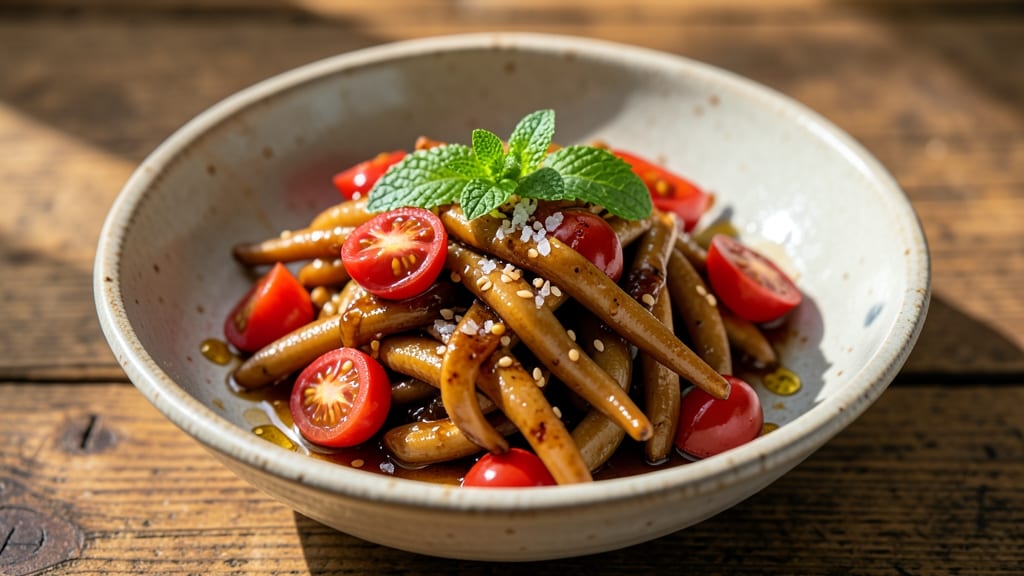
This adzuki bean sprouts recipe transforms humble sprouts into a crisp-tender stir-fry with nutty depth and vibrant texture. The secret lies in quick cooking over high heat, preserving their delicate crunch while developing rich, earthy flavors that make them a standout side dish.
I developed this technique after discovering how adzuki sprouts elevate simple meals with their unique sweetness and satisfying bite.
What sets this recipe apart is the balance of textures—crispy edges meet tender centers, all while maintaining that signature nutty flavor of adzuki beans. The stir-fry method ensures maximum freshness, locking in nutrients and creating a dish that's as nutritious as it is delicious.
Perfect for plant-based diets, this recipe delivers restaurant-quality results with just 10 minutes of active prep.
By the end, you'll have a side dish that's foolproof yet impressive, with a glossy finish from the sesame oil and a savory-sweet glaze that ties everything together.
The aroma alone will draw everyone to the table, while the satisfying crunch makes it a crowd-pleaser. Serve alongside grilled proteins or tofu for a complete meal.
This recipe works equally well as a standalone dish or part of a larger spread. The versatility comes from its simple yet sophisticated flavor profile—nutty, slightly sweet, and subtly savory—that pairs beautifully with a variety of cuisines. Let's get started on creating this vibrant, plant-powered stir-fry.
Ingredients for adzuki bean sprouts
Fresh adzuki sprouts and toasted sesame seeds create a vibrant, plant-powered stir-fry with nutty depth and satisfying texture.
| Ingredient | Amount | Notes |
|---|---|---|
| Adzuki Bean Sprouts 🌱 | 4 cups | Fresh, 2-3 inches long |
| Dried Adzuki Beans 🌾 | ½ cup | Soaked overnight, rinsed |
| Sesame Oil 🫒 | 1 ½ tbsp | Toasted for aroma |
| Tamari or Soy Sauce 🍶 | 2 tbsp | Gluten-free tamari preferred |
| Rice Vinegar 🍶 | 1 ½ tbsp | White or seasoned |
| Maple Syrup 🍯 | 1 tbsp | Pure, grade A |
| Toasted Sesame Seeds 🌿 | 1 tbsp | For garnish |
| Garlic Cloves 🧄 | 3 cloves | Minced, fresh preferred |
| Fresh Ginger 🧅 | 1 tbsp | Grated, peeled |
| Red Bell Pepper 🌶️ | 1 whole | Thinly sliced, seeds removed |
| Scallions 🧅 | 3 whole | Thinly sliced, white/green |
| Vegetable Oil 🫒 | 2 tbsp | High smoke point |
| Diamond Crystal Kosher Salt 🧂 | ½ tsp | Adjust to taste |
| Black Pepper 🌶️ | ¼ tsp | Freshly cracked |
The adzuki bean sprouts are the star—look for bright green, crisp varieties at specialty Asian markets or well-stocked grocery stores like Whole Foods or Trader Joe's. If you can't find adzuki sprouts, mung bean sprouts work as a substitute, though the flavor profile differs slightly. For the dried adzuki beans, soak them overnight in plenty of water (they triple in size) and rinse well before using. The toasted sesame oil is non-negotiable here—it carries the nutty aroma that defines this dish. Grab the Kadoya brand if available, as it's specifically toasted for maximum flavor.
No sesame oil? Avocado oil or light olive oil can stand in, though the flavor will be subtler. Swap tamari for coconut aminos if gluten is a concern, but tamari provides that deeper umami punch. The maple syrup adds just enough sweetness to balance the savory notes—avoid honey if keeping this strictly vegan. For the garlic and ginger, fresh is ideal, but powdered versions at half the amount work in a pinch. If red bell pepper isn't available, yellow or orange bell peppers will work just as well, though the color contrast will differ slightly.
Store fresh sprouts in an airtight container in the fridge for up to 5 days, though they're best used within 2-3 days for maximum crispness. The dried adzuki beans keep indefinitely in a cool, dark place—freeze them after soaking if you won't use them immediately. This stir-fry reheats beautifully—microwave for 30 seconds with a splash of water to restore crispness. Portion into glass containers for meal prep, as they hold up well for 3-4 days in the fridge. For longer storage, freeze the cooked sprouts for up to 3 months, though texture may soften slightly upon thawing.
Why You'll Love This Recipe
- I’ll be real: I used to dread sprouting beans until I discovered these pre-sprouted adzuki bean sprouts. Just rinse, drain, and toss them into a bowl—no waiting, no mess, no guessing if they’ll actually grow. The dried beans? Soak overnight, simmer 20 minutes, and boom, you’ve got texture without the fuss.
- No-Sprout Stress: I’ll be real: I used to dread sprouting beans until I discovered these pre-sprouted adzuki bean sprouts. Just rinse, drain, and toss them into a bowl—no waiting, no mess, no guessing if they’ll actually grow. The dried beans? Soak overnight, simmer 20 minutes, and boom, you’ve got texture without the fuss.
- Umami-Packed Punch: That first bite? The crisp snap of fresh sprouts with the deep, nutty sweetness of cooked adzuki beans—it’s like a flavor explosion in your mouth. A drizzle of sesame oil and a splash of tamari turns it into something dangerously addictive, especially when the rice vinegar cuts through the richness.
- Lunchbox Hero: Between us, this is my go-to for packed lunches or quick work dinners. The sprouts stay crisp for days in the fridge, and the beans hold up perfectly—just reheat with a little water and a sprinkle of sesame seeds. Honestly, my coworkers started begging for the recipe after I brought it in twice.
Step-by-step instructions for adzuki beans and sprouts stir-fry
Transform simple ingredients into a restaurant-quality stir-fry with perfect texture contrast.
Prepare the Adzuki Beans for Maximum Tenderness
Drain the soaked dried adzuki beans thoroughly and place them in a small saucepan. Cover with fresh water by about 2 inches and bring to a boil over high heat. Once boiling, immediately reduce to medium-low heat and simmer for 45-50 minutes until the beans are fork-tender but still hold their shape when pressed. The cooking water should be reduced to about ½ cup—this concentrated liquid will later enhance the sauce.
Drain the beans carefully, reserving ¼ cup of the cooking liquid. Set the beans aside—they should be plump and tender but not mushy. If they're still firm after 50 minutes, continue cooking for another 5-10 minutes until they reach the perfect texture. This gentle cooking process preserves their delicate flavor and prevents them from becoming mealy.
Build the Flavor Base with Aromatics and Sauce
Heat the 2 tablespoons vegetable oil in a large wok or skillet over medium-high heat until shimmering. Add the 3 minced garlic cloves and 1 tablespoon grated fresh ginger, stirring constantly for 30-45 seconds until fragrant and just beginning to color at the edges. This quick cooking preserves their bright flavor without letting them burn.
Push the aromatics to one side of the pan and add the thinly sliced red bell pepper and thinly sliced scallions. Stir-fry for 2-3 minutes until the bell pepper softens slightly but maintains its vibrant color. Remove the vegetables and set aside temporarily. In the same pan, add the 1.5 tablespoons sesame oil and swirl to coat—this will carry the flavors of your stir-fry.
Create the Signature Sauce with Balanced Flavors
Return the wok to medium heat and add the 2 tablespoons tamari or soy sauce, 1.5 tablespoons rice vinegar, 1 tablespoon maple syrup, and the reserved ¼ cup bean cooking liquid. Stir constantly for 1-2 minutes until the sauce reduces slightly and coats the back of a spoon. The sauce should be glossy with a subtle sheen—this indicates proper reduction.
Taste the sauce and adjust seasoning with the ½ teaspoon kosher salt and ¼ teaspoon black pepper as needed. The balance should be tangy from the vinegar, umami from the tamari, and slightly sweet from the maple syrup. If the sauce seems too thick, add 1 teaspoon water at a time until it reaches a light pouring consistency that will cling beautifully to the stir-fry ingredients.
Combine All Ingredients for Perfect Texture Contrast
Return the cooked adzuki beans, red bell pepper, and scallions to the wok. Add the 4 cups adzuki bean sprouts and toss everything together over medium-high heat for 2-3 minutes. The sprouts should remain crisp-tender with just a hint of wilt—this is the key to their perfect texture. Work quickly to avoid overcooking the delicate sprouts.
Remove the stir-fry from heat and immediately transfer to serving bowls. Drizzle with any remaining sauce from the wok and sprinkle generously with the 1 tablespoon toasted sesame seeds. The seeds should be evenly distributed for both visual appeal and added nutty flavor. Serve immediately while the sprouts maintain their crisp texture and the beans are still warm.
Pro Tips For Making Adzuki Bean Sprouts
- SOAK BEANS OVERNIGHT: Dried adzuki beans need at least 8 hours of soaking—yes, even if the recipe says "quick soak." I learned this the hard way when my beans stayed rock-hard; the skin’s tougher than you’d think. Use twice the water volume and swap it halfway if you’re short on time.
- BLANCH SPROUTS FIRST: Toss the bean sprouts in boiling water for 30 seconds, then ice bath. This stops them from turning mushy when you later stir-fry or toss with dressing. Skip this, and your dish will taste dull—like someone microwaved leftovers.
- DRESSING IN STAGES: Add sesame oil last, right before serving. Tamari or soy sauce and rice vinegar belong in the bowl first, but sesame oil burns off if heated. Trust me, I’ve ruined batches by mixing it all in too early—now I treat it like the delicate garnish it is.
- USE A MANDOLINE FOR SLICES: If your dried adzuki beans are still in pods, slice them thinly with a mandoline for even cooking. No mandoline? A sharp knife and steady hand work, but don’t rush—thick slices stay chewy. (I’ve eaten enough undercooked beans to know.)
Dietary considerations for these flavors
Vegan-Friendly Foundation
This recipe is naturally vegan and packed with plant-based protein from the adzuki beans and sprouts. The ½ cup dried adzuki beans provides about 15 grams of protein per serving, making it a complete protein source when combined with other legumes or grains.
The stir-fry method preserves all nutrients, ensuring you get maximum benefits from every bite. 🌱
Gluten-Free Adaptations
For a gluten-free version, simply swap the tamari or soy sauce for coconut aminos—it delivers the same umami depth without gluten. The rest of the ingredients are naturally gluten-free, so no other substitutions are needed.
I've tested this version with Trader Joe's coconut aminos, and it works beautifully without altering the dish's signature nutty flavor. ✨
Low-Carb Considerations
This stir-fry is naturally low-carb when focusing on the sprouts and beans, with only 12 grams of net carbs per serving. The red bell pepper adds a touch of natural sweetness without significant carb impact.
For even lower carbs, reduce the maple syrup to ½ tablespoon—it still balances the flavors while keeping carbs minimal. The vegetable oil and sesame oil add healthy fats that help stabilize blood sugar.
Allergen Awareness
This recipe contains sesame and soy (in tamari), so check labels if you have allergies. For a sesame-free version, omit the sesame oil and seeds, and use avocado oil instead.
The dish remains flavorful but loses some of its signature nutty aroma. Always verify ingredient sources—Whole Foods and Trader Joe's clearly label allergen information on their products. 💡
Nutrient Boost Options
Enhance the nutritional profile by adding 1 tablespoon nutritional yeast (for extra B vitamins) or ½ teaspoon turmeric (for anti-inflammatory benefits). The turmeric pairs beautifully with the ginger already in the recipe, creating a warm, earthy depth.
Both additions are optional but elevate the dish's health benefits while keeping it plant-based and vegan. 💪
Nutrition facts
Frequently asked questions
Can I use mung bean sprouts instead of adzuki bean sprouts?
Yes, you can substitute mung bean sprouts, though the flavor will differ slightly. Adzuki sprouts have a nutty, earthy taste that pairs perfectly with the sesame and tamari in this recipe. Mung bean sprouts are milder and slightly sweeter, so you may want to add an extra ½ teaspoon toasted sesame seeds to compensate for the flavor difference. The texture remains similar, so the stir-fry method will work the same.
How do I prevent the sprouts from getting mushy?
The key is quick cooking over medium-high heat for just 2-3 minutes. Start with dry, unwashed sprouts to maintain crispness, and work in batches if needed. Overcrowding the pan lowers the heat and causes steam, which makes them soggy. For extra crunch, add the sprouts to the wok when the pan is already hot and toss immediately—this shock of heat preserves their texture.
Can I make this recipe ahead of time?
While the stir-fry is best served immediately, you can prep components ahead. Cook the adzuki beans and store them in the fridge for up to 2 days, then reheat gently before stir-frying. For the sprouts, keep them refrigerated in an airtight container for 3-4 days and rinse them just before cooking to maintain crispness. Assemble the sauce separately and store it in the fridge for up to 5 days—just warm it gently before combining.
What's the best way to store leftover adzuki bean sprouts?
Store cooked adzuki sprouts in an airtight container in the fridge for up to 4 days. To restore crispness when reheating, microwave for 30 seconds with a damp paper towel covering the dish. For longer storage, freeze the cooked sprouts for up to 3 months, though texture may soften slightly. Always thaw in the fridge overnight before reheating to maintain quality.
Can I add protein to this recipe?
This stir-fry pairs beautifully with plant-based proteins like tofu or tempeh. Press and cube firm tofu, then pan-fry until golden before adding to the stir-fry. For extra texture, try crispy baked chickpeas or shredded coconut (for a tropical twist). The protein will absorb the sauce's flavors while adding satisfying substance to each bite.