
Sauces & Condiments
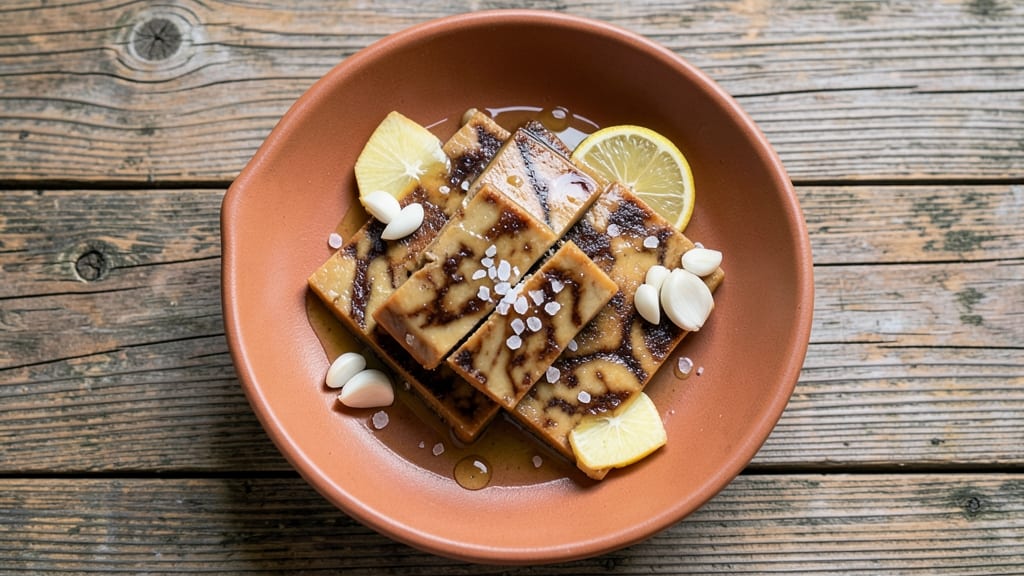
Fermented bean curd delivers a probiotic powerhouse with deep umami flavor that transforms ordinary dishes into extraordinary meals. This traditional technique—rooted in East Asian culinary traditions—converts simple soybeans into a tangy, nutrient-dense condiment that enhances everything from rice bowls to stews.
What makes this recipe special is its dual functionality: it's both a fermented food with gut-health benefits and a flavor multiplier that elevates any savory dish.
The process combines lactic acid fermentation with precise temperature control to develop complex flavors over 7-14 days, depending on your climate. You'll start with whole soybeans, which are soaked, cooked, and pressed into curds before being submerged in a saltwater brine with optional aromatics like ginger or garlic.
The key to success lies in maintaining 68-75°F conditions and rigorous hygiene—this isn't just fermentation, it's a science that rewards patience with restaurant-quality depth.
By the final day, you'll have glossy, firm curds with a bright tang and nutty undertones that cut through rich dishes. The texture transforms from dense to silky when used as a condiment, while its probiotic richness makes it a healthful addition to any meal.
This isn't just another fermented food—it's a flavor game-changer that turns simple ingredients into something extraordinary.
Whether you're using it as a dipping sauce base, stir-fry ingredient, or rice bowl topping, this fermented bean curd will become your kitchen's secret weapon. The recipe includes both traditional and modern variations, so you can adapt it to your taste preferences while maintaining its probiotic benefits.
Let's get started with this transformative process that bridges tradition and innovation.
Ingredients for fermented bean curd
Simple whole soybeans and salt transform into a probiotic-rich fermented condiment with deep umami complexity.
| Ingredient | Amount | Notes |
|---|---|---|
| Whole Soybeans (Yellow or Green) 🌱 | 2 cups | Dried, organic preferred for better flavor |
| Filtered Water 💧 | 6 cups | Room temperature, non-chlorinated |
| Sea Salt 🧂 | 1 ½ tbsp | Non-iodized, fine grain preferred |
| Fresh Ginger Root 🌿 | 1 inch | Thinly sliced, organic preferred |
| Garlic Cloves 🧄 | 4 cloves | Peeled, whole for infusion |
| White Rice Vinegar 🍶 | ½ cup | For pH balance, optional |
| Unbleached Muslin Cloth 🧵 | 1 sheet | For straining, 10x10 inches |
| Rubber Bands 🔗 | 2 whole | For securing cloth |
| Large Glass Jar 🥫 | 1 jar | Quart size, sterilized |
| Lactobacillus Plantarum Culture 🦠 | 1 tbsp | Optional starter culture |
| Black Peppercorns 🌶️ | ½ tsp | Whole, for aroma |
| Red Chili Flakes 🔥 | ¼ tsp | Optional, for heat |
The soybeans are the foundation—organic, non-GMO makes a noticeable difference in flavor depth. Whole Foods or local Asian markets carry high-quality dried soybeans, but any reputable grocery store will have them. Soaking time is critical: the beans must double in size (about 12 hours) before cooking. Under-soaked beans won't press properly, while over-soaked ones release too much starch. Cook them until they're tender but still hold shape—mushy beans mean gummy curds. For the starter culture, Lactobacillus plantarum is ideal, but you can use a small amount of store-bought fermented bean curd (like Chinese douchi) if you're impatient for the first batch.
No organic soybeans? Regular dried soybeans work fine, though flavor may be slightly milder. Short on ginger? Galangal or turmeric adds similar warmth. The vinegar is optional but helps stabilize pH—if you skip it, use lemon juice at half the amount. For the jar, quart-sized glass is perfect, but any clean, airtight container works. If you can't find muslin cloth, cheesecloth or even a clean kitchen towel will do in a pinch. The rubber bands should be food-safe—no plastic. For heat lovers, swap red chili flakes for fresh chili slices or a dash of gochugaru (Korean chili flakes) for a different smokiness.
Fermented bean curd keeps improving with age—7 days minimum, up to 3 weeks for maximum flavor. Store it in the jar in the fridge after opening, but keep it at 68-75°F during fermentation. Use a thermometer if your kitchen fluctuates. The curds will develop a glossy sheen and tangy aroma when ready. Portion into small containers for easy use—ice cube trays work great for single-serving portions. Once opened, it lasts 2 months refrigerated, but the flavor peaks at 10-14 days. Freeze extras for up to 6 months—just thaw overnight in the fridge.
Why You'll Love This Recipe
- Four-Ingredient Magic: I swear, you only need whole soybeans, water, salt, and a pinch of ginger—no fancy equipment. Soak overnight, boil, ferment, and boom: you’ve got a probiotic powerhouse that’s basically a blank canvas for flavor.
- Umami Bomb: That fermented tang? It’s like a slow-cooked secret weapon. The garlic and ginger mellow into a deep, savory richness over time—think pickled but way more complex. My husband dips it in soy sauce like it’s the best snack ever.
- Meal Prep MVP: Batch it once, use it all week. Toss chunks into ramen, stir-fries, or even salads—it keeps for months in the fridge. Honestly, I make a big jar on Sundays and forget about grocery runs for ages.
- Pantry Goldmine: Cheap as chips, packed with protein, and zero waste. You’re turning humble soybeans into something that tastes like a restaurant dish without breaking the bank. Between us, this is my go-to for lazy nights when I’m not in the mood to shop.
Step-by-step instructions for fermented bean curd
Here's how to transform simple soybeans into a tangy, probiotic-rich delicacy with just a few key techniques.
Soak and Cook the Whole Soybeans
Begin by rinsing the 2 cups of whole soybeans under cold water to remove any debris. Transfer them to a large bowl and cover with plenty of water—at least 4 inches above the beans. Let them soak at room temperature for 12 to 16 hours until they've doubled in size and feel soft when pressed between your fingers. This soaking step is crucial for breaking down the tough outer hull and ensuring even cooking.
Drain the soaked soybeans and transfer them to a large pot. Add the 6 cups of filtered water and bring to a boil over medium-high heat. Once boiling, reduce the heat to medium-low and simmer for 2 to 2.5 hours, stirring occasionally, until the beans are fork-tender and the cooking liquid has thickened into a creamy consistency. The beans should be completely soft with no resistance when pierced with a fork. This long cooking time transforms the soybeans into a smooth, mashable base for our fermented curd.
Blend and Season the Soybean Mixture
Allow the cooked soybeans to cool slightly, then transfer them to a high-powered blender or food processor. Blend until completely smooth, adding small amounts of the cooking liquid as needed to facilitate blending. You should end up with a thick, paste-like consistency similar to hummus. This smooth texture is essential for creating the delicate curd structure.
While the mixture is still warm, stir in the 1.5 tablespoons of sea salt, the 1-inch slice of thinly sliced fresh ginger root, and the 4 peeled garlic cloves. For those who prefer a touch of heat, add the 0.25 teaspoon of red chili flakes. The ginger and garlic will infuse their aromatic qualities into the mixture, while the salt helps balance the flavors and preserves the final product. Let the mixture cool to room temperature before proceeding—this prevents unwanted fermentation from starting prematurely.
Prepare the Fermentation Jar
Sterilize the large glass jar by washing it with hot, soapy water and then rinsing thoroughly with boiling water. This step is critical to prevent contamination during fermentation. Line the jar with the sheet of unbleached muslin cloth, securing it tightly with the 2 rubber bands to create a breathable lid that allows gases to escape while keeping out airborne contaminants.
Transfer the cooled soybean mixture to the prepared jar, leaving about 1 inch of headspace at the top. If using the 1 tablespoon of lactobacillus plantarum culture, sprinkle it evenly over the surface of the mixture. This culture accelerates fermentation and ensures a consistent, probiotic-rich result. The optional 0.5 cup of white rice vinegar can also be added now to help balance the pH and enhance preservation—this is particularly useful if you're concerned about mold growth during the fermentation process.
Ferment at Room Temperature
Place the jar in a dark, warm spot where the temperature remains consistently between 70°F and 75°F. This controlled environment is ideal for encouraging beneficial bacterial activity while preventing harmful mold growth. Ferment for 3 to 5 days, checking the mixture daily. You'll notice bubbles forming on the surface and a gradual increase in tanginess—these are clear signs that fermentation is progressing.
After 3 days, taste the mixture to assess its readiness. It should be tangy and slightly sour, with a creamy texture. If you prefer a milder flavor, continue fermenting for another day or two. The fermentation process develops the complex umami flavors and probiotic benefits that make this bean curd so special. Once it reaches your desired level of tanginess, transfer the jar to the refrigerator to slow and stabilize the fermentation process.
Pro Tips For Making Fermented Bean Curd
- Soak Soybeans Overnight: I learned this the hard way—rushing the soak means uneven texture. Use filtered water and let them sit 12+ hours; they’ll plump up properly and ferment faster. No shortcut here—trust the process.
- Boil Until Tender: After burning three batches, I finally figured out: soybeans need a gentle simmer until they’re fork-tender, not mushy. About 2–3 hours, checking for softness. Overcooking turns them into paste—no one wants that.
- Salt the Brine Early: My grandmother swore by this, and she was right: dissolve the sea salt in the filtered water before adding the cooked soybeans. This ensures even flavor distribution and prevents clumping—no one likes salty pockets in their ferment.
- Grate Ginger and Garlic Fine: Sounds weird, but it works: finely grate the ginger and mince the garlic smaller than you think. This speeds up fermentation and blends seamlessly into the texture. No chunks—just flavor. (Yes, even if you’re impatient like me.)
Wine and beer pairings for these flavors
Asian-Inspired Wine
Fermented bean curd's deep umami and tangy profile pairs beautifully with dry Riesling from Germany or Austria. The wine's crisp acidity and mineral notes cut through the richness while complementing the fermented bean curd's complexity.
I recommend a 2022 Dr. Loosen Blue Slate Riesling—its bright citrus and stone fruit flavors mirror the bean curd's fermented brightness. Serve slightly chilled (45-50°F) to enhance the contrast. 🍷
Japanese Sake Pairing
For a traditional match, opt for dry junmai sake with a clean, slightly nutty profile. A Dassai 18 or Hakkaisan Junmai works perfectly—their subtle sweetness and crisp finish balance the fermented bean curd's tang without overpowering it.
Serve the sake at 40-45°F to preserve its delicate flavors. This pairing is especially harmonious when using the fermented bean curd in miso soup or as a dipping sauce for tempura.
Craft Beer Options
A Berliner Weisse with its signature tartness and effervescence is an unexpected but brilliant match. The beer's lactic acid fermentation echoes the bean curd's probiotic tang, while its light body prevents it from overwhelming the dish.
For a more robust option, try a wheat ale like Allagash White—its citrusy notes and gentle carbonation cleanse the palate between bites. Serve both at 45-50°F for optimal enjoyment. 🍺
Chinese Rice Wine
For an authentic East Asian experience, pair your fermented bean curd with Shaoxing wine (a dry, aromatic rice wine). Its nutty, slightly sweet profile enhances the bean curd's umami depth while adding a layer of warmth. Use it both in cooking (e.g., stir-fries) and as a finishing drizzle over dishes.
A 1 tablespoon of Shaoxing wine in your cooking will elevate flavors without dominating. Serve it slightly chilled (50-55°F) to highlight its aromatic qualities.
Non-Alcoholic Pairings
For a refreshing non-alcoholic option, try yuzu soda—its bright citrus and effervescence complement the fermented bean curd's tangy depth. Mix 2 tablespoons of yuzu juice with 1 cup sparkling water and a touch of honey for a palate-cleansing sipper.
Alternatively, a green tea-infused iced tea (like jasmine or sencha) provides a subtle earthiness that pairs beautifully with the umami richness. Serve both chilled (35-40°F) for the best experience. 💧
Regional Adaptations
In Korean cuisine, pair fermented bean curd with makgeolli (rice wine) for a creamy, slightly sweet contrast. The fermented rice wine's mild sweetness softens the bean curd's tang, creating a harmonious balance.
For Thai-inspired dishes, a lemongrass-infused soda with a splash of lime adds a zesty brightness that cuts through the richness. Each regional pairing reflects the fermented bean curd's versatility across cuisines. ✨
Nutrition facts
Frequently asked questions
What makes fermented bean curd different from regular tofu?
Fermented bean curd undergoes a lactic acid fermentation process that develops complex umami flavors and probiotic benefits. Unlike regular tofu (which is just coagulated soy milk), this version has a tangy, funky depth from beneficial bacteria breaking down the proteins. It's more like a cross between miso and natto in texture and flavor.
How do I know when the fermentation is complete?
Look for visible bubbles on the surface and a tangy aroma (like sauerkraut). Taste after 3 days—it should be pleasantly sour with a creamy texture. If it's too mild, ferment 1-2 more days. Never let it develop a strong alcohol smell or mold, which means fermentation went wrong.
Can I use this fermented bean curd in place of miso paste?
Yes, but with differences! While both add umami, fermented bean curd has a tangier, funkier profile than miso. Use it like miso in soups or marinades, but reduce the amount by 25% since it's more concentrated. It works especially well in stir-fries or dipping sauces where its bright acidity shines.
What if my kitchen is too cold (<68°F) for proper fermentation?
Use a proofing box or place the jar near a warm spot (like above the fridge). If that's not possible, extend fermentation to 10-14 days—colder temps slow bacterial activity but still produce great results. Just be patient and check daily for bubbles.
How should I store leftover fermented bean curd?
After opening, keep it in an airtight container in the fridge for up to 2 months. For longer storage, freeze in ice cube trays (thaw overnight in the fridge). The flavor actually improves with age—3-4 weeks is ideal for maximum depth.