
Soups & Stews
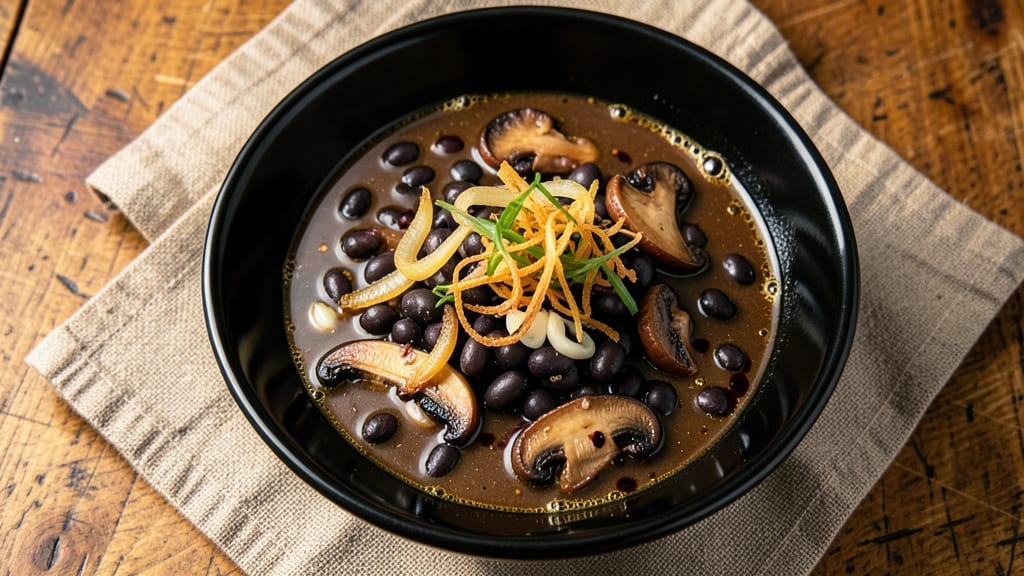
This black bean ramen recipe transforms humble ingredients into a deeply satisfying bowl of umami-packed comfort. The secret lies in a rich, savory broth built from black beans, mushrooms, and aromatic vegetables—no animal products needed.
What starts as a simple simmer evolves into a velvety, flavorful base that coats every noodle in perfect harmony.
The beauty of this recipe is its versatility and depth. You'll begin with a 30-minute broth that develops complex flavors through slow reduction, then add chewy ramen noodles that soak up the essence of the broth.
Toppings like crispy tofu, fresh herbs, and a drizzle of chili oil elevate each bite, creating a balance of textures and temperatures that make this bowl irresistible.
What you'll achieve is a restaurant-quality ramen that's hearty enough to stand alone but light enough to enjoy any time of day. The black beans contribute earthy umami, while mushrooms add meaty texture, and a touch of miso paste deepens the savory profile.
This isn't just a vegan dish—it's a bold, flavorful experience that proves plant-based cooking can be just as rich and satisfying as traditional ramen.
The best part? This recipe comes together in under an hour, with minimal prep and active cooking time. Whether you're feeding a crowd or treating yourself to a cozy solo meal, the result is a perfectly balanced bowl that delivers on both flavor and nutrition.
Let's get started on creating your umami-packed masterpiece.
Ingredients for black bean ramen
Pantry staples meet umami magic—just 15 ingredients for a restaurant-worthy bowl.
| Ingredient | Amount | Notes |
|---|---|---|
| Black Beluga Lentils 🌾 | 1 cup | Dried, rinsed well |
| Shiitake Mushrooms 🍄 | 8 whole | Fresh or rehydrated slices |
| Yellow Onion 🧅 | 1 whole | Medium, sliced thin |
| Garlic Cloves 🧄 | 6 cloves | Peeled, smashed slightly |
| Fresh Ginger 🌿 | 2 tbsp | Grated, aromatic |
| Vegetable Broth 💧 | 4 cups | Low-sodium preferred |
| White Miso Paste 🍶 | 2 tbsp | High-quality, smooth |
| Sesame Oil 🫒 | 1 tbsp | Toasted, for aroma |
| Ramen Noodles 🍜 | 2 packages | Vegan, 3 oz each |
| Extra-Firm Tofu 🍳 | 1 lb | Pressed, cubed |
| Green Onions 🧅 | 4 whole | Thinly sliced, white parts |
| Sesame Seeds 🌰 | 1 tbsp | Toasted lightly |
| Red Chili Flakes 🌶️ | 1 tsp | Adjust to taste |
| Fresh Cilantro 🌿 | ¼ cup | Chopped, for garnish |
| Sea Salt 🧂 | 1 ½ tsp | Diamond Crystal preferred |
The black lentils are the umami powerhouse here—Beluga lentils stay whole and add satisfying texture. Grab a bag from Whole Foods bulk section or any grocery store's canned goods aisle. Shiitake mushrooms? Fresh is ideal—they hold their shape better than dried, but rehydrated slices work too. For the broth, Pacific Foods or Imagine brands are my go-tos—they're consistently flavorful. The miso? White miso from Marukome if you can find it, but any quality white miso will do. Toast the sesame oil in a separate pan first—just 30 seconds on medium heat—to wake up its nutty aroma before adding to the broth.
No shiitake mushrooms? Cremini or oyster mushrooms work in a pinch, but they won't give that same meaty depth. Short on lentils? Substitute with black beans at 1:1 ratio, but they'll soften more. For the tofu, extra-firm is non-negotiable—it holds up to crisping. Pressing it for 20 minutes between towels with a heavy pan makes all the difference. The ramen noodles? Any vegan brand works—check the package for 3 oz servings. Fresh ginger? Dried works at half the amount, but fresh is worth it for that bright zing. And if you're worried about the broth being too thin, simmer uncovered for 5 extra minutes to reduce it.
This broth keeps beautifully—5 days in the fridge or 3 months frozen. I always make a double batch because it's perfect for stir-fries or soups later. For the crispy tofu, cornstarch coating is key—toss those cubes in 2 tbsp cornstarch before frying. Store cooked noodles in ice water until ready to use—they'll stay chewy. The tofu? Freeze it first for 30 minutes before cooking—it crisps up like magic. And if you're prepping ahead, keep toppings separate until serving so they stay fresh.
Why You'll Love This Recipe
- One-Pot Magic: I swear by this—just toss everything into a single pot, and the lentils and shiitakes thicken the broth while they cook. No straining, no fuss, and the onions caramelize right in that rich liquid.
- Umami Bomb: Between the earthy black lentils, meaty shiitakes, and that fresh ginger hitting your tongue, every spoonful is ridiculously satisfying. Honestly, I’ve never had ramen that hits this deep flavor without meat.
- Meal Prep MVP: This keeps perfectly for days—reheat with a splash of water, and it’s just as good as fresh. I double the batch on Sundays and feed the office all week. (Yes, even on a Tuesday night.)
- Budget Flex: Beluga lentils and shiitakes stretch like crazy, so you’re getting restaurant-quality depth for a fraction of the cost. Plus, the onion and garlic make it taste like you slaved over it—when really, you just stirred.
Step-by-step instructions for black bean ramen with umami depth
This isn't your average ramen—we're building layers of flavor from scratch.
Build the Black Bean-Lentil Base
Start by rinsing the 1 cup Black Beluga Lentils thoroughly under cold water. In a medium saucepan, combine the lentils with 4 cups Vegetable Broth and bring to a boil over medium-high heat. Once boiling, reduce to a simmer and cook uncovered for 20-25 minutes until the lentils are tender but still hold their shape. You want them to break down just enough to thicken the broth but not turn mushy.
While the lentils cook, slice the 8 whole Shiitake Mushrooms into thin strips and set aside. The lentils will form the hearty, protein-rich foundation of your broth—this is where the deep umami flavor begins to develop. Keep an eye on the simmering liquid; you'll want to reduce it slightly later to concentrate those flavors.
Sauté Aromatics and Develop Umami Layers
Heat 1 tablespoon Sesame Oil in a large pot over medium heat. Add the sliced 1 whole Yellow Onion and cook for 4-5 minutes until softened and translucent. Add the 6 cloves Garlic Cloves and 2 tablespoons Fresh Ginger, cooking for another 2 minutes until fragrant but not browned.
Here's where the magic happens: Stir in the 2 tablespoons White Miso Paste and cook for 1 minute until fully incorporated. The miso will deepen the umami profile and create that signature savory backbone. Add the cooked lentils and their broth to the pot, along with the sliced Shiitake Mushrooms. Bring to a gentle simmer and let it cook for 10 minutes, allowing all the flavors to meld together.
Prepare and Pan-Fry the Tofu
While the broth simmers, press the 1 lb Extra-Firm Tofu between paper towels or a clean kitchen towel for 15 minutes to remove excess moisture. Cut the tofu into 1-inch cubes and set aside. Heat 1 tablespoon Sesame Oil in a separate skillet over medium-high heat. Add the tofu cubes in a single layer and cook for 4-5 minutes on each side until golden brown and crispy.
This step is crucial—crispy tofu adds texture and prevents the ramen from becoming too soft. You want those edges to develop a nice sear. Remove the tofu from the skillet and set aside, reserving any rendered oil in the pan.
Finish the Broth and Assemble
Return the pot with the lentil-mushroom mixture to a gentle simmer. Stir in the 1.5 teaspoons Sea Salt and 1 teaspoon Red Chili Flakes, adjusting to taste. Cook for another 5 minutes to allow the flavors to fully develop. Taste and make any final adjustments—this is your flavor checkpoint.
In a separate pot, cook the 2 packages Ramen Noodles according to package instructions until al dente. Drain and divide among bowls. Ladle the hot broth over the noodles, then top with the crispy tofu, sliced 4 whole Green Onions, and a sprinkle of 1 tablespoon Sesame Seeds. Finish with 0.25 cup Fresh Cilantro for freshness.
Serve Immediately with Toppings
This ramen is best served right away while the noodles are hot and the broth is steaming. The contrast between the silky broth, hearty lentils, crispy tofu, and fresh toppings makes every bite exciting. Don't skip the final garnish—those sesame seeds and green onions add both texture and visual appeal.
Real talk: The first time you taste this, you might think it's too rich. But that's the beauty of umami—it builds on itself. If you want to dial it back slightly, serve with a side of pickled vegetables or a simple cucumber salad to cut through the depth of flavor. Enjoy this bowl of comfort that's anything but ordinary!
Pro Tips For Making Black Bean Ramen
- Sauté Shiitake First: Toss the shiitake mushrooms in a dry pan for 2-3 minutes before adding oil—this jumpstarts their flavor and prevents soggy texture later. I learned this the hard way after my ramen broth turned into a sad, watery mushroom stew.
- Prep Ginger Like a Pro: Use a microplane for ginger instead of chopping—it releases oils and blends smoother into the broth without clumps. Yes, it takes 30 seconds extra, but your ramen won’t taste like you’re eating a ginger root.
- Don’t Rush the Lentils: Simmer black beluga lentils until they’re just tender—about 20-25 minutes—then let them sit off heat for 5 minutes. Overcooking turns them mushy, and undercooking means you’re chewing mystery shapes.
- Toast Onion and Garlic Slow: Cook the onion and garlic at medium-low heat until deep golden, not brown—this builds sweetness without bitterness. I used to blast them on high and ended up with burnt-on flavor every time.
Essential equipment for black bean ramen
Broth Development Pot
Your broth starts in a 6-quart stainless steel pot—I swear by All-Clad for even heat distribution and easy cleanup. The wide base prevents scorching when you add the miso paste.
If you don’t have stainless, a heavy-duty enameled Dutch oven works just as well. Avoid nonstick—it can’t handle the prolonged simmering and may release harmful fumes when miso caramelizes slightly. 🌡️
High-Quality Immersion Blender
For ultra-smooth texture (optional but chef’s kiss), use a Vitamix Immersion Blender after simmering. Pulse for 10-15 seconds to break down lentils slightly without turning the broth into a paste.
Skip this if you prefer rustic texture—just whisk vigorously with a stainless steel whisk (like OXO Good Grips). The blender’s variable speed control lets you adjust consistency precisely.
Tofu Press & Crispy Pan
Crispy tofu requires two tools: a tofu press (or DIY stack of towels + heavy pan) and a nonstick skillet with high sides. I use a green-life tofu press for even pressure, but a cast-iron pan (preheated for 3 minutes) gives the best sear.
For extra crunch, toss tofu cubes in 2 tbsp cornstarch before frying—this creates a crispy exterior while keeping the inside tender.
Ramen Noodle Pot
A 4-quart pot with a tight-fitting lid is perfect for cooking noodles al dente. Use cold water (not boiling) to prevent overcooking—drop noodles in and bring to a boil over high heat for 2-3 minutes.
Drain immediately in a colander and rinse with ice water to stop cooking. Pro tip: Reserve ½ cup pasta water to thin the broth if needed later. 🍜
Garnish Essentials
Keep toppings fresh with these tools: a sharp microplane for ginger, a mandoline for green onions, and a small bowl for toasted sesame seeds (toast in a dry skillet for 1 minute on medium).
For extra flair, add a drizzle of chili oil (store-bought or homemade) using a small squeeze bottle. A pair of tongs helps assemble bowls neatly without soggy toppings.
Storage Containers
Store broth in glass mason jars (up to 5 days in fridge) or freezer-safe silicone bags (flatten to save space). For crispy tofu, keep it in an airtight container with parchment paper between layers to prevent sticking.
Noodles? Store cooked noodles in the same ice bath you rinsed them in—this keeps them chewy for up to 2 days. Label everything with dates to track freshness! ❄️
Nutrition facts
Frequently asked questions
Can I make this black bean ramen gluten-free?
Use gluten-free tamari instead of soy sauce (if you add any) and ensure your vegan ramen noodles are certified gluten-free. For extra insurance, check that your miso paste is also gluten-free—many brands contain wheat. The rest of the recipe remains unchanged, and the flavor will still be rich and satisfying.
How do I make the broth thicker without losing flavor?
Simmer the broth uncovered for an extra 5-10 minutes to reduce it naturally. For more body, stir in 1 tablespoon cornstarch mixed with 2 tablespoons cold water and cook for 2 minutes until thickened. Avoid adding flour directly—it can create a gritty texture. The lentils will also help thicken the broth as they break down slightly.
What if I don’t have shiitake mushrooms?
No problem! Swap them for cremini or oyster mushrooms—they’ll still add meaty texture. For a different flavor profile, try portobello mushrooms (sliced thin) or even hearts of palm for a unique twist. Just adjust cooking time—mushrooms release moisture, so you may need to simmer slightly longer to reduce the broth.
Can I prep this ramen ahead of time?
Yes! Make the broth up to 5 days ahead and store it in the fridge, or freeze it for 3 months. For the tofu, crisp it fresh before serving—it won’t hold its texture well when reheated. Cook the noodles just before assembling to keep them chewy. Reheat broth gently on the stove, and add fresh toppings (like green onions and cilantro) when serving.
Why does my tofu turn out soggy instead of crispy?
Soggy tofu usually means excess moisture wasn’t removed properly. Press it for 20 minutes (or freeze it first for 30 minutes before pressing) to draw out water. Also, ensure your pan is hot enough—medium-high heat is key. Toss cubes in cornstarch before frying, and don’t overcrowd the pan. Cook in batches if needed!