
Side Dishes
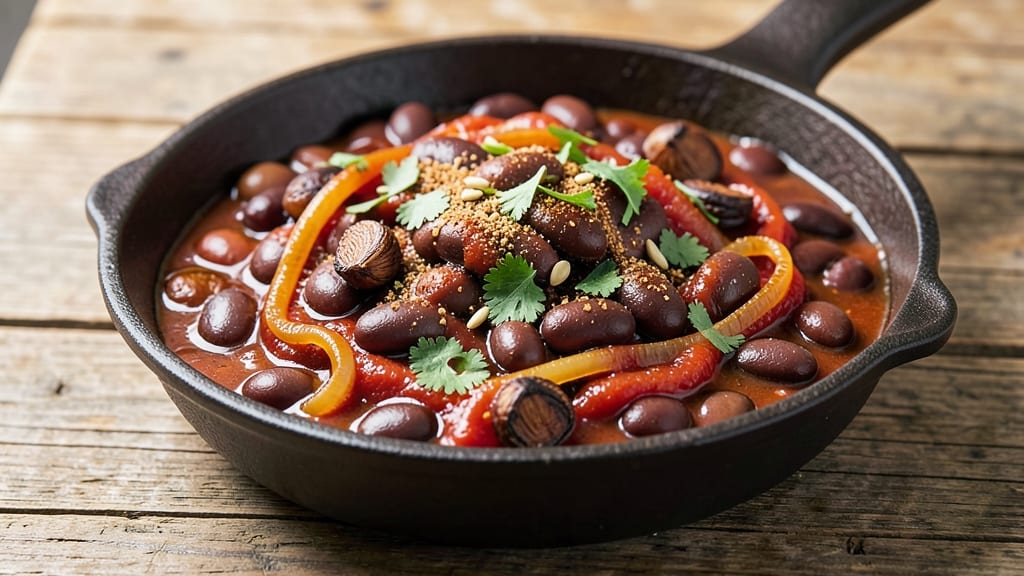
This Bush’s Southwestern-style pinto beans recipe turns humble beans into smoky chipotle and cumin-kissed magic for any meal. The secret lies in slow-simmered flavors that develop deep, earthy notes while keeping the beans tender—no mushy texture here.
This method builds layers of warmth from chipotle powder and cumin, balanced by sweet onions and garlic, creating a side dish that stands out on its own or elevates tacos, bowls, or grilled meats.
What sets this recipe apart is the foolproof technique that ensures perfect texture every time—soaking beans overnight eliminates cooking time headaches, while a long simmer (2-3 hours) transforms tough dried beans into velvety, flavorful bites.
The smoky chipotle and warm cumin create a complex flavor profile that feels restaurant-quality, yet it's simple enough for weeknight cooking. No shortcuts here, just professional results with minimal effort.
By the time you're done, you'll have a pot of rich, aromatic pinto beans with just the right balance of smokiness, earthiness, and subtle heat. The beans stay tender with a slight bite, while the broth reduces into a thick, savory sauce that clings to every bite.
This isn't just a side dish—it's the heart of your meal, packed with flavor and texture that will have everyone asking for seconds.
Use these beans as a base for Southwestern bowls, stuff them into tacos, or serve them alongside grilled chicken for a complete dinner. The recipe also works beautifully in a slow cooker for hands-off cooking.
Let's get started on creating this versatile, flavor-packed staple that belongs in your rotation year-round.
Ingredients for bush's southwestern style pinto beans
These 14 ingredients transform simple pinto beans into restaurant-quality Southwestern magic.
| Ingredient | Amount | Notes |
|---|---|---|
| Dried Pinto Beans 🌱 | 2 cups | Unsoaked, high-quality brand preferred |
| Chipotle Powder 🌶️ | 2 tbsp | Smoked chipotle preferred |
| Ground Cumin 🌿 | 2 tbsp | Freshly toasted for depth |
| Yellow Onion 🧅 | 1 whole | Medium, diced |
| Garlic Cloves 🧄 | 4 cloves | Fresh, minced |
| Tomato Paste 🍅 | ½ cup | High-quality, no salt added |
| Vegetable Broth 💧 | 4 cups | Low-sodium preferred |
| Bay Leaves 🍃 | 2 whole | Fresh preferred |
| Cumin Seeds 🌿 | 1 tsp | Toasted, optional for extra aroma |
| Salt 🧂 | 1 ½ tsp | Adjust to taste |
| Black Pepper 🌶️ | ½ tsp | Freshly ground |
| Lime Juice 🍋 | 2 tbsp | Freshly squeezed |
| Fresh Cilantro 🌿 | ¼ cup | Chopped, for garnish |
| Avocado Oil 🫒 | 2 tbsp | High smoke point for sautéing |
The beans are the foundation, so choose high-quality dried pinto beans—brands like Bush’s or Goya deliver consistent texture. Soak overnight to cut cooking time dramatically, but never skip rinsing after soaking to remove excess starch. For the chipotle powder, Penzeys or Simply Organic offer the smokiest options—avoid generic brands that taste flat. Toast your cumin seeds in a dry pan for 30 seconds before grinding to unlock their full aroma (trust me, it makes a difference). The onion and garlic should be sweet and fresh—yellow onions work best here, while garlic cloves should be firm with no green shoots.
No chipotle powder? Mix 1 tbsp smoked paprika with 1 tsp cayenne for a similar smoky heat. Short on cumin? Ground coriander at half the amount bridges the gap, though it lacks that warm earthiness. Using canned beans? Drain and rinse thoroughly, then simmer with the broth for 20 minutes to absorb flavors. The tomato paste can be substituted with 2 tbsp tomato sauce if you prefer less intensity. For extra depth, add a dash of liquid smoke (about 1/4 tsp)—it’s a game-changer for smokiness without overpowering. Fresh cilantro wilts fast, so add it at the very end or use dried cilantro powder at 1/4 the amount if needed.
This recipe rewards patience—simmer uncovered for 2-3 hours to develop those deep, earthy notes. The beans keep well in the fridge for 5-6 days, though they taste even better the next day as flavors meld. For meal prep, portion into airtight containers with a layer of broth to maintain moisture. Freeze for up to 3 months by spreading cooled beans on a tray first (prevents clumping). Garnish with lime juice and cilantro right before serving to brighten flavors—don’t skip this step (it’s the secret to restaurant-quality results).
Why You'll Love This Recipe
- No-Soak Hassle: I swear by this trick—just toss the dried pintos in a pot with water, a pinch of salt, and let them simmer. No overnight soaking, no fuss. Honestly, that first bite of tender beans after 45 minutes feels like magic.
- Smoky Cumin Kick: That chipotle powder and ground cumin? They’re the secret. The beans soak up the earthy warmth while the onion and garlic caramelize—deep, slow-building flavor that turns a simple pot into something ridiculously good.
- Potluck Star: Between us, this is my go-to for gatherings. It’s hearty enough to feed a crowd but simple enough to bring in a disposable container. (Yes, even on a Tuesday night.) Plus, everyone loves the way it pairs with cornbread or tortilla chips.
- Budget Magic: A pound of dried beans costs pennies, and this recipe stretches for days. I make a big batch on Sunday, and by Wednesday, I’m still eating it—warm, reheated, or cold in a taco. My wallet and my taste buds thank me.
Step-by-step instructions for Southwestern style pinto beans
This method delivers deep smoky flavor and perfect texture every time.
Sauté Aromatics in Avocado Oil
Heat the 2 tablespoons avocado oil in a large Dutch oven over medium heat until shimmering. Add the 1 whole yellow onion, diced into ¼-inch pieces, and cook for 5-6 minutes until softened and translucent. Here's the thing—don't rush this step. You want the onions to caramelize slightly at the edges for that sweet depth of flavor.
Add the 4 cloves garlic cloves, minced, and the 1 teaspoon toasted cumin seeds to the pot. Stir for 30 seconds until fragrant—you should smell that earthy cumin aroma and see the garlic turn golden. If the garlic starts to brown too quickly, reduce heat slightly. This is your flavor foundation, so take your time.
Toast the Spices and Add Tomato Paste
Increase heat to medium-high and stir in the 2 tablespoons chipotle powder and 2 tablespoons ground cumin. Toast for 1-2 minutes until the spices are fragrant and the chipotle's smoky aroma fills your kitchen. This step develops the complex flavors that define this recipe.
Reduce heat to medium and add the ½ cup tomato paste, stirring constantly for 2-3 minutes until it darkens slightly and coats the spices. The paste will thicken and deepen in color—this is when the magic happens. The heat helps break down the paste's sugars, creating a rich base for your beans.
Combine Beans and Broth
Add the 2 cups dried pinto beans, 4 cups vegetable broth, 2 whole bay leaves, 1½ teaspoons salt, and ½ teaspoon black pepper to the pot. Stir well to combine, ensuring all the beans are submerged in the liquid. Here's where it gets important: if the beans aren't fully covered, add a little more broth—you want them to soak up all that flavorful liquid.
Bring to a gentle boil, then immediately reduce heat to low. Cover the pot and maintain a barely simmering state—you should see just a few small bubbles at the edges. This controlled simmer prevents the beans from toughening and ensures even cooking. Resist the urge to stir frequently; occasional gentle stirring is all you need.
Simmer Until Tender
Cook for 45-60 minutes, checking occasionally to ensure the beans remain covered with liquid. If the liquid level drops significantly, add ½ cup hot water to maintain coverage. The beans are ready when they're fork-tender—press a bean with your fork; it should collapse easily but still have a slight bite.
Here's the critical part: once tender, remove the 2 whole bay leaves and stir in the 2 tablespoons lime juice. The acidity brightens all the smoky, earthy flavors and balances the richness. Taste and adjust seasoning if needed—you might want to add a pinch more salt or a touch more chipotle powder for extra heat.
Finish and Garnish
Transfer the beans to a serving bowl and let them sit for 5 minutes off the heat. This resting period allows the flavors to meld and the beans to absorb any remaining liquid. Stir in the ¼ cup chopped fresh cilantro just before serving—this adds freshness and a pop of color that makes the dish look as good as it tastes.
Serve immediately with warm tortillas, grilled meats, or as a hearty side dish. The beans should be tender yet still hold their shape, with a rich, smoky sauce that coats every bite. Each spoonful delivers that perfect balance of heat, earthiness, and brightness that makes this recipe a crowd-pleaser.
Pro Tips For Making Bush'S Southwestern Style Pinto Beans
- SOAK BEANS OVERNIGHT: Dried pinto beans need serious hydration—toss them in cold water with a splash of vinegar (even apple cider works) and let them sit 12+ hours. I learned this the hard way: rushing the soak means gummy beans that never soften, no matter how long you simmer.
- TOAST THE SPICES: Before adding chipotle powder and cumin, dry-toast them in a small pan over medium heat for 30 seconds until fragrant. That extra step makes the flavors pop—trust me, your beans won’t taste like dusty seasoning if you do this first.
- SAUTE ONIONS UNTIL GOLDEN: Don’t just cook the onions until they’re soft—push them until they’re deep golden brown, almost caramelized. That’s where the depth of flavor comes from, and it pairs perfectly with the smoky chipotle. (Yes, it’ll take 10-12 minutes, but it’s worth it.)
- SKIP THE SALT AT FIRST: Add salt only after the beans have simmered for at least 45 minutes. Salting too early toughens the beans, and you’ll regret it later. Taste halfway through cooking—you can always add more, but you can’t undo oversalting.
Troubleshooting perfect results
Beans Too Hard
If your beans remain tough after simmering, you likely didn’t soak them long enough or didn’t maintain a consistent low simmer. Soak dried beans overnight in plenty of water (at least 3 cups per cup of beans) to soften them.
For a quick soak, use boiling water for 2 minutes, then let them sit covered for 1 hour. During cooking, keep the heat at a gentle simmer—never a rolling boil, which toughens the skins.
If they’re still hard after 2 hours, add ½ cup hot water and continue simmering for another 30-45 minutes. 🌱
Mushy Texture
Overcooking is the usual culprit for mushy beans. Once they reach fork-tender (about 45-60 minutes), remove them from heat immediately. If your beans turn mushy, you likely simmered them too long or used old, low-quality beans.
For future batches, rinse canned beans thoroughly before adding them to the pot and simmer for only 20 minutes to absorb flavors without breaking down. Also, avoid stirring too aggressively—gentle stirring prevents skins from tearing. ✨
Broth Too Thin
A watery broth means the beans absorbed too much liquid or the initial broth wasn’t concentrated enough. To fix this, reduce the heat to low after simmering and let the beans cook uncovered for 10-15 minutes to thicken the sauce naturally.
If it’s still too thin, mash ¼ of the beans with a fork to release starches, which will thicken the broth. For next time, use ½ cup less broth or add 1 tablespoon cornstarch mixed with 2 tablespoons water at the end of cooking. 💡
Flat or Bland Flavor
Bland beans usually result from skipping the spice toasting step or using low-quality spices. Always toast your chipotle powder and cumin for 1-2 minutes to wake up their flavors. For extra depth, add ½ teaspoon liquid smoke or a dash of smoked paprika at the end.
If your beans taste dull, boost the acidity with an extra 1 tablespoon lime juice or a splash of apple cider vinegar. Fresh herbs like cilantro or parsley add brightness too. 🌶️
Burnt Onions or Garlic
Burnt aromatics ruin the dish’s foundation. Keep heat at medium when sautéing onions and garlic—never high. If they start to brown too quickly, reduce heat or pull the pot off briefly.
For next time, cook onions for 5-6 minutes until soft but not caramelized, then add garlic just before it turns golden. If you accidentally burn them, remove the burnt bits immediately and start fresh with fresh aromatics. 🔥
Liquid Evaporated Too Fast
If your beans dry out, you likely cooked them uncovered or in a pot too small for the volume. Always use a large Dutch oven (at least 6-quart capacity) and keep the pot covered during simmering.
If the liquid level drops, add ½ cup hot water to maintain coverage. For slow-cooker versions, reduce broth by 1 cup and cook on low for 6-8 hours—the lid helps retain moisture. ❄️
Nutrition facts
Frequently asked questions
Can I make these beans in a slow cooker?
For a slow-cooker version, combine all ingredients (except cilantro and lime juice) in your slow cooker and cook on low for 6-8 hours or high for 3-4 hours. Stir in lime juice and cilantro at the end. The slow cooker keeps the beans tender while letting flavors meld beautifully.
How do I store leftovers?
Store cooked beans in an airtight container in the fridge for 5-6 days or freeze for up to 3 months. For freezing, spread cooled beans on a tray first to prevent clumping. Reheat gently on the stove with a splash of water or broth to restore moisture. The flavors actually improve overnight!
What's the best way to reheat these beans?
Reheat gently on the stove over low heat with 2-3 tablespoons water or broth to prevent drying out. Stir frequently and add more liquid if needed. For microwave reheating, cover with a damp paper towel and heat in 30-second intervals, stirring between each. Never reheat to a boil—this makes beans mushy.
Can I make this recipe vegetarian?
Yes! Simply replace the vegetable broth with vegetable broth (already vegetarian) and skip any meat-based additions. For extra richness, stir in 1 tablespoon nutritional yeast at the end. The smoky chipotle and cumin flavors work perfectly with plant-based meals.
Why do my beans turn out mushy?
Mushy beans usually mean overcooking or using old beans. Always cook until fork-tender (about 45-60 minutes) and remove from heat immediately. For canned beans, rinse thoroughly and simmer only 20 minutes to absorb flavors. Avoid stirring too aggressively—gentle stirring preserves texture.