
Salads
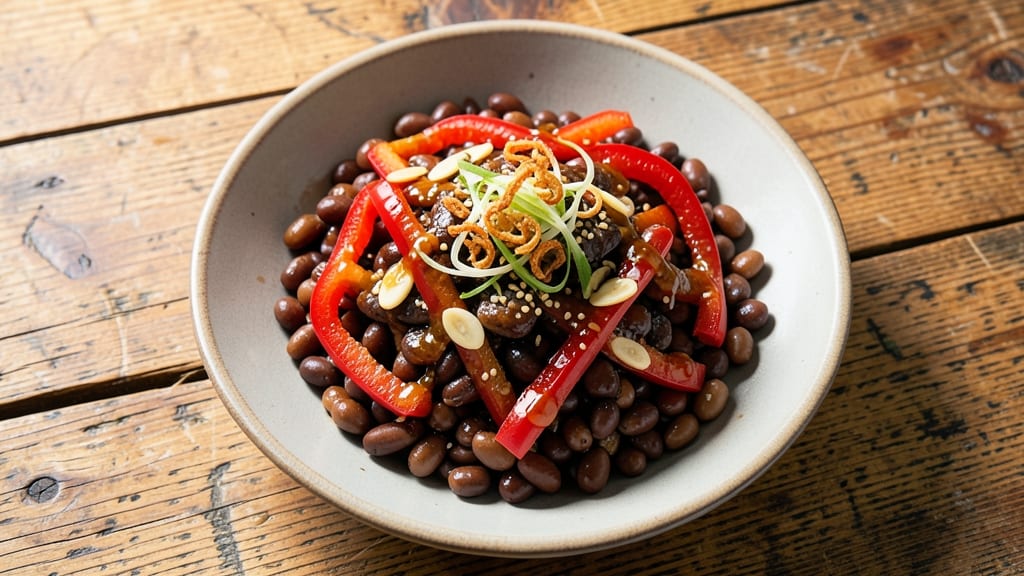
This Bulgogi bean salad recipe transforms humble ingredients into a vibrant, umami-packed dish that captures Korea's signature sweet-savory balance. The secret lies in marinating crispy beans with a sauce of soy, garlic, sesame, and sugar—creating a flavor profile that rivals traditional bulgogi without any meat.
What makes this dish special is how the textures play together: tender beans, crunchy cucumber, and toasted sesame seeds come together in every bite.
The preparation is straightforward yet transformative. You'll start by cooking and marinating the beans in the sauce until they absorb all that rich, caramelized flavor, then toss them with fresh vegetables and a final sprinkle of sesame.
The result is a salad that's hearty enough to stand alone but light enough to complement grilled meats or rice bowls. This vegetarian adaptation proves you don't need meat to achieve that iconic bulgogi experience.
What you'll end up with is a bowl of crispy, flavorful beans coated in a glossy, sweet-savory sauce, topped with cool cucumber, bright scallions, and nutty sesame seeds. The contrast of textures and temperatures makes each bite exciting—creamy beans, crunchy vegetables, and a final crunch from the toasted seeds.
This dish delivers restaurant-quality flavors with minimal effort, perfect for weeknight dinners or meal prep.
The beauty of this recipe lies in its versatility. Serve it as a main dish with steamed rice, or use it as a vibrant side to complement grilled proteins. The flavors develop even better when chilled, making it ideal for make-ahead lunches.
Let's bring this Korean-inspired dish to your table with just a few simple steps and ingredients you likely already have on hand.
Ingredients for bulgogi bean salad
Transform simple beans and pantry staples into a restaurant-worthy bulgogi-inspired dish with vibrant textures and umami depth.
| Ingredient | Amount | Notes |
|---|---|---|
| Dried Black Beans 🌱 | 1 ½ cups | Rinsed before cooking |
| Soy Sauce 🥢 | ½ cup | Low-sodium preferred |
| Brown Sugar 🍯 | ¼ cup | Packed firmly |
| Sesame Oil 🫒 | 1 ½ tbsp | Toasted sesame preferred |
| Garlic Cloves 🧄 | 6 cloves | Minced finely |
| Ginger Root 🌿 | 1 tbsp | Freshly grated |
| Rice Vinegar 💧 | 1 ½ tbsp | White vinegar substitute |
| Toasted Sesame Seeds 🥜 | 2 tbsp | For garnish |
| English Cucumber 🥒 | 1 whole | Thinly sliced |
| Green Onions 🧅 | 3 whole | Thinly sliced |
| Vegetable Oil 🫒 | 1 tbsp | For cooking beans |
| Sesame Seeds 🥜 | 1 tbsp | Extra for garnish |
| Salt 🧂 | 1 tsp | Kosher preferred |
| Black Pepper 🌶️ | ½ tsp | Freshly ground |
The black beans are the foundation—dried beans yield the best texture, but canned low-sodium works in a pinch if you're short on time. For the sauce, Kikkoman soy sauce delivers that authentic umami punch, though any quality brand will work. The brown sugar should be packed firmly; light or raw sugar won't caramelize as beautifully. Toast your sesame seeds in a dry pan for 30 seconds until fragrant—this enhances their nutty aroma significantly. Fresh ginger and garlic are non-negotiable here; jarred ginger or powdered garlic won't provide the same depth of flavor, though they're acceptable in a bind.
No sesame oil? Neutral oil like avocado or canola plus a pinch of toasted sesame seeds can mimic the flavor profile, though the aroma will differ slightly. Substitute rice vinegar with apple cider vinegar for a fruity twist, though the balance will be slightly different. For the cucumber, English cucumbers stay crispest, but Persian cucumbers work well too—just pat them dry thoroughly before slicing to prevent a watery salad. The green onions should be bright green with no yellowing; if they're past their prime, substitute with shallots for a milder flavor. When cooking the beans, don't overcrowd the pan—they need room to crisp up properly for that signature texture.
This salad tastes even better the next day as the flavors meld together. Store in an airtight container in the fridge for up to 4 days, though the cucumber will soften after day two. For meal prep, portion into small containers with a separate compartment for the sesame seeds—this keeps everything crisp. If you're serving with rice, double the recipe—it disappears quickly. The beans can be pre-cooked and refrigerated for up to 3 days before tossing with the sauce, making this an excellent make-ahead dish for busy weeknights.
Why You'll Love This Recipe
- No-Soak Required: I’ll be real—soaking beans is a hassle. These dried black beans soften perfectly overnight in water (or even just a long simmer), so you’re not stuck waiting. Just drain, toss with the sweet-savory sauce, and you’ve got texture without the fuss.
- Umami Bomb: That combo of soy sauce, brown sugar, and sesame oil? It’s a flavor explosion in every bite. The garlic cloves add a punchy warmth, but the real magic is how the beans soak up the caramelized edge—crispy outside, tender inside. Honestly, I’ve had people ask if I used shortcuts.
- Meal Prep MVP: This salad keeps for days in the fridge, so it’s my go-to for lunch prep or potlucks. Pack it in jars, and the beans stay intact while the dressing clings to every bite. Between us, it’s the only side dish I don’t dread making ahead—it actually improves with time.
- Pantry Staple Power: Brown sugar, soy sauce, garlic—these are ingredients you’re already buying. No specialty items, no last-minute grocery runs. I’ve made this for under $1.50 per serving, and it still feels like a restaurant-quality dish. Budget-friendly doesn’t mean boring, especially when it’s this easy.
Step-by-step instructions for bulgogi-inspired bean salad
This method transforms simple ingredients into a vibrant, crunchy salad with deep umami flavors and perfect texture balance.
Cook the Black Beans Until Tender
Rinse the 1½ cups dried black beans thoroughly under cold water to remove any debris. Place them in a medium pot and cover with 8 cups water—this ensures enough liquid for even cooking. Add 1 teaspoon salt and bring to a boil over high heat. Once boiling, reduce to a simmer and cook for 1½ to 2 hours, until the beans are fork-tender but not mushy.
Here's the thing—don't drain them yet. The starchy cooking water will help create a silky dressing later. Stir occasionally to prevent sticking, and if the water level drops below 2 inches above the beans, add ½ cup hot water to maintain proper hydration. The beans should be fully tender with a slight resistance when pierced with a fork.
Prepare the Sweet-Savory Dressing
In a small saucepan, combine the ½ cup soy sauce, ¼ cup packed brown sugar, 1½ tablespoons sesame oil, 6 minced garlic cloves, and 1 tablespoon freshly grated ginger root. Bring to a gentle simmer over medium-low heat and cook for 5-7 minutes, stirring constantly, until the sugar dissolves completely and the mixture thickens slightly.
Remove from heat and stir in the 1½ tablespoons rice vinegar. This acidity brightens the flavors and balances the sweetness. Let the dressing cool to room temperature—this prevents the beans from getting soggy when combined. The dressing should have a glossy sheen and a rich aroma that combines caramelized sweetness with aromatic garlic and ginger.
Assemble and Chill the Salad
Drain the cooked black beans, reserving 1 cup of the starchy cooking liquid. Transfer the beans to a large mixing bowl. Thinly slice the 1 whole English cucumber and 3 whole green onions, then add them to the bowl. Pour the cooled dressing over the beans and stir gently to coat evenly. Add 1 tablespoon vegetable oil and toss again to distribute the flavors.
This is where the magic happens—the reserved bean water creates a natural emulsifier. If the salad seems too dry, add 1-2 tablespoons of the reserved liquid at a time until you achieve a moist but not watery texture. The beans should be well-coated with dressing but still retain their individual shape. Cover the bowl and refrigerate for at least 2 hours—this allows all the flavors to meld together.
Finish with Crunchy Garnishes
Before serving, give the salad a final toss. Sprinkle with 2 tablespoons toasted sesame seeds and 1 tablespoon extra sesame seeds for added texture and aroma. The toasted seeds provide a satisfying crunch that contrasts beautifully with the tender beans and crisp cucumber. Season with ½ teaspoon freshly ground black pepper and adjust with additional soy sauce or rice vinegar if needed.
Serve immediately or let it sit for another 30 minutes to allow the flavors to develop further. The perfect bulgogi bean salad should have a harmonious balance of sweet, savory, and slightly tangy notes, with each bite offering a satisfying combination of textures—creamy beans, crisp cucumber, and nutty sesame seeds. The salad keeps well in the refrigerator for up to 3 days, making it an excellent make-ahead dish for meal prep.
Pro Tips For Making Bulgogi Bean Salad
- SOAK BEANS OVERNIGHT: I learned this the hard way—rushing the soak means gummy beans that won’t soften, no matter how long you simmer. Cover dried black beans in water by at least 2 inches, add a pinch of salt, and let them sit 8+ hours (or overnight). No soaking? Budget 2 hours on the stove, but swap half the water twice to cut down cooking time.
- SIMMER LOW AND LONG: After burning three batches, I finally figured out that black beans need gentle heat. Once the water boils, drop the flame to a bare simmer—just enough to keep tiny bubbles breaking the surface. Skimp on heat, and you’ll end up with mushy beans; go too hard, and they’ll split open like overcooked pasta.
- MINCE GARLIC FINE: Sounds weird, but it works: pulse garlic cloves in a food processor for 3-4 seconds until they’re a thick paste, not minced. This blends better into the dressing and adds depth without the texture of chopped pieces. (Yes, even if you’re impatient like me—just don’t overdo it or you’ll end up with garlic oil.)
- BALANCE SWEET AND SALTY: My grandmother swore by this, and she was right: the brown sugar should taste like dessert, not syrup. Start with 1 tablespoon per cup of soy sauce, then taste the raw dressing—it’ll seem too sweet. That’s the point. The beans’ earthiness will mellow it out during cooking, but the contrast is what makes the salad sing.
Troubleshooting great bulgogi bean salad
Beans Too Soft
If your beans turn out mushy instead of tender with bite, you likely overcooked them. Black beans should hold their shape but yield slightly when pressed—aim for 1½ to 2 hours at a gentle simmer. Start checking at 1 hour by tasting one bean.
If they're already too soft, reduce future cooking time by 15 minutes. Also, ensure you're using enough water—8 cups per 1½ cups dried beans prevents overcrowding, which can lead to uneven cooking. 🌱
Dressing Too Thin
The sauce might be watery if you didn't reduce it enough during cooking. Simmer the dressing until it thickens slightly—about 5-7 minutes—and stir frequently to prevent burning.
If it's still too thin after chilling, mix 1 teaspoon cornstarch with 1 tablespoon water, then stir into the dressing while warm. For extra depth, add ½ teaspoon toasted sesame oil to enhance richness.
Cucumber Too Watery
Excess moisture from cucumbers can dilute the flavors. Pat slices dry with paper towels before adding them to the salad. For extra crispness, toss cucumber slices with ½ teaspoon salt and let sit for 10 minutes in a colander to draw out moisture.
Drain well before combining with other ingredients. If your salad still seems watery, reduce the amount of reserved bean water by 2-3 tablespoons when tossing.
Flavors Not Balanced
If the sweet-savory balance feels off, adjust while the salad is still warm. For more sweetness, add 1 teaspoon extra brown sugar; for tang, splash in ½ teaspoon rice vinegar. Need more umami?
Stir in ½ teaspoon soy sauce. Taste as you go—small adjustments make a big difference! The dressing should coat your tongue with a harmonious blend of caramelized sweetness, salty soy, and bright acidity. 💫
Sesame Seeds Not Toasted
Untosted sesame seeds lack depth of flavor and aroma. Always toast them in a dry skillet over medium heat for 30 seconds, stirring constantly, until fragrant. Watch closely—they burn quickly!
If you forget, sprinkle with an extra ½ teaspoon sesame oil; while not identical, it adds a similar nutty note. For extra crunch, lightly toast the seeds again before serving.
Salad Too Dry
If the beans seem dry after chilling, revive them by adding 1-2 tablespoons reserved bean water. The starchy liquid acts as a natural binder, restoring moisture without diluting flavors. For extra richness, drizzle with ½ teaspoon toasted sesame oil.
If the issue persists, increase the vegetable oil in the final toss to 1½ tablespoons—this helps distribute the dressing more evenly.
Nutrition facts
Frequently asked questions
Can I use canned beans instead of dried?
Yes, but with adjustments! Use 2 (15-oz) cans low-sodium black beans, drained and rinsed. Reduce cooking time to 10 minutes in the sauce to prevent mushiness. For extra flavor, add ½ cup reserved bean liquid from the can (if available) to the dressing. The texture will be slightly softer than dried beans but still delicious.
How do I make this gluten-free?
Swap soy sauce for tamari or coconut aminos (both gluten-free). Check labels to ensure no wheat additives. Use certified gluten-free brown sugar and verify sesame oil/seed brands for cross-contamination warnings. The flavor profile remains rich and umami-packed with these substitutions.
Can I add protein to make it more filling?
Toss in ½ cup cooked quinoa or ½ cup chopped edamame for extra protein. For meat lovers, add ½ cup sliced grilled chicken or ½ cup crispy tofu after chilling. Keep the protein separate until serving to maintain texture contrast.
Why does my dressing separate?
This happens when oil and water aren't properly emulsified. Stir in 1 teaspoon cornstarch mixed with 1 tablespoon water while warm, or whisk vigorously with a fork. For prevention, use 1 tablespoon reserved bean water in the dressing—its natural starches help bind ingredients.
What's the best way to store leftovers?
Keep in an airtight container for up to 4 days. Store cucumber separately if possible to maintain crispness. Refrigerate for 2 hours before eating to let flavors meld. For meal prep, portion into small containers with a compartment for sesame seeds—add them fresh before serving for maximum crunch.