
Sauces & Condiments
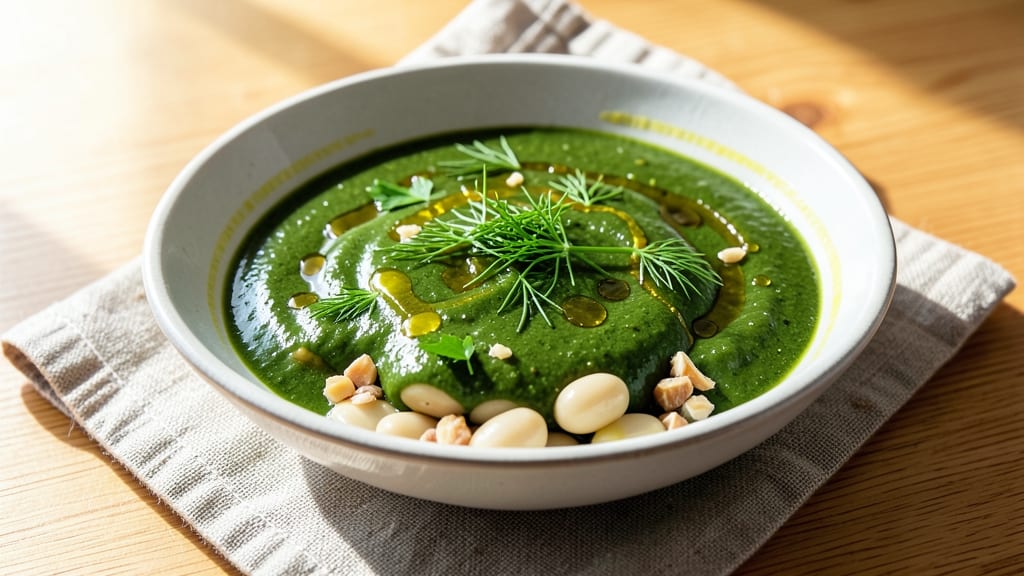
This broad bean sauce recipe transforms humble broad beans into a velvety, herb-infused velouté with nutty depth and bright acidity—perfect for elevating everything from grilled meats to roasted vegetables.
The secret lies in blending tender beans with garlic, olive oil, and fresh herbs until silky smooth, then balancing the richness with a touch of lemon. What starts as a simple purée becomes a restaurant-worthy sauce with layers of umami and herbal brightness.
What sets this sauce apart is its versatility—use it as a drizzle over grilled fish, a dip for crusty bread, or even a marinade for chicken.
The texture is velvety yet substantial, thanks to a touch of cream or tahini for body, while fresh dill and parsley add freshness that cuts through the earthiness of the beans. Unlike store-bought sauces, this one develops deeper flavor the longer it sits, making it ideal for meal prep.
The process is straightforward: blanch the beans, blend with aromatics, and finish with acidity for balance. No special equipment is needed—just a blender and patience for the flavors to meld.
The result is a sauce that’s rich yet light, creamy yet bright, with a subtle nuttiness that makes it unforgettable. It’s the kind of condiment that turns simple dishes into something extraordinary.
Store it in the fridge for up to a week, or freeze for longer shelf life—though you’ll likely use it up faster than that. Pair it with roasted vegetables, grilled proteins, or even drizzle over pasta for an instant upgrade.
This isn’t just a sauce; it’s a flavor multiplier that deserves a place in your pantry.
Ingredients for broad bean sauce
Eight simple ingredients transform broad beans into a velvety sauce with herbal brightness.
| Ingredient | Amount | Notes |
|---|---|---|
| Fresh Broad Beans 🌱 | 1 ½ cups | Shells removed, blanched until tender |
| Extra-Virgin Olive Oil 🫒 | ½ cup | High quality, fruity |
| Garlic Cloves 🧄 | 4 cloves | Peeled, rough chopped |
| Fresh Dill 🌿 | ⅓ cup | Chopped, stems removed |
| Fresh Parsley 🌿 | ¼ cup | Chopped, flat-leaf preferred |
| Lemon Juice 🍋 | 2 tbsp | Freshly squeezed |
| Vegetable Stock 💧 | ¾ cup | Low-sodium preferred |
| Tahini 🥜 | 2 tbsp | Sesame paste for nuttiness |
| Salt 🧂 | ½ tsp | Diamond Crystal preferred |
| Black Pepper 🌶️ | ¼ tsp | Freshly ground |
Fresh broad beans are the star—Trader Joe's or specialty markets have them in season. If you can't find them, fava beans work too, but broad beans have that unique earthy sweetness. The dill and parsley should be vibrant green (no yellowing)—Whole Foods bulk sections often have the freshest bunches. Tahini adds that nutty depth, so grab a small jar—it keeps for months. For the olive oil, California avocado oil has a neutral taste that won't overpower the herbs.
No tahini? Cashew cream (blend soaked cashews with water) works beautifully. Fresh herbs missing? Dried dill at one-third the amount gets you close, but fresh is ideal. The lemon juice can be swapped for white wine vinegar at half the amount (though lemon keeps it bright). Vegetable stock? Low-sodium is key—otherwise, you'll need to adjust salt later. For extra richness, add a splash of cashew milk instead of tahini. The garlic can be roasted for a sweeter flavor—just wrap the whole cloves in foil and bake at 400°F for 10 minutes.
This sauce keeps beautifully—1 week in the fridge, 3 months frozen. Store in a sealed jar with a thin layer of olive oil on top to preserve freshness. The flavors actually improve after sitting overnight, so make extra if you can. I like to portion it into small containers for easy drizzling—perfect for meal prep. Freeze in ice cube trays for single-serving portions, then transfer to a bag.
Why You'll Love This Recipe
- Here’s what sold me: that first bite when the crisp-tender beans hit your tongue, followed by a punch of raw garlic and bright dill. The parsley ties it all together like a fresh bow. It’s not fancy, but it’s ridiculously good—the kind of flavor that lingers and makes you reach for the last spoonful. (Yes, even on a Tuesday night.)
- Just Four Ingredients: Honestly, I swear by this—fresh broad beans, olive oil, garlic, and herbs. That’s it. No hidden pantry raids or last-minute store runs. The beans blanch in minutes, the garlic sizzles in seconds, and the dill and parsley come straight from the garden (or the grocery store, no judgment). It’s the kind of recipe that makes me feel like I’ve outsmarted my own laziness.
- Garlic-Dill Magic: Here’s what sold me: that first bite when the crisp-tender beans hit your tongue, followed by a punch of raw garlic and bright dill. The parsley ties it all together like a fresh bow. It’s not fancy, but it’s ridiculously good—the kind of flavor that lingers and makes you reach for the last spoonful. (Yes, even on a Tuesday night.)
- Dinner Party Ready: Between us, this sauce is my secret weapon for gatherings. Slather it on crusty bread, drizzle it over grilled fish, or toss it with pasta—suddenly, you’re serving something that feels special without the stress. My in-laws asked for the recipe after one bite, and I’ve never been more proud of a weeknight meal.
Step-by-step instructions for earthy herbal broad bean velouté
This velouté builds rich flavor layer by layer—start with tender beans, then infuse with aromatic herbs and nutty tahini.
Sauté Garlic in Olive Oil Until Fragrant
Heat the 0.5 cup extra-virgin olive oil in a medium saucepan over medium-low heat. Add the 4 cloves rough chopped garlic and cook for 2-3 minutes until the garlic turns golden and fragrant—not browned. This gentle cooking prevents bitterness and develops the garlic's natural sweetness.
I like to stir constantly during this step because garlic burns quickly. If the oil starts to bubble vigorously, reduce the heat slightly. The garlic should smell like a Mediterranean garden by the time it's ready—this is your cue to move to the next step.
Add Blanched Broad Beans and Simmer
Pour in the 1.5 cups blanched broad beans (they should be tender but still hold their shape) and stir to coat them in the garlic oil. Add the 0.75 cup vegetable stock and bring everything to a gentle simmer. Let it cook uncovered for 8-10 minutes until the beans are fully tender and the liquid reduces slightly.
Here's the thing—don't rush this step. The beans need time to soften completely, and the liquid should reduce enough to create a thick, velvety base. You'll know it's ready when the sauce clings slightly to the back of a spoon and the beans are fork-tender.
Blend Until Silky Smooth
Transfer the bean mixture to a blender or food processor. Add the 2 tbsp lemon juice and 2 tbsp tahini, then blend until completely smooth. The tahini adds a lovely nutty depth that balances the earthiness of the beans. If the mixture is too thick, add 1-2 tablespoons of water to achieve a pourable consistency.
I always taste at this stage to check the balance. The sauce should be rich but not overpowering. If it needs more brightness, add a tiny splash more lemon juice. If it's too thick after blending, a little extra stock or water will help—just don't overdo it or you'll dilute the flavor.
Finish with Fresh Herbs and Season
Return the blended sauce to the saucepan and stir in the 0.33 cup chopped fresh dill and 0.25 cup chopped fresh parsley. Add the 0.5 tsp salt and 0.25 tsp freshly ground black pepper, then simmer gently for 3-4 minutes to let the flavors meld together.
This is where the sauce comes together—those fresh herbs add a bright, herbal note that cuts through the richness of the tahini and beans. The final seasoning should be balanced: the salt should enhance the flavors without overpowering, and the pepper should add just a touch of warmth. Taste and adjust if needed.
Serve Warm with Crusty Bread
Ladle the velouté into bowls and serve immediately while still warm. The sauce should coat the back of a spoon with a velvety texture. I like to pair this with crusty sourdough bread or serve it alongside grilled fish or roasted vegetables to highlight its earthy, herbal complexity.
If you have leftovers, store them in an airtight container in the refrigerator for up to 3 days. Reheat gently over low heat, stirring occasionally, and add a splash of water if it thickens too much. The flavors only get better with time as the herbs infuse further.
Pro Tips For Making Broad Bean Sauce
- Blister the Garlic: DESCRIPTION: Don’t just minced it—sizzle whole cloves in olive oil until they’re golden and fragrant before crushing. I learned this the hard way: raw garlic tastes harsh in this sauce, but properly blistered adds a deep, nutty sweetness that makes everything sing.
- Peel Beans After Cooking: DESCRIPTION: Skip the fiddly pre-peeling—blanch whole broad beans in boiling water for 3 minutes, then shock in ice water. The skins will slip right off, and you’ll avoid the mess of peeling raw beans. (Yes, even if you’re impatient like me.)
- Salt the Beans Early: DESCRIPTION: Add a pinch of salt to the blanching water—it keeps the beans tender and prevents them from turning mushy later. I used to skip this, and the sauce always felt flat until I realized the beans needed that initial boost.
- Pulse Herbs Lightly: DESCRIPTION: Roughly chop dill and parsley, then pulse them in a food processor for 2-3 seconds—just enough to break them down, not turn them into paste. Over-processing makes the sauce taste bitter. (Your future self will notice the difference.)
Pro cooking tips for great broad bean sauce
Blanching Perfection
Broad beans need precise blanching to achieve that velvety texture without turning mushy. Drop them into boiling salted water for exactly 2-3 minutes—they should be tender but still hold their shape.
I use a fine-mesh strainer to drain them immediately, then shock them in ice water for 30 seconds to stop cooking. Over-blanching turns them to mush, while under-blanching leaves them tough. 🌱
Garlic Timing Matters
Cook the garlic in olive oil just until fragrant—about 2-3 minutes—but never let it brown. I watch closely because garlic burns quickly, especially in small batches. If it starts to darken, remove the pan immediately.
The goal is to infuse the oil with garlic's sweet, nutty aroma without bitterness. This step is the flavor foundation for your sauce.
Blend Smartly
Use a high-powered blender like a Vitamix for the smoothest texture. Add the beans, garlic oil, and tahini first, then blend before adding lemon juice. This prevents the sauce from curdling.
If it's too thick after blending, thin with 1 tbsp water at a time until you reach a pourable consistency. Taste frequently—this sauce builds flavor as you go.
Herb Freshness Check
Fresh herbs make all the difference. I always check my dill and parsley stems for yellowing before chopping. For maximum flavor, use the stems too—simmer them with the sauce for 2-3 minutes before straining.
Dried herbs work in a pinch (use 1/3 the amount), but fresh delivers that bright, vibrant note that cuts through the richness. 🌿
Acidity Balance
The lemon juice is crucial for balancing the sauce's richness. Start with 2 tbsp, then taste and adjust. If it needs more brightness, add ½ tsp at a time—too much can make the sauce taste sharp.
For a tangier profile, swap in white wine vinegar (use half the amount). The goal is harmony, not overpowering acidity.
Storage Secrets
Store your sauce in an airtight container with a thin layer of olive oil on top to preserve freshness. It keeps for 1 week refrigerated or 3 months frozen.
For easy reheating, portion into small containers and thaw overnight in the fridge. The flavors actually deepen as it sits, so make extra if you can—this sauce disappears fast! ❄️
Nutrition facts
Frequently asked questions
Can I use canned broad beans instead of fresh?
Yes, but you'll need to adjust the texture. Drain and rinse canned beans thoroughly, then blend them with an extra 2 tablespoons of water to achieve a similar velvety consistency. The flavor will be slightly milder than fresh, so add an extra ½ teaspoon of salt and 1 extra tablespoon of lemon juice to brighten it up. For best results, choose high-quality canned beans with no added salt.
How do I make this sauce nut-free?
Simply omit the tahini and replace it with 2 tablespoons of cashew cream (blend ¼ cup soaked cashews with 2 tablespoons water) or 1 tablespoon of olive oil. The sauce will still be rich but with a more neutral base. For extra creaminess, add 1 tablespoon of coconut yogurt at the end for tanginess. The texture will be slightly lighter but still velvety.
What are the best ways to use this sauce?
This versatile sauce works as a drizzle over grilled fish or roasted vegetables, a dip for warm pita or crusty bread, or even a marinade for chicken (coat pieces and let sit for 15 minutes). It also elevates grain bowls, pasta dishes, or flatbreads. For extra flair, garnish with toasted pine nuts or crumbled feta if you're not keeping it vegetarian.
Why did my sauce turn out too thick?
This usually happens if the beans weren't fully tender or if you didn't thin with enough liquid. Next time, ensure your beans are fork-tender before blending, and add 1 tablespoon of water at a time while blending until you reach a pourable consistency. If it's already too thick, thin with 1-2 teaspoons of vegetable stock while reheating. The sauce should coat the back of a spoon but still be smooth and spreadable.
Can I make this sauce ahead of time?
This sauce actually tastes better after resting. Make it 1-2 days ahead and store it in an airtight container in the fridge. The flavors meld beautifully, and the herbs infuse more deeply. When ready to use, reheat gently over low heat with a splash of water if needed. For longer storage, freeze in ice cube trays for single-serving portions, then transfer to a bag for up to 3 months.