
Sauces & Condiments
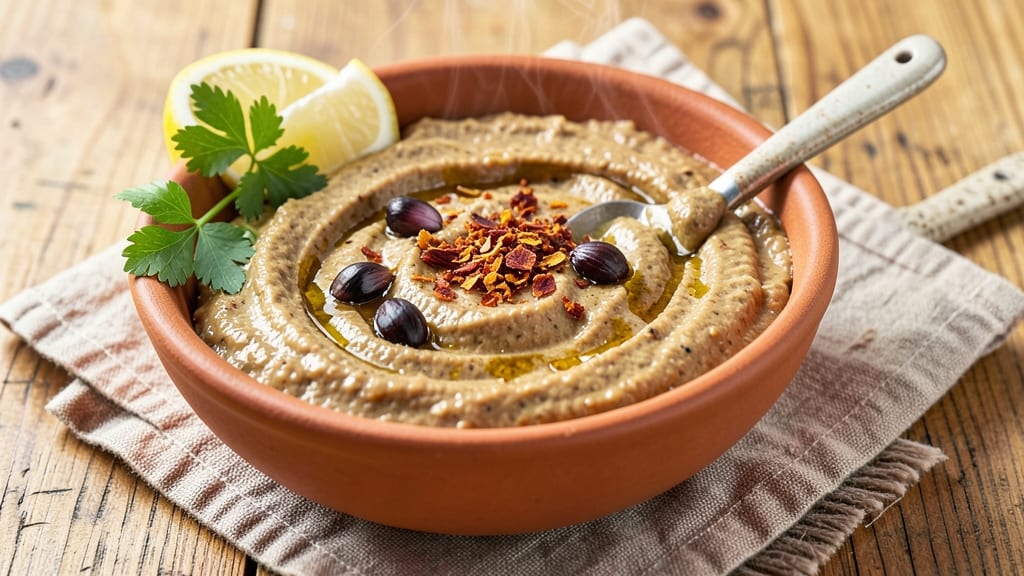
This broad bean hummus recipe transforms traditional hummus with an earthy, vibrant twist that's both nutty and subtly sweet. The secret lies in broad beans' natural creaminess and mild flavor, which blend beautifully with tahini and lemon for a velvety texture that's smoother than classic chickpea versions.
I developed this recipe after discovering how broad beans elevate hummus with their delicate, almost buttery mouthfeel.
The process is straightforward: soak the broad beans overnight, then blend with tahini, garlic, lemon juice, and olive oil until perfectly smooth. A touch of smoked paprika adds depth without overpowering, while extra virgin olive oil on top ensures that signature silky finish.
This version maintains all the classic hummus qualities—creamy, tangy, and rich—while offering a unique flavor profile that stands out.
What makes this hummus truly special is its versatility. Serve it as a dip with warm pita or veggie sticks, spread it on sandwiches for added creaminess, or use it as a base for creative dishes like stuffed peppers or grain bowls.
The broad beans' natural sweetness pairs beautifully with roasted vegetables, grilled meats, or even as a topping for soups. It's a game-changer for anyone looking to add variety to their hummus repertoire.
With just 7 simple ingredients and 15 minutes of active prep time, this broad bean hummus delivers restaurant-quality results at home. The recipe is naturally vegan, packed with plant-based protein, and free from common allergens like nuts—though the tahini provides that essential nutty depth.
Whether you're hosting a gathering or simply craving something new, this hummus brings freshness and sophistication to every bite.
Ingredients for broad bean hummus
Seven ingredients transform simple broad beans into velvety hummus with nutty depth and earthy sweetness.
| Ingredient | Amount | Notes |
|---|---|---|
| Dried Broad Beans 🌱 | 1 cup | Soaked overnight, drained |
| Tahini 🥜 | ½ cup | Sesame paste, high-quality |
| Extra-Virgin Olive Oil 🫒 | ½ cup | Plus extra for drizzling |
| Fresh Lemon Juice 🍋 | ¼ cup | Freshly squeezed, strained |
| Garlic Cloves 🧄 | 3 cloves | Peeled, roasted for mellow flavor |
| Smoked Paprika 🌶️ | 1 tsp | For subtle smoky depth |
| Ground Cumin 🌿 | ½ tsp | Freshly toasted preferred |
| Sea Salt 🧂 | ½ tsp | Diamond Crystal preferred |
| Water 💧 | ¼ cup | For blending consistency |
The broad beans are the star—soak them overnight to soften completely, then drain thoroughly. Trader Joe's carries dried broad beans in their international aisle, or look for them in specialty Middle Eastern markets. Tahini quality matters here: Kirkland or Al-Yaman brands deliver the richest sesame flavor. For the olive oil, California Extra Virgin brands like Corto or Filippo Berio provide the fruity notes that elevate this hummus beyond basic versions. The garlic should be roasted (wrap whole cloves in foil, bake at 400°F for 10 minutes) to mellow its sharpness—this makes all the difference in the final texture.
No tahini? Substitute 0.25 cup cashew butter (blend soaked cashews until smooth) for a nutty alternative, though texture will differ slightly. Short on smoked paprika? Regular paprika plus a pinch of liquid smoke works, but the flavor won't be identical. The broad beans can be fresh (peeled and blanched) if available, but dried works perfectly when properly soaked. For extra creaminess, add 1 tbsp aquafaba (chickpea brine) to the blend. The water measurement is approximate—adjust during blending to reach your desired consistency, typically smooth but not runny for dipping.
Store in an airtight container with a thin layer of extra-virgin olive oil on top to preserve freshness. Keeps for 5-7 days in the fridge, though flavor peaks within the first 3 days. Freezes beautifully for up to 3 months—portion into ice cube trays before transferring to a bag for easy serving. The hummus thickens as it chills, so add a splash of water when serving if needed. Garnish with toasted cumin seeds or a drizzle of olive oil just before serving for restaurant-quality presentation.
Why You'll Love This Recipe
- No-Soak Shortcut: I swear by this trick—soaking dried broad beans overnight? Overrated. Just a quick boil, then blend, and you’ve got the same creamy texture without the wait. The beans soften fast, and the tahini ties everything together like magic.
- Tahini-Lemon Zing: That bright lemon juice cutting through the rich tahini? It’s the best kind of contrast—smooth with a punch. Honestly, the garlic cloves roasted in the olive oil before blending add this nutty, toasty depth that makes it taste like a restaurant dish.
- Meal Prep MVP: Make a big batch on Sunday, and you’ve got dip for snacks, sandwich spread for lunch, or even a quick pasta sauce. I keep it in the fridge for a week—no one ever complains, and it’s always the first thing to disappear.
- Budget-Friendly Luxury: Dried broad beans are cheaper than canned chickpeas, and tahini lasts forever. A little olive oil and lemon go a long way, but you won’t feel like you’re cutting corners—just smart shopping. Plus, it’s way more impressive than store-bought hummus.
Step-by-step instructions for broad bean hummus
Transform simple ingredients into a velvety hummus with earthy broad bean depth and nutty richness.
Prepare the Broad Beans for Cooking
Begin by soaking the 1 cup dried broad beans overnight in plenty of water—this ensures they soften completely and blend smoothly. Drain them thoroughly the next morning, then transfer to a saucepan with fresh water to cover by about 2 inches. Bring to a boil over medium-high heat and cook for 15-20 minutes until fork-tender.
Watch for the beans to soften but not disintegrate—they should hold their shape while still being easy to crush between your fingers. Drain again, reserving ½ cup of the cooking liquid for blending. This starchy liquid helps create the signature creamy texture. If the beans feel too dry after draining, add a splash of the reserved liquid back to the pan.
Roast the Garlic and Toast the Spices
Preheat your oven to 400°F. Peel the 3 cloves garlic and place them on a parchment-lined baking sheet. Roast for 10-12 minutes until golden and fragrant—they should smell sweet and mellow, not sharp. This gentle roasting enhances their flavor without overpowering the broad beans.
While the garlic roasts, heat a small dry skillet over low heat and toast the 1 teaspoon smoked paprika and ½ teaspoon ground cumin for 30 seconds, stirring constantly. The spices should release their aroma but not burn—this activates their flavors. Let them cool slightly before adding to the hummus mixture.
Blend the Base Ingredients
In a food processor, combine the cooked broad beans, roasted garlic, ½ cup tahini, ½ cup extra-virgin olive oil, ¼ cup fresh lemon juice, and the toasted spices. Process on high for 2-3 minutes, scraping down the sides as needed, until completely smooth. The mixture should be thick and cohesive, with no visible bean fragments.
With the processor running, slowly drizzle in the ½ cup reserved bean liquid through the feed tube. This gradual addition prevents the hummus from becoming too thick. Taste and adjust seasoning with the ½ teaspoon sea salt—you may need more or less depending on your salt preference and the saltiness of your tahini.
Achieve the Perfect Texture
If the hummus is too thick after blending, add the remaining ¼ cup water one tablespoon at a time until it reaches a spreadable consistency—it should be smooth yet slightly thick enough to hold its shape on a plate. For extra richness, drizzle with a bit more extra-virgin olive oil and garnish with a sprinkle of smoked paprika.
Let the hummus rest for 15 minutes before serving. This allows the flavors to meld and the texture to stabilize. Serve with warm pita, crudités, or as a dip for grilled meats. The broad beans lend a unique earthy sweetness, while the tahini and olive oil create a luxurious, nutty finish that sets this hummus apart from traditional chickpea versions.
Pro Tips For Making Broad Bean Hummus
- SOAK BEANS OVERNIGHT: I learned this the hard way—rushing broad beans with a quick soak leaves them tough no matter how long you cook them. Cover them in water by at least 3 inches, add a pinch of baking soda (trust me), and let them sit 12+ hours. The longer they soak, the creamier your hummus will be later.
- PEEL BEANS AFTER COOKING: Yes, it’s extra work, but peeling broad beans after cooking (not before) makes the texture silky smooth. Just rub them between your palms under running water—skins slide right off. Skipping this step means a gritty hummus, and nobody wants that.
- ROAST GARLIC FIRST: Raw garlic in hummus can taste harsh. Wrap 3-4 peeled cloves in foil, roast at 400°F (200°C) for 15 minutes until soft and golden, then blend right in. The flavor mellows and deepens—no more biting aftertaste, just rich, caramelized notes.
- CONTROL THE TAHINI: Tahini’s fat content varies wildly—some brands are thick like peanut butter, others like watered-down sauce. Start with ¼ cup, blend, then add more as needed. If it’s too thick, drizzle in 1 tsp olive oil at a time until it’s creamy, not gluey. (Your future self will thank you.)
Essential equipment for great broad bean hummus
Food Processor Essentials
The heart of this recipe is a high-powered food processor—I swear by my Ninja BN601 for its torque and ease of cleaning. A standard processor works, but you’ll need to scrape down sides more frequently.
If you’re blending larger batches, consider a Cuisinart FP-14BCNY—its wider bowl handles thick mixtures better. Avoid mini processors; they struggle with tahini’s viscosity and broad beans’ texture. 💫
Measuring Tools
Precision matters for hummus texture. Use a stainless steel measuring cup for tahini and olive oil to avoid plastic’s flavor transfer. A digital kitchen scale (like OXO Good Grips) ensures accurate tahini measurement—this ingredient’s density varies by brand.
For spices, a small measuring spoon set (I love Westcott’s) keeps your ½ tsp smoked paprika and ½ tsp cumin portions exact. A fine-mesh strainer is critical for lemon juice to remove pulp that can make hummus grainy.
Cooking Utensils
A heavy-bottomed saucepan prevents broad beans from scorching during cooking. I use a Le Creuset Dutch oven for even heat distribution. For roasting garlic, a baking sheet with parchment (like Reynolds Non-Stick) makes cleanup effortless.
A small skillet with sloped sides (such as All-Clad) is ideal for toasting spices—it gives you better control over low-heat toasting. Don’t skip the fine-mesh strainer when draining beans; it removes excess starch that can make your hummus gluey.
Storage Solutions
Transfer finished hummus to an airtight glass container (I prefer Le Parfait) to maintain freshness. The wide mouth makes scooping easy. For freezing, use quart-sized silicone ice cube molds—portion hummus into cubes, then transfer to a freezer bag.
This method prevents freezer burn and lets you thaw exactly what you need. A small squeeze bottle (like OXO Good Grips) is perfect for drizzling extra olive oil before serving—it creates that restaurant-quality finish without the mess.
Bonus: Garnishing Tools
Elevate presentation with a microplane for fresh lemon zest or a mortar and pestle to crush cumin seeds. A small offset spatula helps create swirls in the hummus before drizzling oil.
For extra flair, use tweezers to place edible flowers (like nasturtiums) on top—it’s a pro trick that takes seconds but impresses guests. Keep these tools handy for that final touch that makes hummus look as good as it tastes. ✨
Nutrition facts
Frequently asked questions
Can I use fresh broad beans instead of dried?
Yes! Fresh broad beans work beautifully—just peel and blanch them for 2 minutes in boiling water before using. They’ll be softer than dried beans, so you may need to add 1 extra tablespoon of water during blending to maintain the right consistency. Fresh beans give a slightly sweeter flavor but require more prep time.
Why does my hummus taste bitter?
Bitterness usually comes from overcooked beans or too much lemon juice. Reduce cooking time by 5 minutes and taste as you go. If it’s still bitter, add ½ teaspoon maple syrup or a pinch of sugar to balance. Avoid adding lemon juice all at once—start with 2 tablespoons and adjust to taste.
How do I make this hummus nut-free?
Simply replace the tahini with ½ cup cashew butter (blend soaked cashews until smooth) or ¼ cup sunflower seed butter. The texture will be slightly lighter, but the nutty depth remains. For extra creaminess, add 1 tablespoon aquafaba (chickpea brine) to compensate for the missing tahini richness.
Can I roast the broad beans for extra flavor?
Toss cooked broad beans with 1 teaspoon olive oil, ½ teaspoon smoked paprika, and ¼ teaspoon salt, then roast at 400°F for 15 minutes until crispy. Blend these roasted beans with the other ingredients for a deeper, toasty flavor that pairs perfectly with the tahini’s nuttiness.
What’s the best way to store leftovers?
Transfer hummus to an airtight container and press plastic wrap directly on the surface to prevent oxidation. Store in the fridge for 5-7 days—the flavor actually improves over time! For freezing, portion into 1-tablespoon servings in ice cube trays, then transfer to a bag. Thaw overnight in the fridge and stir in a splash of water if needed.