
Side Dishes
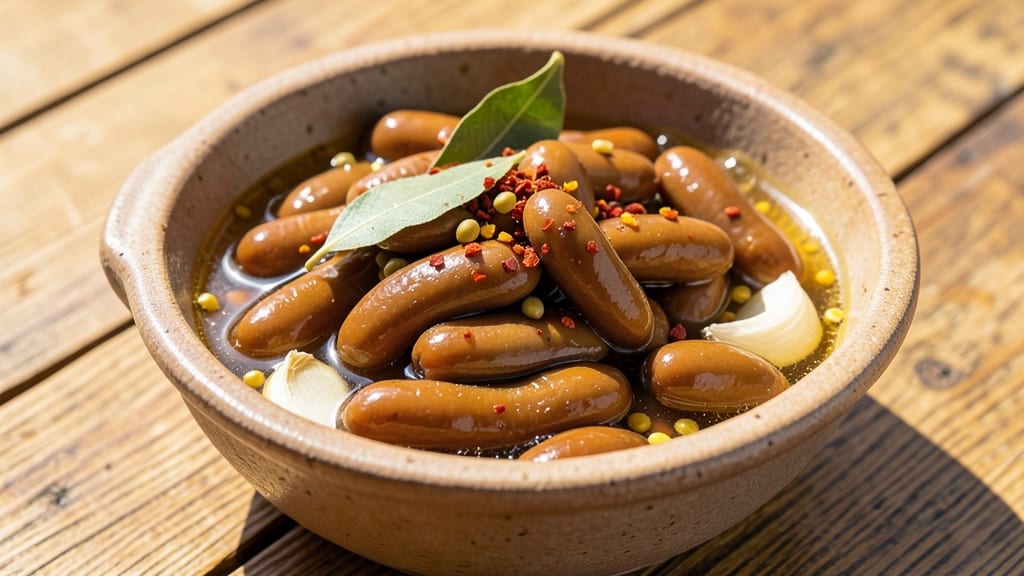
This broad bean pickle recipe transforms humble beans into a tangy, crunchy condiment that brings bold flavor to every bite. The secret lies in a carefully balanced brine of vinegar, garlic, and aromatic spices that penetrate each bean, creating a perfect harmony of acidity and texture.
I developed this recipe after discovering how fermented broad beans elevate everything from charcuterie boards to hearty stews.
The process is simpler than it sounds: blanched beans meet a warm vinegar bath infused with garlic, mustard seeds, and bay leaves. This method preserves the beans' natural crunch while infusing them with layers of flavor that develop over time.
No special equipment is needed—just a jar, patience, and a taste for vibrant, complex flavors that go beyond ordinary pickles.
What you'll end up with is a jar of golden-brown beans packed with vinegary zing and subtle heat from the spices. Each bite delivers a satisfying crunch followed by a burst of bright, tangy flavor that cuts through rich dishes beautifully.
The best part? These pickles improve with age, becoming more flavorful as they sit.
Perfect for serving alongside cured meats, grilled fish, or as a topping for salads. The recipe scales easily, so you can make a small batch for immediate use or a large jar to enjoy throughout the season.
Let's get started on creating this versatile condiment that will become a staple in your kitchen.
Ingredients for broad bean pickle
Nine simple ingredients transform ordinary beans into a tangy, crunchy condiment that steals the show.
| Ingredient | Amount | Notes |
|---|---|---|
| Dried Broad Beans 🌱 | 1 ½ cups | Soaked overnight, skins removed |
| White Vinegar 💧 | 2 cups | Distilled, 5% acidity preferred |
| Garlic Cloves 🧄 | 8 cloves | Smashed, not minced |
| Yellow Mustard Seeds 🌶️ | 1 tbsp | Whole, not ground |
| Bay Leaves 🌿 | 2 whole | Fresh if possible |
| Red Pepper Flakes 🌶️ | 1 tsp | Adjust for heat preference |
| Black Peppercorns 🌶️ | 1 tsp | Crushed lightly |
| Sea Salt 🧂 | 1 ½ tbsp | Diamond Crystal preferred |
| Granulated Sugar 🍯 | 2 tbsp | Light brown sugar for depth |
| Fresh Dill 🌿 | ¼ cup | Chopped, stems removed |
| Water 💧 | 1 cup | Filtered preferred |
The broad beans are the star here. Dried beans work best—soak them overnight in plenty of water (at least 8 hours). Trader Joe's and Whole Foods carry them in the bulk section, but any grocery store with a world foods aisle should have them. Look for plump, uniform beans with no cracks. The skins need to be removed after blanching, which takes a little patience but makes all the difference for that perfect crunch. If you're short on time, fresh broad beans work too—just blanch and peel them right away. The vinegar matters too: distilled white vinegar is the most reliable for consistent flavor, but apple cider vinegar adds a nice fruity note if you prefer something sweeter.
No mustard seeds? Dried mustard powder at half the amount works in a pinch, but the texture won't be quite the same. Fresh dill is ideal, but dried dill at one-third the amount gets you close. Short on garlic? Garlic powder at one-quarter the amount is fine, though fresh smashed cloves give that unmistakable depth. The red pepper flakes can be swapped for crushed cayenne at a quarter teaspoon if you want more heat. And if you're worried about the sugar caramelizing too much, reduce the cooking time by 5 minutes—the beans will still absorb enough flavor. The water is just to help dissolve the sugar and salt, so it's not critical if you forget it entirely.
This pickle gets better with time—at least 2 weeks before eating, but 3 months is ideal. Store in a clean, airtight jar in the fridge. The beans will keep their crunch if submerged in the brine. For serving, scoop out a spoonful of beans plus some of the tangy liquid—that's the magic. The brine alone makes a great quick pickle for other veggies too. If you make a big batch, the pickles will last up to 6 months in the fridge, though they'll lose some crunch after 3 months. Trust me, you'll want to make extra—this condiment disappears fast!
Why You'll Love This Recipe
- No-Soak Surprise: I swear by this trick—just toss the dried broad beans in boiling water for 10 minutes, and they’re ready. No overnight soaking, no fuss, just done. The vinegar does the real work here, breaking them down faster than I ever expected.
- Garlicky Kick: That first bite? Pure flavor payoff. The garlic cloves get crushed right into the jar, and the mustard seeds pop with every bite—like a little tangy punch. Honestly, I reach for this when I want something that actually tastes like it was made with intention, not just thrown together.
- Party in a Jar: This stuff lasts forever, and it’s the ultimate lazy host’s secret weapon. Serve it with crusty bread at a picnic, toss it into grain bowls for a protein boost, or let your kids (yes, even picky ones) dip fries in it. It’s the one condiment that works for everything.
- Pantry Goldmine: Dried beans and vinegar? Cheap as chips. I make a big batch and keep it in my fridge for months—perfect for when I’m low on cash or just don’t feel like shopping. Plus, the longer it sits, the deeper the flavor gets. That’s right: the older it is, the better it tastes.
Step-by-step instructions for broad bean pickle
Here's how to create this vibrant, tangy broad bean pickle that brings bold flavor to any dish.
Prepare the Broad Beans
Start by soaking the 1.5 cups dried broad beans overnight in plenty of cold water. This ensures they soften properly and makes peeling their skins much easier. Drain and rinse them thoroughly, then place them in a pot of fresh water. Bring to a boil and cook for 15-20 minutes until tender but not mushy.
Here's the thing—broad beans need their skins removed for the best texture. Once cooked, drain them and transfer to a colander. Gently rub each bean between your fingers to loosen the skin, then peel it off. You'll be left with plump, pale beans ready for pickling. If any skins remain, don't worry—they'll soften during the pickling process.
Create the Pickling Liquid
In a large saucepan, combine the 2 cups white vinegar, 1 cup water, 2 tbsp granulated sugar, 1.5 tbsp sea salt, 1 tsp red pepper flakes, 1 tsp crushed black peppercorns, 1 tbsp yellow mustard seeds, and 2 whole bay leaves. Bring to a gentle simmer over medium heat, stirring until the sugar and salt dissolve completely.
This aromatic blend is where all the magic happens. The vinegar provides the signature tang, while the sugar and salt balance the acidity. The mustard seeds add a subtle peppery kick, and the bay leaves infuse earthy depth. Let the mixture simmer for 5 minutes to allow the flavors to meld together—you'll notice the aroma becoming more complex and inviting.
Combine and Sterilize
Add the peeled broad beans to the simmering pickling liquid. Stir gently to ensure all the beans are coated evenly. Let the mixture return to a simmer, then reduce the heat to low and cook for 20-25 minutes. This gentle cooking ensures the beans absorb all those wonderful flavors without becoming mushy.
Here's a pro tip: If you notice the liquid reducing too quickly, add a splash of water to maintain the right consistency. The beans should be tender but still hold their shape. Once cooked, remove the bay leaves—they've done their job and can be discarded.
Finish with Fresh Dill
Transfer the broad beans and pickling liquid to a clean, sterilized jar. Add the 0.25 cup chopped fresh dill and the 8 smashed garlic cloves, pressing them down gently to ensure they're submerged. The dill adds a bright, herbal note that cuts through the vinegar's sharpness, while the garlic infuses subtle depth.
Seal the jar tightly and let it cool to room temperature. Once cooled, refrigerate for at least 24 hours before serving. This resting period allows the flavors to fully develop and meld together. The longer it sits, the more complex and delicious it becomes—think of it as the pickle's version of aging to perfection.
Store and Serve
The pickle will keep in the refrigerator for up to 3 months, with the flavors becoming even more intense over time. Serve it as a condiment with grilled meats, spread on crusty bread, or mix it into salads for an instant flavor boost. Each bite delivers that perfect balance of tangy, spicy, and herby notes that make this pickle truly special.
Real talk: The first time I made this, I was skeptical about the mustard seeds. Now? They're non-negotiable—they add this incredible texture contrast that makes every bite exciting. Don't skip this step, even if it seems unusual at first.
Pro Tips For Making Broad Bean Pickle
- SOAK BEANS OVERNIGHT: Dried broad beans need serious soaking—at least 8 hours, ideally overnight. I used to rush this with a quick 2-hour soak and still had rocks-hard beans that never softened, no matter how long I boiled them. Trust the process: cold water, covered, and patience.
- TOAST THE SEEDS: Lightly toast the yellow mustard seeds in a dry pan for 30 seconds until they smell nutty. This isn’t just for flavor—it prevents them from floating like tiny buoys in your vinegar. Skip this, and your pickle will taste muted instead of sharp and aromatic.
- USE A LITTLE SALT FIRST: Add a pinch of salt to the beans before they hit the boiling water—it helps break down their skins faster. I learned this the hard way after peeling 20 stubborn beans by hand. Just a teaspoon, tossed in with the cold water, makes all the difference.
- COOL BEANS BEFORE PACKING: Let the cooked beans cool completely in ice water before packing them into jars. Hot beans create a vacuum seal that traps too much moisture, making your pickle soggy instead of crisp. Ten minutes in a bowl of cold water saves you from a mushy disaster.
Troubleshooting great broad bean pickle
Beans Too Soft?
If your broad beans turn mushy during cooking, you likely overcooked them. The ideal texture should be tender but still hold its shape. To fix this, reduce the simmering time to 15 minutes instead of 20-25 minutes.
Also, ensure your pot isn't boiling vigorously—keep it at a gentle simmer. For future batches, use younger dried beans (they're firmer) or check them at 10 minutes if you're unsure. 💡
Brine Too Weak?
A weak brine happens when the vinegar-to-water ratio isn't balanced or the salt/sugar isn't fully dissolved. For a stronger flavor, increase the vinegar to 2.5 cups and reduce water to ½ cup. Stir constantly while simmering to ensure sugar and salt dissolve completely.
If the brine tastes bland after pickling, add 1 extra tbsp of salt and 1 tbsp of vinegar to the jar before sealing. Let it sit for 24 hours to rebalance the flavors.
Skins Not Removing?
Stubborn skins? Soak the beans in hot water (not cold) for 1 hour before cooking to loosen them. After blanching, rub the beans gently with a paper towel while they're still warm—the skins slide off more easily.
If some skins remain, don't stress: they'll soften during pickling. For extra help, freeze the blanched beans for 10 minutes before peeling—the cold shock makes the skins easier to remove. 🌱
Mold or Cloudiness?
Cloudy brine or mold means contamination—usually from improper sterilization or storage. Always sterilize your jar by boiling it for 10 minutes or running it through a 200°F dishwasher cycle. Use sterilized utensils and ensure the jar seals tightly.
If mold appears, discard the batch immediately. To prevent this, store pickles in a cool, dark place (like the fridge) and check for leaks or loose lids every 2 weeks.
Not Tangy Enough?
If your pickle lacks tang, the vinegar wasn't strong enough or didn't infuse properly. Next time, use white vinegar with 6% acidity (like Heinz Distilled White Vinegar) and simmer the brine for 10 minutes before adding the beans.
For an instant boost, add 1 tbsp of lemon juice to the jar before sealing. Let it sit for 48 hours to let the flavors meld—patience is key here! 🍋
Mustard Seeds Sinking?
Mustard seeds sinking to the bottom is normal, but you can keep them suspended for better texture. Tie them in a cheesecloth pouch before adding to the jar, or layer them between bean layers. If they're already at the bottom, stir the jar gently before serving to distribute them.
Pro tip: Use larger mustard seeds (like those from Penzeys Spices)—they stay afloat longer and add a satisfying crunch. 🌶️
Nutrition facts
Frequently asked questions
Can I use fresh broad beans instead of dried?
Yes! Fresh broad beans work perfectly—just blanch them for 5 minutes in boiling water first, then peel the skins immediately while they're still warm. The key is removing the skins before pickling to maintain that satisfying crunch. Fresh beans will cook faster, so reduce the simmering time to 15 minutes instead of 20-25 minutes.
How long should I wait before eating the pickles?
The flavors develop over time, so wait at least 2 weeks for the best taste. After 3 months in the fridge, the pickles reach peak flavor—think deeper tang and more complex spice notes. The longer they sit, the better they get, but they'll stay good for up to 6 months if properly stored.
What can I do with leftover brine?
Don't waste it! The leftover brine makes an excellent quick pickle for other veggies like radishes, carrots, or cucumbers. Just pour it into a jar, add fresh veggies, and let them sit for 24 hours before enjoying. The flavor is milder but still packed with that tangy, garlicky goodness.
Can I make this recipe without mustard seeds?
If you're avoiding mustard seeds, swap them for ½ teaspoon of ground mustard or 1 teaspoon of coriander seeds. Both add a similar earthy depth without the same texture. For extra crunch, add 1 tablespoon of toasted cumin seeds instead—they complement the other spices beautifully.
Why do my pickles turn cloudy?
Cloudiness usually means the brine wasn't hot enough when poured over the beans or the jar wasn't properly sterilized. Always heat the brine to 180°F before adding beans, and sterilize your jar by boiling it for 10 minutes or running it through a 200°F dishwasher cycle. This prevents bacteria growth and keeps your pickles crystal clear.