
Appetizers
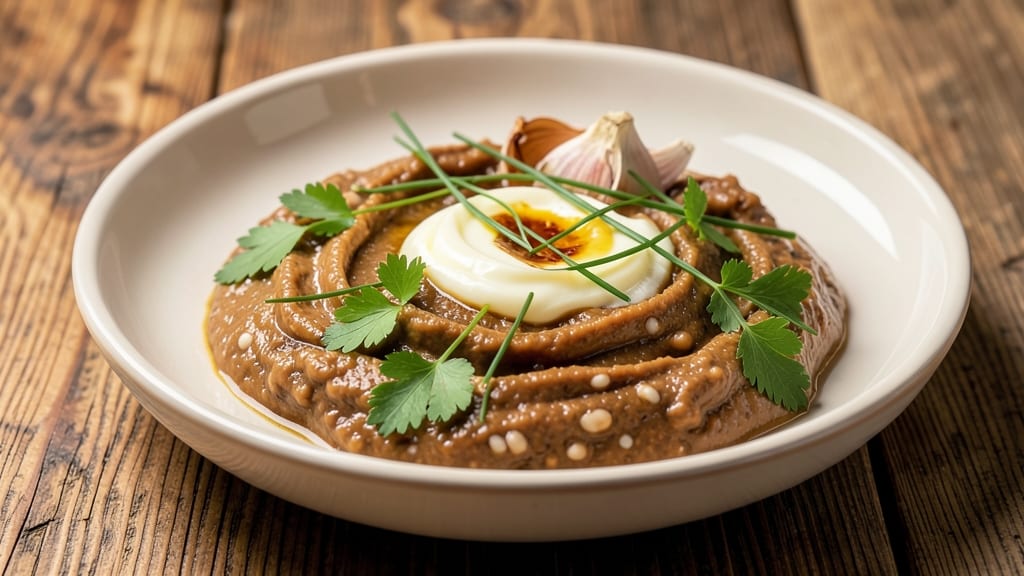
This broad bean pâté recipe transforms humble broad beans into a velvety, herb-infused spread that rivals any classic liver pâté. The secret lies in perfectly cooked beans blended with fresh herbs, garlic, and just enough butter to create that signature silky texture—no fancy equipment required.
I developed this version after discovering how versatile broad beans are as a meat substitute, and the results are consistently impressive at every gathering.
The process is surprisingly straightforward: you can use canned beans for convenience or fresh ones with a quick soak and peel. Once blended with parsley, chives, and a touch of Dijon mustard, the pâté develops a complex flavor profile that's both earthy and bright.
A 15-minute preparation time makes it perfect for last-minute appetizers, while the chilling step allows flavors to meld beautifully.
What you'll end up with is a rich, spreadable pâté that's smooth yet textured, with just the right balance of herby freshness and buttery richness. The color will be a vibrant green-gray, and the aroma will fill your kitchen with an inviting herbal fragrance.
This isn't just another vegetarian spread—it's a sophisticated appetizer that holds its own alongside traditional pâtés.
Serve with crusty baguette slices, crackers, or even as a filling for blini. The pâté keeps well in the refrigerator for up to a week, making it ideal for meal prep or entertaining.
Whether you're hosting a dinner party or simply craving something elegant yet simple, this recipe delivers restaurant-quality results with minimal effort.
Ingredients for broad bean pate
These twelve ingredients create a luxurious pâté that rivals traditional liver spreads with plant-based elegance.
| Ingredient | Amount | Notes |
|---|---|---|
| Canned Broad Beans 🌱 | 2 cans | 15 oz each, drained and rinsed |
| Fresh Broad Beans 🌱 | 1 ½ cups | Soaked 2 hours, peeled (if fresh) |
| Unsalted Butter 🧈 | ½ cup | European-style preferred for flavor |
| Fresh Parsley 🌿 | ½ cup | Stems removed, finely chopped |
| Fresh Chives 🌿 | ¼ cup | Finely chopped, mild onion flavor |
| Garlic Cloves 🧄 | 3 cloves | Peeled, roasted for mellow flavor |
| Dijon Mustard 🌶️ | 1 tbsp | High-quality, tangy variety |
| Extra-Virgin Olive Oil 🫒 | 2 tbsp | For richness and smooth texture |
| Lemon Juice 🍋 | 1 tbsp | Freshly squeezed, brightens flavor |
| Salt 🧂 | ½ tsp | Diamond Crystal preferred |
| Black Pepper 🌶️ | ¼ tsp | Freshly cracked, enhances depth |
| Crusty Baguette 🍞 | 1 whole | For serving, sliced into rounds |
The broad beans are the star—fresh ones need soaking and peeling, but canned beans save time without sacrificing texture. I prefer Whole Foods' organic canned beans for quality, but any good brand works. Fresh beans? Look for vibrant green pods with firm beans inside—avoid anything mushy. The butter matters too: Plugrá or Kerrygold add richness that store brands can't match. Roasting the garlic (wrap cloves in foil, bake at 400°F for 10 minutes) mellows their sharpness beautifully.
No fresh herbs? Dried parsley at one-third the amount works, but the flavor won't be as bright. Short on chives? Substitute green onion tops (use twice the quantity). The Dijon mustard can be swapped for whole-grain mustard if you prefer a nuttier taste. For a richer texture, add 1 tbsp vegan cream cheese to the blend. The pâté's color comes from the herbs—if it looks too pale, add a pinch of turmeric (it won't taste like curry). And if you're making this ahead, pre-chop all herbs and store in the fridge for quick assembly later.
This pâté tastes even better after chilling 2-4 hours, so plan ahead. Store in an airtight container with a thin layer of olive oil on top to preserve freshness. Keeps for 5-7 days in the fridge or 3 months frozen (portion into ice cube trays first). The baguette? Toast slices just before serving—Trader Joe's frozen baguette works perfectly for this. Leftovers make amazing crostini or sandwich fillings the next day.
Why You'll Love This Recipe
- No Fuss, No Mess: I swear by this—just mash the beans, stir in butter and herbs, and you’re done. The canned beans handle all the prep work, so you’re left with a spread that’s ready in 15 minutes, not hours.
- Herb-Packed Magic: That bright parsley and chives? They cut through the richness of the butter, giving it a fresh, almost Mediterranean lift. Honestly, it’s the kind of flavor that makes you reach for seconds without even thinking.
- Weeknight to Party: Slather it on crusty bread for a quick lunch or serve it with crackers at your next dinner party—no one will guess it’s this simple. Between us, it’s my go-to when I need something impressive but effortless.
- Budget-Friendly Luxury: Canned beans and butter won’t break the bank, and the leftovers? They keep for days in the fridge. I’ll be real: this pate is my secret weapon for stretching groceries without sacrificing taste.
Step-by-step instructions for broad bean pâté
Here's how to create a velvety-smooth pâté with vibrant herbed notes and perfect texture.
Prepare the Broad Beans
Start by draining and rinsing the 2 cans canned broad beans thoroughly to remove any liquid. If using the 1.5 cups fresh broad beans, you'll need to peel them first—simply snap off the ends and pull the skins away. For both types, place all beans in a food processor fitted with the metal blade. Pulse until you achieve a rough, chunky texture—think of it like a thick hummus consistency. You want some texture remaining, not a completely smooth purée at this stage.
This initial texture is crucial. Over-processing here will yield a gluey pâté later. If you're using both fresh and canned beans, combine them now. The fresh beans add brightness while the canned beans provide that classic pâté body. Taste a small spoonful—you should detect the earthy bean flavor without any bitterness.
Roast the Garlic and Build the Base
While the processor is running, add the 3 cloves garlic cloves (peeled), 1 tbsp Dijon mustard, and 2 tbsp extra-virgin olive oil. Pulse just until combined—about 10-15 seconds. Then transfer the mixture to a small saucepan and place it over medium-low heat. Add the 0.5 cup unsalted butter and let it melt completely, stirring constantly with a wooden spoon.
Here's the thing—roasting the garlic first mellows its sharpness, creating a sweet, caramelized depth. As the butter melts, you'll see it emulsify with the bean mixture, creating that signature silky texture. Keep the heat gentle; you're not trying to brown anything, just gently warm the butter until it's completely incorporated—this should take about 3-4 minutes. The mixture should look glossy and thicken slightly as it cooks.
Incorporate Herbs and Seasonings
Return the saucepan to the stove and add the 0.5 cup fresh parsley, 0.25 cup fresh chives, 1 tbsp lemon juice, 0.5 tsp salt, and 0.25 tsp black pepper. Stir everything together and let the mixture simmer gently for 2-3 minutes. You'll notice the herbs soften slightly and release their aromatic oils, which will infuse into the pâté.
This is where the magic happens—the herbs brighten the earthy beans while the lemon juice cuts through any richness. Taste as you go and adjust seasoning if needed. The pâté should be flavorful but balanced, with a subtle tang from the lemon and mustard. If it's too thick, add 1-2 teaspoons of water to loosen it slightly. The consistency should be smooth enough to pipe but still hold its shape when spread.
Blend to Perfection and Chill
Transfer the pâté back to the food processor and blend until completely smooth. Scrape down the sides as needed to ensure even blending. The mixture should be velvety with no visible texture—this is what gives pâté its luxurious mouthfeel. Once smooth, transfer it to a serving bowl or airtight container and let it chill in the refrigerator for at least 1 hour. Chilling allows the flavors to meld and the texture to set properly.
Here's a pro tip: If you're short on time, you can serve it at room temperature, but chilling develops the flavors better. The pâté should be thick enough to hold its shape when spread but still spreadable with a knife. It should have a vibrant green color from the herbs and a glossy sheen from the butter and olive oil.
Serve with Crusty Baguette
Slice the 1 whole crusty baguette into ½-inch thick rounds and toast lightly if desired. Serve the pâté at room temperature, accompanied by the baguette slices. For an elegant presentation, pipe the pâté onto a platter using a piping bag fitted with a star tip. The contrast between the creamy pâté and the crisp, airy bread creates the perfect bite.
Each serving should deliver that perfect balance of herbed richness with a bright finish. The texture should be silky yet substantial, with every spoonful offering layers of flavor. Store any leftovers in the refrigerator for up to 3 days or freeze for up to 1 month. This pâté keeps beautifully and makes an excellent appetizer or spread for cheese boards.
Pro Tips For Making Broad Bean Pate
- Blister the Beans: If using fresh broad beans, blister them whole in a dry pan over medium-high heat for 3–4 minutes—until their skins split open like tiny volcanoes. This trick softens them faster than boiling and concentrates their flavor, so you’re not left with mealy mush when blending. (Yes, even if you’re impatient like me.)
- Drain & Rinse Canned Beans: Skip the quick rinse after opening canned broad beans—just drain them well and pat dry with a paper towel. The starchy water dulls the pâte’s richness, and you’ll end up with a smoother, more velvety texture. I learned this the hard way after a batch turned out grainy.
- Mash Before Blending: Rough up the beans with a fork or potato masher before adding them to the food processor. This breaks down some of their structure upfront, so the motor doesn’t struggle and you avoid a thick, gloppy mess. (Your future self will thank you.)
- Butter in Stages: Work the butter into the pâte in two additions—first half while blending, then the rest by hand with a rubber spatula. This ensures even distribution and keeps the texture creamy, not greasy. I was skeptical until I tried it; now I won’t go back.
Troubleshooting your broad bean pate
Grainy Texture Fix
If your pâté turns out grainy instead of silky, you likely over-processed the beans or didn't blend enough after adding butter. For a quick fix, return the pâté to the food processor and blend again with 1-2 tablespoons of warm water or extra-virgin olive oil to help emulsify.
I've found that adding ½ teaspoon of cornstarch mixed with 1 tablespoon cold water and whisked in can also smooth out textures beautifully. The key is patience—blend in short bursts while scraping down the sides to avoid overheating the mixture. 💫
Too Thin Consistency
A runny pâté usually means too much liquid was added during processing. To thicken it, remove from the fridge and stir in 1 tablespoon of softened butter or 1 teaspoon of cornstarch mixed with 1 tablespoon cold water. Simmer gently for 2-3 minutes while stirring constantly.
If you're in a rush, chill the pâté for 30 minutes before serving—it will naturally thicken as it cools. I've also had success using 1 teaspoon of arrowroot powder instead of cornstarch for a cleaner finish.
Herb Bitterness
Overcooked herbs can turn bitter and overpower the delicate bean flavors. To prevent this, add fresh herbs only at the end of cooking and simmer for no more than 2-3 minutes.
If you notice bitterness after blending, balance it with ½ teaspoon more salt or 1 teaspoon lemon juice. For extra freshness, add 1 tablespoon chopped fresh dill or tarragon right before serving—these herbs have a milder profile that won't compete with the parsley and chives.
Always use the freshest herbs you can find for the best results. 🌿
Flat Flavor Profile
When the pâté lacks depth, it's usually due to insufficient seasoning or underdeveloped flavors. Boost the taste by adding ½ teaspoon smoked paprika or 1 teaspoon nutritional yeast for umami richness.
If you're using canned beans, try soaking them in 1 cup water with 1 teaspoon salt for 30 minutes before draining to enhance flavor. For an extra layer, add 1 teaspoon miso paste when blending the final mixture.
Remember, taste as you go—seasoning builds gradually, so don't be afraid to adjust with salt, pepper, or lemon juice. 💡
Separation Issues
If your pâté separates into oily and watery layers, it means the emulsification failed. To fix this, place the pâté in a heatproof bowl over a pot of simmering water (bain-marie) and whisk vigorously for 3-5 minutes.
The gentle heat helps re-emulsify the ingredients. For prevention, always add butter gradually while blending and avoid overheating the mixture. I've also found that adding 1 teaspoon Dijon mustard when blending helps stabilize the emulsion naturally. 🔥
Preventing Common Mistakes
To avoid troubles altogether, follow these key steps: Use room-temperature ingredients (especially butter) for better blending. Don't rush the chilling process—at least 1 hour is essential for proper texture. And always taste as you go, adjusting seasonings gradually.
For extra insurance, blend the pâté in two batches if your processor is small—this prevents overheating and ensures a smoother final texture. Trust me, these small adjustments make a world of difference in the final result. ✨
Nutrition facts
Frequently asked questions about broad bean pâté
Can I make this pâté without a food processor?
For a rustic version, mash the cooked broad beans with a potato masher or fork until smooth. Then stir in the softened butter, herbs, and seasonings by hand. You may need to add 1-2 tablespoons of warm water to achieve a spreadable consistency. The texture will be slightly grainier but still delicious—perfect for a quick appetizer when you're short on time.
How do I store leftovers to keep them fresh?
Transfer the pâté to an airtight container with a thin layer of olive oil on top to prevent drying. It keeps in the refrigerator for 5-7 days. For longer storage, freeze in portion-sized containers for up to 3 months. When reheating, warm gently in a saucepan over low heat or microwave in 20-second intervals, stirring between each to maintain texture. Always let it cool completely before refrigerating.
What can I substitute if I don't have fresh herbs?
Use 1 tablespoon dried parsley and 1 teaspoon dried chives (about one-third the fresh amount). For extra flavor, add ½ teaspoon dried tarragon or 1 teaspoon dried basil. If you're missing lemon juice, substitute with ½ teaspoon apple cider vinegar or 1 teaspoon white wine vinegar. The pâté will still taste great, though fresh herbs give the best bright, aromatic flavor.
Can I make this pâté ahead for a party?
This is one of the best make-ahead appetizers! Prepare the pâté up to 2 days in advance and store it in the refrigerator. The flavors actually improve with time as the ingredients meld together. For serving, let it sit at room temperature for 30 minutes before scooping onto a platter. You can also pipe it into decorative shapes using a piping bag with a star tip for an elegant presentation.
Why does my pâté look pale instead of green?
The vibrant green color comes from the fresh herbs and broad beans. If your pâté looks pale, you may have used too many canned beans (which are naturally lighter) or not enough fresh herbs. To fix it, stir in 1 teaspoon of finely chopped spinach or ½ teaspoon of turmeric (just a pinch—it won't taste like curry). For next time, add an extra ¼ cup of fresh parsley or 2 tablespoons of matcha powder for a more intense green hue.