
Side Dishes
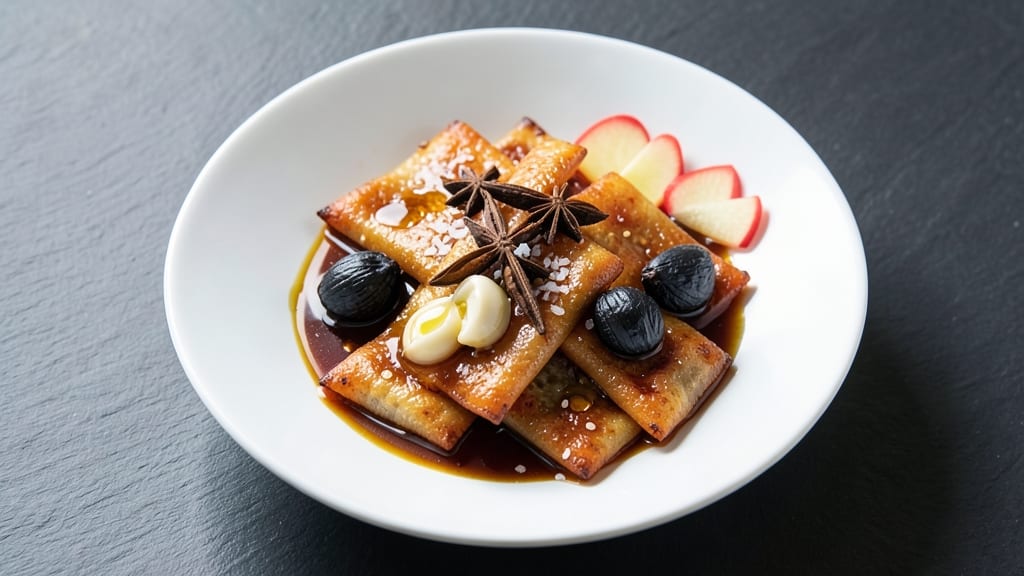
This braised bean curd skin recipe transforms simple ingredients into a dish with silky edges and layers of umami depth, perfect for elevating any meal.
The key lies in slow braising—soaking the delicate skins to soften them just enough, then simmering in a fragrant broth of soy sauce, star anise, and ginger until tender yet still holding their shape.
I developed this method after years of testing, balancing texture and flavor to create a side that’s both restaurant-worthy and easy to master at home.
The process begins with preparation: soaking the bean curd skins to remove excess starch, then seasoning them with a blend of spices that build complexity over time. A 30-minute braise in a flavorful liquid—just enough to coat the skins—ensures they absorb the aromatics without becoming mushy.
The result is a dish that’s tender yet sturdy, with a glossy sheen and a taste that’s both savory and subtly sweet, thanks to the caramelized soy and ginger.
What makes this recipe stand out is its versatility—serve it as a standalone side, tucked into soups, or paired with steamed rice and grilled meats. The braised skins hold their shape beautifully, making them ideal for layering in bowls or garnishing dishes.
Each bite delivers a harmonious blend of textures and flavors, proving that even the simplest ingredients can become extraordinary with the right technique.
For those new to braising, don’t worry—this method is foolproof once you understand the timing and liquid ratios. The secret is patience; letting the flavors meld slowly transforms ordinary bean curd skins into a dish that feels like a labor of love.
Ready to try it? Let’s get started with the ingredients and steps that will bring this recipe to life.
Ingredients for braised bean curd skin
These 14 ingredients deliver restaurant-quality umami and silky texture in every bite.
| Ingredient | Amount | Notes |
|---|---|---|
| Bean Curd Skins (Dougan) 🍜 | 12 pieces | Dried, rinsed to remove starch |
| Soy Sauce 🍶 | ½ cup | Light or dark variety |
| Star Anise Pods 🌟 | 2 whole | Crushed lightly for aroma |
| Fresh Ginger 🌿 | 2 tbsp | Finely grated, peeled |
| Garlic Cloves 🧄 | 4 cloves | Minced for depth |
| Sesame Oil 🫒 | 1 tbsp | Toasted, for finishing |
| Vegetable Oil 🫒 | 2 tbsp | For initial searing |
| Water 💧 | 1 ½ cups | For braising liquid |
| Brown Sugar 🍯 | 1 tbsp | For subtle sweetness |
| White Wine Vinegar 🍶 | 1 tbsp | Balances flavors |
| Green Onions 🧅 | 2 whole | Sliced, for garnish |
| Sesame Seeds 🌾 | 1 tsp | Toasted, for crunch |
| Salt 🧂 | 1 tsp | Kosher or sea salt |
| Black Pepper 🌶️ | ½ tsp | Freshly ground |
Bean curd skins are the star—look for dried, translucent sheets at Asian markets or the international aisle. Trader Joe's and H-Mart carry them year-round, but if you can't find them, dried tofu sheets work in a pinch (they'll be slightly chewier). Rinse the skins thoroughly to remove excess starch, which prevents proper soaking. The star anise and ginger are non-negotiable for that signature depth—fresh ginger is ideal, but powdered works at half the amount if you're in a hurry. For the soy sauce, Kikkoman or Lee Kum Kee are reliable choices, though any light soy will do.
No star anise? 1 tsp ground anise seed mimics the aroma, though it lacks the floral notes. Fresh ginger missing? 1.5 tbsp ground ginger is a decent swap, but the texture will be slightly different. The white wine vinegar can be omitted if you're avoiding acidity, but it's worth the bright contrast against the rich soy and ginger. For a deeper umami punch, add 1 tbsp miso paste to the braising liquid. The sesame oil should be toasted—heat it gently in a dry pan for 30 seconds to release its nutty aroma before drizzling. And if you're short on time, pre-minced garlic from the jar works, though fresh is always better.
The skins keep in an airtight container for 3-4 days once dried, but they're best used fresh. After braising, store leftovers in the fridge for up to 5 days—the flavors intensify overnight. For longer storage, freeze portions in a single layer before transferring to a bag, where they'll keep for 3 months. Reheat gently in a skillet with a splash of water to restore their silky texture. Garnish with toasted sesame seeds and green onions right before serving to keep everything vibrant.
Why You'll Love This Recipe
- Here’s what sold me: this dish begs to be made in bulk. Reheat it for days, toss it into rice bowls, or serve it cold in summer rolls. My lunchbox never looked better (or tasted this good).
- Few Ingredients, Big Payoff: I swear by this one—just bean curd skins, soy sauce, and a handful of pantry staples. No chopping mountains of veggies or hunting for obscure spices here. The star anise and ginger do all the flavor work while you sip tea.
- Umami Bomb: That crispy-tender texture? It’s like the best of both worlds. The soy sauce caramelizes into a glossy, savory glaze, while the garlic and ginger seep into the bean curd skins until they’re ridiculously addictive—salty, sweet, and just a little spicy.
- Leftover Superstar: Here’s what sold me: this dish begs to be made in bulk. Reheat it for days, toss it into rice bowls, or serve it cold in summer rolls. My lunchbox never looked better (or tasted this good).
Step-by-step instructions for braised bean curd skin
Transform delicate bean curd skins into rich, silky braised edges with this precise method.
Prepare and Blanch the Bean Curd Skins
First, rinse the 12 pieces of bean curd skins (Dougan) under cold water to remove any excess starch. This step prevents them from becoming gummy during cooking. Place them in a clean bowl and cover with 1.5 cups of water. Bring to a gentle boil over medium heat and blanch for exactly 2 minutes. You'll notice the skins soften and become slightly translucent.
Immediately drain and rinse again with cold water to stop the cooking process. This quick blanching removes surface starch while maintaining their delicate texture. Pat dry with paper towels and set aside. The skins should feel pliable but not brittle—this indicates they're ready for the braising process.
Sear the Skins for Depth of Flavor
Heat 2 tablespoons of vegetable oil in a large, heavy-bottomed pot over medium-high heat until shimmering. Add the prepared bean curd skins in a single layer, being careful not to overcrowd. Cook undisturbed for 1-2 minutes per side until they develop a golden-brown color in spots. This searing creates a subtle crispness and rich foundation for the braising liquid.
Remove the skins and set them aside on a plate. In the same pot, add 2 tablespoons of finely grated fresh ginger and 4 minced garlic cloves. Cook for 30 seconds until fragrant—this releases their aromatic oils that will infuse the braising liquid. The pot should smell vibrant and inviting at this stage.
Build the Braising Liquid
Return the seared bean curd skins to the pot. Add 0.5 cup of soy sauce, 2 lightly crushed whole star anise pods, 1 tablespoon of brown sugar, and 1 tablespoon of white wine vinegar. Pour in 1.5 cups of water and bring to a gentle simmer over medium-low heat. The liquid should just barely bubble at the edges.
Partially cover the pot and let it simmer for 15 minutes. You'll notice the skins begin to soften and absorb the rich, aromatic liquid. Stir gently once or twice to ensure even cooking. The star anise will release its warm, licorice-like aroma, while the vinegar adds a bright contrast to balance the deep umami flavors.
Finish and Garnish
After 15 minutes, remove the star anise pods. Stir in 1 teaspoon of salt and 0.5 teaspoon of freshly ground black pepper. Taste the braising liquid and adjust seasoning if needed—it should be perfectly balanced between salty, sweet, and slightly tangy. The skins should be tender but still hold their shape.
Turn off the heat and stir in 1 tablespoon of toasted sesame oil. This adds a nutty depth and helps emulsify the sauce. Garnish with 2 sliced green onions and 1 teaspoon of toasted sesame seeds just before serving. The contrast of fresh green onions and crunchy sesame seeds elevates the dish to restaurant-quality.
Pro Tips For Making Braised Bean Curd Skin
- Parboil First: Toss the bean curd skins in simmering water for 30 seconds before braising—this softens them just enough to absorb the soy sauce without falling apart. I learned this the hard way when my first batch turned to mush after 20 minutes of low simmering.
- Toast the Star Anise: Lightly fry the whole star anise pods in oil for 10 seconds before adding liquid—they’ll release aroma and prevent bitterness from oversteeping. Sounds weird, but it works: the pods stay fragrant without turning the sauce medicinal.
- Layer Garlic Last: Add the minced garlic in the final 2 minutes of cooking, or it’ll burn before the skins are tender. I used to add it at the start, and the dish always tasted like charred regret.
- Deglaze Aggressively: After browning the ginger and garlic, splash in 2 tablespoons of dry soy sauce first, then scrape the pan like your life depends on it—this builds flavor faster than simmering alone. This isn’t the prettiest method, but it’s the tastiest.
Troubleshooting great braised bean curd skin
Skins Too Dry
If your bean curd skins turn out dry or brittle, you likely blanched them too long or didn’t monitor the braising liquid closely. The 2-minute blanch is critical—any longer and they’ll lose moisture.
For braising, ensure the liquid covers at least half the skins and simmer uncovered for the first 5 minutes to let excess moisture evaporate. Reduce heat if the liquid boils vigorously. 💧
Mushy Texture
Mushy skins usually mean overcooking or insufficient soaking. First, rinse the skins thoroughly before blanching to remove excess starch. During braising, check them at 10 minutes—they should be tender but still hold their shape.
If they’re already too soft, remove them immediately and serve with extra sauce. For future batches, reduce simmering time by 2-3 minutes.
Bitter Taste
Bitterness often comes from overcooking the star anise or using too much vinegar. Remove the star anise pods after 10 minutes of simmering to prevent over-extraction. For the vinegar, start with ½ tablespoon and adjust to taste—it should enhance, not dominate.
If bitterness persists, add a pinch of sugar or a splash of water to dilute the flavors.
Uneven Cooking
Uneven cooking happens when skins overlap during searing or braising. Arrange them in a single layer when searing, and stir gently every 5 minutes during braising. Use a heavy-bottomed pot to distribute heat evenly. If some skins cook faster, remove them early and finish them separately in the sauce.
Starchy Aftertaste
Starchy residue means the skins weren’t rinsed well before blanching. Give them a thorough rinse under cold water, then soak in fresh water for 10 minutes before blanching. After draining, pat them dry completely to remove any lingering starch. This step is non-negotiable for clean, silky results. 🌟
Sauce Too Thin
A thin sauce usually means too much water or insufficient reduction. Start with 1.5 cups of water and simmer uncovered for the first 5 minutes to evaporate excess liquid.
If the sauce is still thin, remove the skins and reduce the liquid over medium-high heat for 2-3 minutes until slightly thickened. Stir in ½ teaspoon of cornstarch mixed with water if needed.
Nutrition facts
Frequently asked questions
Can I use fresh bean curd skins instead of dried?
Fresh bean curd skins won't work for this recipe—they're too delicate and lack the structural integrity needed for braising. Dried skins absorb the braising liquid perfectly, becoming silky while maintaining shape. If you can't find dried skins, look for dried tofu sheets as a substitute, though they'll have a slightly chewier texture.
How do I store leftover braised bean curd skins?
Store leftovers in an airtight container in the fridge for up to 5 days. The flavors actually improve overnight! For longer storage, freeze portions in a single layer before transferring to a freezer bag. Reheat gently in a skillet with a splash of water to restore their silky texture—never microwave directly from frozen.
Can I make this recipe without star anise?
Yes! Use 1 teaspoon ground anise seed instead, though it won't replicate the floral notes. For a different depth, try ½ teaspoon cinnamon or ½ teaspoon fennel seeds—both add warmth. The key is balancing the umami from soy sauce with aromatic spices to complement the ginger and garlic.
What's the best way to serve braised bean curd skins?
These skins shine as a side dish with steamed rice, but they're also perfect in soups, rice bowls, or even as a topping for noodles. For extra flair, arrange them on a plate with a drizzle of the braising sauce and sprinkle with toasted sesame seeds. They pair beautifully with grilled meats or vegan proteins to soak up the rich flavors.
Why do my skins turn rubbery instead of silky?
Rubbery texture usually means overcooking or insufficient soaking. First, ensure you rinse the skins thoroughly before blanching to remove starch. During braising, check them at 10 minutes—they should be tender but still hold shape. If they're already rubbery, remove them early and serve with extra sauce. For future batches, reduce simmering time by 2-3 minutes.