
Soups & Stews
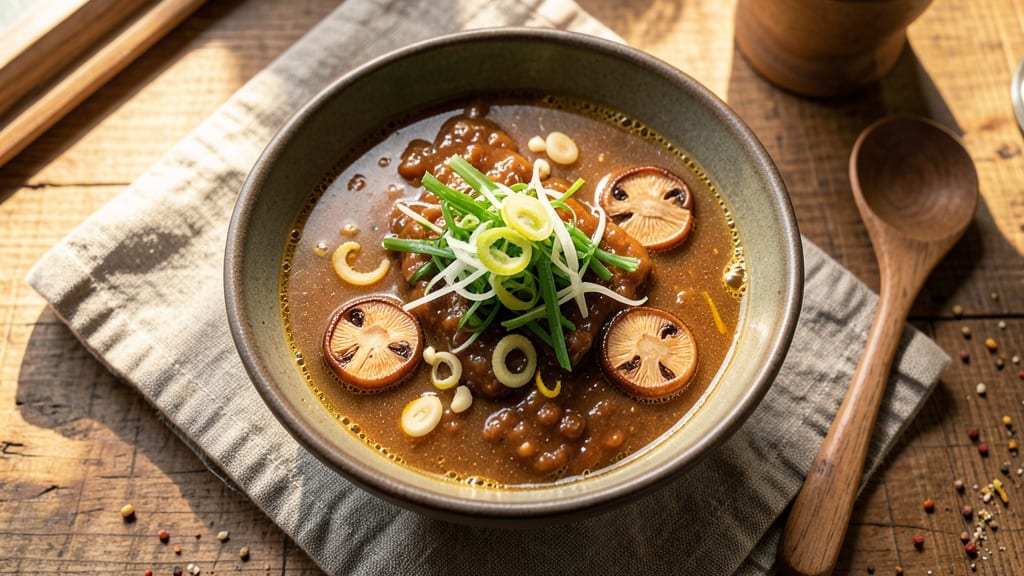
This bean paste soup recipe delivers a deep, umami-rich broth with velvety bean swirls that transform simple ingredients into a restaurant-worthy meal. The secret lies in fermented bean paste—whether miso, doubanjiang, or gochujang—simmered with aromatic vegetables and protein to create layers of savory complexity.
I've perfected this version to balance earthy bean notes with bright, fresh flavors, making it both comforting and sophisticated.
The beauty of this soup is its versatility—it works as a light lunch or hearty dinner, depending on your protein choice. Tofu adds plant-based richness, while shrimp or chicken brings depth for meat lovers.
The bean paste forms silky swirls when stirred, creating a visual and textural highlight that makes every spoonful satisfying. Simmering low and slow ensures the broth develops maximum flavor without bitterness.
What sets this recipe apart is the harmony of textures: tender vegetables, silky bean swirls, and chewy noodles or rice create a perfect bite. The aroma alone—warm, fermented, with hints of garlic and ginger—will have your kitchen feeling like a bustling East Asian eatery.
This is the kind of soup that tastes even better the next day as flavors meld.
Whether you're exploring Japanese miso soup, Chinese fermented bean paste dishes, or Korean-inspired versions, this recipe adapts beautifully. The technique is simple but yields restaurant-quality results with minimal effort. Let's get cooking—your taste buds will thank you.
Ingredients for bean paste soup
Fermented bean paste and aromatic vegetables create this restaurant-worthy umami broth with silky swirls.
| Ingredient | Amount | Notes |
|---|---|---|
| Fermented Bean Paste 🥫 | 2 tbsp | Miso, doubanjiang, or gochujang preferred |
| Dashi Broth 🍲 | 4 cups | Homemade or quality store-bought |
| Fresh Shiitake Mushrooms 🍄 | 8 whole | Stems removed, sliced thin |
| Garlic Cloves 🧄 | 4 cloves | Minced for aromatic depth |
| Fresh Ginger 🌿 | 1 tbsp | Grated, peeled, for zing |
| Green Onions 🧅 | 2 whole | White and green parts separated |
| Tofu 🧀 | 1 lb | Silken or firm, cubed |
| White Rice 🍚 | 1 cup | Uncooked, short-grain preferred |
| Carrots 🥕 | 2 medium | Julienned or thinly sliced |
| Sesame Oil 🫒 | 1 tsp | Toasted, for finishing |
| Soy Sauce 🥫 | 1 tbsp | For umami balance |
| Rice Vinegar 🍶 | 1 tbsp | For brightness |
| Salt 🧂 | 1 tsp | Kosher or sea salt |
| Black Pepper 🌶️ | ½ tsp | Freshly ground |
The fermented bean paste is the soul of this soup—miso for Japanese depth, doubanjiang for Chinese funk, or gochujang for Korean heat. Grab 365 brand miso or Lee Kum Kee doubanjiang for reliable quality. Fresh shiitake mushrooms add earthy richness, so don't skip them. If you can't find silken tofu, firm tofu pressed for 20 minutes works too. The garlic and ginger? Freshly grated or minced—no powdered shortcuts here. For the dashi, homemade kombu-bonito is ideal, but Hondashi from the Asian aisle is a solid backup.
No tofu? Shrimp or chicken works beautifully—just adjust cooking time. Swap carrots for daikon radish or zucchini if you prefer. The sesame oil is non-negotiable for that nutty finish, but if you're avoiding it, toasted sesame seeds sprinkled on top give similar vibes. For extra depth, add a dash of chili oil at the end. The rice vinegar brightens everything, but apple cider vinegar in a pinch keeps the magic alive. And yes, you can make this gluten-free by using tamari instead of soy sauce—just check the label.
This soup tastes even better the next day as flavors meld—double batch and freeze half for lazy weeknights. Store leftovers in the fridge for 4-5 days, or freeze for 3 months. The bean paste swirls thicken when cold, so stir well before reheating. For serving, I like to garnish with extra green onions and a drizzle of chili oil—instant restaurant flair. And trust me, the aroma alone will make your kitchen smell like a bustling Asian eatery.
Why You'll Love This Recipe
- Minimal Chopping Required: The shiitake mushrooms just need a quick wipe and slice—no peeling, no dicing nightmares. Between us, that’s my kind of cooking: the less prep, the better, especially when the fermented bean paste does all the heavy lifting with its deep, nutty punch.
- Umami Bomb Alert: That fermented bean paste? It’s like a flavor grenade in the best way—earthy, funky, and rich without needing a single drop of soy sauce. The dashi broth ties it all together with this clean, savory depth that makes every spoonful feel like a little reward.
- Leftover Goldmine: This soup actually tastes better the next day. I swear. The flavors meld into something even more cohesive, and it reheats in minutes—perfect for packing lunches or feeding a crowd when you’ve got better things to do than cook.
- Budget-Friendly Powerhouse: Fresh shiitake and ginger might sound fancy, but they stretch across multiple meals, and a little bean paste goes a long way. Honestly, I’ve made this for under $10 for four servings, and it still feels like a restaurant-worthy dish. That’s the kind of math I love.
Step-by-step instructions for bean paste soup
This umami-rich soup builds layer upon layer of flavor—start with the base and work up to the silky finish.
Bloom the Fermented Bean Paste
Heat a heavy-bottomed pot over medium-low heat and add the 2 tbsp fermented bean paste. Let it bloom for 3-4 minutes, stirring constantly with a wooden spoon. You'll see the paste transform from dry to glossy as it releases deep, complex aromas—this is where the magic begins.
I like to use a small amount of the dashi broth (about ¼ cup) to help dissolve the paste completely. The paste should be fully incorporated with no dry spots remaining. If you're using miso, you'll notice a darker, saltier aroma. With doubanjiang or gochujang, expect more earthy, slightly spicy notes. This step is non-negotiable—skipping it means missing the soul of the soup.
Build the Aromatic Base
Add the 4 cloves minced garlic and 1 tbsp grated ginger to the pot, stirring for 30 seconds until fragrant. The kitchen should fill with a pungent, fresh aroma—this is your cue to add the 8 whole sliced shiitake mushrooms and 2 medium julienned carrots. Stir occasionally for 4-5 minutes until the mushrooms soften slightly and release their earthy essence.
Here's where it gets interesting: the mushrooms should be tender but still hold their shape. If they break down too quickly, reduce the heat slightly. The carrots will add natural sweetness that balances the umami depth. This stage is all about developing the foundation—don't rush it.
Simmer the Broth and Season
Pour in the remaining 4 cups dashi broth and bring to a gentle simmer. Add the 1 lb cubed tofu and cook for 8-10 minutes until the tofu is heated through but still holds its structure. Stir in the 1 tbsp soy sauce, 1 tbsp rice vinegar, 1 tsp salt, and 0.5 tsp black pepper, adjusting to taste.
The broth should now be rich and aromatic, with the tofu absorbing the flavors. If it looks too thin, let it simmer uncovered for another 2-3 minutes to reduce slightly. This is where the soup's balance comes together—sweet from the carrots, umami from the bean paste, and brightness from the vinegar.
Finish with Silky Texture
Remove the pot from heat and stir in the 1 tsp toasted sesame oil. This final touch adds a nutty depth that ties everything together. Ladle the soup into bowls, arranging the white and green parts of the 2 green onions on top for both color and freshness.
Serve immediately with 1 cup cooked white rice on the side. The contrast of the fluffy rice against the silky, umami-rich broth is what makes this dish truly special. Each spoonful should deliver a perfect harmony of textures and flavors—creamy tofu, tender mushrooms, and that irresistible bean paste swirl.
Pro Tips For Making Bean Paste Soup
- Bloom the Shiitakes First: Toss fresh shiitake caps in a dry pan over medium-high for 2-3 minutes until they release moisture—this concentrates their umami before adding liquid. I used to just throw them in raw, and the soup always tasted duller; pre-sweating them locks in flavor.
- Simmer, Don’t Boil: Keep the broth at a gentle simmer (tiny bubbles, not rolling) once the bean paste is dissolved—boiling can scorch the dashi and turn the soup bitter. I learned this after one disastrous batch where the aroma turned acrid; low and slow keeps everything balanced.
- Grind the Ginger Fine: Use a microplane or food processor for the ginger—you want a paste, not chunks, so it blends smoothly into the broth. Lumpy ginger sits like a bitter afterthought; fine texture means even flavor distribution.
- Toast the Bean Paste: Warm the fermented bean paste in a dry pan for 30 seconds until fragrant before adding broth—this deepens its nutty aroma and prevents clumping. I skip this sometimes, and the soup lacks that rich, toasted depth that makes it sing.
Health benefits of this recipe
Protein Powerhouse
This bean paste soup packs a plant-based protein punch with 1 lb of tofu providing about 20 grams of protein per serving. Tofu is a complete protein, meaning it contains all nine essential amino acids your body needs for muscle repair and immune function.
For meat lovers, swap in shrimp or chicken to boost protein to 30 grams per serving—perfect for post-workout recovery. 💪
Fermented Benefits
The fermented bean paste—whether miso, doubanjiang, or gochujang—brings probiotic benefits that support gut health. These live cultures aid digestion and may even boost your immune system.
Miso, in particular, contains koji mold, which helps break down nutrients for better absorption. I notice my digestion improves after eating this soup regularly.
Rich in Antioxidants
Shiitake mushrooms add eritadenine and selenium, powerful antioxidants that fight inflammation. Carrots contribute beta-carotene, which your body converts to vitamin A for healthy vision and skin.
The ginger in this recipe contains gingerol, a compound that may help reduce muscle soreness after exercise. Every ingredient works together for a nutrient-dense bowl.
Low-Calorie Comfort
Despite its rich flavors, this soup is surprisingly light on calories—about 250-300 calories per serving depending on protein choice. The broth-based nature means you get satisfying volume without heaviness.
The fiber from vegetables and tofu helps keep you full longer, making it ideal for weight management or mindful eating. Perfect for cozy nights without the guilt. ✨
Bone-Strengthening Minerals
Both tofu and bean paste provide calcium and magnesium, essential minerals for bone health. A single serving delivers 15-20% of your daily calcium needs, especially important as we age.
The dashi broth adds potassium, which helps regulate blood pressure. It's a simple way to sneak in nutrients your body craves without extra effort.
Digestive Aid
The combination of ginger, garlic, and fermented ingredients creates a digestive aid powerhouse. Ginger helps relieve nausea and bloating, while garlic contains allicin, which may support gut motility. The probiotics from fermented bean paste work synergistically with these ingredients to create a soothing, easily digestible meal.
I always reach for this when my stomach needs a gentle reset. 🌿
Nutrition facts
Frequently asked questions
What's the best type of fermented bean paste to use?
For this recipe, I recommend white miso for a mild, slightly sweet flavor or red miso for deeper umami. If you prefer spicy, doubanjiang (Chinese fermented chili bean paste) adds heat and complexity. For Korean-style, gochujang brings fruity, spicy notes. Start with 2 tbsp and adjust to taste—each paste has different intensity levels.
Can I make this soup without dashi broth?
Yes! Use 4 cups vegetable broth for a plant-based version or chicken broth for meat lovers. For extra depth, add 1 tsp kombu powder or ½ tsp nori flakes to mimic dashi's umami. The soup will still be delicious, though the flavor profile will be slightly different. Simmer the broth longer if needed to develop more richness.
How do I get the perfect silky bean paste swirls?
Stir the paste into the broth off the heat after simmering—this prevents clumping. Use a wooden spoon and stir vigorously in one direction for 30 seconds to create those signature swirls. The key is patience: let the paste dissolve completely before adding back to the pot. For extra silkiness, whisk in 1 tbsp cornstarch slurry before serving.
Is this soup gluten-free?
Mostly! Check your bean paste—some miso contains wheat. Use gluten-free tamari instead of soy sauce and ensure your dashi is gluten-free. For extra caution, opt for white miso (lower wheat content) or fermented bean pastes labeled gluten-free. The recipe naturally avoids other common allergens like dairy and nuts.
Can I make this ahead of time?
The flavors actually improve overnight. Store leftovers in the fridge for 4-5 days or freeze for 3 months. Reheat gently on the stove, stirring occasionally. The bean paste swirls may thicken when cold—just stir well before serving. For serving, add fresh green onions and a drizzle of sesame oil to restore brightness.