
Soups & Stews
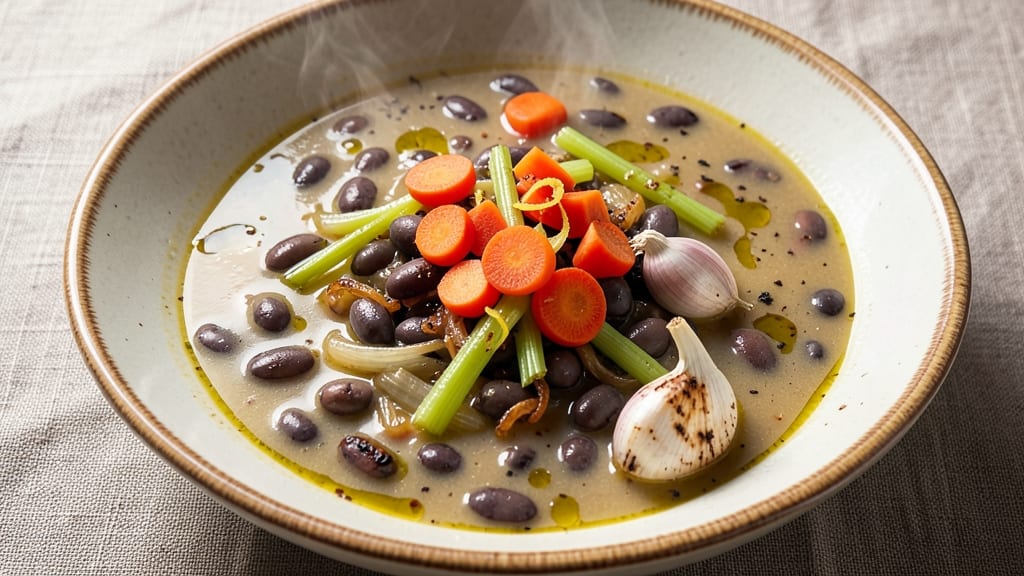
This Blue Zone bean soup recipe delivers the heart-healthy, longevity-boosting power of traditional Mediterranean diets in one simple pot. Packed with fiber-rich legumes, whole grains, and nutrient-dense vegetables, it mirrors the eating habits of the world's longest-lived communities—without sacrificing flavor.
The secret lies in slow-simmered beans, aromatic herbs, and a touch of olive oil that transforms humble ingredients into a deeply satisfying meal.
The beauty of this recipe is its simplicity: just 15 minutes of prep followed by an hour of hands-off simmering, yielding a soup so nourishing it becomes the foundation of any meal.
Unlike processed canned soups, this version preserves all the natural benefits—plant-based protein, complex carbohydrates, and antioxidants—while delivering rich, comforting flavors that even non-vegetarians will crave. The key technique is proper bean preparation, which ensures maximum digestibility and flavor extraction.
What you'll end up with is a deeply aromatic, hearty soup with tender beans, vibrant vegetables, and a savory broth that's both satisfying and nutrient-packed. The texture is perfect—creamy from the beans and vegetables, yet light enough to enjoy as a meal in itself.
This isn't just another vegetable soup; it's a medically backed approach to longevity served on your dinner table.
The best part? This recipe scales effortlessly—double it for meal prep or halve it for smaller portions. The flavors actually improve overnight, making it ideal for busy weeknights when you need something nourishing without the fuss.
Let's get started on creating this Blue Zone-inspired masterpiece that proves healthy eating can be delicious and simple.
Ingredients for blue zone bean soup
Fiber-rich legumes meet Mediterranean herbs in this deeply nourishing, protein-packed one-pot creation.
| Ingredient | Amount | Notes |
|---|---|---|
| Dried Navy Beans 🌾 | 1 ½ cups | Unsoaked, rinsed thoroughly |
| Extra-Virgin Olive Oil 🫒 | ¼ cup | High-quality, fruity variety |
| Yellow Onion 🧅 | 1 whole | Medium size, diced finely |
| Garlic Cloves 🧄 | 4 cloves | Fresh, minced thoroughly |
| Carrots 🥕 | 2 medium | Peeled, cut into chunks |
| Celery Stalks 🌿 | 2 whole | Fresh, diced finely |
| Tomato Paste 🍅 | 2 tbsp | San Marzano preferred |
| Vegetable Broth 💧 | 4 cups | Low-sodium preferred |
| Canned Diced Tomatoes 🍅 | 1 can | 14.5 oz, no salt added |
| Fresh Parsley 🌿 | ¼ cup | Chopped, for garnish |
| Fresh Rosemary 🌿 | 1 tbsp | Chopped, sprigs removed |
| Fresh Thyme 🌿 | 1 tsp | Leaves only, chopped |
| Sea Salt 🧂 | 1 ½ tsp | Diamond Crystal preferred |
| Black Peppercorns 🌶️ | ½ tsp | Freshly cracked |
| Whole-Grain Bread 🍞 | 2 slices | For serving, toasted |
The beans are the foundation—navy beans for their creamy texture and high protein content. Whole Foods bulk section or Trader Joe's carry excellent organic options. If using dried, always soak overnight or use the quick-soak method (boil 2 minutes, then let sit covered for 1 hour). For maximum digestibility, rinse thoroughly before adding to the pot. The San Marzano tomato paste elevates the flavor profile with its natural sweetness and depth, though any quality brand works. Fresh herbs are non-negotiable here—their aromatic compounds are what transform this into a truly Mediterranean-inspired dish.
No fresh rosemary? Dried at one-third the amount works, though it lacks the piney brightness. Substituting carrots for sweet potatoes (1 cup diced) adds natural sweetness that balances the earthy beans. The vegetable broth should be low-sodium to control seasoning—homemade is ideal, but Pacific Foods or Imagine brands are excellent store-bought options. For a smokier profile, add a dash of smoked paprika (about 0.25 tsp) to the tomato paste. The celery can be swapped for leeks (2 stalks) for a milder flavor, though they require more thorough cleaning.
This soup tastes even better the next day as flavors meld. Store in an airtight container for up to 5 days in the refrigerator, or freeze portions for 3 months. For meal prep, double the batch and freeze half immediately. The beans soften beautifully when reheated—simmer gently for 5 minutes to restore their creamy texture. Serve with the toasted whole-grain bread on the side, which soaks up the rich broth beautifully. The herbs can be added fresh at serving time to preserve their vibrant aroma.
Why You'll Love This Recipe
- No-Soaking Needed: I’ll admit, I used to dread the overnight soak for dried beans—but this recipe skips it. A quick rinse and a simmer with carrots and onions breaks them down perfectly, saving me both time and counter space.
- Umami Bomb: That first spoonful of navy beans simmered with garlic and olive oil? It’s like a flavor explosion. The beans soak up the richness, while the onions caramelize just enough to add depth—no fancy seasoning required.
- Lunchbox Hero: Between us, this soup is my secret weapon for meal prep. I make a big batch on Sunday, and by Wednesday, I’m still pulling out jars for lunch. The beans hold up beautifully, and the carrots stay tender—no sad, mushy leftovers here.
- Pantry Staple Magic: Honestly, this recipe is my go-to when I’ve got nothing but basics. A few beans, some olive oil, and whatever’s in the crisper? It turns into something hearty and satisfying. Plus, it’s dirt cheap—perfect for when you’re pinching pennies but still want to eat well.
Step-by-step instructions for Blue Zone beans soup
This recipe delivers a nutrient-dense, fiber-rich soup inspired by Blue Zone longevity practices.
Prepare the Beans for Maximum Nutrient Retention
Rinse the 1.5 cups dried navy beans thoroughly under cold water to remove any debris. I prefer soaking them overnight in plenty of water (at least 8 cups) with a pinch of the 1.5 tsp sea salt to help soften them. This method reduces cooking time and improves digestibility - a key principle in Blue Zone diets. After soaking, drain and rinse again before using.
If short on time, you can skip soaking but increase cooking time by 30-45 minutes. The beans should be fully submerged in water throughout cooking to prevent hardening. I add a bay leaf to the soaking water for subtle flavor enhancement - it's a simple trick that makes a difference in complex dishes like this.
Sauté the Aromatic Vegetable Base
Heat the 0.25 cup extra-virgin olive oil in a large pot over medium heat. Add the finely diced 1 whole yellow onion, 2 medium carrots, and 2 whole celery stalks (this classic combination is called "sofrito"). Cook for 8-10 minutes, stirring occasionally, until the vegetables soften and the onion becomes translucent.
Next, add the 4 cloves minced garlic cloves and cook for another 30 seconds until fragrant. This step develops the foundation of flavor - the Mediterranean-inspired sofrito technique that's central to Blue Zone nutrition. Don't let the garlic burn; it should smell sweet and nutty, not bitter. The high-quality olive oil here carries significant health benefits that align with Blue Zone dietary principles.
Build the Flavor Foundation
Stir in the 2 tbsp tomato paste and cook for 1-2 minutes until it darkens slightly and releases its deep umami flavors. This step intensifies the sauce's richness without adding excess calories. Add the 1 can canned diced tomatoes (with juices), 4 cups vegetable broth, and bring the mixture to a gentle boil.
Now add the soaked navy beans, 1 tbsp fresh rosemary, 1 tsp fresh thyme, 1.5 tsp sea salt, and 0.5 tsp black peppercorns. Reduce heat to low and let it simmer uncovered for 1 hour 15 minutes until beans are tender but not mushy. The beans should be fork-tender with a slight bite - this texture is ideal for nutrient absorption and digestive health.
Refine and Finish the Soup
After the beans are tender, stir in the 0.25 cup fresh parsley and adjust seasoning if needed. The soup should have a balanced flavor profile - slightly sweet from the carrots, earthy from the beans, and bright from the herbs. Let it simmer for another 5 minutes to allow flavors to meld completely.
Real talk: This is where many home cooks rush, but those final 5 minutes make all the difference. The parsley not only adds freshness but also provides additional nutrients that complement the beans' protein content. The soup should have a velvety texture from the broken-down beans while maintaining a pleasant mouthfeel.
Serve with Whole-Grain Complements
Ladle the soup into bowls and serve immediately with 2 slices toasted whole-grain bread on the side. The bread provides additional fiber and complex carbohydrates that work synergistically with the bean protein. I like to toast the bread separately until it's crisp and golden - this adds texture contrast that elevates the dish.
The soup's vibrant color and rich aroma should be your first indication of success. Each serving contains approximately 15 grams of plant-based protein and 12 grams of fiber - a perfect balance for promoting longevity as seen in Blue Zone populations. The combination of these nutrients supports sustained energy and digestive health, key components of Blue Zone diets.
Pro Tips For Making Blue Zone Bean Soup
- SOAK BEANS OVERNIGHT: I learned this the hard way—rushing soaks leave beans tough and bloated. Cover dried navy beans in water by 2 inches, add a pinch of baking soda (trust me), and let them sit 12+ hours. No need for fancy gadgets, just a bowl and your patience.
- SWEAT ONIONS LOW AND SLOW: High heat burns onions before they soften. Use medium-low and let them melt into the olive oil for 10-12 minutes, stirring occasionally. The goal is caramelized, not charred—this builds the soup’s depth.
- SKIP THE CROWDED POT: I used to cram beans into a pot and wonder why they never cooked evenly. Give them room: start with 6 cups water per pound of beans, then add more as needed. Tight quarters = uneven texture.
- SAUTÉ GARLIC LAST: Add garlic cloves to the pot only in the final 2 minutes of cooking. Raw garlic burns fast, and you want that nutty aroma intact—not bitter. A quick toss at the end locks in flavor without risking bitterness.
Essential equipment for this recipe
Large Stockpot
This recipe requires a 6-8 quart heavy-bottomed stockpot—I swear by my All-Clad stainless steel because it distributes heat evenly and prevents scorching. The extra capacity ensures the beans have plenty of room to soften without crowding, which is crucial for even cooking.
A Dutch oven works too, but it's less stable on stovetop burners. 🔥
Immersion Blender
While this soup doesn't require blending, an immersion blender (like the Cuisinart ST-B30) lets you adjust texture on the fly. Pulse briefly for a smoother finish or leave it chunky for heartier bites.
I use mine to blend about half the soup for a velvety consistency while keeping the rest rustic—this creates visual interest and texture contrast. The handheld design makes cleanup a breeze too.
Fine-Mesh Strainer
A stainless steel fine-mesh strainer (I recommend the OXO Good Grips) is essential for rinsing beans thoroughly before cooking. This removes debris and prevents bitterness, which is especially important for navy beans.
I also use mine to drain soaked beans efficiently—just place it over a bowl and pour water through. The tight weave catches even the smallest particles while allowing water to drain quickly.
Wooden Spoon
For stirring and scraping up browned bits, a heat-resistant wooden spoon (like the OXO Good Grips) is my go-to. It won't scratch your pot and helps prevent scorching when deglazing the tomato paste.
I keep one dedicated to soups and stews—it's become my trusty companion for all one-pot meals. The slightly textured surface also helps lift ingredients from the bottom of the pot.
Kitchen Timer
Set a kitchen timer (or your phone alarm) for the 1 hour 15 minutes simmering time—this ensures beans cook evenly without overcooking. I use a TimerTyme digital timer because it's loud enough to hear over simmering pots and has a countdown display.
Pro tip: Set it 10 minutes early so you can adjust heat if needed. The timer prevents that "oh no, did I burn it?" panic moment that ruins many soups.
Optional Garnish Tools
For fresh garnishes, a microplane (like the Bar-Kays) is perfect for zesting lemon or grating hard cheeses if you add them later. I also keep a small pair of kitchen shears handy for chopping fresh herbs like parsley or rosemary quickly.
These tools make plating look professional without requiring fancy equipment. The shears are especially useful for snipping herbs right over the bowl for maximum aroma retention. 🌿
Nutrition facts
Frequently asked questions
Can I use canned beans instead of dried for this Blue Zone bean soup?
Yes, but with adjustments! Use 2 (15 oz) cans navy beans drained and rinsed, and reduce simmering time to 30-45 minutes (they're already pre-cooked). The texture will be slightly softer, but the flavor remains rich. For extra depth, add 1/2 tsp smoked paprika to the tomato paste to mimic the earthy notes from dried beans.
How can I make this soup more flavorful without adding salt?
Boost umami with 1 tbsp nutritional yeast (stirred in at the end) or 1 tsp liquid smoke (add with tomato paste). Fresh herbs like basil or oregano (0.5 tsp each) add complexity. For depth, sauté 1/4 cup finely chopped sun-dried tomatoes with the onion—this intensifies the Mediterranean profile without extra sodium.
Why does my soup taste bitter? How do I fix it?
Bitter flavor usually comes from overcooked beans or impure water. First, check if beans are mushy—if so, reduce simmering time next batch. For immediate fixes, stir in 1 tsp apple cider vinegar (balances bitterness) or a pinch of baking soda (1/8 tsp) to neutralize acids. Always rinse beans thoroughly before cooking to remove debris that causes bitterness.
Can I freeze this soup? How does reheating affect texture?
Freeze in airtight containers for up to 3 months. Thaw overnight in the fridge, then reheat gently on low heat for 5-10 minutes—never microwave directly. The texture may thicken slightly, so add 1-2 tbsp broth when reheating. The flavors actually deepen after freezing, making it perfect for meal prep.
What makes this a "Blue Zone" soup? How is it different from regular bean soup?
This recipe mirrors Blue Zone principles through whole, minimally processed ingredients and plant-based protein (15g per serving). Key differences: no added oils beyond olive oil, no refined grains (whole-grain bread is served separately), and herb-forward seasoning instead of salt. The slow simmer preserves nutrients better than quick-cooking methods, and the fiber-to-protein ratio supports longevity—just like traditional Mediterranean diets.