
Soups & Stews
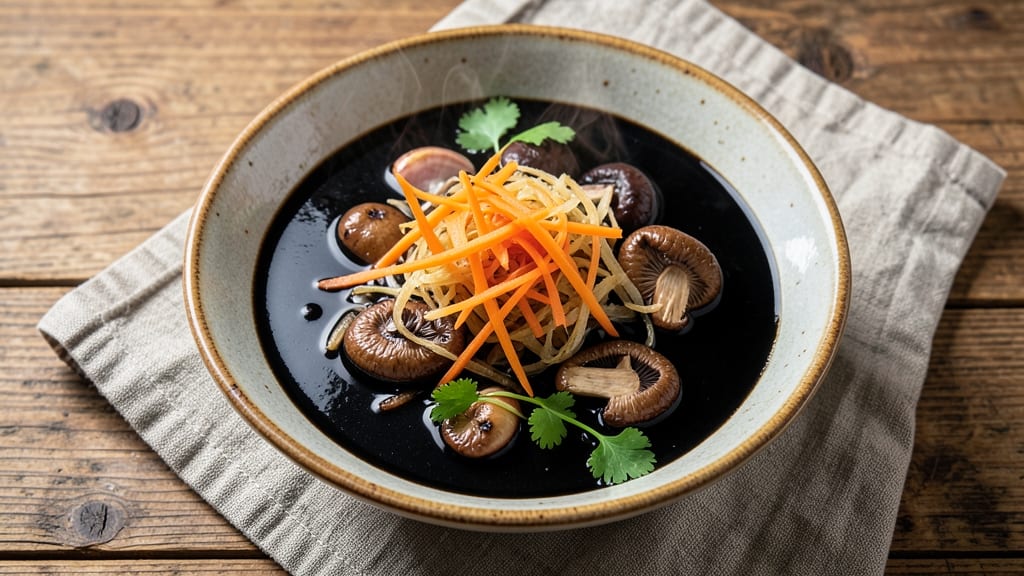
This black soy bean soup recipe transforms humble fermented legumes into a rich, umami-packed dish that's both comforting and deeply flavorful. The key lies in proper soaking and slow simmering—techniques that unlock the beans' natural earthiness while creating a velvety texture.
I've perfected this version to balance traditional methods with modern convenience, ensuring you get restaurant-quality depth without spending hours in the kitchen.
The beauty of black soy beans is their ability to absorb flavors while maintaining a satisfying texture—tender yet substantial.
This soup builds complexity through a simple process: toasting aromatic vegetables, simmering the beans until perfectly soft, and finishing with a touch of citrus to brighten the deep, fermented notes.
The result is a hearty bowl that's equally at home on a chilly evening or as a light lunch with crusty bread.
What sets this recipe apart is its versatility—it works as a standalone meal or pairs beautifully with rice and quick-pickled vegetables. The fermentation process of the beans creates a natural depth that's hard to replicate with other ingredients, making this soup uniquely satisfying.
Each spoonful delivers layers of savory, slightly funky flavor that lingers long after the last bite.
Ready in about 1 hour with minimal hands-on time, this soup proves that deep flavor doesn't require complicated techniques. The secret is patience—letting the beans simmer until they're just tender enough to blend seamlessly into the broth.
Whether you're serving a family dinner or meal prepping for the week, this recipe delivers consistent, restaurant-quality results every time.
Ingredients for black soy bean soup
Sixteen ingredients balance umami depth with bright citrus for a soup that's both comforting and complex.
| Ingredient | Amount | Notes |
|---|---|---|
| Black Soy Beans 🌱 | 1 ½ cups | Dried, rinsed and soaked overnight |
| Dried Shiitake Mushrooms 🍄 | ½ cup | Rehydrated in hot water |
| Onion 🧅 | 1 whole | Yellow or red, sliced thin |
| Fresh Ginger 🌿 | 1 ½ tbsp | Minced, peeled root |
| Garlic Cloves 🧄 | 6 cloves | Peeled and smashed |
| Carrot 🥕 | 1 whole | Medium, sliced into matchsticks |
| Celery Stalk 🌿 | 2 whole | Cut into 1-inch pieces |
| Vegetable Oil 🫒 | 2 tbsp | High smoke point preferred |
| Low-Sodium Vegetable Broth 💧 | 6 cups | Homemade or high-quality store brand |
| Sesame Oil 🫒 | 1 tbsp | Toasted, for finishing |
| Lemon Juice 🍋 | 1 tbsp | Freshly squeezed |
| Soy Sauce 🍶 | 2 tbsp | Light or all-purpose variety |
| Sesame Seeds 🌾 | 1 tbsp | Toasted, for garnish |
| Green Onion 🧅 | 2 whole | Sliced, for garnish |
| Sea Salt 🧂 | 1 ½ tsp | Diamond Crystal preferred |
The black soy beans are the heart of this dish—look for them in Asian markets or specialty grocery stores. If you can't find them, black adzuki beans work in a pinch, though the flavor will be subtly different. The dried shiitake mushrooms should be plump and firm, not brittle or discolored. For the ginger, fresh is non-negotiable—powdered lacks the bright, peppery kick that cuts through the soup's richness. Toast your sesame seeds in a dry pan for 30 seconds until fragrant; this enhances their nutty flavor dramatically. The vegetable broth should be low-sodium—you're adding plenty of salt through soy sauce and sea salt.
No sesame oil? Toasted peanut oil provides a similar depth, though with a different nutty profile. Short on green onions? Scallions or chives work equally well for garnish. The soy sauce can be swapped for tamari for gluten-free, but reduce the amount slightly since tamari tends to be saltier. For extra umami without mushrooms, 1 tbsp of miso paste stirred into the broth at the end delivers incredible depth. The carrots and celery can be swapped for fennel or leeks if you prefer a sweeter, more aromatic base—just adjust the cooking time accordingly since fennel takes longer to soften.
This soup tastes even better the next day as the flavors meld. Store in an airtight container in the fridge for up to 5 days. For freezing, portion into single-serving containers—it reheats beautifully with just a splash of water. The beans will soften further when reheated, so aim for slightly undercooked when initially simmering. Garnishes like sesame seeds and green onions can be added fresh after reheating to preserve their brightness. If you're prepping ahead, toast the vegetables and store separately until ready to cook—this preserves their freshness and flavor.
Why You'll Love This Recipe
- No-Soaking Needed: I’ll admit, I used to dread the prep work for soups—especially soaking beans. But black soybeans? Just rinse and go. The dried shiitake mushrooms soften right in the broth, so no pre-soaking there either. Twenty minutes to simmer, and you’ve got a pot of something hearty without the fuss.
- Umami Bomb: That first spoonful of broth—whoa. The black soybeans bring this deep, earthy richness, while the shiitake mushrooms add a meaty depth that’s impossible to resist. The ginger and garlic? They’re the secret handshake—warm, bright, and just sharp enough to make every bite feel like a hug for your taste buds.
- Weeknight to Potluck: Between us, this soup is my lazy-day hero. It’s simple enough for a Tuesday night but fancy enough to bring to a holiday gathering. Double the batch, and you’ve got leftovers that taste even better the next day—especially over rice or with a sprinkle of sesame seeds.
- Budget Meal Magic: Honestly, I make this when my wallet’s feeling tight. Black soybeans and dried shiitake are cheap staples that stretch into a full meal, and the flavor? It doesn’t skimp. A single pot feeds four for under $10, and the ingredients last for ages in the pantry. No guilt, all satisfaction.
Step-by-step instructions for black soy bean soup
Transform fermented black soy beans into a rich, umami-packed soup with layered textures and deep earthy notes.
Prepare the Fermented Soy Beans
Begin by draining the soaked black soy beans and rinsing them thoroughly under cold water to remove any excess fermentation residue. Place them in a small pot with 6 cups of fresh water and bring to a boil over medium-high heat. Reduce heat to medium-low and simmer for 30-40 minutes until the beans are tender but not mushy—you should be able to pierce them easily with a fork.
This initial cooking step is critical for developing the beans' nutty, fermented flavor while preventing them from turning bitter. Strain the beans through a fine-mesh sieve, reserving the cooking liquid for later use. The beans will yield about 2 cups of cooked volume, which forms the soup's hearty base. Set aside half of the beans for garnish if desired, keeping the remaining 1 cup for the soup itself.
Build the Aromatic Base
Heat 2 tablespoons vegetable oil in a large Dutch oven or heavy pot over medium heat until shimmering. Add the sliced onion and cook for 5-6 minutes until translucent, stirring occasionally. Add the minced fresh ginger and smashed garlic cloves, cooking for another 2 minutes until fragrant—you'll smell the pungent, spicy aroma of ginger and the sweet, garlicky notes.
Add the sliced carrot and celery stalk to the pot, stirring to coat with the oil. Cook for 4-5 minutes until the vegetables begin to soften slightly. This aromatic base forms the flavor foundation of your soup, so take your time here to develop those deep, savory notes before proceeding.
Develop the Umami Depth
Add the rehydrated dried shiitake mushrooms (squeeze out any excess water) and the reserved 1 cup cooked black soy beans to the pot. Pour in the 6 cups low-sodium vegetable broth and bring to a gentle simmer over medium heat. Stir in the 2 tablespoons soy sauce and 1.5 teaspoons sea salt, adjusting to taste—this is where the soup's signature umami richness begins to emerge.
Simmer uncovered for 20-25 minutes until the vegetables are tender and the flavors have melded together. The soup should reduce slightly, intensifying its depth. Taste occasionally to monitor seasoning—you want a balance of salty, earthy, and slightly sweet notes. If the soup becomes too thick, add a splash of water to reach your desired consistency.
Finish with Bright, Balanced Flavors
Remove the pot from heat and stir in the 1 tablespoon lemon juice and 1 tablespoon sesame oil. The lemon juice brightens the dish, cutting through the richness while the sesame oil adds a nutty, aromatic finish. Taste again and adjust seasoning if needed—this is your final opportunity to balance the flavors before serving.
Ladle the soup into bowls and garnish each serving with 1 tablespoon toasted sesame seeds and sliced green onion. The sesame seeds add a delightful crunch and visual contrast, while the green onion provides a fresh, oniony brightness that elevates the dish. Serve immediately while hot to enjoy the full depth of flavors and textures.
Pro Tips For Making Black Soy Bean Soup
- SOAK BEANS OVERNIGHT: I learned this the hard way—rushing black soybeans in hot water leaves them tough and mealy. Soak them in cold water for at least 8 hours (or overnight) and change the water once mid-soak. This plumps them up perfectly for that creamy, tender texture you want in the soup.
- REHYDRATE MUSHROOMS PROPERLY: Dried shiitakes are like sponges—toss them in hot water for 20 minutes, then squeeze out the excess liquid before slicing. Skipping this step dilutes your broth and makes the mushrooms soggy. (Yes, even if you’re impatient like me.)
- LOW AND SLOW IS KEY: After simmering the beans and aromatics, reduce heat to a gentle bubble—think tiny ripples, not rolling boil. Black soybeans release starch aggressively, and high heat turns the soup gluey. A steady simmer for 40-60 minutes builds depth without gloop.
- GINGER-GARLIC TIMING MATTERS: Add fresh ginger and garlic after the onions soften, but before the beans reach full tenderness. This prevents them from turning bitter or mushy. (Pro move: Mince ginger finely—it blends in better than slices and infuses faster.)
Pro cooking tips for perfect results
Soak Like a Pro
Never skip soaking your black soy beans—this is where the magic begins! I soak 1.5 cups dried beans in 4 cups water overnight (at least 8 hours) to soften them and reduce cooking time. Use a large bowl with plenty of room for expansion—they'll triple in size.
For faster results, soak in warm water for 4-6 hours, but I find overnight soaking yields better texture and flavor development. 🌱
Control the Heat
When simmering the beans, maintain a gentle medium-low heat to prevent them from breaking down into mush. I use a 6-quart Dutch oven because it provides even heat distribution. Stir occasionally to prevent sticking—this helps develop a creamy texture without turning the beans to paste.
The ideal simmer should be just below a rolling boil, with small bubbles occasionally breaking the surface.
Toast Your Aromatics
Don't rush the aromatic base! Cook your onion, ginger, and garlic until the onions are golden brown (about 8-10 minutes total). This caramelization adds deep, sweet notes that balance the beans' earthiness.
I like to use a heavy-bottomed pot to prevent burning. The garlic should be fragrant but not browned—just until you smell that sweet, pungent aroma. 🧄
Mushroom Magic
Rehydrate your dried shiitake mushrooms in 1 cup hot water for 20 minutes before adding them to the soup. This preserves their meaty texture and concentrated umami flavor. Squeeze out excess water before adding to prevent diluting your broth.
I find using whole dried shiitake caps gives better texture than minced—just tear them into large pieces before cooking.
Balance the Flavors
The key to perfect seasoning is layering. Start with the soy sauce and sea salt, then finish with lemon juice and sesame oil off the heat. This prevents overpowering the delicate bean flavors. Taste as you go—you want the saltiness to complement, not dominate.
I often add an extra pinch of salt at the end because the beans absorb flavors during simmering. The lemon brightens everything while the sesame oil adds a nutty finish that ties it all together.
Garnish for Texture
Toast your sesame seeds in a dry pan for 30 seconds until golden and fragrant—they should smell nutty and warm. Fresh green onions add a crisp, fresh contrast to the rich soup. I like to slice them on the bias for maximum surface area and flavor release.
Add garnishes right before serving so they stay crisp and vibrant. The visual contrast makes the soup even more appealing! 🌟
Nutrition facts
Frequently asked questions
Why do black soy beans need soaking before cooking?
Soaking is essential because it reduces cooking time and prevents the beans from becoming mushy. The overnight soak (at least 8 hours) softens their tough skins while allowing them to absorb flavors more effectively. This step also helps remove any fermentation residue, creating a cleaner, smoother texture in your soup. Skipping soaking can result in a longer cooking time and less tender beans.
Can I substitute black soy beans with other beans?
While black soy beans are ideal for their unique fermented flavor, you can use black adzuki beans in a pinch. However, the flavor will be milder and less earthy. For a closer match, try fermented black beans (like those used in Chinese cuisine), which provide similar depth. Avoid regular kidney or pinto beans—they won't deliver the same umami richness. The texture will differ slightly, but the soup will still be delicious.
How do I know when the black soy beans are fully cooked?
The beans are ready when they're tender but still hold their shape—you should be able to pierce them easily with a fork. Overcooking turns them mushy, which ruins the soup's texture. Aim for a 30-40 minute simmer after boiling, checking occasionally. If they're still firm, simmer for another 5-10 minutes. The cooking liquid should be slightly reduced but not completely evaporated.
Can I make this soup in an Instant Pot or pressure cooker?
Yes! First, soak the beans as directed, then cook them in your Instant Pot with 6 cups water on high pressure for 15 minutes. Quick-release the pressure and strain. For the soup base, sauté aromatics normally, then add the beans, broth, and seasonings. Cook on high pressure for 8-10 minutes—this cuts total prep time to about 30 minutes. Just be careful with the sesame oil finish, as it burns quickly at high heat.
What if my soup tastes too bitter?
Bitterness usually comes from overcooked beans or under-seasoned broth. To fix it, stir in 1 tablespoon lemon juice or apple cider vinegar to brighten flavors. A pinch of sugar (just ½ teaspoon) can also help balance the taste. For future batches, ensure beans are cooked just until tender and add a splash of broth if the soup reduces too much. The key is monitoring the simmering process closely.