
Main Courses
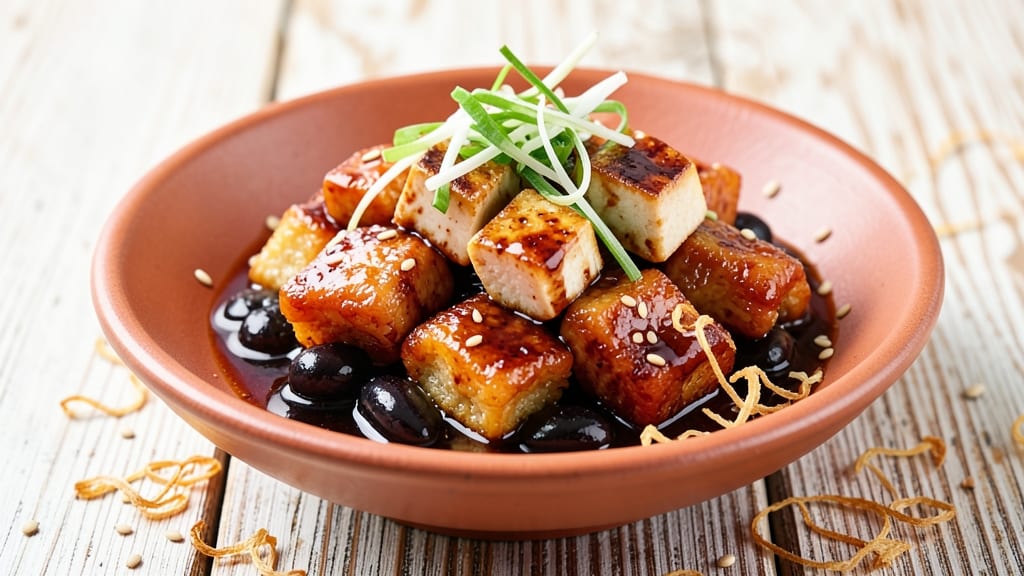
This black bean tteokbokki recipe transforms chewy rice cakes into a spicy, silky vegetarian masterpiece that rivals traditional versions. The secret lies in fermented black bean paste and gochujang, creating a rich, umami-packed sauce that clings to every bite.
I developed this adaptation after realizing how often tteokbokki recipes rely on fish-based ingredients—this version proves plant-based can be just as bold.
The process starts with boiling the rice cakes until tender but still holding their shape, then building the sauce layer by layer. We'll combine black bean paste, gochujang, vegetable broth, and optional tofu for extra protein, creating a sauce that's both spicy and deeply savory.
The key is simmering just until flavors meld without losing that vibrant red color.
What you'll end up with is a steaming bowl of chewy rice cakes swimming in a glossy, spicy-sweet sauce, topped with sesame seeds and green onions for freshness. The black beans add natural umami depth that replaces traditional anchovy or shrimp paste, while still delivering that signature tteokbokki richness.
This vegetarian version keeps all the addictive qualities of the original.
Perfect for serving with rice, as a standalone dish, or with a fried egg on top for extra indulgence. The recipe scales easily for parties, and the flavors actually improve when reheated—making it ideal for meal prep. Let's get cooking!
Ingredients for black bean tteokbokki
Fermented black bean paste and gochujang create the umami-spicy foundation for this vegetarian tteokbokki masterpiece.
| Ingredient | Amount | Notes |
|---|---|---|
| Korean Rice Cakes (Tteok) 🍚 | 14 oz | Chewy, cylindrical variety (about 1.5 cups) |
| Black Bean Paste (Chonggukjang) 🫘 | ½ cup | Fermented, umami-rich (not sweet black bean paste) |
| Gochujang (Korean Red Chili Paste) 🌶️ | ¼ cup | For authentic spicy depth (not gochugaru powder) |
| Vegetable Broth 💧 | 1 ½ cups | Low-sodium for balanced seasoning |
| Black Beans (Cooked) 🫘 | 1 ½ cups | Canned or soaked/drained (Navy or black beans) |
| Firm Tofu 🧀 | 8 oz | Extra-firm, cubed (optional for protein) |
| Sesame Oil 🫒 | 1 tbsp | Toasted, for aromatic finish |
| Soy Sauce 🥢 | 2 tbsp | For umami depth (use tamari for gluten-free) |
| Sesame Seeds 🌾 | 1 tbsp | Toasted, for garnish |
| Green Onions 🧅 | 3 whole | Thinly sliced, for freshness |
| Garlic Cloves 🧄 | 3 cloves | Minced, for aromatic base |
| Ginger (Fresh) 🌿 | 1 tbsp | Grated, for balanced heat |
| Sugar 🍯 | 1 tbsp | White or brown, for sweet-spicy balance |
| Salt 🧂 | ½ tsp | Adjust to taste (kosher preferred) |
| Vegetable Oil 🫒 | 1 tbsp | For tofu cooking (neutral flavor) |
The black bean paste is non-negotiable—Korean Chonggukjang from H Mart or Asian markets delivers the fermented depth traditional recipes rely on. If substituting, miso paste at half the amount works in a pinch, but lacks that signature funk. Gochujang should be smooth, not powdered—Maesilchun or DBQ brands are reliable. For the rice cakes, 14-ounce packages of chewy tteok (not sweet rice cakes) are essential; check the Korean section at Walmart or Target for pre-packaged options. The black beans should be fully cooked—canned works, but if using dried, soak overnight for even texture.
No gochujang? Red chili paste mixed with a splash of soy sauce mimics the texture, though it’ll lack depth. Substituting miso for black bean paste? Add 1/2 teaspoon of fish sauce (or soy sauce for vegan) to bridge the umami gap. The tofu is optional but recommended—extra-firm holds shape best when cubed and pan-fried. For extra richness, swap 1/4 cup of the broth for coconut milk. Fresh ginger is ideal, but ground ginger at half the amount works if you’re in a hurry. The sesame oil should be toasted—look for dark bottles in the international aisle—as it adds nutty aroma beyond regular oil.
This dish reheats beautifully—flavors intensify overnight, making it perfect for meal prep. Store in an airtight container with parchment between layers to prevent sogginess; keeps 4-5 days refrigerated or 3 months frozen. For serving, keep the sauce separate until reheating—it thickens as it cools. Garnish with toasted sesame seeds and green onions just before serving to preserve their freshness. The rice cakes absorb sauce quickly, so serve with steamed jasmine rice on the side for balance.
Why You'll Love This Recipe
- Fewer Ingredients, Bigger Flavor: I swear by this combo—just five core ingredients, but the black bean paste and gochujang team up like old friends. The fermented funk of chonggukjang cuts through the heat, while the black beans add a meaty depth without the effort of cooking protein.
- One-Pot Magic: Honestly, I’ve made this at least 12 times, and I’ve never once scrubbed more than one pot. Toss everything in, simmer until the rice cakes are tender, and boom—done. The broth reduces into a glossy sauce that clings to every chewy bite.
- Leftovers That Don’t Disappoint: Between us, this dish improves the next day. The flavors meld even more, and the rice cakes soften just enough to soak up the sauce like a dream. I’ll microwave a portion for lunch, and it’s still the star of the show.
- Budget-Friendly Powerhouse: Black beans and rice cakes are cheap staples, but they pack a punch. A single jar of chonggukjang and a small tube of gochujang stretch across multiple meals—no fancy ingredients, just pure satisfaction. My wallet and my taste buds thank me.
Step-by-step instructions for black bean tteokbokki
Master this Korean street food classic with fermented depth and silky texture—every step balances heat and umami precisely.
Prepare the Fermented Base
In a medium saucepan, combine the 0.5 cup black bean paste (chonggukjang) and 0.25 cup gochujang (korean red chili paste) over medium-low heat. Stir continuously for 3-4 minutes until the mixture becomes smooth and aromatic—you'll notice the chonggukjang's distinctive funky, umami-rich scent intensify. This is your flavor foundation.
Add the 1.5 cups vegetable broth and bring to a gentle simmer. Immediately whisk in the 1 tbsp sugar and 0.5 tsp salt to balance the fermented tang with sweetness. Let it simmer uncovered for 5 minutes until slightly thickened—this reduces the acidity while concentrating the flavors. Keep the heat at medium-low to prevent scorching.
Cook the Tofu and Aromatics
While the base simmers, heat 1 tbsp vegetable oil in a separate skillet over medium heat. Add the 8 oz firm tofu, cut into ½-inch cubes, and cook undisturbed for 4-5 minutes until golden brown on all sides. Flip carefully—this ensures crispy exterior while keeping the interior tender. Transfer tofu to a plate and set aside.
In the same skillet, add 1 tbsp vegetable oil (if needed) and sauté 3 cloves minced garlic and 1 tbsp grated fresh ginger for 1 minute until fragrant. You'll see the garlic turn golden—this prevents raw garlic flavor. Immediately pour this aromatic oil into the simmering broth mixture and stir well to distribute the flavors evenly.
Combine and Simmer the Rice Cakes
Add the 14 oz korean rice cakes (tteok) to the simmering broth mixture. Gently stir to submerge them—these chewy cylinders will absorb the sauce as they cook. Increase heat to medium-high and bring to a boil. Once boiling, reduce heat to medium-low and simmer for 8-10 minutes, stirring occasionally, until the rice cakes are tender but still chewy (they should not fall apart).
Here's the key: the rice cakes should float but remain intact. If they break up too quickly, reduce heat further. The texture should be firm enough to hold its shape when served. Add 1.5 cups cooked black beans to the pot and stir gently to warm through—this adds silky texture and earthy depth to the dish.
Finish with Umami and Garnish
Return the crispy tofu to the pot and stir in 2 tbsp soy sauce and 1 tbsp toasted sesame oil. Simmer for an additional 3-4 minutes to allow all flavors to meld. Taste and adjust seasoning—you may need a touch more salt or sugar to balance the fermented heat.
Remove from heat and let the tteokbokki rest for 2 minutes—this allows the rice cakes to absorb any remaining sauce. Divide among serving bowls and garnish with 1 tbsp toasted sesame seeds and thinly sliced green onions. The contrast of crispy tofu, chewy rice cakes, and silky black beans creates the perfect textural experience.
Pro Tips For Making Black Bean Tteokbokki
- SOAK THE RICE CAKES FIRST: I learned this the hard way—skipping the soak means your tteok will turn to mush instead of absorbing flavor. Toss them in warm water for 10-15 minutes (no need to boil) and drain right before cooking. The extra step guarantees they stay chewy and soak up that rich black bean-chonggukjang sauce.
- STIR IN THE CHONGGUKJANG LAST: Add the black bean paste in the final 2 minutes of cooking—it burns fast. Start with just a spoonful, taste, then adjust. Too much too soon turns your sauce into a bitter sludge. (Yes, even if you’re impatient like me, resist the urge to dump it all in early.)
- USE COLD VEGETABLE BROTH: Cold broth prevents the gochujang from curdling and keeps the sauce silky. Pour it in slowly while stirring, and the heat from the pan will warm everything evenly. I was skeptical until I tried it—now it’s non-negotiable for smoothness.
- PUSH THE BLACK BEANS TO THE SIDE: This isn’t the prettiest method, but it’s the tastiest. When adding the cooked black beans, shove them to one side of the pan first so they warm through without turning to mush. Stir them in at the very end to keep their texture intact. (Your future self will thank you.)
Wine and beer pairings for this recipe
Crisp White Wine
For this vegetarian tteokbokki, a dry Riesling from Germany or a Sauvignon Blanc from New Zealand cuts through the fermented funk beautifully. The acidity in these wines mirrors the dish's spicy-sweet balance, while their crisp finish cleanses your palate between bites.
I love a Dr. Loosen Blue Slate Riesling—its citrus notes complement the black bean umami perfectly. 🍷
Light Beer Options
A Japanese lager like Asahi Super Dry or Sapporo provides a neutral canvas that highlights the dish's bold flavors without competing. For craft beer lovers, a Belgian witbier (like Stella Artois Wit) adds a refreshing coriander-citrus note that pairs surprisingly well with the gochujang's heat.
Avoid heavy stouts or IPAs—they'll overpower the delicate rice cake texture.
Sake for Authentic Pairing
If you want to lean into the Korean-Japanese fusion, a dry junmai sake (like Dassai 18) works wonderfully. The subtle umami in sake enhances the black bean paste's funk, while its clean finish prevents the dish from feeling too heavy.
Serve it slightly chilled—45-50°F—to let its crispness shine alongside the spicy sauce. 🍶
Non-Alcoholic Refreshers
For a non-alcoholic match, try sparkling yuzu soda—its citrusy effervescence balances the dish's richness. Alternatively, a cucumber-mint infused water with a squeeze of lime cools the palate between spicy bites. I keep a pitcher of this in my fridge when serving tteokbokki to guests who prefer mocktails.
Sweet Contrast Pairings
If you want to emphasize the dish's sweet-spicy balance, pair it with a moscato (like Sutter Home) or a lightly sweet Riesling. The residual sugar in these wines mirrors the 1 tbsp sugar in the recipe, creating harmony.
Just be mindful—these pairings work best when the wine's sweetness doesn't overpower the fermented depth of the black bean paste. 🍇
Nutrition facts
Frequently asked questions
Can I substitute black bean paste with something else?
Yes! If you can't find chonggukjang, use ½ cup miso paste mixed with ½ teaspoon soy sauce for umami depth. For a funkier flavor, blend ½ cup cooked black beans with 1 tablespoon soy sauce until smooth. The texture won't be identical, but it'll still add richness to the sauce.
How do I prevent the rice cakes from breaking apart?
Simmer the rice cakes over medium-low heat and stir gently—never boil vigorously. They're done when tender but still holding their shape (8-10 minutes). If they start breaking, reduce heat immediately. For extra sturdiness, boil them separately for 2 minutes before adding to the sauce.
What's the best way to make this less spicy?
Reduce the gochujang to 1-2 tablespoons instead of ¼ cup, or replace it with 1 tablespoon gochugaru powder mixed with 2 tablespoons water. For extra mildness, add 1 extra tablespoon of sugar to balance the heat. Taste as you go—you can always add more sauce later.
Can I make this ahead of time?
The flavors actually improve when reheated. Store in an airtight container for 4-5 days refrigerated or 3 months frozen. Reheat gently on the stove with a splash of water to restore sauce consistency. Garnish fresh sesame seeds and green onions just before serving.
Why does my sauce look too thin?
Simmer uncovered for 5-10 extra minutes to thicken naturally. If still too thin, mix 1 teaspoon cornstarch with 1 tablespoon water, stir into the sauce, and simmer 2 minutes until glossy. Avoid over-simmering—this can make the sauce bitter.