
Sauces & Condiments
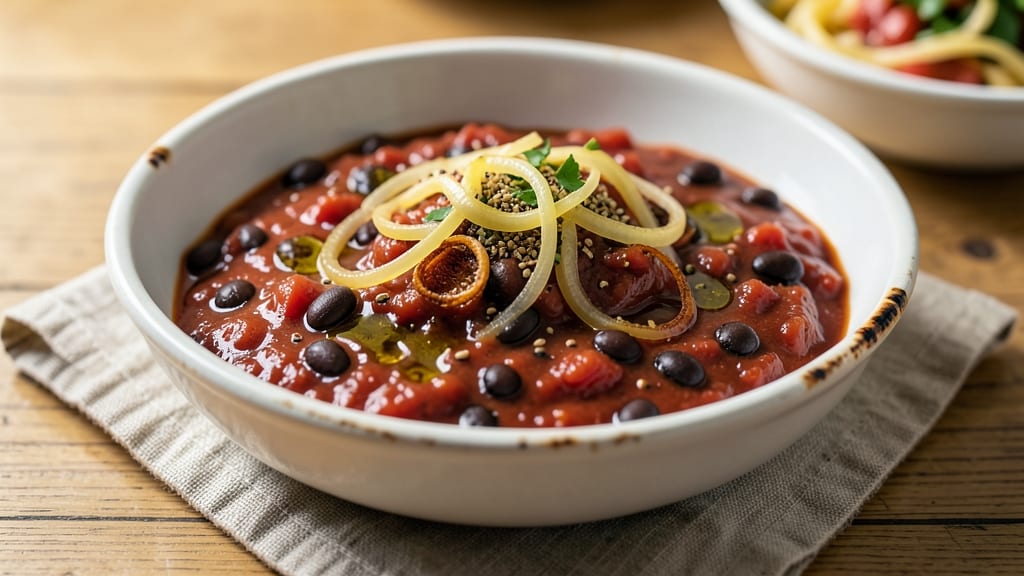
This black bean spaghetti sauce recipe transforms simple pantry staples into a rich, hearty condiment that elevates any meal. The secret lies in slow-simmered tomatoes, earthy cumin, and tender black beans that blend into a chunky, velvety sauce with deep flavor.
Unlike store-bought versions, this recipe delivers authentic taste without meat or dairy—perfect for vegan diets or busy weeknights.
The sauce builds complexity through layered spices: cumin for warmth, oregano for brightness, and garlic that infuses every spoonful. Black beans add protein and thickness, while crushed tomatoes create a balanced texture between smooth and rustic.
Simmering for 30 minutes allows flavors to meld, resulting in a sauce that clings beautifully to pasta or works as a versatile dip.
What makes this sauce exceptional is its versatility—toss with spaghetti, ladle over rice, or spread on toast. The rich tomato-cumin base keeps well in the fridge for up to 5 days or freezes for months, making it ideal for meal prep.
Each batch delivers restaurant-quality depth with minimal effort, proving plant-based cooking can be both satisfying and simple.
For extra depth, toast the spices before adding them to the pot—a small step that unlocks bold, aromatic flavors. The sauce's natural thickness comes from the beans and tomatoes, so no thickeners are needed.
This is the kind of condiment that transforms basic meals into something memorable, all while keeping prep straightforward and ingredients accessible.
Ingredients for black bean spaghetti sauce
Pantry staples meet bold flavors—this sauce delivers restaurant-quality depth with minimal effort.
| Ingredient | Amount | Notes |
|---|---|---|
| Crushed Tomatoes (46 oz can) 🍅 | 1 can | San Marzano preferred for sweetness |
| Black Beans (15 oz can, drained) 🌱 | 2 cans | No-salt-added preferred |
| Extra-Virgin Olive Oil 🫒 | ¼ cup | High-quality, fruity variety |
| Yellow Onion 🧅 | 1 whole | Diced, medium size |
| Garlic Cloves 🧄 | 4 cloves | Peeled, minced |
| Ground Cumin 🌿 | 2 tsp | Toasted for depth |
| Dried Oregano 🍃 | 1 tbsp | Mexican oregano preferred |
| Smoked Paprika 🌶️ | 1 tsp | For subtle smokiness |
| Vegetable Broth (low-sodium) 💧 | 1 cup | Homemade or quality store-bought |
| Lemon Juice 🍋 | 1 tbsp | Freshly squeezed |
| Sea Salt 🧂 | 1 ½ tsp | Diamond Crystal preferred |
| Black Peppercorns 🌶️ | ½ tsp | Freshly ground |
| Cayenne Pepper 🔥 | ¼ tsp | Adjust for heat preference |
| Fresh Cilantro 🌿 | ¼ cup | Chopped, for garnish |
The crushed tomatoes form the sauce's heart, so San Marzano cans are ideal for their natural sweetness and thick texture. Black beans add protein and body—no-salt-added varieties prevent over-salting. For the spices, toast the cumin and smoked paprika in a dry pan for 30 seconds before adding to the pot; this unlocks their aromatic oils and creates a deeper, more complex flavor profile. Whole Foods or Latin markets often carry Mexican oregano, which has a distinct, earthier flavor than its Italian counterpart. If unavailable, regular dried oregano works at the same quantity.
No San Marzano tomatoes? High-quality canned tomatoes like Muir Glen or store-brand options work fine. Swap black beans for kidney beans or pinto beans for variety, though black beans provide the ideal creamy texture. The vegetable broth can be replaced with water plus 1 tsp soy sauce for umami depth. Short on fresh cilantro? Dried cilantro at one-third the amount works in a pinch, though it lacks the bright freshness. For extra richness, stir in 1 tbsp tomato paste at the end of cooking, but omit the additional liquid it requires. The lemon juice brightens the sauce—bottled lemon juice is fine, but fresh is superior.
This sauce thickens as it cools, so stir in a splash of water if it becomes too thick after simmering. Keeps in an airtight container in the fridge for 5-6 days or freezes beautifully for up to 3 months. Portion into ice cube trays for single-use servings—perfect for quick pasta nights. The sauce reheats well; simmer gently for 5 minutes to restore its velvety texture. Garnish with fresh cilantro and a drizzle of olive oil before serving for maximum freshness.
Why You'll Love This Recipe
- Pantry Magic: I swear by this recipe when I forget to grocery shop—just open the cans, toss in the onion and garlic, and let the pot do the work. No chopping, no stress, just simmering while I sip my coffee.
- Deep, Earthy Richness: That crushed tomato base with black beans? It’s like a hug in a bowl—sweet, smoky, and packed with texture. The beans add a satisfying heartiness that turns plain pasta into a meal.
- Meal Prep MVP: Between us, this sauce keeps perfectly for five days in the fridge, and it freezes like a dream. I make a double batch on Sundays and reheat portions all week—no takeout needed.
- Budget-Friendly Powerhouse: A single can of tomatoes and beans stretches into enough sauce for four servings, and the olive oil adds just enough richness without breaking the bank. Honestly, it’s the kind of recipe that makes me feel like I’m feeding a crowd without overspending.
Step-by-step instructions for black bean spaghetti sauce
This method builds rich, textured sauce with balanced tomato-cumin depth and tender black beans.
Sauté Aromatics Until Fragrant
Heat the 0.25 cup extra-virgin olive oil in a large Dutch oven over medium heat. Add the diced 1 whole yellow onion and cook for 5-6 minutes until softened and translucent, stirring occasionally. The onions should release their sweetness without browning.
Add the 4 cloves minced garlic and cook for 30 seconds until fragrant—don't let it brown, or it'll turn bitter. Here's the thing: proper aromatics development forms the flavor foundation. If the garlic starts to sizzle too aggressively, reduce heat slightly to maintain gentle cooking.
Toast Spices for Depth
Add the 2 teaspoons ground cumin, 1 tablespoon dried oregano, 1 teaspoon smoked paprika, 1.5 teaspoons sea salt, 0.5 teaspoon freshly ground black peppercorns, and 0.25 teaspoon cayenne pepper. Stir constantly for 1 minute until the spices release their aromas and the mixture smells warmly earthy.
Toasted spices create complex flavor layers that simple stirring can't achieve. You'll notice the cumin darkens slightly and the paprika adds a subtle smoky aroma. Remove the pot from heat immediately after topping to prevent burning.
Build the Sauce Base
Return the pot to medium heat and add the 1 can crushed tomatoes and 1 cup vegetable broth. Stir well to combine, then bring to a gentle simmer. Partially cover and cook for 15 minutes, stirring occasionally, until the sauce thickens slightly and the tomato flavors meld together.
This simmering stage develops the sauce's body. You'll see the mixture reduce slightly and the oil separate slightly from the water content. If it reduces too quickly, add 2-3 tablespoons water to maintain proper consistency.
Incorporate Black Beans and Finish
Add the 2 cans drained black beans and 1 tablespoon freshly squeezed lemon juice. Stir gently to combine, then reduce heat to low. Simmer uncovered for 10-12 minutes, stirring occasionally, until the beans are heated through and the sauce reaches your desired thickness.
The lemon juice brightens the rich tomato flavors while the beans absorb some of the sauce's moisture. For a smoother texture, use a potato masher to lightly crush about half the beans. Taste and adjust seasoning—you may need an additional 0.5 teaspoon sea salt depending on your beans.
Garnish and Serve
Remove from heat and stir in the 0.25 cup chopped fresh cilantro. Let the sauce rest for 5 minutes to allow flavors to fully meld. Serve immediately over cooked spaghetti, reserving some pasta water to thin the sauce if needed.
The cilantro adds freshness that cuts through the richness of the tomato and beans. This sauce tastes best when served fresh, as the flavors continue developing even after cooking. For storage, cool quickly and refrigerate for up to 5 days or freeze for 3 months.
Pro Tips For Making Black Bean Spaghetti Sauce
- SWEAT THE ONIONS FIRST: I learned this the hard way—skip sautéing the onion and garlic until they’re soft and translucent, and you’ll end up with a sauce that tastes more like canned tomatoes than anything else. Use about 2 tablespoons of olive oil, spread them out in the pan, and let them cook for 8-10 minutes on medium-low. Yes, it takes longer, but it’s the thing that matters most for flavor.
- CRUSH THE GARLIC: Whole garlic cloves burn before they release their flavor, and that bitter taste ruins the sauce. Smash each clove with the flat side of your knife before adding it to the pan—this way, it breaks down evenly without turning to ash. (And no, mincing it into a paste isn’t necessary.)
- DRAIN AND RINSE BEANS: Canned black beans are packed in saltwater, and skipping the rinse means a sauce that’s blander and heavier than it needs to be. Give them a quick rinse under cold water, then drain well. This also cuts down on excess liquid in your sauce later—no one wants a watery black bean spaghetti mess.
- SIMMER LOW AND LONG: The crushed tomatoes need time to break down and develop depth, not just get heated through. After adding everything, reduce the heat to the lowest setting that keeps a gentle bubble, then let it cook uncovered for at least 20 minutes. I know, I know—it’s tempting to rush, but trust the process. The longer it simmers, the richer the sauce.
Health benefits of black bean spaghetti sauce
Plant-Based Protein Power
This sauce packs a serious protein punch thanks to the black beans, delivering about 15 grams of protein per serving (using standard ½ cup portions). That's comparable to many meat-based sauces, making it an excellent choice for vegans or anyone looking to reduce animal protein intake.
The beans also provide fiber, with roughly 8 grams per serving, which supports digestion and keeps you feeling full longer. 💪
Rich in Antioxidants
The combination of black beans and tomatoes creates a powerful antioxidant profile. Black beans contain anthocyanins (the compounds that give them their color), which have been linked to reduced inflammation.
Meanwhile, tomatoes provide lycopene, a potent antioxidant that's especially beneficial when cooked—this sauce delivers about 100% of your daily lycopene needs per serving. The cumin and smoked paprika add extra antioxidant benefits through their polyphenol content.
Heart-Healthy Fats
Extra-virgin olive oil is the star here for heart health, providing monounsaturated fats that support cholesterol balance. Using 0.25 cup per recipe (about 1 tablespoon per serving) gives you the cardiovascular benefits without excess calories.
The beans also contribute healthy plant sterols that help lower LDL cholesterol. This makes the sauce particularly beneficial when used as a regular part of your diet rather than an occasional treat.
Vitamin Boost
You'll get a significant vitamin boost from this sauce, particularly vitamin K (from the beans) and vitamin C (from the tomatoes and lemon juice). The vitamin K supports bone health, while vitamin C aids in iron absorption—important since plant-based iron is less readily absorbed than animal-based iron.
The garlic and onions add vitamin B6, which plays a key role in brain function and metabolism. A single serving provides about 20% of your daily vitamin C needs.
Low-Calorie Comfort
What's surprising about this rich-tasting sauce is its relatively low calorie count—about 120 calories per ½ cup serving. The fiber and protein content create satiety despite the modest calories, making it perfect for weight-conscious eaters.
The sauce's natural thickness comes from the beans and tomatoes, so you don't need to add thickeners that would increase calories. It's the kind of comfort food that actually supports your health goals. ✨
Gut-Friendly Fiber
The fiber content in this sauce comes from both the black beans and tomatoes, providing about 7 grams per serving. This supports a healthy gut microbiome by serving as prebiotic food for beneficial bacteria.
The combination of soluble and insoluble fiber helps regulate blood sugar levels and promotes regular digestion. For maximum benefits, I recommend using no-salt-added beans to avoid disrupting the natural balance of gut bacteria that sodium can affect.
Nutrition facts
Frequently asked questions
Can I make this sauce without black beans for a different texture?
Swap the beans for 1 can (15 oz) of diced tomatoes or 1 cup cooked lentils for a smoother consistency. For extra thickness, stir in 1 tablespoon tomato paste during the final simmer. The sauce will still be flavorful but will have a more traditional tomato-based texture.
How do I adjust the heat level if I don't like spicy food?
Simply reduce or omit the 0.25 teaspoon cayenne pepper entirely. For a mild version, you can also remove the seeds from the tomatoes before crushing them. If you prefer a touch of warmth without heat, add 0.5 teaspoon sweet paprika instead—it provides color and mild flavor without spiciness.
What's the best way to store leftovers and reheat?
Store in an airtight container in the fridge for 5-6 days or freeze for 3 months. To reheat, simmer gently on the stove for 5-7 minutes over low heat—this prevents the sauce from becoming grainy. If it thickens too much, add 1-2 tablespoons water or pasta water while reheating.
Can I use this sauce for dishes other than spaghetti?
Yes! It works perfectly as a dip for chips or veggies, a topping for baked potatoes, or a filling for stuffed peppers. For tacos, simmer the sauce with 1 tablespoon lime juice and serve over corn tortillas. The thick texture makes it ideal for any dish where you'd normally use marinara or salsa.
Why does my sauce taste bland after simmering?
This usually happens if the spices weren't toasted properly or the sauce didn't simmer long enough. Next time, toast the spices for 1 full minute until fragrant, and simmer uncovered for the full 30 minutes. Also check your salt—add 0.5 teaspoon more sea salt if needed, and taste as you go. Fresh herbs like cilantro added at the end can also brighten flavors.