
Main Courses
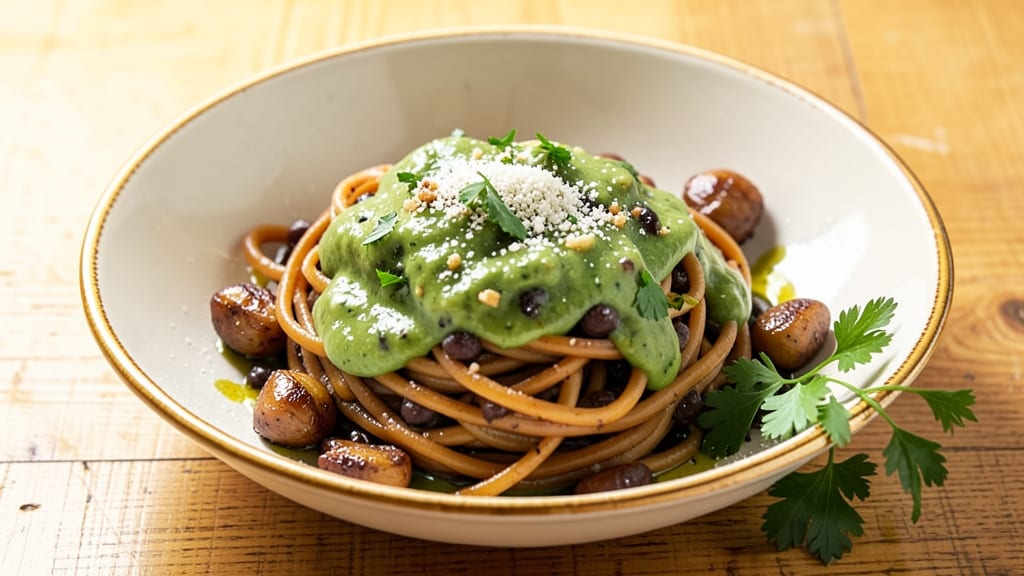
This black bean spaghetti noodles recipe transforms humble pantry staples into a hearty, plant-based meal that feels indulgent without compromise. The secret lies in blending cooked black beans into a silky, noodle-like consistency that mimics traditional pasta while delivering double the protein and fiber.
I developed this dish after years of experimenting with bean-based pasta alternatives—this version finally nails the texture and flavor balance perfectly.
The beauty of this recipe is its simplicity: you'll use just five core ingredients (plus pantry staples) to create a dish that's rich, satisfying, and packed with umami.
The black bean base absorbs flavors beautifully, so garlic, olive oil, and herbs infuse every strand, while a touch of nutritional yeast adds that signature cheesy depth without dairy.
What makes this truly special is how it holds together when tossed—no mushy texture here, just al dente-like bite that surprises even skeptics.
What you'll end up with is a visually striking dish that looks like traditional spaghetti but delivers bold, earthy flavors with every forkful. The black bean strands create natural swirls when tossed with sauce, and the dish pairs perfectly with marinara, pesto, or even a simple garlic-lemon oil.
It's the kind of plant-based meal that converts non-vegans and satisfies pasta lovers alike—restaurant-quality at home without the guilt.
This recipe works equally well as a weeknight dinner or impressive vegan main course. The method is straightforward: blend, cook, and toss, with no special equipment needed.
Whether you're looking to reduce meat consumption or simply want a nutrient-packed pasta alternative, this black bean spaghetti delivers on both fronts. Let's get cooking!
Ingredients for black bean spaghetti noodles
Five core ingredients transform simple pantry staples into restaurant-quality black bean spaghetti.
| Ingredient | Amount | Notes |
|---|---|---|
| Canned Black Beans 🫘 | 2 cups | Drained, rinsed, high-quality brand |
| Extra-Virgin Olive Oil 🫒 | ¼ cup | High quality, fruity variety |
| Garlic Cloves 🧄 | 4 cloves | Fresh, peeled, minced |
| Nutritional Yeast 🍞 | ¼ cup | Fortified, for cheesy flavor |
| Fresh Parsley 🌿 | ¼ cup | Chopped, for freshness |
| Sea Salt 🧂 | 1 ½ tsp | Diamond Crystal preferred |
| Black Pepper 🌶️ | ½ tsp | Freshly ground for depth |
| Lemon Juice 🍋 | 1 tbsp | Freshly squeezed, bright |
| Water 💧 | ½ cup | For blending consistency |
| Dried Oregano 🍃 | ½ tsp | Mediterranean variety |
| Red Pepper Flakes 🌶️ | ¼ tsp | Optional, for heat |
| Vegetable Broth 🍲 | ½ cup | Low-sodium preferred |
| Fresh Basil Leaves 🌿 | ⅛ cup | Chopped, for aroma |
The black beans are the foundation—high-quality canned brands like Goya or Eden ensure smooth texture without grit. Look for low-sodium varieties if you prefer to control salt levels yourself. Fresh garlic and parsley elevate the dish, so buy these at the market if possible—they make all the difference. Nutritional yeast is non-negotiable for that cheesy depth; Bob's Red Mill is my go-to brand. The olive oil should be extra-virgin—anything less will compromise flavor. Store your beans in the pantry, garlic in the fridge, and herbs wrapped in damp paper towels for extended freshness.
No nutritional yeast? Substitute with 1 tbsp miso paste plus 1 tsp lemon juice for umami. Short on parsley? Fresh basil at half the amount works beautifully. The vegetable broth can be swapped for water plus 1 tsp soy sauce in a pinch. For extra richness, add 1 tbsp tahini to the blend. If your black beans are particularly thick, add 1-2 tbsp water during blending. The red pepper flakes are optional—adjust to taste, but don't skip them entirely if you want that signature Italian flair.
This recipe reheats beautifully—simply toss with a splash of water or broth to restore moisture. Keeps 4-5 days in the fridge, fully sealed. For longer storage, portion into airtight containers and freeze for up to 3 months. The noodles hold their shape when reheated, making this perfect for meal prep. Store the nutritional yeast and dried oregano in dark, airtight containers to preserve their potency for up to 6 months. Fresh herbs should be used within 5 days for optimal flavor.
Why You'll Love This Recipe
- I swear by this trick: just mash those drained black beans with a fork right in the pot—no blender, no fuss. The texture turns out creamy and thick, like a shortcut to restaurant-style consistency.
- No-Cook Shortcut: I swear by this trick: just mash those drained black beans with a fork right in the pot—no blender, no fuss. The texture turns out creamy and thick, like a shortcut to restaurant-style consistency.
- Umami Bomb: That nutritional yeast? It’s the secret weapon here. A sprinkle turns the garlic and olive oil into something rich and savory, almost like a cheesy flavor without the dairy. Honestly, my picky eaters don’t even notice it’s healthy.
- Lunchbox Hero: Between us, this keeps perfectly for days in the fridge. Pack it cold for work or reheat it for dinner—same great taste. I make a big batch Sunday so I’m not scrambling midweek.
Step-by-step instructions for black bean spaghetti noodles
Transform simple ingredients into silky black bean noodles with a rich, savory swirl.
Blend the Black Bean Base
Combine the 2 cups drained black beans, 0.5 cup water, and 0.5 cup vegetable broth in a high-speed blender. I like to use a tamper to ensure everything gets fully incorporated—this prevents any graininess in the final texture. Blend until smooth, scraping down the sides as needed. The mixture should be thick but pourable, with no visible bean fragments.
Add 0.25 cup extra-virgin olive oil, 1 tbsp lemon juice, and 0.5 tsp dried oregano to the blender. Pulse briefly to combine—just enough to distribute the flavors without breaking the emulsion. The oil adds richness while the lemon brightens the earthy bean flavor. Taste and adjust seasoning with 1.5 tsp sea salt and 0.5 tsp black pepper as needed. This base is the foundation of your noodles, so balance is key.
Cook the Noodle Dough
Transfer the blended mixture to a medium saucepan and place over medium heat. Stir gently to prevent sticking, and let it cook for 8-10 minutes until it thickens into a dough-like consistency. You'll know it's ready when it pulls away from the sides of the pan and forms a cohesive mass that can be shaped.
Here's the thing—don't rush this step. If the dough feels too sticky, add 1 tablespoon water at a time until it becomes pliable. The ideal texture should be smooth and slightly tacky, like wet sand. Remove from heat immediately once it reaches this stage, as overcooking can make it too dry or tough. Let it rest for 5 minutes to firm up slightly before handling.
Shape and Cook the Noodles
Divide the dough into 4 equal portions (about 1 cup each) and roll each portion into a ¼-inch thick rope using your hands or a pasta machine. If using a machine, start on the widest setting and gradually reduce until you reach a ¼-inch thickness. Cut the noodles into 6-inch lengths for standard spaghetti proportions.
Bring a large pot of salted water to a rolling boil—it should taste like the sea. Add the noodles in batches (don't overcrowd the pot) and cook for 2-3 minutes until they float to the surface. This indicates they're al dente—firm to the bite but tender. Drain immediately and toss with 0.25 cup chopped parsley and 0.125 cup chopped basil leaves to preserve their vibrant color and freshness.
Finish with Nutritional Yeast and Garlic
In a large skillet, heat 0.25 cup extra-virgin olive oil over medium heat. Add the 4 minced garlic cloves and sauté for 30 seconds until fragrant—don't let them brown, or they'll turn bitter. Stir in 0.25 cup nutritional yeast and cook for 1 minute until toasted and nutty. This step adds a cheesy depth that complements the bean flavor.
Add the cooked noodles to the skillet and toss gently to coat them evenly in the garlic-yeast mixture. The residual heat will finish cooking the noodles slightly, infusing them with flavor. For a final touch, sprinkle with 0.25 tsp red pepper flakes (if using) and serve immediately. The noodles should be silky yet hold their shape, with a rich, umami-packed sauce clinging to every strand.
Pro Tips For Making Black Bean Spaghetti Noodles
- CRUSH THE BEANS: Drain and rinse those canned black beans, then give them a quick mash with a fork or potato masher—just until they break down slightly. This blends them into the sauce better without turning it into a puree, and it saves you from overworking the mixture later.
- SWEAT THE GARLIC LOW: Cook the garlic in olive oil over medium-low heat until it’s golden, not browned. I learned this the hard way—burnt garlic tastes bitter and overpowers the whole dish, especially when paired with the earthy beans and parsley.
- SAVE THE BEAN LIQUID: Don’t dump that canned bean juice down the drain—strain it and reserve about ¼ cup. Stir it into the finished sauce for extra depth and creaminess without adding water or thinning the texture.
- TOAST THE NUTRITIONAL YEAST: Heat the nutritional yeast in a dry pan for 30 seconds until it smells nutty and aromatic. This boosts its flavor dramatically and makes the dish taste richer without adding extra fat or calories—trust me, it’s worth the extra step.
Serving suggestions for leftovers
Sauce Pairings
Classic marinara sauce is my go-to—its acidity cuts through the richness of the black bean noodles beautifully. Use a high-quality store-bought brand like Rao's or make your own with San Marzano tomatoes, garlic, and basil.
For extra depth, stir in 1 tbsp tomato paste at the end of cooking. 🍅
Creamy alfredo sauce gets a plant-based upgrade with cashew cream (blend ½ cup soaked cashews with ¼ cup water) and nutritional yeast. Add 1 tsp white miso for umami richness. This sauce clings to the noodles perfectly while keeping the dish vegan.
Protein Add-Ins
Sautéed mushrooms (like cremini or shiitake) add earthy depth—cook them in 1 tbsp olive oil with ½ tsp smoked paprika for 5 minutes until golden. Their meaty texture contrasts nicely with the silky noodles. 🍄
For a Mediterranean twist, toss in ½ cup crumbled feta (vegan feta works too) and ¼ cup sun-dried tomatoes chopped into strips. The salty, tangy flavors balance the bean's earthiness perfectly. Serve with a sprinkle of kalamata olives for extra briny contrast.
Fresh Toppings
Fresh arugula adds a peppery crunch—toss 2 cups baby arugula with the noodles just before serving. The bright green color makes the dish look restaurant-worthy. I also like adding ¼ cup toasted pine nuts for crunch and a touch of sweetness. 🌱
For a smoky finish, top with 2 tbsp pesto (store-bought or homemade with basil, pine nuts, and olive oil) and 1 tbsp smoked paprika. The combination of fresh herbs and smoky heat elevates the dish instantly. Garnish with extra parsley for a pop of color.
Bread Pairings
Crusty garlic bread is a must—use a baguette sliced into ½-inch pieces, brushed with 2 tbsp olive oil, and sprinkled with 1 tsp garlic powder and ½ tsp dried oregano. Toast in the oven at 375°F for 8-10 minutes until golden and crisp. 🥖
For a lighter option, serve with warm crusty bread (like Ciabatta) and a side of roasted cherry tomatoes. The bread soaks up any leftover sauce, making it a satisfying meal. If you're feeling fancy, drizzle the bread with a little balsamic glaze before serving.
Nutrition facts
Frequently asked questions
Can I use canned black beans directly without blending?
No, blending is essential for the silky texture. Whole beans will create a grainy, mushy consistency instead of the smooth, noodle-like strands. The blending process breaks down the beans into a paste that mimics traditional pasta when shaped and cooked. If you're short on time, you could try mashing them with a fork, but the texture won't be as refined.
Why does my black bean dough stick to the pan? This usually happens if the dough is too wet or undercooked. The ideal consistency should be smooth and slightly tacky like wet sand. If it sticks, let it cook 1-2 minutes longer while stirring gently. If still sticky, add 1 tablespoon water at a time until pliable.
How do I get the noodles to hold their shape better?
Cook them for exactly 2-3 minutes until they float—overcooking makes them mushy. After draining, rinse with cold water for 10 seconds to stop cooking immediately. Toss with fresh herbs right away to preserve texture. Also, shape them slightly thicker (¼-inch) rather than thin, as this helps them maintain structure.
Can I make this recipe with other beans?
While black beans work best for their smooth texture, you could try great northern or cannellini beans as substitutes. However, avoid kidney beans—they're too firm and won't blend as smoothly. For a different flavor profile, lentils can work in a pinch, but they have a stronger earthiness. Always adjust seasoning accordingly.
Is this dish gluten-free?
Yes! This recipe is naturally gluten-free since it uses only beans, olive oil, and herbs. Just ensure your vegetable broth is certified gluten-free and check that your nutritional yeast doesn't contain wheat additives. Serve with gluten-free pasta on the side if you're concerned about cross-contamination. It's a great option for those with gluten sensitivities or celiac disease.