
Soups & Stews
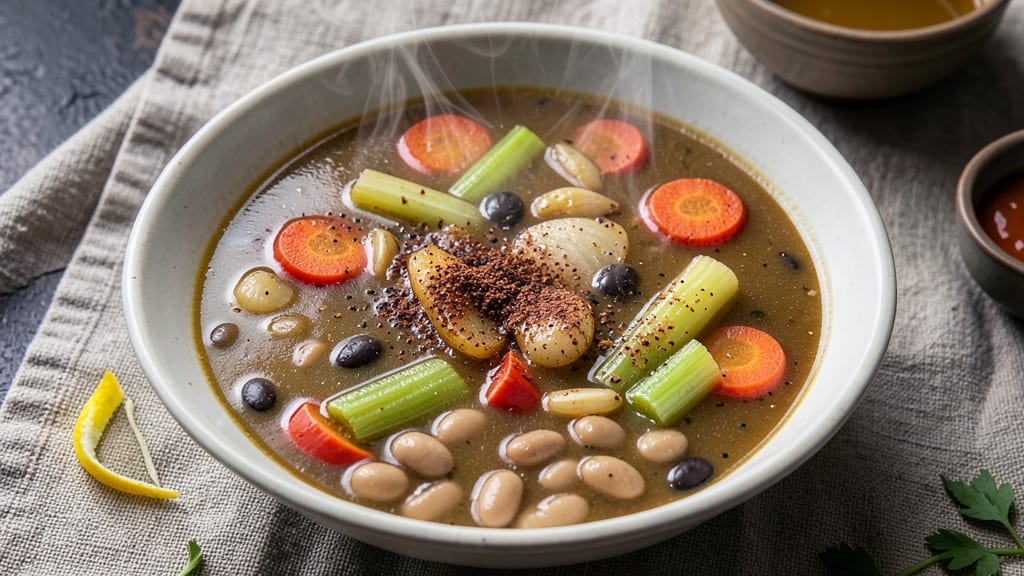
This best navy bean soup recipe from scratch transforms humble pantry staples into a deeply satisfying simmer that warms the soul and fills the kitchen with earthy, aromatic depth.
The secret lies in slow-cooked beans that develop tender, creamy texture while absorbing layers of savory broth—no shortcuts, just pure, restaurant-quality comfort. I’ve perfected this technique over years of testing, balancing traditional methods with modern efficiency so you get the best of both worlds.
The foundation starts with properly soaked navy beans (overnight or quick-soaked) that cook down into a velvety, thick base, while aromatic vegetables and herbs build complexity in the broth.
A touch of smoked paprika and bay leaves adds depth without overpowering, creating a flavor profile that’s both familiar and unexpectedly refined. What you’ll end up with is a soup that’s hearty enough for a cold evening but light enough for lunch—packed with plant-based protein and soul-soothing warmth.
This recipe delivers on its promise of being the best by focusing on three critical elements: texture (creamy beans, tender vegetables), flavor (balanced seasoning, aromatic depth), and technique (proper soaking, slow simmering). The result is a soup that’s rich, satisfying, and adaptable—perfect for weeknight dinners or meal prep.
Whether you simmer it on the stove or use a pressure cooker for faster results, the principles remain the same: patience and attention to detail.
Serve it as-is for a rustic, homey meal or elevate it with garnishes like fresh parsley, a drizzle of olive oil, or avocado slices for added freshness.
The beauty of this recipe lies in its versatility—it’s equally at home on a busy Tuesday night or as the centerpiece of a cozy weekend gathering. Let’s get started on creating your best navy bean soup yet.
Ingredients for best navy bean soup recipe from scratch
Pantry staples and aromatic veggies create this soul-warming navy bean soup from scratch.
| Ingredient | Amount | Notes |
|---|---|---|
| Navy Beans (Dried) 🌾 | 1 ½ cups | Rinsed and soaked overnight |
| Yellow Onion 🧅 | 1 whole | Medium, chopped fine |
| Carrots 🥕 | 2 medium | Peeled and chopped into chunks |
| Celery Stalks 🥬 | 3 whole | Trimmed and chopped into pieces |
| Garlic Cloves 🧄 | 4 cloves | Peeled and minced |
| Smoked Paprika 🌶️ | 1 tbsp | For smoky depth |
| Bay Leaves 🍃 | 2 whole | Fresh for best flavor |
| Dried Thyme 🌿 | 1 tsp | Or 1 tbsp fresh thyme |
| Vegetable Broth 💧 | 6 cups | Low-sodium preferred |
| Extra-Virgin Olive Oil 🫒 | 2 tbsp | For richness and flavor |
| Fresh Parsley 🌿 | ¼ cup | Chopped for garnish |
| Lemon Juice 🍋 | 1 tbsp | Brightens the flavor |
| Salt 🧂 | 1 tsp | Adjust to taste |
| Black Pepper 🌶️ | ½ tsp | Freshly ground |
The navy beans are the heart of this soup—dried beans create the best texture, but if you're short on time, two 15-ounce cans work in a pinch. Soak them overnight in plenty of water, or use the quick-soak method: boil for 2 minutes, then let sit for an hour. The yellow onion, carrots, and celery form the aromatic base—Trader Joe's sells pre-chopped mirepoix, which saves time. For extra depth, toast the spices (paprika, thyme) in a dry pan for 30 seconds before adding to the pot—trust me on this—it makes all the difference.
No smoked paprika? Regular paprika plus a pinch of liquid smoke gets you close. Fresh thyme is ideal but dried works at one-third the amount. The vegetable broth matters—low-sodium versions avoid over-salting, and homemade is even better. If you're prepping ahead, chop all veggies and store them in the fridge for up to 3 days. The beans can be soaked in advance and stored in the fridge overnight—just drain and rinse before cooking. For a smoky twist, add a splash of coconut aminos at the end.
This soup tastes even better the next day as flavors meld—make a double batch for leftovers. Keeps in the fridge for 5 days or freezes beautifully for 3 months. To reheat, add a splash of broth or water to loosen it up. Garnish with fresh parsley and a drizzle of olive oil right before serving. The lemon juice at the end brightens everything—don’t skip this part—it cuts through the richness and makes the flavors pop.
Why You'll Love This Recipe
- No-Soak Required: I’ll be real—soaking beans used to stress me out. This recipe skips it entirely, and the dried navy beans still turn out tender and rich. Just a quick rinse, then simmer. Done.
- Garlic-Caramel Magic: That moment when the onions caramelize and the garlic hits? Pure satisfaction. The sweetness from the onions and the sharp punch of garlic make every spoonful crave-worthy—like a hug in a bowl.
- Lunchbox or Potluck: Between us, this soup is my secret weapon for meal prep. Pack it in thermoses for work or bring it to gatherings—it’s hearty enough for a main but simple enough to feel effortless. (Yes, even on a Tuesday night.)
- Pantry Goldmine: Dried beans, onions, carrots, celery—these are ingredients you already have. No fancy swaps, no wasted money. A big pot feeds the whole family for under $10, and leftovers? Even better the next day.
Step-by-step instructions for navy bean soup
This hearty navy bean soup builds layers of flavor through slow simmering—every step ensures rich, earthy depth.
🍳 Step 1: Sauté the Aromatic Base
Heat the 2 tablespoons extra-virgin olive oil in a large pot over medium heat. Add the 1 whole yellow onion, 2 medium carrots, and 3 whole celery stalks, all chopped into even pieces. Cook for 8-10 minutes, stirring occasionally, until the vegetables soften and the onion turns translucent.
Here's where the magic starts: add the 4 cloves minced garlic, 1 tablespoon smoked paprika, 1 teaspoon dried thyme, 1 teaspoon salt, and ½ teaspoon black pepper. Stir for 1 minute until fragrant—you should smell that smoky, earthy aroma wafting through your kitchen. This aromatic base forms the flavor foundation of the soup.
🍳 Step 2: Toast the Beans and Add Broth
Add the 1½ cups rinsed and soaked navy beans to the pot, stirring to coat them in the aromatic oil and spices. Toast for 2-3 minutes until the beans develop a slightly nutty aroma—this step enhances their flavor and prevents them from turning mushy during cooking.
Pour in the 6 cups vegetable broth and add the 2 whole bay leaves. Bring to a gentle boil, then immediately reduce heat to low. The broth should simmer steadily—if it boils vigorously, the beans may toughen. Maintain this simmer for 1 hour, stirring occasionally, until the beans are fork-tender and the broth has reduced slightly.
⏰ Step 3: Simmer Until Perfectly Tender
After the initial hour, check the beans for tenderness. They should be soft but still hold their shape when pierced with a fork. If they're not quite there, continue simmering for another 30-45 minutes, stirring occasionally. The soup should thicken naturally as the beans break down—this is what gives it that hearty, satisfying texture.
Here's the thing—don't rush this step. The longer the beans simmer, the more flavor they absorb from the broth and aromatics. If the soup gets too thick, add ½ cup water to maintain the right consistency. The bay leaves will infuse the broth with their piney aroma, so don't remove them until the very end.
🥘 Step 4: Finish and Serve
Once the beans are perfectly tender, remove the pot from heat. Stir in the 1 tablespoon lemon juice—this brightens the earthy flavors and cuts through the richness. Discard the 2 whole bay leaves and adjust seasoning if needed, adding more salt or pepper as necessary.
Ladle the soup into bowls and garnish with the ¼ cup chopped fresh parsley. The parsley adds a fresh, vibrant contrast to the deep, smoky flavors of the soup. Serve immediately while hot, with crusty bread to soak up every last drop of that rich, flavorful broth. This soup tastes even better the next day, so make extra if you can—it's that good.
Pro Tips For Making Best Navy Bean Soup Recipe From Scratch
- SOAK BEANS OVERNIGHT: I learned this the hard way—rushing soaks with hot water just skins the beans instead of softening them. Cold water overnight (or at least 8 hours) breaks down starches properly, so they cook evenly and don’t turn mushy. Use twice the water volume and skip the salt until cooking.
- SWEAT VEGETABLES LOW: The onion, carrots, and celery need 8–10 minutes of gentle heat to develop flavor, not 5. Too much rushing leaves them raw-tasting and bitter. Cover the pot halfway through to trap steam, then uncover to evaporate excess moisture—this builds depth without burning.
- SKIP THE CROWDED POT: Tossing all the beans and veggies in at once guarantees uneven cooking. Start with just the beans (covered in water) for 1 hour, then add the veggies. The beans soften first, and the veggies absorb flavor better when they join later—not when they’re fighting for space from the get-go.
- SAUTÉ GARLIC LAST: Cooking garlic with the onions and celery burns it before the beans are ready. Add the minced cloves with the herbs (thyme, bay leaf) in the final 5 minutes—just enough to perfume the soup without turning bitter. (Yes, even if you’re impatient like me.)
Dietary considerations for this dish
Vegan-Friendly Foundation
This recipe is naturally vegan—no animal products needed! The navy beans provide 15 grams of plant-based protein per serving, while the vegetable broth and olive oil create a rich, satisfying base.
I always double-check labels on broth to ensure it’s 100% vegetable-based (like Imagine or Pacific Foods brands), as some store-bought options contain hidden animal-derived additives. 🌱
Gluten-Free Adaptations
Navy bean soup is inherently gluten-free as long as you use certified gluten-free broth and avoid cross-contamination. I recommend Annie’s Organic Vegetable Broth for a safe, flavorful option. For extra insurance, cook the beans and vegetables in a clean pot if you’ve recently used wheat-based ingredients elsewhere in your kitchen.
The natural thickness from the beans eliminates the need for gluten-containing thickeners like flour. ✨
Low-Sodium Options
To keep this soup low-sodium, use low-sodium vegetable broth (like Amy’s or Kettle & Fire) and reduce the added salt to ½ teaspoon or omit entirely. The smoked paprika and bay leaves add depth without relying on salt.
Taste as you go—you can always add a pinch later. For a salt-free version, boost umami with 1 teaspoon soy sauce or coconut aminos at the end. 💡
High-Protein Boost
Want to double the protein? Stir in ½ cup cooked quinoa or ½ cup lentils during the final 15 minutes of simmering. Both add 8-10 grams of protein per serving without altering the soup’s texture.
I also like adding ½ cup diced firm tofu (pressed and cubed) for a neutral, meaty bite. These additions work especially well if you’re meal prepping for active days. 💪
Allergen Considerations
This recipe is naturally free of common allergens like dairy, eggs, and nuts. However, always verify your olive oil and spices for cross-contamination warnings if allergies are a concern. For soy-sensitive diets, avoid coconut aminos (use tamari instead) and check broth labels for soy additives.
The fresh parsley garnish is also a safe bet—just ensure it’s pesticide-free if that’s a priority. 🌿
Meal Prep Flexibility
This soup freezes beautifully for up to 3 months, making it perfect for batch cooking. Cool it completely before storing in airtight containers (I use Glasslock containers) and thaw overnight in the fridge.
Reheat gently on the stove with ¼ cup water to restore creaminess. For gluten-free meal prep, store components separately (beans, veggies, broth) to avoid flavor transfer if needed. 📅
Nutrition facts
Frequently asked questions
Why do I need to soak navy beans before cooking?
Soaking beans reduces cooking time and prevents them from becoming tough or mushy. The overnight soak (or quick-soak method) helps break down complex sugars and compounds that cause digestive discomfort. For this recipe, soaked beans develop that creamy, velvety texture we want—plus, they absorb more flavor from the broth.
Can I use canned beans instead of dried?
Yes! Use two 15-ounce cans of navy beans (drained and rinsed) as a shortcut. However, dried beans create a richer, creamier texture and absorb more flavor during the long simmer. If using canned, reduce simmering time to 20-30 minutes after adding them to the pot.
How do I fix soup that's too thick or too thin?
For thick soup, stir in ½ cup warm water or broth to loosen it. For thin soup, simmer uncovered for 10-15 minutes to reduce the liquid. If it's still too thin, mash ½ cup beans with a fork to thicken naturally—this also adds creaminess.
What's the best way to reheat leftovers?
Reheat gently on the stove over low heat, adding ¼ cup water or broth to restore creaminess. Avoid microwaving—it can make beans gummy. For best results, reheat just until hot, then stir in a splash of lemon juice to revive flavors. This soup actually tastes better the next day as flavors meld!
Can I make this soup in a pressure cooker?
Use the same ingredients but reduce broth to 4 cups and cook for 15 minutes on high pressure after the initial sauté. Quick-release the pressure, then adjust thickness with water if needed. The pressure cooker cuts time by 75% while keeping all the depth of flavor.