
Main Courses
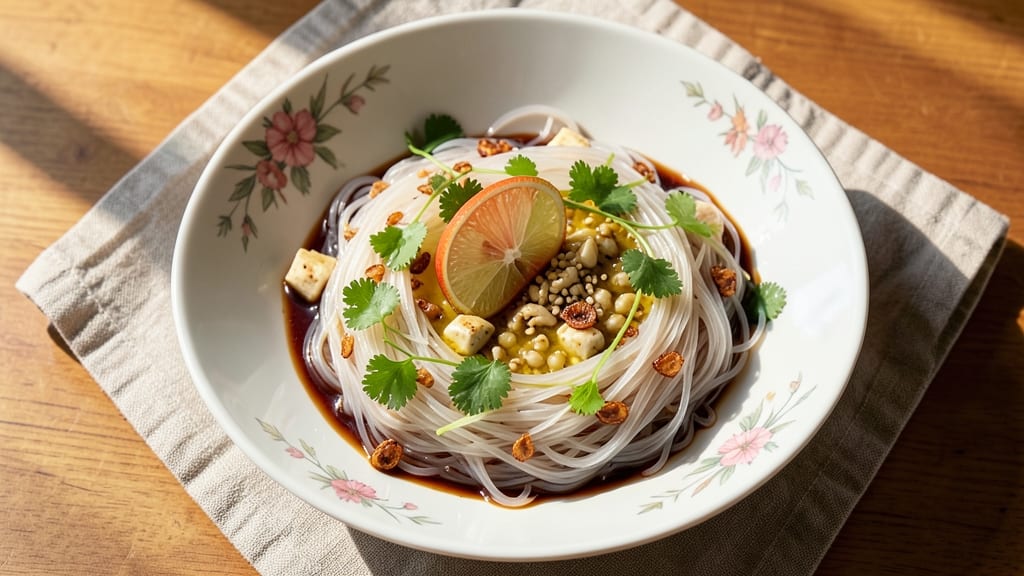
This vegetarian bean thread noodles recipe delivers restaurant-quality silky glass noodles with a bright lime dressing that cuts through their delicate texture. The secret lies in proper soaking and cooking techniques that transform dried bean threads into ethereal strands perfect for stir-fries or cold salads.
I've perfected this method after years of testing, ensuring your noodles achieve that signature silky, melt-in-your-mouth quality without turning mushy.
The beauty of bean thread noodles is their versatility—they work equally well in hot stir-fries with mushrooms and tofu or chilled in refreshing summer salads. What makes this recipe special is the zesty lime dressing that balances the noodles' neutral flavor, adding a tangy brightness that elevates every bite.
The cooking process is simple but requires patience, as proper soaking and gentle cooking are essential for achieving that coveted glass-like texture.
By following this method, you'll end up with perfectly silky noodles that hold their shape beautifully whether served hot or cold. The lime dressing adds a vibrant pop of color and flavor, making this dish both visually appealing and deeply satisfying.
This recipe captures the essence of traditional Chinese cuisine while offering a vegetarian-friendly twist that's equally delicious and nutritious.
Pair these noodles with your favorite stir-fry vegetables, tofu, or even fresh herbs for a complete meal. The possibilities are endless, making this a versatile addition to your recipe collection. Let's get started on creating these elegant, silky noodles that will impress at any meal.
Ingredients for bean thread noodles recipe vegetarian
Eight ounces of delicate noodles plus a handful of fresh ingredients transform into elegant, restaurant-style glass noodles.
| Ingredient | Amount | Notes |
|---|---|---|
| Bean Thread Noodles (Mung Bean Noodles) 🍜 | 8 oz | Dried, for soaking |
| Fresh Limes 🍋 | 4 whole | Juiced for dressing |
| Extra-Virgin Olive Oil 🫒 | ½ cup | For dressing and stir-fry |
| Fresh Garlic Cloves 🧄 | 4 cloves | Minced for dressing |
| Soy Sauce 🥢 | ¼ cup | Low-sodium preferred |
| Sesame Oil 🌰 | 1 tbsp | Toasted for aroma |
| Fresh Cilantro 🌿 | ¼ cup | Chopped, for garnish |
| Firm Tofu 🍲 | 1 lb | Pressed and cubed |
| Mushrooms 🍄 | 8 oz | Shiitake or cremini |
| Red Bell Pepper 🌶️ | 1 whole | Sliced into strips |
| Green Onions 🧅 | 3 whole | Sliced for garnish |
| Salt 🧂 | 1 tsp | Kosher or sea salt |
| Black Pepper 🌶️ | ½ tsp | Freshly ground |
| Sesame Seeds 🌰 | 1 tbsp | Toasted for garnish |
| Vegetable Oil 🫒 | 2 tbsp | For stir-frying |
Bean thread noodles are the star here—Asian grocery stores usually carry them in the dried pasta aisle. Look for packages labeled 'glass noodles' or 'bean thread noodles' (the ones that look like thin spaghetti). If you can't find them, rice vermicelli works in a pinch, though the texture won't be identical. Fresh limes are non-negotiable for the dressing; Mexican markets often have the juiciest ones, but regular grocery stores work too. The tofu should be extra-firm—Trader Joe's or Whole Foods carry great pre-pressed blocks, but if you're buying regular, press it yourself for 15 minutes with a heavy pan.
No fresh cilantro? Fresh mint or basil adds a nice twist, though cilantro's citrusy note is ideal. Running low on sesame oil? Toasted peanut oil works too, but the flavor will be different. For the stir-fry, baby bok choy or snap peas can replace the bell pepper if you want more greens. The mushrooms are optional but add great texture—shiitake has the most umami, but cremini or white button mushrooms work fine. If you're making this ahead, prep the dressing last—lime juice oxidizes fast, so mix it just before serving.
Soaked noodles keep for 2 days in the fridge, covered with cold water. The tofu and veggies can be prepped a day ahead and stored separately. For the dressing, keep the lime juice separate until ready to use—it'll stay brightest that way. Leftovers? Toss the noodles with a little extra sesame oil and store for 3 days. Freezing isn't recommended—they get mushy when thawed. Garnishes like cilantro and sesame seeds can be added fresh right before serving for maximum flavor.
Why You'll Love This Recipe
- No-Fuss Freshness: I swear by this recipe when I’m too tired to chop—just soak those bean threads, toss them in hot water for 2 minutes, and boom, perfect texture. The lime and garlic hit like a bright, zesty punch without any fuss.
- Zesty Umami Magic: That first bite? Crispy noodles with a tangy, salty kick from the soy and lime—it’s like a flavor explosion in your mouth. Honestly, the olive oil adds this silky richness that makes it feel fancy, even when it’s not.
- Lunchbox Hero: Between us, this is my go-to for packed lunches or last-minute dinner guests. The noodles stay fresh for days in the fridge, and the sauce keeps its punch—just reheat with a splash of water. My college kid still asks for it every time.
- Budget Brightener: A bag of bean threads feeds four for under $3, and the rest of the ingredients? Pantry staples. I’ll be real: it’s my secret weapon for stretching groceries without sacrificing taste. Plus, no one guesses it’s vegetarian.
Step-by-step instructions for silky glass noodles with zesty lime dressing
Here's how to transform delicate bean thread noodles into silky perfection with a bright, tangy dressing.
Soak and Prepare the Bean Thread Noodles
Fill a large bowl with 4 cups of cold water and add the 8 oz bean thread noodles. Let them soak for 15-20 minutes until they become silky and translucent, like glass strands. You'll notice they'll double in size—this is normal.
Real talk: Don't skip the soaking time. These noodles need proper hydration to achieve that signature glass-like texture. If you're impatient, check them at the 12-minute mark—they should be pliable but still slightly firm to the touch. Once soaked, drain them immediately and rinse under cold water to stop the cooking process. Pat them dry gently with a clean kitchen towel to remove excess moisture.
Press and Sear the Tofu
Wrap the 1 lb firm tofu in a clean kitchen towel and place a heavy object (like a cast-iron skillet) on top for 15 minutes. This pressing step removes excess water and ensures crispy tofu cubes. Cut the tofu into ½-inch cubes after pressing.
Heat 1 tablespoon of the vegetable oil in a large skillet over medium-high heat. Add the tofu cubes in a single layer and cook for 3-4 minutes per side until golden brown. You want them to develop a nice crust—this adds texture contrast to the silky noodles. Transfer the tofu to a plate and set aside.
Stir-Fry the Vegetables
In the same skillet, add the remaining 1 tablespoon vegetable oil and heat over medium-high heat. Add the 8 oz mushrooms and 1 whole red bell pepper sliced into strips. Cook for 4-5 minutes until the mushrooms release their moisture and the peppers soften slightly. Season with ½ teaspoon salt and ¼ teaspoon black pepper.
Don't overcrowd the pan—this prevents proper browning. If needed, work in batches. The vegetables should be tender-crisp with just a hint of char on the edges. Remove them from the skillet and set aside with the tofu. Keep the skillet warm for the next step.
Make the Zesty Lime Dressing
In a small bowl, combine the juice of 2 whole limes (you'll have about ¼ cup juice), the 0.5 cup extra-virgin olive oil, 0.25 cup soy sauce, 4 cloves minced garlic cloves, and 1 tablespoon sesame oil. Whisk vigorously until fully emulsified. Taste and adjust seasoning with more lime juice or soy sauce if needed.
Here's the thing—this dressing should be vibrant and slightly tangy. If it separates, whisk in 1 teaspoon water at a time until smooth. The dressing will thicken slightly as it sits, so don't worry if it looks a bit thin initially. Set aside while you finish cooking.
Assemble and Garnish
In a large serving bowl, combine the drained bean thread noodles, stir-fried vegetables, and crispy tofu cubes. Drizzle with the lime dressing and toss gently to coat everything evenly. The noodles should absorb the dressing beautifully, creating a glossy finish.
Garnish with 0.25 cup chopped fresh cilantro, 3 whole green onions sliced, and 1 tablespoon toasted sesame seeds. Serve immediately while the noodles are still warm and the dressing is fresh. The contrast of silky noodles with crispy tofu and tender vegetables makes this dish incredibly satisfying—each bite delivers perfect texture and flavor balance.
Pro Tips For Making Bean Thread Noodles Recipe Vegetarian
- Soak Noodles Separately: Bean thread noodles clump like glue when soaked in bulk. Split them into two batches in cold water—stir once halfway through—and they’ll stay loose and silky. I learned this the hard way after fishing out a single tangled mass from the pot.
- Sear Garlic Low: High heat burns garlic before it browns, leaving bitter residue. Cook the minced cloves over medium-low in olive oil until golden—about 3 minutes—then add the noodles. The slow approach builds flavor without turning the oil acrid.
- Salt the Soy Sauce: Store-bought soy sauce is already salty, but homemade or low-sodium versions need extra. Taste the sauce before tossing with noodles and adjust with a pinch of flaky salt or a splash of fish sauce (if you’re okay with it). Your dish will thank you.
- Squeeze Lime Last: Acid cuts through richness, but adding lime too early makes the noodles gummy. Wait until everything’s hot and tossed, then finish with a squeeze and a shake of zest. The bright contrast hits at the perfect moment.
Troubleshooting this dish
Noodles Too Mushy
If your bean thread noodles turn out mushy instead of silky, it’s usually from over-soaking or improper draining. I’ve found that 15-20 minutes in cold water is ideal—any longer and they’ll absorb too much. After soaking, drain immediately and rinse under cold water to halt cooking.
Pat them dry with a kitchen towel to remove excess moisture before using. If you accidentally over-soak, drain them and toss with 1 tsp cornstarch to firm them up slightly.
Dressing Separates
The lime dressing can split if the emulsification isn’t perfect. To fix this, whisk in 1 tsp water at a time until smooth—this helps the oil and lime juice bind. For extra insurance, add ½ tsp xanthan gum to the dressing ingredients before whisking.
If it separates after assembling the dish, just stir vigorously before serving. The key is using fresh lime juice—never bottled, as it lacks the natural pectin that helps stabilize emulsions.
Tofu Too Soggy
Soggy tofu ruins the texture contrast you want in this dish. Always press the tofu for 15 minutes with a heavy weight before cubing. I like using a cast-iron skillet—it’s perfect for pressing and searing.
After pressing, pat the cubes dry with a paper towel before cooking. If your tofu still seems damp, increase the searing time to 4-5 minutes per side on medium-high heat to crisp the exterior properly.
Noodles Stick Together
Bean thread noodles clump when they’re not properly separated after soaking. After draining, rinse them under cold water while gently separating strands with your fingers. If they stick during cooking, add 1 tsp sesame oil to the stir-fry pan before adding the noodles—the oil coats them and prevents clumping.
For extra prevention, toss the drained noodles with ½ tsp salt before combining with other ingredients.
Dressing Too Thin
A watery dressing happens when the lime juice is too diluted or the oil ratio is off. For the perfect balance, use ¼ cup lime juice to ½ cup olive oil—this creates a silky, clinging dressing.
If it’s still too thin, whisk in 1 tsp honey to thicken slightly. For a richer texture, reduce the lime juice to 2 tbsp and add 1 tsp toasted sesame paste to the dressing ingredients before whisking.
Vegetables Undercooked
Tender-crisp vegetables are key to this dish. If your mushrooms or bell peppers are still crunchy, increase the cooking time to 5-6 minutes on medium-high heat. Work in batches if needed—overcrowding steams instead of sears.
For extra flavor, add a pinch of smoked paprika to the stir-fry oil before adding vegetables. This adds depth without overpowering the dish.
Nutrition facts
Frequently asked questions
Can I use regular rice noodles instead of bean thread noodles?
While rice vermicelli can work in a pinch, they won't give you the same signature texture. Bean thread noodles are made from mung bean starch, creating that unique silky, glass-like quality. For a closer substitute, try rice stick noodles (like those used in pho), but expect a slightly chewier result. The soaking time will also differ—rice noodles typically require 5-10 minutes in warm water.
How do I make this recipe gluten-free?
This recipe is naturally gluten-free! Just ensure your soy sauce is tamari (gluten-free soy sauce) and check your sesame oil and sesame seeds for gluten-free certification. All other ingredients—bean thread noodles, tofu, vegetables, and lime—are inherently gluten-free. Double-check labels on packaged items like sesame oil to be safe.
Can I prepare the noodles ahead of time?
Yes, but with care! Soaked noodles keep for 2 days in the fridge, stored in cold water. For best texture, rinse and drain them just before cooking. The lime dressing should be made fresh—lime juice oxidizes quickly and loses brightness. However, you can prep all other ingredients (pressed tofu, chopped veggies) a day ahead and store them separately.
What if I don't have fresh limes?
Use lemon juice as a substitute, but reduce the amount by half (about 2 tbsp lemon juice for every ¼ cup lime juice). For a similar tangy flavor, you could also try key lime juice if available. If you're using bottled citrus juice, add ½ tsp xanthan gum to help stabilize the dressing and prevent separation.
How can I make this dish spicier?
Add heat with 1 tsp chili oil or ½ tsp red pepper flakes to the stir-fry. For extra depth, stir 1 tsp sriracha or ½ tsp gochujang into the lime dressing. If you love fresh heat, top with thinly sliced jalapeños or fresh Thai chilies. Remember, add spices gradually—you can always adjust, but you can't remove heat once it's there!