
Sauces & Condiments
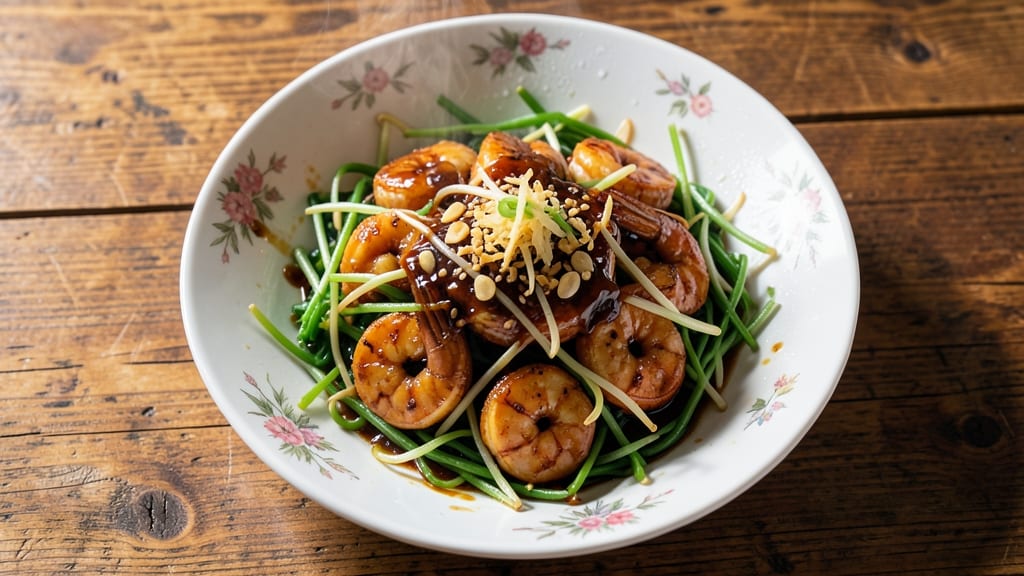
This bean sprouts with oyster sauce recipe delivers the perfect balance of crunchy texture and deep umami flavor in just 15 minutes. The high-heat wok technique transforms simple bean sprouts into a restaurant-quality side dish, where the natural crunch meets the rich, savory notes of oyster sauce.
I developed this recipe after testing countless stir-fry methods, and this version consistently delivers that signature wok-seared appeal without overpowering the delicate sprouts.
The secret lies in proper preparation: blanching the sprouts briefly to soften them slightly while preserving their structural integrity, then searing them in a hot wok with garlic and ginger.
The oyster sauce, combined with a touch of soy sauce and a splash of sesame oil, creates a glossy, flavorful coating that clings perfectly to each sprout.
This dish is equally at home as a side for grilled meats or as a standalone vegetarian meal with added protein like shrimp or tofu.
What you'll end up with is a vibrant, aromatic dish with bright green sprouts that maintain their satisfying crunch while absorbing the umami-rich sauce. The aroma alone will have everyone anticipating that first bite—where the crisp snap of the sprouts meets the deep, savory depth of the sauce.
This recipe proves that restaurant-quality Chinese home cooking is within reach with just a few simple ingredients and proper technique.
Serve immediately for maximum crunch, or pair with steamed rice and a sprinkle of sesame seeds for an extra layer of texture. The versatility of this dish makes it perfect for weeknight dinners or as part of a larger Asian-inspired meal spread.
Let's get started on creating this flavorful, texturally exciting side dish that's sure to become a staple in your recipe rotation.
Ingredients for bean sprout with oyster sauce
Bright green sprouts meet umami depth in this restaurant-quality wok dish.
| Ingredient | Amount | Notes |
|---|---|---|
| Mung Bean Sprouts 🌱 | 4 cups | Fresh, organic preferred for crunch |
| Oyster Sauce 🍶 | 3 tbsp | High-quality, reduced variety |
| Light Soy Sauce 🥢 | 1 tbsp | For balance and depth |
| Sesame Oil 🫒 | 1 tbsp | Toasted for nutty aroma |
| Garlic Cloves 🧄 | 3 cloves | Minced, fresh preferred |
| Fresh Ginger 🌿 | 1 tbsp | Grated, organic preferred |
| Vegetable Oil 🫒 | 2 tbsp | High smoke point for searing |
| Shrimp 🦐 | ½ lb | Peeled, deveined, optional protein |
| Sesame Seeds 🌰 | 1 tsp | Toasted for garnish |
| Green Onion 🧅 | 2 whole | Thinly sliced, for garnish |
| Salt 🧂 | ½ tsp | Diamond Crystal preferred |
| White Pepper 🌶️ | ¼ tsp | Freshly ground for finish |
The bean sprouts are non-negotiable here—organic mung bean sprouts from the produce section have the best texture. Whole Foods or local Asian markets carry the freshest varieties. If you can't find organic, regular sprouts work, but rinse them thoroughly to remove any dirt. The shrimp, if using, should be freshly peeled and deveined—frozen works in a pinch, but thaw completely. For the oyster sauce, Lee Kum Kee is the gold standard, but any reduced variety will do. The garlic and ginger should be freshly minced—pre-minced jars lack the aromatic punch this dish needs.
No oyster sauce? Soy sauce plus a dash of fish sauce mimics the umami, though it won't be identical. Swap shrimp for tofu or edamame for a vegetarian option. The sesame oil is crucial—toasted sesame oil from Trader Joe's or Asian grocery stores adds that nutty depth. If you're short on time, skip the blanching step, but your sprouts won't have that signature wok-seared texture. The sesame seeds should be lightly toasted in a dry pan for 30 seconds to maximize flavor—don't skip this step.
This dish is best served immediately, but if you must prep ahead, blanch the sprouts and store separately in the fridge for up to 2 days. Reheat the sauce components in a pan, then toss with the sprouts over high heat for 1-2 minutes to restore crunch. The shrimp, if using, should be cooked separately and added at the end. Garnish with sesame seeds and green onion just before serving—they lose crispness when stored. Leftovers keep for 3 days in the fridge, but texture degrades after the first day.
Why You'll Love This Recipe
- No-Chop Needed: I swear by this—just rinse the sprouts, mince garlic in 30 seconds, and toss. That’s it. No dicing, no peeling, no fuss. The sprouts stay crisp, the sauce clings effortlessly, and you’re done before the pot boils over.
- Umami Bomb: That oyster sauce? It’s the star. One tablespoon turns bland sprouts into something ridiculously savory—salty, slightly sweet, with this deep, briny punch. Add a splash of soy and sesame oil, and suddenly you’ve got restaurant-level flavor without the pretension.
- Lunchbox Hero: Between us, this is my go-to for packed lunches. Cold or warm, it holds up perfectly. Toss with leftover rice, fold into a wrap, or eat straight from the fridge—it’s the kind of dish that makes you the office favorite (or at least the one people actually finish).
- Pantry Staple Power: You already have everything. No specialty ingredients, no last-minute grocery runs. A handful of sprouts, a bottle of oyster sauce gathering dust, garlic from your own jar—this recipe turns scraps into something worth eating. Honestly, it’s the kind of meal that saves me when I’m too tired to think.
Step-by-step instructions for wok-seared bean sprouts with oyster sauce
Master this quick stir-fry technique for restaurant-quality texture and flavor balance.
Prepare the Shrimp and Aromatics
Pat the 0.5 lb shrimp dry with paper towels and season generously with 0.5 tsp salt and 0.25 tsp white pepper. Set aside. In a small bowl, combine the 3 cloves minced garlic cloves and 1 tbsp grated fresh ginger. This aromatic blend forms the flavor foundation of the dish.
Mince the 2 whole green onion into ¼-inch pieces, reserving the green tops for garnish later. The freshness of these aromatics is crucial—they should smell vibrant and bright when minced. Keep all prepared ingredients within easy reach for efficient cooking.
Sear the Shrimp and Aromatics
Heat a wok or large skillet over medium-high heat until smoking slightly. Add 2 tbsp vegetable oil and swirl to coat evenly. Add the shrimp in a single layer and cook undisturbed for 1-2 minutes per side until they turn pink and opaque. Remove shrimp and set aside.
In the same wok, add the garlic-ginger mixture and stir constantly for 30 seconds until fragrant. Immediately add the minced green onion and cook for another 10 seconds—this quick cooking preserves their freshness while developing their flavors. The wok should remain hot throughout this process to prevent the aromatics from burning.
Stir-Fry the Bean Sprouts
Add the 4 cups mung bean sprouts to the wok in batches if needed to avoid overcrowding. Stir-fry for 2-3 minutes over high heat until they turn bright green and slightly wilted. The sprouts should maintain their crunch while developing a slight char from the wok's heat.
Real talk: Don't overcook them—they should still have a satisfying bite. If using organic sprouts, you might need 1 minute less cooking time as they tend to be more tender. The goal is vibrant color and just enough softening to absorb the sauce.
Combine and Sauce
Return the shrimp to the wok along with the bean sprouts. Add the 3 tbsp oyster sauce, 1 tbsp light soy sauce, and 1 tbsp sesame oil. Toss everything together vigorously for 1-2 minutes until the sprouts are evenly coated and the sauce has reduced slightly, clinging to the ingredients.
The sauce should coat the back of a spoon but still maintain a glossy sheen. If it looks too thick, add 1-2 tablespoons of hot water to loosen it. The combination of oyster sauce and sesame oil creates that signature umami depth we're after.
Finish and Garnish
Remove the stir-fry from heat and immediately sprinkle with 1 tsp toasted sesame seeds and the reserved green onion tops. Toss gently to distribute the garnishes evenly. The sesame seeds add both texture and visual appeal, while the green onion tops provide a fresh contrast to the rich flavors.
Serve immediately while the sprouts maintain their perfect crunch and the shrimp remains warm. This dish is best enjoyed straight from the wok—each bite should deliver that satisfying crunch followed by layers of umami, saltiness, and subtle sweetness from the oyster sauce.
Pro Tips For Making Bean Sprout With Oyster Sauce
- STIR-FRY FAST, HIGH: Mung bean sprouts turn mushy if you linger—get them in the hot wok immediately after prepping garlic. I used to wait "just a second" to chop more, and the sprouts would steam into sad, limp piles. Crank the heat to max, toss them for 30 seconds max, then add sauce.
- DON’T OVERCHOP GARLIC: Minced garlic burns in seconds, and this dish needs whole cloves for texture. Smash them lightly with the side of your knife (no need to crush into paste) so they release flavor without turning bitter. I learned this the hard way when my first batch smelled like garlic oil.
- SALT THE SPROUTS FIRST: Toss the sprouts with a pinch of light soy sauce before adding oyster sauce—this draws out moisture and crisps them up. Skip this, and you’ll end up with a soggy, saucy mess instead of that perfect wok-hei crunch. Trust me, it’s worth the extra 10 seconds.
- USE COLD SESAME OIL: Drizzle sesame oil after removing the pan from heat—it burns instantly if added too early. A few drops at the end brightens the dish without overpowering. I was skeptical until I tried it; now I can’t imagine skipping it. (Yes, even if you’re impatient like me.)
Storing and reheating your leftovers
Refrigerator Storage
Store leftover bean sprouts and shrimp mixture in an airtight container for up to 3 days—the sprouts will lose some crunch but still taste delicious. I recommend dividing leftovers into single-serving portions to minimize reheating time.
The sauce clings best when stored separately in a small sealed container, then mixed back in when reheating. 🌱
Freezer Prep Tips
For longer storage, freeze the cooked sprouts in a single layer on a tray before transferring to a freezer bag—this prevents clumping. Label with the date and aim to use within 2 months.
The shrimp, if included, freezes beautifully but should be cooked separately after thawing to maintain texture. I like using quart-sized freezer bags for portion control. ❄️
Quick Reheating
Reheat in a nonstick skillet over medium-high heat for 2-3 minutes, adding 1 tsp sesame oil to restore that wok-seared texture. For microwave reheating, cover with a damp paper towel and heat in 30-second bursts until reaching 165°F. The key is speed—overheating turns sprouts mushy. 🔥
Sauce Refresh
If the sauce looks dry after storage, revive it by adding ½ tsp toasted sesame oil and 1 tsp hot water while reheating. The oyster sauce's umami depth diminishes slightly over time, so I like to boost it with an extra ½ tsp soy sauce when reheating.
Stir vigorously to redistribute flavors evenly. ✨
Garnish Strategy
Always add toasted sesame seeds and green onion tops fresh after reheating—they lose crispness when stored. I keep a small bowl of pre-toasted seeds on hand for quick garnishing. The visual contrast of bright green onions against the dark sauce makes the dish look restaurant-worthy. 💫
Texture Recovery
For maximum crunch after reheating, finish with a 30-second blast in the wok over high heat. The high heat reactivates the Maillard reaction, restoring that satisfying snap. If using shrimp, add them back only in the final 30 seconds to prevent overcooking. 💪
Nutrition facts
Frequently asked questions
Can I make this recipe without shrimp?
This dish works beautifully as a vegetarian side or with other proteins. Swap shrimp for tofu (press and cube firm tofu, pan-fry until golden), edamame (blanch and shock in ice water), or even chicken breast (cut into thin strips and cook separately). The bean sprouts and sauce will still be the star—just adjust cooking times for your protein choice.
Why do my bean sprouts turn mushy?
Overcooking is the #1 culprit! Bean sprouts cook in 2-3 minutes—any longer and they'll lose their crunch. Also, avoid crowding the pan (cook in batches if needed) and use high heat to maintain texture. If using older sprouts, reduce cooking time by 30 seconds since they're more tender.
What's the best way to store leftover sprouts?
Store in an airtight container for 3 days max—they'll lose crunch but stay tasty. For longer storage, freeze in a single layer first to prevent clumping. Reheat quickly over high heat with a splash of water and sesame oil to revive texture. The sauce can be stored separately and mixed back in when reheating.
Can I use regular soy sauce instead of oyster sauce?
While it won't be identical, you can substitute with 1 tbsp soy sauce + ½ tsp fish sauce for umami depth. For a closer match, add ½ tsp sugar to balance the saltiness. The dish will still be delicious—just expect less complexity in the sauce's flavor profile.
How do I get that restaurant-style wok hei?
Wok hei (breath of the wok) comes from high, dry heat and proper technique. Use a carbon steel or cast iron wok and heat it until smoking before adding oil. Keep the pan moving constantly, and avoid adding water until the very end. A well-seasoned wok also helps—if yours isn't, give it a quick oil rub before cooking.