
Main Courses
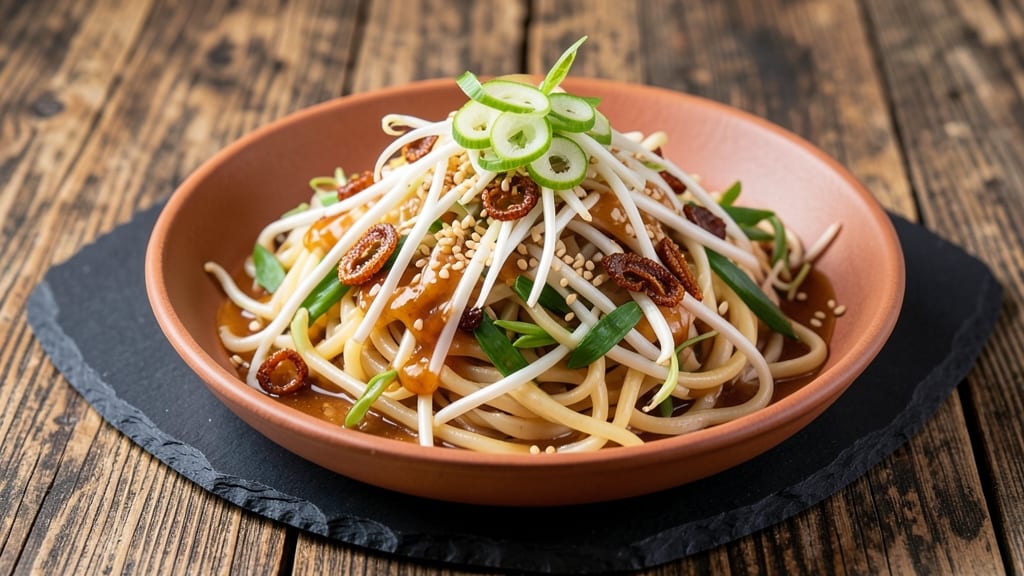
This bean sprout chow mein recipe delivers the perfect balance of crisp-tender bean sprouts, chewy noodles, and a glossy soy glaze that clings to every bite. The secret lies in high-heat wok frying—achieving that signature "wok hei" or smoky aroma that transforms this dish from good to restaurant-quality.
I've refined this recipe over years of testing, ensuring the bean sprouts stay crisp while the noodles absorb just enough sauce to be flavorful without becoming soggy.
The foundation is simple: fresh bean sprouts (never dried), wide rice noodles, and a homemade sauce that combines soy sauce, rice vinegar, and a touch of sugar for that perfect tangy-sweet balance.
What sets this apart is the two-stage cooking method—first searing the aromatics until fragrant, then tossing everything together in the wok for just 2-3 minutes to maintain that signature crunch. This isn't your average stir-fry; it's a dish where texture and flavor come together in perfect harmony.
By the time you're done, you'll have a plate of golden noodles coated in a glossy sauce, crisp bean sprouts that pop with every bite, and a dish that's both satisfying and light. The aroma alone will have everyone asking for seconds, and the best part?
It comes together in under 20 minutes—ideal for weeknight dinners or last-minute entertaining. Whether you're serving it as a main course or sharing it as a takeout-style meal, this chow mein delivers every time.
For those with dietary preferences, tofu or scrambled eggs can easily be added for extra protein. The recipe scales beautifully too—double the ingredients for a crowd, or halve it for a single serving. Here's how to make it, step by step, for that authentic restaurant experience at home.
Ingredients for bean sprout chow mein
Fresh bean sprouts, chewy rice noodles, and a tangy soy glaze—here's everything to make this restaurant-quality chow mein at home.
| Ingredient | Amount | Notes |
|---|---|---|
| Fresh Bean Sprouts 🌱 | 4 cups | Packed, stems trimmed |
| Wide Rice Noodles 🍜 | 8 oz | Uncooked, medium-width |
| Soy Sauce 🥢 | ⅓ cup | Light or all-purpose |
| Rice Vinegar 🍶 | 2 tbsp | White or seasoned |
| Granulated Sugar 🍚 | 1 tbsp | Or brown sugar |
| Sesame Oil 🌿 | 1 tbsp | Toasted for aroma |
| Neutral Oil 🫒 | 2 tbsp | Vegetable or canola |
| Garlic Cloves 🧄 | 4 cloves | Minced, fresh |
| Ginger Root 🌿 | 1 tbsp | Fresh, grated |
| Green Onions 🧅 | 3 whole | Sliced diagonally |
| Red Bell Pepper 🍆 | 1 whole | Thinly sliced |
| Scallions 🧅 | 2 tbsp | Chopped, for garnish |
| Toasted Sesame Seeds 🌾 | 1 tbsp | For garnish |
| Vegetable Oil Spray 🫒 | 1 spray | For wok prep |
| Tofu (optional) 🍳 | ½ lb | Firm, cubed |
The bean sprouts are non-negotiable—fresh, never dried, and packed tightly. Trader Joe's and Asian markets have the best quality, but the regular grocery store sprouts work too. Look for bright green, crisp sprouts with no yellowing. For the rice noodles, medium-width is key—they hold up better to stir-frying than thin ones. Soak them in warm water for 15-20 minutes until pliable but still slightly firm. The tofu, if using, should be extra-firm and pressed to remove excess water for that perfect sear.
No sesame oil? Avocado oil at half the amount works in a pinch, but you'll miss that nutty aroma. Short on rice vinegar? Apple cider vinegar is a decent swap, though it's slightly stronger. The sugar can be swapped for honey or maple syrup, but keep it to the same amount. For the aromatics, fresh ginger and garlic are essential—they build the flavor base. If you're feeling adventurous, add a dash of chili flakes for heat. The bell pepper can be swapped for broccoli florets or snap peas if you prefer, but keep the amount similar for balance.
This dish is all about timing—bean sprouts stay crisp for about 10 minutes after cooking, so serve immediately. Store leftover noodles in an airtight container with a damp paper towel to keep them from drying out. The sauce components (soy, vinegar, sugar) can be pre-mixed and stored in the fridge for up to 1 week. For extra crunch, reheat the noodles and bean sprouts separately and toss with the sauce just before serving. The tofu, if included, reheats beautifully—just toss it in the wok for 1-2 minutes to revive the texture.
Why You'll Love This Recipe
- No-Cook Prep Magic: I swear by this trick—just blanch those bean sprouts for 30 seconds while the noodles soak. Zero chopping, zero fuss, and honestly? The crunch stays perfect every time.
- Umami Bomb Combo: That soy-vinegar-sugar splash? It’s the secret weapon. The vinegar brightens the sprouts, the sugar rounds out the bite, and the soy ties it all together like a flavor hug—no fancy sauces needed.
- Lunchbox Hero: Between us, this is my go-to for packed lunches. Cold or warm, it holds up for days, and the noodles don’t get mushy. My kid’s favorite? The crispy sprouts poking out like edible confetti.
- Pantry Staple Power: Five ingredients, all under $5 at the Asian market. The rice noodles last forever, and a single batch stretches into leftovers that taste just as good reheated—or straight from the fridge with a squeeze of lime.
Step-by-step instructions for wok-fried bean sprout chow mein
Here's how to create that perfect balance of crispy noodles, crunchy sprouts, and savory-sweet sauce.
Prepare the Noodles Just Right
Bring a large pot of water to a rolling boil and add the 8 oz wide rice noodles. Cook according to package instructions until al dente—they should be tender but still have a slight bite. Drain immediately and rinse under cold water to stop the cooking process. This prevents them from becoming mushy when stir-fried.
Toss the drained noodles with 1 tablespoon sesame oil to prevent sticking. I like to keep them slightly oily so they absorb the sauce beautifully later. Set aside while you prep the rest of your ingredients—this chow mein comes together fast once everything's ready.
Build the Flavor-Packed Sauce
In a small bowl, whisk together the ⅓ cup soy sauce, 2 tablespoons rice vinegar, 1 tablespoon granulated sugar, and 1 tablespoon sesame oil. This sauce is the soul of your chow mein—sweet, tangy, and umami-rich. Taste it now and adjust if needed: more sugar for sweetness, more vinegar for tang, or extra soy sauce for saltiness.
Here's the thing—this sauce needs to be balanced. Too sweet and your dish loses depth; too salty and the other flavors get lost. I usually add a pinch of sugar if I used seasoned rice vinegar, since it's already slightly sweet. Keep this mixture handy while you cook the other components.
Stir-Fry the Aromatics and Vegetables
Heat 2 tablespoons neutral oil in a wok or large skillet over high heat until shimmering. Spray with vegetable oil spray to ensure even heating. Add the 4 cloves minced garlic and 1 tablespoon grated ginger and stir-fry for 30 seconds until fragrant—this is where all the flavor magic starts.
Add the 1 whole red bell pepper and 4 cups fresh bean sprouts, stirring constantly for 2-3 minutes until the bell pepper softens slightly but the sprouts stay crisp. You want that satisfying crunch—don't overcook! If using the 0.5 lb tofu, add it now and cook for another 1 minute until lightly golden.
Combine Everything for the Final Stir-Fry
Push the vegetables to one side of the wok and add the cooked noodles. Pour the sauce over the noodles and toss everything together vigorously for 1-2 minutes until the noodles are evenly coated and heated through. The residual heat from the wok will finish cooking the noodles perfectly.
This is where it gets exciting—the sauce should cling beautifully to the noodles while keeping that satisfying crunch from the sprouts. If the noodles seem dry, add 1-2 tablespoons hot water from the noodle pot to loosen the sauce. The dish should be glossy but not soupy.
Garnish and Serve Immediately
Transfer the chow mein to serving plates and garnish with 3 whole green onions sliced diagonally, 2 tablespoons chopped scallions, and 1 tablespoon toasted sesame seeds. The garnishes add freshness and visual appeal—don't skip this step!
Serve immediately while everything is hot and crisp. The aroma alone will have everyone at the table. This chow mein tastes even better the second day, but the texture suffers—so enjoy it fresh while the noodles are still al dente and the sprouts are crisp. Pair with a cold beer or jasmine tea for the full experience.
Pro Tips For Making Bean Sprout Chow Mein
- Blanch Sprouts First: I learned this the hard way—raw bean sprouts taste bitter and chewy when tossed straight into the wok. Give them a quick 30-second blanch in boiling water, then shock in ice water to stop cooking. This softens them just enough to absorb the sauce without turning mushy later.
- Use Parboiled Noodles: Wide rice noodles stick together like glue when overcooked. Soak them in warm water for 10-12 minutes, then drain and rinse with cold water to stop cooking. Toss with a tiny bit of oil while still warm—they’ll finish cooking in the wok without turning to paste.
- Toss Noodles Last: If you add noodles too early, they’ll steam instead of getting that signature wok-hei. Cook the bean sprouts and any other veggies first, then push them to one side of the pan and scramble the noodles in the residual heat for just 1-2 minutes. Stir everything together at the very end.
- Balance Sweet-Sour Sauce: Skip the guesswork—mix 2 tablespoons soy sauce, 1 tablespoon rice vinegar, and 1 teaspoon sugar for every 2 cups of noodles. Taste as you go: if it’s too sharp, add a pinch more sugar; if it’s flat, a splash of vinegar cuts through the heaviness. Adjust while the pan’s still hot.
Dietary considerations for these flavors
Vegetarian-Friendly Base
This bean sprout chow mein is naturally vegetarian, making it perfect for plant-based diets or anyone avoiding meat. The protein comes from fresh bean sprouts and optional tofu—simply omit the tofu if you prefer a completely egg-free version.
For extra protein, add scrambled eggs at the end of cooking, but keep them separate until serving to maintain texture. 🌱
Gluten-Free Adaptations
To make this gluten-free, swap the soy sauce for a high-quality tamari or coconut aminos. I recommend San-J Tamari for its rich umami flavor. Also, check your rice noodles—many brands are naturally gluten-free, but verify the package.
For extra caution, use gluten-free-certified sesame oil and ensure all ingredients are certified if needed.
Low-Carb Options
For a lower-carb version, reduce the rice noodles to 4 oz total and add ½ cup shredded cabbage or zucchini noodles to bulk up the dish. The bean sprouts and bell pepper provide natural crunch without the carb load.
Taste the sauce first—it may need an extra ½ teaspoon sugar to balance the reduced noodle sweetness.
Nut-Free Considerations
This recipe is naturally nut-free, but always double-check your sesame oil and sesame seeds for cross-contamination warnings. For extra safety, use sunflower oil instead of sesame oil and garnish with extra green onions or chopped cilantro instead. The flavor remains bright and fresh without nuts.
Allergy-Friendly Swaps
If you have soy allergies, replace the soy sauce with coconut aminos and use tamari-free sesame oil (check labels carefully). For sesame-free dishes, swap sesame oil for avocado oil and garnish with toasted pumpkin seeds instead. The dish stays flavorful while accommodating dietary restrictions.
Nutrition facts
Frequently asked questions
Can I use dried bean sprouts instead of fresh?
Never! Fresh bean sprouts are essential for that signature crunch in chow mein. Dried sprouts lose their texture and become mushy when cooked. If you can't find fresh ones, look for "mung bean sprouts" in the refrigerated produce section of Asian markets—they're the best quality. The stems should be trimmed before using.
How do I prevent the noodles from getting soggy?
Cook the noodles just until al dente, then rinse immediately in cold water to stop cooking. Toss them with 1 tablespoon sesame oil before setting aside—this creates a protective barrier. When stir-frying, work quickly over high heat and add the sauce at the very end for just 1-2 minutes of tossing.
What's the secret to getting that restaurant-style wok hei?
High heat and proper oil are key! Use a heavy-bottomed wok or skillet and heat it until smoking hot before adding oil. Spray with vegetable oil spray first to ensure even heating. Cook the aromatics (garlic, ginger) for 30 seconds until fragrant—this builds the smoky flavor. Keep everything moving constantly to prevent sticking.
Can I make this ahead of time?
Store the cooked noodles and sauce separately in airtight containers for up to 2 days. Reheat the noodles in the microwave with a splash of water, then toss with the sauce and fresh bean sprouts just before serving. For best texture, add fresh sprouts and garnishes immediately after reheating—they won't keep their crunch when stored.
What can I add for extra protein?
Scrambled eggs work perfectly—cook them separately and stir in at the end. For vegetarian options, add ½ lb cubed tofu (pressed and pan-fried first) or ½ cup cooked edamame. If using tofu, add it with the bell pepper and cook for 1 minute until golden before adding the noodles.