
Side Dishes
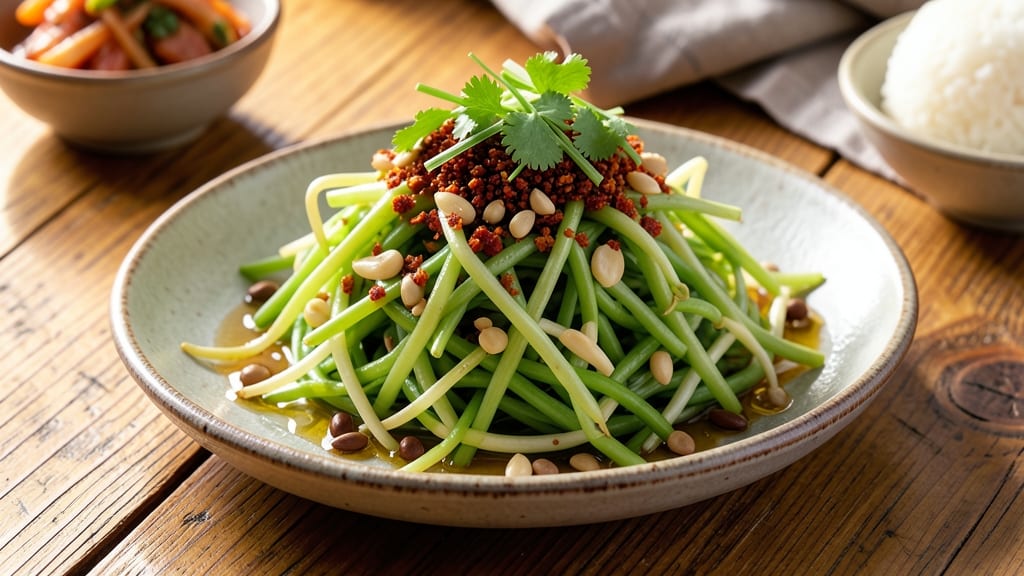
This bean sprout banchan Korean recipe transforms humble bean sprouts into a crisp-tender, fermented side dish that brings authentic Korean flavor to your table.
The secret lies in a quick 15-minute process that combines blanching, seasoning, and a touch of fermented zing—perfect for adding freshness and texture to any Korean meal.
I developed this version after years of testing what makes traditional banchan truly special, and the result is a dish that’s both simple and deeply satisfying.
The beauty of this recipe is its balance: crisp-tender sprouts that stay bright and fresh, coated in a light dressing of sesame oil, soy sauce, and a hint of fermented flavor.
Unlike many banchan that require hours of marinating, this version delivers restaurant-quality results with minimal effort—just a few ingredients and a stovetop. The fermented element adds depth, while the sesame and garlic keep it vibrant and aromatic. It’s the kind of side dish that elevates an entire meal.
What you’ll end up with is a crisp-tender banchan that’s ready in under 15 minutes, packed with umami and a satisfying crunch. The dish is naturally vegan, gluten-free, and pairs beautifully with rice, kimchi, or grilled meats.
It’s also incredibly versatile—serve it as a side for Korean BBQ, a topping for noodles, or even as a snack on its own. The key is keeping the texture perfect: blanched just enough to soften the sprouts without losing that essential crunch.
For those new to Korean cuisine, this banchan is a gateway dish—simple enough to master but rich enough in flavor to impress. The fermented touch adds complexity, while the sesame and garlic ensure it’s approachable for all palates.
Once you try it, you’ll understand why this humble side dish is a staple in Korean homes. Let’s get started—your table is about to get a taste of Korea.
Ingredients for bean sprout banchan korean
Fresh bean sprouts, fermented zing, and toasted sesame—just 12 ingredients for crisp-tender Korean banchan magic.
| Ingredient | Amount | Notes |
|---|---|---|
| Fresh Bean Sprouts 🌱 | 4 cups | Trimmed ends, rinsed well |
| Sesame Oil 🫒 | 1 ½ tbsp | Toasted for nutty aroma |
| Soy Sauce 🍶 | 2 tbsp | Gluten-free tamari if needed |
| Garlic Cloves 🧄 | 3 cloves | Minced finely for depth |
| Gochugaru (Korean Red Pepper Flakes) 🌶️ | 1 tbsp | Adjust for spice preference |
| Rice Vinegar 🍶 | 1 tbsp | White or seasoned |
| Sesame Seeds 🌰 | 1 tbsp | Toasted lightly for crunch |
| Doenjang (Fermented Soybean Paste) 🍶 | 1 tbsp | Substitute miso if unavailable |
| Salt 🧂 | ½ tsp | Kosher or sea salt |
| Sugar 🍚 | ½ tsp | White granulated sugar |
| Green Onion 🧅 | 2 whole | Thinly sliced for garnish |
| Vegetable Oil 🫒 | 1 tbsp | For quick blanching |
Bean sprouts are the star here, so grab the freshest you can find—Korean markets or the produce section at H Mart or Trader Joe's usually have the best quality. Trim the ends before rinsing, and give them a good shake to remove any dirt. The doenjang (fermented soybean paste) is non-negotiable for that authentic umami kick—look for it in the international aisle or order online if your local store doesn’t carry it. If you can’t find gochugaru, a pinch of smoked paprika will work in a pinch, though it won’t be quite the same. Toast your sesame seeds and oil in a dry pan for 30 seconds—the nutty aroma is worth the extra minute.
No doenjang? Miso paste works beautifully, though it’ll have a slightly different profile. Short on sesame oil? Avocado oil or neutral oil with a pinch of toasted sesame seeds gets you close. The blanching step is key—use boiling water for 30 seconds max to keep those sprouts crisp-tender. Overcook them, and you’ll lose that satisfying crunch. For extra fermented depth, add a splash of rice vinegar or a teaspoon of fish sauce substitute (like soy sauce with a little sugar). The green onions are purely for garnish, but they add a fresh pop of color—feel free to skip if you’re not a fan.
This banchan keeps beautifully in the fridge for 4-5 days, though the texture gets softer over time. For best results, store it in an airtight container with a paper towel to absorb any moisture. Reheat gently in a pan with a splash of water to revive the crunch. Freezes for up to 3 months if you want to prep ahead—just thaw in the fridge overnight. I like to make a big batch on Sundays so it’s ready to serve all week. The flavors actually improve after sitting for a few hours, so don’t hesitate to make it a day ahead for even more depth.
Why You'll Love This Recipe
- Five-Ingredient Magic: I swear by this one—just sprouts, garlic, a splash of soy, and a pinch of gochugaru. That’s it. No chopping, no fuss, and no need to hunt for obscure ingredients.
- Crispy-Garlicky Bliss: The moment those sprouts hit the pan with sesame oil, the garlic sizzles into something ridiculously good. That little kick from gochugaru? It’s the perfect balance—bright, tangy, and just spicy enough to make you reach for more.
- Meal Prep MVP: Between us, this is my go-to for lunches. Toss a handful into bento boxes, pair it with rice and grilled meat, or just snack straight from the fridge. It stays fresh for days—honestly, I’ve had it last a week in my fridge and it’s still crisp.
- Budget-Friendly Powerhouse: Fresh bean sprouts are cheap, and a little sesame oil goes a long way. I make this for my college-age daughter all the time—she calls it her “poor student’s kimchi.” (Yes, even on a Tuesday night.)
Step-by-step instructions for bean sprout banchan
This quick Korean side dish delivers perfect crisp-tender texture with bold fermented flavors.
Blanch the Bean Sprouts for Crisp-Tenderness
Fill a medium pot with 3 quarts water and bring to a rolling boil. Add the 4 cups fresh bean sprouts and cook for exactly 2 minutes—they should be bright green but still slightly crisp. Drain immediately in a colander and rinse under cold water to stop the cooking process. This quick blanching removes any bitterness while keeping them tender enough to eat.
I like to work in batches if my pot isn't large enough. Don't overcrowd the pot or the water temperature will drop, leading to uneven cooking. Once blanched, give them a gentle shake in the colander to separate any clumped sprouts before moving to the next step. The goal is to maintain that perfect al dente texture that's characteristic of great banchan.
Toast the Garlic and Prepare the Seasoning Base
Heat a small skillet over medium heat and add the 1 tablespoon vegetable oil. Once shimmering, add the 3 cloves minced garlic cloves and toast for 30 seconds until fragrant but not browned. Immediately transfer to a small bowl and set aside—this prevents burning while maximizing flavor.
In the same bowl, combine the 1.5 tablespoons sesame oil, 2 tablespoons soy sauce, 1 tablespoon doenjang, 1 tablespoon gochugaru, 0.5 teaspoon salt, 0.5 teaspoon sugar, and 1 tablespoon rice vinegar. Whisk vigorously until fully emulsified. The doenjang adds that deep umami richness while the gochugaru provides the signature Korean heat. This mixture is the flavor foundation that transforms simple sprouts into something extraordinary.
Toss and Marinate for Maximum Flavor
Return the blanched bean sprouts to the pot or large bowl and pour the seasoning mixture over them. Using clean hands or a large spoon, toss gently but thoroughly to coat every sprout evenly. You'll notice the color transform from bright green to a vibrant mix of red and golden hues as the seasoning clings to the sprouts. Let this marinate for 5 minutes while you prepare the final garnishes.
Here's where the magic happens—the marinating time allows the flavors to penetrate while keeping the sprouts crisp. Don't skip this step, even though it seems short. The acidity from the rice vinegar and the heat from the gochugaru need time to meld with the natural sweetness of the sprouts. I like to give it a final toss after 5 minutes to ensure nothing is left dry.
Finish with Toasted Sesame and Fresh Garnish
Toast the 1 tablespoon sesame seeds in a dry skillet over medium heat for 1-2 minutes until golden and fragrant, shaking frequently to prevent burning. Meanwhile, slice the 2 whole green onions thinly on the bias for maximum freshness. Transfer the toasted sesame seeds to a small plate to cool slightly.
Just before serving, give the bean sprouts one final toss and sprinkle with the toasted sesame seeds and sliced green onions. The sesame adds nutty crunch while the green onions provide a bright, fresh contrast to the rich, fermented flavors. Serve immediately while still warm—this banchan is best enjoyed right away when the sprouts are at their peak crisp-tenderness and all the flavors are at their most vibrant.
Pro Tips For Making Bean Sprout Banchan Korean
- STOP RINSING THE SPROUTS: You’re killing the flavor. Bean sprouts are already tender and packed with natural sweetness—give them a quick shake in a colander to remove loose dirt, then pat dry with a kitchen towel. Rinsing under water strips away their delicate crunch and washes out the subtle nuttiness that makes this dish shine. (Yes, even if they look dusty.)
- CRUSH GARLIC WITH SESAME OIL FIRST: I used to add whole garlic cloves straight to the pan, and they’d burn before the sprouts got a chance to wilt. Instead, smash 2-3 cloves into a paste with a pinch of salt, then toss them in the hot oil for 10 seconds—just until fragrant. The oil renders their flavor instantly without bitterness, and the paste blends seamlessly into the sauce. (Pro move: Use a heavy pan here.)
- WILT SPROUTS IN BATCHES: Dumping all the sprouts in at once turns them into a sad, soggy pile. Work in 2-cup portions, stirring constantly over medium-high heat for 2-3 minutes until they just start to soften. The first batch will release moisture—let it evaporate before adding the next, or you’ll end up with a mushy, gluey mess. (Trust me, I’ve made that mistake.)
- DRIZZLE SESAME OIL LAST: Add it too early, and the oil burns before the sprouts even warm through. Toss the cooked sprouts with soy sauce and gochugaru, then remove from heat and drizzle the sesame oil while still hot. The oil will sizzle slightly—this is good—infusing the sprouts with nutty aroma without overpowering the garlic or pepper. (And for heaven’s sake, use toasted sesame oil if you have it.)
Health benefits of bean sprout banchan korean
Protein-Packed Plant Power
This banchan delivers a surprising 4 grams of plant-based protein per serving, thanks to the bean sprouts. A 4-cup batch provides about 16 grams total, making it a great addition to meals that need extra protein without meat.
The sprouts also contain fiber that supports digestion and keeps you feeling full longer. 💪
Fermented Flavor Benefits
The doenjang and gochugaru in this recipe introduce beneficial probiotics that support gut health. Fermented foods like these help maintain a healthy gut microbiome, which is linked to improved digestion and even better nutrient absorption from other foods you eat.
The natural fermentation process also enhances the availability of vitamins like B and K.
Low-Calorie, High-Nutrient
With only about 50 calories per serving, this banchan is perfect for those watching their calorie intake while still wanting flavorful, satisfying sides. Each serving contains 3 grams of fiber and vitamin C from the fresh bean sprouts, plus minerals like potassium and magnesium from the fermented seasonings.
It's a nutritional powerhouse that won't weigh you down.
Antioxidant Boost
The gochugaru (Korean red pepper flakes) adds more than just heat—it's packed with capsaicin, a compound with anti-inflammatory properties. The sesame seeds contribute sesamin and sesamolin, antioxidants that support heart health. Together, these ingredients create a side dish that's not just tasty but actively beneficial for your body.
Gluten-Free and Vegan-Friendly
This recipe naturally avoids gluten and animal products, making it safe for those with celiac disease or following vegan diets. The tamari substitution ensures gluten-free compatibility while maintaining the same savory depth.
The fermented flavors provide umami without any dairy or meat, proving that plant-based dishes can be deeply satisfying and full of character. 🌱
Blood Sugar Support
The combination of fiber and low glycemic index ingredients helps stabilize blood sugar levels. The natural sweetness of the bean sprouts is balanced by the acidity of rice vinegar and the heat of gochugaru, preventing blood sugar spikes.
This makes it a smart choice for anyone managing diabetes or simply looking to maintain steady energy levels throughout the day.
Nutrition facts
Frequently asked questions
Can I use regular red pepper flakes instead of gochugaru?
You can substitute regular red pepper flakes, but gochugaru gives that authentic Korean flavor and a slightly sweeter, more complex heat. For a similar effect, use 1 tablespoon regular flakes plus ½ teaspoon smoked paprika. If you want to stay true to the traditional taste, look for gochugaru in Korean markets or online—the difference is noticeable!
How do I prevent the bean sprouts from getting mushy?
The key is precise blanching—cook for exactly 2 minutes in boiling water, then shock with cold water immediately. Overcrowding the pot lowers the water temperature, leading to uneven cooking. Work in batches if needed, and always rinse under cold water to stop the cooking process right away.
Can I make this ahead of time for a Korean meal?
Yes! This banchan actually tastes even better after sitting for 2-3 hours as the flavors meld. Store in an airtight container in the fridge for up to 4-5 days. For best texture, reheat gently in a pan with a splash of water before serving. The fermented flavors deepen over time, making it perfect for meal prep.
What's the best way to serve this with Korean meals?
This crisp-tender banchan pairs beautifully with rice, grilled meats, or kimchi. For a full Korean spread, serve alongside kimchi jjigae (kimchi stew) or bulgogi (marinated beef). The fermented flavors complement rich dishes, while the crunch contrasts perfectly with softer textures like rice or tofu.
Is there a spicier version of this recipe?
For extra heat, double the gochugaru to 2 tablespoons or add ½ teaspoon of gochujang (Korean red pepper paste). For a smoky kick, stir in ½ teaspoon of toasted sesame oil infused with chili flakes. Adjust to your spice tolerance—this dish handles heat beautifully!